
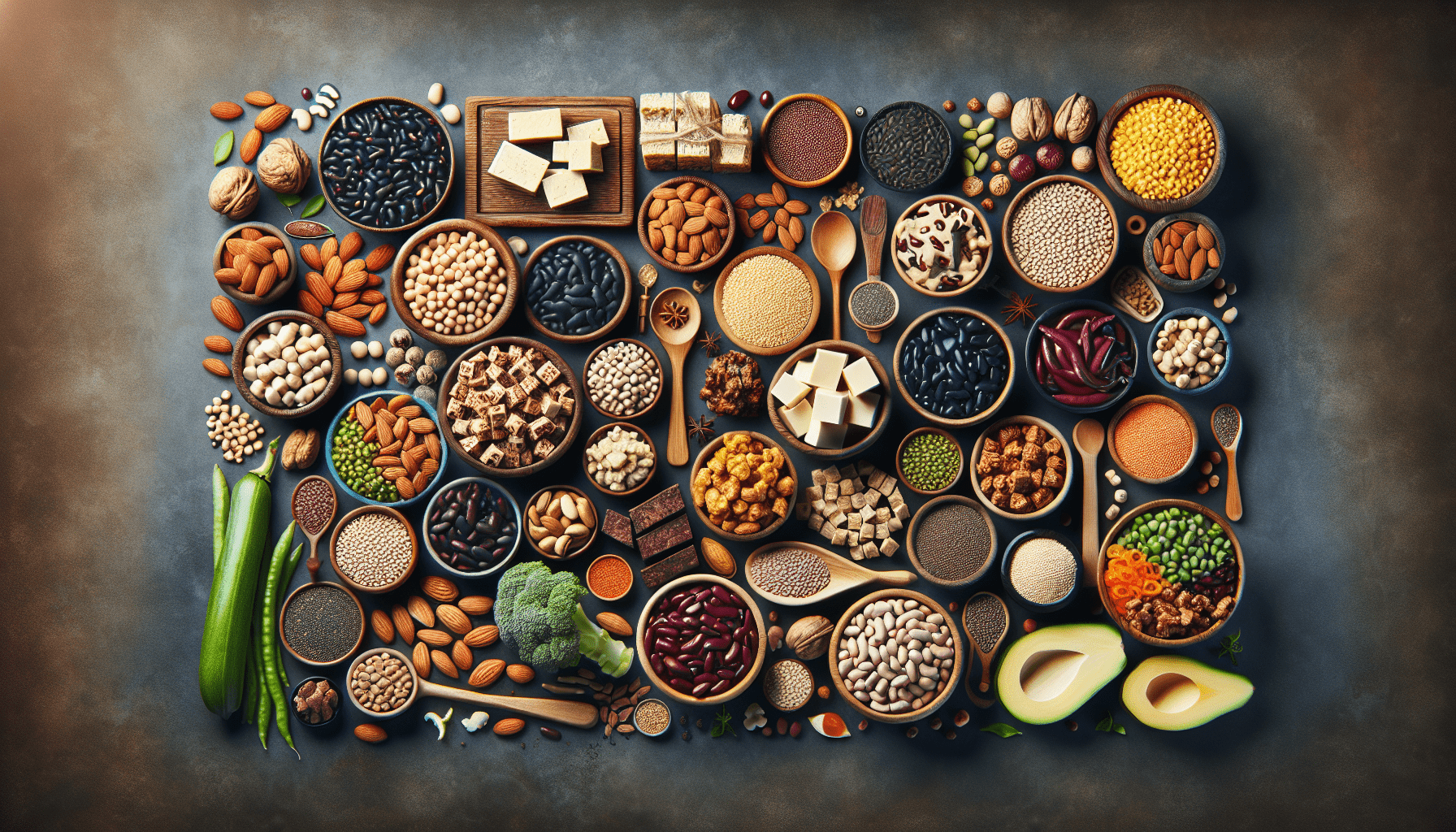
Are you looking to boost the protein content in your vegetarian or vegan diet? Look no further! In this article, we explore the top ways to incorporate more protein into your plant-based meals. From swapping out traditional pasta for a protein-packed alternative to adding nuts and seeds to your favorite dishes, we’ve got you covered. Get ready to discover delicious and nutritious ideas that will help you meet your protein needs, all while staying true to your vegetarian or vegan lifestyle.
Include a variety of plant-based protein sources
When following a vegetarian or vegan diet, it’s important to ensure that you’re getting enough protein from plant-based sources. Thankfully, there are plenty of options available to help you meet your protein needs without relying on animal products. One of the best ways to do this is by including a variety of plant-based protein sources in your diet.
Beans and legumes
Beans and legumes are a fantastic source of plant-based protein. They are not only rich in protein but also packed with essential nutrients such as fiber, vitamins, and minerals. Some popular options include black beans, chickpeas, lentils, kidney beans, and adzuki beans. These can be easily incorporated into your meals in the form of soups, stews, salads, or even homemade veggie burgers.
Tofu and tempeh
Tofu and tempeh are great sources of plant-based protein and are incredibly versatile. Tofu is made from soybeans and can be used in a wide variety of dishes, from stir-fries to smoothies. Tempeh, on the other hand, is a fermented soybean product that has a nutty flavor and a firm texture. It can be sliced, marinated, and used as a substitute for meat in sandwiches, salads, and wraps.
Quinoa and amaranth
Quinoa and amaranth are both considered complete proteins, meaning that they contain all the essential amino acids that your body needs. Quinoa is a grain-like seed that can be used in place of rice or as a base for salads and grain bowls. Amaranth is another grain-like seed that can be cooked and used as a side dish or added to soups and stews.
Seitan and mock meats
Seitan, also known as wheat gluten, is a popular meat substitute among vegetarians and vegans. It has a chewy texture and absorbs flavors well, making it a great addition to stir-fries, sandwiches, or even homemade sausages. Mock meats, such as veggie burgers and vegan sausages, are also available in many grocery stores and can be a convenient and tasty way to add more protein to your diet.
Nuts and seeds
Nuts and seeds are not only packed with protein but also contain healthy fats, fiber, and a variety of nutrients. Almonds, walnuts, chia seeds, hemp seeds, and flaxseeds are all excellent choices. You can sprinkle them on top of salads, oatmeal, or yogurt, or enjoy them as a snack on their own. Nut butters, such as almond or peanut butter, are also great options and can be spread on toast, used in smoothies, or added to sauces and dressings.
Embrace soy products
Soy products are a staple in many vegetarian and vegan diets due to their high protein content and versatility in the kitchen. By embracing soy, you can easily meet your protein needs while enjoying a wide range of delicious dishes.
Tofu
Tofu is a soy-based product that is made by curdling soy milk and pressing it into blocks. It is a great source of high-quality protein and can be prepared in numerous ways. You can marinate and grill it, stir-fry it with vegetables, or blend it into smoothies and desserts. Tofu absorbs flavors well, making it a versatile ingredient in both savory and sweet recipes.
Edamame
Edamame are young soybeans that are harvested before they fully mature. They are a popular snack and can be found in the frozen section of most grocery stores. Edamame can be boiled or steamed and enjoyed on their own with a sprinkle of salt, or added to salads, stir-fries, or soups for an extra boost of protein and a vibrant color.
Soy milk
Soy milk is a plant-based milk alternative that is made from soaking, grinding, and boiling soybeans. It is an excellent source of protein and can be used in place of dairy milk in recipes, such as smoothies, cereal, or baked goods. Soy milk is also fortified with calcium and vitamin D, making it a nutritious choice for those following a vegan diet.
Tempeh
Tempeh is another soy-based product that is made from fermenting soybeans. It has a unique nutty flavor and a firm texture, making it a popular meat substitute among vegans and vegetarians. Tempeh can be sliced, marinated, and grilled, or crumbled and used in place of ground meat in recipes such as tacos, chili, or spaghetti sauce.
Soy protein isolate
Soy protein isolate is a highly concentrated form of soy protein that is often used as a base for protein powders, bars, and other supplements. It is a convenient way to add more protein to your diet, especially if you have increased protein needs or are looking to build muscle. Soy protein isolate can be mixed into smoothies, baked goods, or even used to make your own protein bars at home.
Opt for lentils and beans
Lentils and beans are not only budget-friendly but also incredibly nutritious. They are high in protein, fiber, and a variety of vitamins and minerals, making them an excellent choice for vegetarians and vegans.
Black beans
Black beans are a popular choice among vegetarians and vegans due to their rich flavor and versatility. They are commonly used in Latin American cuisine, where they are added to dishes such as tacos, burritos, or rice and beans. Black beans can also be mashed and used as a base for homemade veggie burgers or added to soups and stews for an extra protein boost.
Chickpeas
Chickpeas, also known as garbanzo beans, are a staple in Mediterranean and Middle Eastern cuisine. They can be used in a variety of dishes, from hummus and falafel to salads and stews. You can even roast chickpeas in the oven with your favorite spices for a crunchy and protein-packed snack.
Lentils
Lentils come in various colors, including green, brown, red, and black. They are easy to cook and can be used in a wide range of recipes, such as soups, curries, salads, or even as a meat substitute in dishes like lentil sloppy joes or lentil meatballs. Lentils are not only a great source of protein but also provide a good amount of fiber and iron.
Kidney beans
Kidney beans are large, red beans that are commonly used in chili, bean salads, or as a filling for burritos and tacos. They are packed with protein, fiber, and essential nutrients such as folate and iron. Kidney beans are a fantastic addition to any vegetarian or vegan diet, providing both nutrition and delicious flavor.
Adzuki beans
Adzuki beans are small, red beans that are commonly used in Asian cuisine. They have a slightly sweet flavor and are often used in desserts such as red bean paste or in savory dishes like adzuki bean soup or stir-fries. Adzuki beans are a good source of protein, fiber, and antioxidants, making them a nutritious addition to your plant-based meals.
Include whole grains
Whole grains are not only an excellent source of carbohydrates but also provide a good amount of protein. They are also high in fiber, B vitamins, and minerals, making them a nutrient-dense addition to any vegetarian or vegan diet.
Quinoa
Quinoa is technically a seed but is often referred to as a grain due to its similar cooking and nutritional properties. It is a complete protein, meaning that it contains all nine essential amino acids. Quinoa is incredibly versatile and can be used in a variety of dishes, from salads and grain bowls to breakfast porridge and baked goods.
Amaranth
Amaranth is another complete protein that is often used as a grain substitute. It has a nutty flavor and a unique texture, making it a great addition to soups, stews, or as a side dish. Amaranth can also be ground into flour and used in gluten-free baking recipes, providing a boost of protein and other important nutrients.
Buckwheat
Despite its name, buckwheat is not related to wheat and is actually a seed. It is commonly used in a variety of dishes, such as soba noodles, pancakes, or porridge. Buckwheat is high in protein, fiber, and several minerals, including magnesium and manganese. It is also gluten-free, making it a suitable option for those with gluten sensitivities or allergies.
Brown rice
Brown rice is a whole grain that is less processed than white rice, making it a healthier choice. It is rich in protein, fiber, and several important minerals, such as selenium and magnesium. Brown rice can be used in a wide range of dishes, from stir-fries and pilafs to rice bowls and sushi rolls.
Barley
Barley is a highly nutritious grain that is often used in soups, stews, or as a substitute for rice. It contains both soluble and insoluble fiber, which can help improve digestion and promote a healthy gut. Barley is also a good source of protein, B vitamins, and minerals such as manganese and selenium.
Try plant-based dairy alternatives
If you’re following a vegetarian or vegan diet, you don’t have to miss out on dairy altogether. There are plenty of plant-based dairy alternatives available that can provide you with protein and other essential nutrients.
Soy milk
Soy milk is one of the most popular plant-based milk alternatives and is made from soybeans. It is an excellent source of protein, calcium, and vitamin D. Soy milk can be used in place of dairy milk in recipes like smoothies, cereals, or baked goods. It is also available in various flavors, such as vanilla or chocolate, to suit your preferences.
Almond milk
Almond milk is made from ground almonds and water. It is lower in protein compared to soy milk but still provides a good amount of calcium, vitamin E, and healthy fats. Almond milk has a slightly nutty flavor and can be used in a variety of recipes, including coffee, smoothies, or as a base for creamy sauces and dressings.
Oat milk
Oat milk is made from soaking and blending oats with water. It has a creamy texture and a subtle sweetness, making it a delicious choice for those who prefer a milder flavor. Oat milk is naturally free from lactose, gluten, and nuts, making it suitable for a wide range of dietary preferences and restrictions. It can be used in both sweet and savory recipes, such as coffee, baked goods, or soups.
Coconut milk
Coconut milk is made from the flesh of mature coconuts and has a rich, creamy texture and a slightly sweet flavor. It is a good source of healthy fats and can be used in both sweet and savory dishes. Coconut milk is often used in curries, smoothies, or as a dairy-free substitute in desserts like ice cream or puddings.
Cashew milk
Cashew milk is made from soaked cashews blended with water. It has a creamy texture and a slightly nutty flavor, making it a versatile choice for various recipes. Cashew milk is a good source of protein, as well as healthy fats and minerals. It can be used in smoothies, soups, or even in homemade dairy-free cheese sauces.
Incorporate nuts and seeds
Nuts and seeds are not only a delicious and convenient snack but also a great source of plant-based protein. They are packed with nutrients and healthy fats, making them an important addition to any vegetarian or vegan diet.
Almonds
Almonds are a popular nut that is not only delicious but also highly nutritious. They are packed with protein, fiber, vitamin E, and healthy fats. Almonds can be enjoyed on their own as a snack, used as a topping for salads or oatmeal, or ground into almond butter for a creamy and protein-packed spread.
Walnuts
Walnuts are another fantastic source of plant-based protein. They are rich in omega-3 fatty acids, which are essential for brain health. Walnuts can be enjoyed on their own, added to baked goods, or sprinkled on top of salads for a crunchy and nutritious boost.
Chia seeds
Chia seeds are tiny black seeds that are packed with protein, fiber, and omega-3 fatty acids. They can absorb up to ten times their weight in liquid, creating a gel-like consistency that can be used to make chia seed pudding, added to smoothies and baked goods, or used as an egg substitute in recipes.
Hemp seeds
Hemp seeds are a complete protein source, meaning that they contain all the essential amino acids that your body needs. They are also rich in omega-3 fatty acids and fiber. Hemp seeds have a slightly nutty flavor and can be sprinkled on top of salads, added to smoothies, or blended into creamy hemp seed milk.
Flaxseeds
Flaxseeds are an excellent source of plant-based protein, fiber, and omega-3 fatty acids. They can be ground into flaxseed meal and used as an egg substitute in recipes or sprinkled on top of yogurt, oatmeal, or baked goods. Flaxseed oil is also available and can be used as a dressing or added to smoothies for an extra boost of nutrition.
Include leafy greens and vegetables
Leafy greens and vegetables not only provide a wide range of nutrients but also contribute to your protein intake. Incorporating these plant-based sources into your diet can help you meet your protein needs while also enjoying a variety of flavors and textures.
Spinach
Spinach is a nutrient-dense leafy green that is high in protein, iron, and other important vitamins and minerals. It can be enjoyed raw in salads, sautéed as a side dish, or added to smoothies for a nutritious boost. Spinach is also a versatile ingredient that can be used in recipes such as lasagna, stuffed mushrooms, or vegetable stir-fries.
Kale
Kale is often referred to as a superfood due to its high nutritional content. It is packed with protein, fiber, iron, and other essential nutrients. Kale can be used in a variety of recipes, from salads and smoothies to sautéed side dishes or even kale chips. Its slightly bitter flavor pairs well with citrus, garlic, or creamy dressings.
Broccoli
Broccoli is a cruciferous vegetable that is not only rich in protein but also contains a variety of vitamins, minerals, and antioxidants. It can be enjoyed raw, steamed, roasted, or sautéed and makes a great addition to salads, stir-fries, pasta dishes, or soups.
Peas
Peas may be small, but they are incredibly nutritious. They are a good source of protein, fiber, and a variety of vitamins and minerals. Peas can be used in a wide range of recipes, from soups and stews to salads and pasta dishes. They can also be blended into creamy soups or mashed for a delicious side dish.
Brussels sprouts
Brussels sprouts are a nutrient-dense vegetable that is rich in protein, fiber, and various vitamins and minerals. They can be roasted, sautéed, or even shaved and used in salads or slaws. Brussels sprouts have a slightly bitter flavor that pairs well with sweet and tangy dressings or sauces.
Experiment with meat substitutes
If you’re missing the taste and texture of meat in your vegetarian or vegan diet, there are plenty of meat substitutes available that can provide you with the protein and flavor you’re craving.
Seitan
Seitan, also known as wheat gluten, is a popular meat substitute that has a chewy texture and absorbs flavors well. It can be seasoned, sliced, and grilled, or used in dishes such as stir-fries, sandwiches, or even homemade sausages. Seitan is a high-protein option and a good source of iron.
Tofurky
Tofurky is a brand that specializes in vegetarian and vegan meat substitutes, including plant-based deli slices, sausages, ground meat, and roast. Tofurky products are made from a combination of tofu and vital wheat gluten, providing a good amount of protein and a similar texture to traditional meat products.
Beyond Meat
Beyond Meat is a popular brand that offers a range of plant-based meat alternatives, including burgers, sausages, and ground beef. Beyond Meat products are made from a combination of plant proteins such as pea and rice protein. They are designed to look, cook, and taste like real meat, providing a satisfying option for those craving a meaty texture and flavor.
Gardein
Gardein is another brand that specializes in plant-based meat alternatives. They offer a variety of products such as chicken tenders, meatballs, fishless filets, and even plant-based crab cakes. Gardein products are made from a blend of ingredients including soy protein, grains, and vegetables, providing a good source of protein and a flavorful meat-like texture.
Quorn
Quorn is a brand that produces a range of meat alternatives made from mycoprotein, a type of fungus. Quorn products are known for their meat-like texture and can be used in a variety of recipes, from stir-fries and curries to sandwiches and salads. They are a good source of protein and contain less saturated fat compared to traditional meat products.
Utilize protein-rich condiments and spreads
Condiments and spreads can be a fantastic way to add more protein to your meals. They can be easily incorporated into your favorite dishes or used as a flavorful topping or dip.
Nut butter
Nut butter, such as peanut butter, almond butter, or cashew butter, is not only a delicious spread but also a good source of protein. It can be used as a topping for toast, added to smoothies, or used as a base for sauces and dressings. Nut butters are also packed with healthy fats and can help keep you feeling satisfied and full.
Hummus
Hummus is a creamy spread made from chickpeas, tahini, olive oil, and various seasonings. It is a great source of protein, fiber, and healthy fats. Hummus can be enjoyed as a dip with raw vegetables or pita bread, spread on sandwiches or wraps, or used as a flavorful topping for salads and grain bowls.
Tahini
Tahini is a paste made from ground sesame seeds and is a key ingredient in many Middle Eastern dishes, such as hummus or baba ganoush. It is not only rich in protein but also provides a good amount of healthy fats and minerals, including calcium and iron. Tahini can be used as a spread, a dressing, or added to sauces and dips for a nutty and creamy flavor.
Bean dips
Bean dips, such as black bean dip or white bean dip, are a great way to add protein to your meals. They can be easily made by blending cooked beans with herbs, spices, and a bit of olive oil or tahini. Bean dips can be used as a spread on sandwiches or wraps, a topping for baked potatoes or vegetables, or as a dip for raw vegetables or pita chips.
Soy-based mayo
Soy-based mayo is a vegan alternative to traditional mayonnaise that is made from soy milk or soy protein isolate. It is lower in fat compared to traditional mayo but still provides a good amount of protein. Soy-based mayo can be used in sandwiches, wraps, or as a base for homemade dressings or aioli sauces.
Consider protein supplements
If you find it challenging to meet your protein needs through food alone or have increased protein requirements, protein supplements can be a convenient and effective way to ensure you’re getting enough protein in your diet.
Pea protein powder
Pea protein powder is made from yellow split peas and is a fantastic plant-based protein option. It is not only rich in protein but also high in essential amino acids and easy to digest. Pea protein powder can be mixed into smoothies, added to baked goods, or used to make protein bars or energy balls.
Hemp protein powder
Hemp protein powder is made from ground hemp seeds and is a complete protein source. It is also rich in omega-3 fatty acids, fiber, and other important nutrients. Hemp protein powder can be incorporated into smoothies, oatmeal, or energy bites for a sustainable source of protein.
Soy protein powder
Soy protein powder is made from soybeans and is a complete protein source. It provides all the essential amino acids and is easily digestible. Soy protein powder can be used in a variety of recipes, such as smoothies, baked goods, or even as a protein shake after a workout.
Rice protein powder
Rice protein powder is made from brown, white, or whole grain rice and is a hypoallergenic alternative to other plant-based protein powders. It is not a complete protein on its own but can be combined with other protein sources to create a complete amino acid profile. Rice protein powder can be added to smoothies, baked goods, or even sprinkled on top of salads or yogurt.
Chia seed protein powder
Chia seed protein powder is made from ground chia seeds and is a rich source of protein, fiber, and healthy fats. It can be used as a thickening agent in recipes, added to smoothies for a protein boost, or mixed into overnight oats or chia seed pudding for a nutritious and filling breakfast option.
In conclusion, there are numerous ways to incorporate more protein into a vegetarian or vegan diet. By including a variety of plant-based protein sources, embracing soy products, opting for lentils and beans, incorporating whole grains, trying plant-based dairy alternatives, incorporating nuts and seeds, including leafy greens and vegetables, experimenting with meat substitutes, utilizing protein-rich condiments and spreads, and considering protein supplements, you can ensure that you’re meeting your protein needs while enjoying a diverse range of delicious and nutritious meals. Whether you’re a vegetarian or vegan, these protein-rich options will keep you feeling satisfied, energized, and fulfilled.