
Welcome to an article that will show you the top ways to incorporate more variety and diversity into your diet for overall well-being. By adding a range of different foods to your meals, you can ensure you are getting a wide array of nutrients and benefits for your body. From trying new fruits and vegetables to experimenting with different grains and proteins, there are many simple ways to make your diet more diverse and exciting. By following these tips, you can improve your health and well-being while enjoying a delicious and varied diet. Have you ever wondered how incorporating more variety and diversity into your diet can positively impact your overall well-being? It’s no secret that a balanced and varied diet plays a crucial role in maintaining good health and preventing diseases. In this article, we will explore the top ways you can easily incorporate more variety and diversity into your diet for optimal well-being.

Why Variety and Diversity are Important in Your Diet
Variety and diversity in your diet are essential because they ensure you are getting a wide range of nutrients that your body needs to function properly. By eating a variety of foods, you can prevent nutrient deficiencies and reduce the risk of chronic diseases. Additionally, different foods offer unique health benefits, so incorporating diversity in your diet can enhance overall well-being.
Diverse diets also support a healthy gut microbiome, which is crucial for digestion, absorption of nutrients, and overall immune function. Incorporating a variety of foods can help promote a more balanced microbiome, leading to better health outcomes.
How to Incorporate More Variety of Fruits and Vegetables
One of the easiest ways to add more variety and diversity into your diet is by including a wide range of fruits and vegetables. Aim to eat the rainbow by choosing fruits and vegetables of different colors, as each color signifies different nutrients. For example, red fruits and vegetables like tomatoes and bell peppers are rich in lycopene, while orange fruits and vegetables like carrots and sweet potatoes are high in beta-carotene.
Try to incorporate seasonal fruits and vegetables into your meals, as they not only provide a wider variety of nutrients but also taste fresher and more flavorful. Experiment with different cooking methods such as roasting, grilling, steaming, or eating raw to keep things interesting and enjoyable.
Sample Table of Fruits and Vegetables by Color:
| Color | Fruits | Vegetables |
|---|---|---|
| Red | Strawberries, Apples | Tomatoes, Red Bell Peppers |
| Orange | Oranges, Mangos | Carrots, Sweet Potatoes |
| Green | Kiwi, Grapes | Spinach, Broccoli |
| Purple | Blueberries, Grapes | Eggplant, Purple Cabbage |
| Yellow | Bananas, Pineapple | Corn, Yellow Bell Peppers |
By incorporating a variety of fruits and vegetables into your diet, you can ensure you are getting a wide range of nutrients and antioxidants for optimal health.
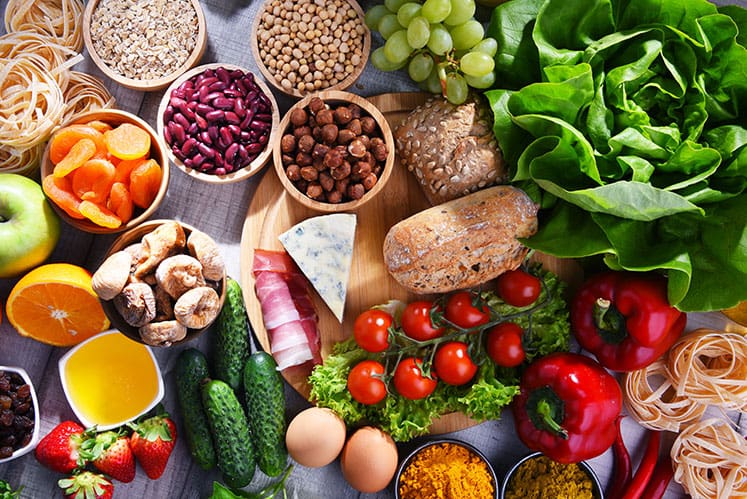
Adding More Diversity With Whole Grains and Legumes
Whole grains and legumes are another great way to incorporate more variety and diversity into your diet. Whole grains like quinoa, brown rice, and oats are rich in fiber, vitamins, minerals, and antioxidants. Legumes such as beans, lentils, and chickpeas are excellent sources of plant-based protein, fiber, and iron.
Switch up your usual white rice or pasta with whole grains like quinoa or barley for added nutrients and fiber. Experiment with different types of legumes in soups, salads, or stir-fries to add plant-based protein to your meals.
Sample List of Whole Grains and Legumes:
- Whole Grains: Quinoa, Brown Rice, Barley, Oats
- Legumes: Black Beans, Lentils, Chickpeas, Kidney Beans
By including a variety of whole grains and legumes in your diet, you can increase the range of nutrients you consume and support better overall health.
Incorporating More Protein Options for a Balanced Diet
Protein is an essential nutrient that is crucial for muscle repair, hormone production, and overall cellular function. Incorporating a variety of protein sources into your diet can ensure you are getting all the essential amino acids your body needs.
Include a mix of plant-based and animal-based protein sources in your meals to add diversity and variety to your diet. Plant-based protein options include tofu, tempeh, nuts, seeds, and legumes, while animal-based protein sources include poultry, fish, eggs, and dairy products.
Experiment with different protein sources in your meals to keep things interesting and prevent food boredom. Try new recipes or cuisines that incorporate a variety of protein options for a well-rounded and balanced diet.
Sample Table of Protein Sources:
| Category | Plant-Based | Animal-Based |
|---|---|---|
| Protein Sources | Tofu, Tempeh, Nuts, Seeds | Chicken, Fish, Eggs |
| Lentils, Chickpeas, Quinoa | Beef, Pork, Dairy |
Adding a variety of protein sources to your diet can help ensure you are meeting your daily protein needs and maintaining optimal health.

The Importance of Healthy Fats in Your Diet
Healthy fats play a crucial role in supporting brain health, hormone production, and overall cellular function. Including a variety of healthy fats in your diet can help reduce inflammation, improve heart health, and support overall well-being.
Incorporate a mix of monounsaturated fats, polyunsaturated fats, and omega-3 fatty acids into your meals to ensure you are getting an adequate intake of healthy fats. Foods like avocados, olive oil, nuts, seeds, and fatty fish are excellent sources of healthy fats that can be easily incorporated into your diet.
Experiment with different cooking oils and fats in your recipes to add more variety to your meals while reaping the health benefits of healthy fats. Use avocado oil for high-heat cooking, olive oil for dressings and marinades, and coconut oil for baking and sautéing.
Sample List of Healthy Fats:
- Avocados
- Olive Oil
- Nuts and Seeds
- Fatty Fish (Salmon, Sardines)
By including a variety of healthy fats in your diet, you can support brain health, heart health, and overall well-being.
How to Add More Flavor and Variety with Herbs and Spices
Herbs and spices are a simple yet effective way to add flavor, variety, and diversity to your meals. Not only do herbs and spices enhance the taste of your dishes, but they also offer unique health benefits due to their antioxidant and anti-inflammatory properties.
Experiment with different herbs and spices in your recipes to create diverse flavor profiles and add interest to your meals. Use fresh herbs like basil, cilantro, or parsley to garnish salads or pasta dishes, and incorporate spices like turmeric, cinnamon, or cayenne pepper for added depth of flavor.
Try making your spice blends or marinades at home to customize the flavor to your liking and avoid added preservatives or salt found in store-bought versions. Get creative in the kitchen and explore different flavor combinations to enhance the taste and nutritional value of your meals.
Sample List of Herbs and Spices:
- Herbs: Basil, Cilantro, Parsley, Mint
- Spices: Turmeric, Cinnamon, Cumin, Paprika
By incorporating a variety of herbs and spices into your cooking, you can elevate the flavor of your meals and reap the health benefits of these antioxidant-rich ingredients.

Planning Balanced Meals for Optimal Nutrition
To ensure you are incorporating a wide variety and diversity of foods into your diet, it’s essential to plan balanced meals that include a mix of macronutrients (carbohydrates, protein, and fat) and micronutrients (vitamins and minerals). By planning your meals ahead of time, you can make intentional choices that support your overall well-being and health goals.
Create a meal plan that includes a variety of foods from different food groups to ensure you are getting a wide range of nutrients. Include a source of protein, healthy fat, and carbohydrates in each meal, along with a mix of fruits, vegetables, whole grains, and legumes.
Experiment with new recipes, cuisines, and cooking methods to add more variety to your meals and prevent food monotony. Keep your meals interesting and enjoyable by trying new ingredients or flavor combinations that you haven’t explored before.
Sample Balanced Meal Ideas:
- Breakfast: Greek yogurt with berries, almonds, and chia seeds
- Lunch: Quinoa salad with roasted vegetables, chickpeas, and feta cheese
- Dinner: Grilled salmon with sweet potato, asparagus, and a side of avocado
By planning balanced meals that include a variety of foods from different food groups, you can ensure you are meeting your nutritional needs and supporting optimal health and well-being.
The Benefits of Hydration and Incorporating a Variety of Beverages
Staying hydrated is essential for overall health and well-being, as water plays a crucial role in maintaining bodily functions, regulating body temperature, and supporting digestion. Incorporating a variety of beverages into your diet can help keep you hydrated while adding more interest and diversity to your daily routine.
In addition to water, try incorporating herbal teas, green tea, iced coffee, sparkling water, or fruit-infused water into your beverage options for added variety and flavor. Herbal teas are caffeine-free and offer unique health benefits, while green tea is rich in antioxidants and can support overall health.
Experiment with different ways to stay hydrated throughout the day, such as carrying a reusable water bottle with you, setting reminders to drink water, or infusing fruits and herbs into your water for added flavor. By incorporating a variety of beverages into your diet, you can stay hydrated while enjoying different flavors and benefits.
Sample List of Beverages:
- Herbal Teas (Chamomile, Peppermint, Ginger)
- Green Tea
- Fruit-Infused Water (Lemon, Berries, Cucumber)
- Sparkling Water
By incorporating a variety of beverages into your daily routine, you can stay hydrated, support digestion, and add more interest and diversity to your diet.

Conclusion
Incorporating more variety and diversity into your diet is a simple yet effective way to support overall well-being and maintain optimal health. By including a wide range of foods from different food groups, you can ensure you are getting all the nutrients your body needs to function properly.
Experiment with new foods, flavors, and cooking methods to add more interest and enjoyment to your meals while reaping the health benefits of a diverse diet. Plan balanced meals that include a mix of macronutrients and micronutrients to support your overall health goals and well-being.
Remember, small changes can lead to significant improvements in your overall well-being. Start incorporating more variety and diversity into your diet today and watch as your health and vitality improve. Cheers to a diverse and vibrant diet for a healthier and happier you!