

Are you tired of scrambling for meals throughout the week and resorting to unhealthy fast food options? Look no further! In this article, we will show you how to plan a healthy and nutritious meal prep for the week. By following our simple tips and tricks, you can save time, money, and make eating well a breeze. Say goodbye to last-minute takeout and hello to a week’s worth of delicious, home-cooked meals that will leave you feeling satisfied and nourished. Let’s get started on your journey to a healthier lifestyle!

Setting Goals
Identify nutritional goals
Setting nutritional goals is an important step in planning a healthy and nutritious meal prep for the week. It’s essential to determine what specific nutrients or dietary requirements you want to prioritize. For example, if you’re looking to increase your protein intake, you can focus on recipes that are rich in lean proteins such as chicken breast or tofu.
Consider dietary restrictions and preferences
When planning your meal prep, it’s essential to consider any dietary restrictions or preferences you may have. Whether you’re following a specific diet like vegetarian or gluten-free, or have allergies to certain ingredients, make sure to keep these in mind while choosing recipes. This will ensure that your meal prep is enjoyable and tailored to your needs.
Meal Planning Basics
Create a meal planning template
One of the first steps in meal planning is creating a meal planning template. This template can be a simple table or spreadsheet that includes all the days of the week and the meals you plan to have for breakfast, lunch, dinner, and snacks. Having a clear plan for each day will make grocery shopping and meal prepping easier.
Set a budget
Setting a budget is crucial when meal planning. It helps you stay within your means and make cost-effective choices. Start by determining how much you’re willing to spend on groceries for the week. Then, while choosing recipes and making your grocery list, keep your budget in mind and opt for affordable ingredients.
Determine portion sizes
Determining portion sizes is essential to ensure you have enough food for the week and to maintain a balanced diet. Consider your activity level, body weight, and any specific dietary goals you have when determining portion sizes. Measuring tools, such as a food scale or measuring cups, can help you accurately portion your meals.
Choosing Recipes
Search for healthy recipes
When choosing recipes for your meal prep, look for ones that are healthy and align with your nutritional goals. There are numerous online resources, including recipe websites and apps, that offer a wide selection of healthy recipes. Pay attention to the ingredients and cooking methods used in the recipes to ensure they meet your dietary preferences.
Consider balance and variety
To ensure your meal prep is both nutritious and enjoyable, it’s important to consider balance and variety. Aim to include a mix of macronutrients, such as proteins, carbohydrates, and healthy fats, in your meals. Additionally, include a variety of different flavors, textures, and colors to make your meals more appealing and satisfying.
Writing a Grocery List
Review recipes and make a list of ingredients
Once you’ve chosen the recipes you want to include in your meal prep, review each recipe and make a list of all the ingredients you’ll need. Take note of any quantities specified in the recipes to ensure you purchase the correct amount. Writing a comprehensive grocery list will help you stay organized while shopping.
Organize the list by food categories
To make your grocery shopping experience more efficient, organize your list by food categories. Group similar items together, such as fruits and vegetables, meats, dairy products, pantry staples, and spices. This way, you can navigate through the store easily and ensure you don’t miss any essential ingredients.
Check the pantry and fridge for existing items
Before heading to the grocery store, check your pantry and refrigerator for any ingredients you already have. This will help you avoid purchasing duplicates and reduce food waste. Cross off any items you already have from your grocery list and make a note of the quantities you currently have.
Grocery Shopping Tips
Shop the perimeter of the store
When grocery shopping for your meal prep, focus on shopping the perimeter of the store. This is where you’ll find fresh produce, meats, dairy products, and other whole foods. The inner aisles typically contain processed and packaged foods, so sticking to the perimeter will help you make healthier choices.
Stick to the list and avoid impulse buying
One of the most important grocery shopping tips for a successful meal prep is to stick to your list and avoid impulse buying. Going off-script can lead to unnecessary purchases and overspending. By adhering to your list, you’ll stay focused and only buy the ingredients you need for your planned meals.
Choose fresh and whole foods
When selecting ingredients for your meal prep, prioritize fresh and whole foods. These foods are generally more nutritious and less processed. Opt for fresh fruits and vegetables, lean proteins, whole grains, and healthy fats. If possible, choose organic options for produce and grass-fed or organic meats.
Meal Prepping Techniques
Prep ingredients in advance
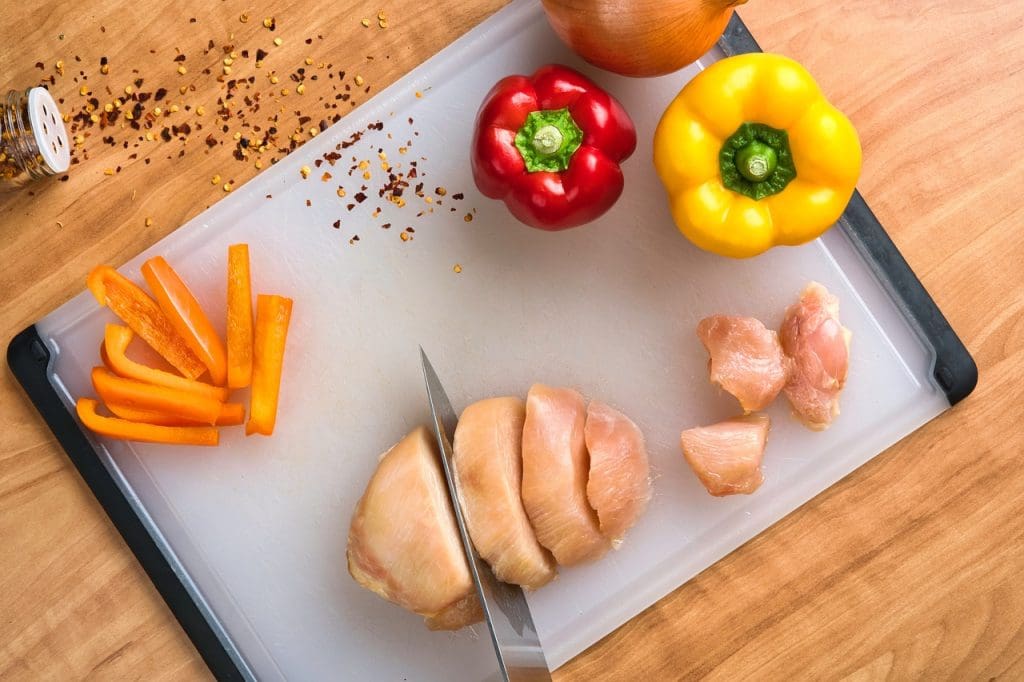
To streamline your meal prep process, consider prepping ingredients in advance. This includes chopping vegetables, marinating proteins, and pre-cooking staples like rice or quinoa. Prepping ingredients beforehand will save you time during the busy workweek and make assembling your meals much quicker and more efficient.
Batch cook staple items
Batch cooking staple items can be incredibly helpful when meal prepping. Cook larger quantities of grains, proteins, or sauces that you can use in multiple meals throughout the week. This saves time and ensures you always have the foundation of a meal ready to go.
Divide meals into individual portions
Dividing your meals into individual portions is a great technique for both portion control and convenience. Use portion-sized containers to separate each meal into its own container. This way, you can grab a pre-portioned meal and go, whether it’s for lunch at work or a quick dinner at home.
Storage and Food Safety
Choose suitable containers
When storing your meal prep, it’s important to choose suitable containers. Opt for containers that are leak-proof, microwave-safe, and can be easily stacked in your fridge or freezer. Glass containers are a popular choice as they are durable, non-toxic, and can be reheated without transferring harmful substances.
Label and date meals
To avoid confusion and ensure freshness, label and date each meal before storing it. Include the name of the dish and the date it was prepared. This will help you keep track of the meals in your fridge or freezer and ensure you consume them within a safe timeframe.
Follow proper food storage guidelines
To maintain the quality and safety of your meal prep, it’s essential to follow proper food storage guidelines. Keep perishable foods, such as meats and dairy products, refrigerated at or below 40°F (4°C). Freeze meals that won’t be consumed within a few days. Thaw frozen meals in the refrigerator before reheating or consuming.
Meal Prep Tools and Equipment
Invest in quality food storage containers
Investing in quality food storage containers is a worthwhile expense when meal prepping. Look for containers that are durable, BPA-free, and have tight-fitting lids. Having reliable containers will help preserve the freshness of your meals and make storing and reheating hassle-free.
Get a selection of meal prep tools
Having a selection of meal prep tools can make the process smoother and more efficient. Consider investing in tools like a good set of knives, cutting boards, mixing bowls, measuring cups, and kitchen utensils. These tools will make prepping ingredients and assembling meals easier and more enjoyable.
Consider using a meal prep bag or cooler
If you plan on taking your meal prepped dishes on the go, consider using a meal prep bag or cooler. These specifically designed bags or containers can help keep your meals at a safe temperature while you’re away from home. Look for ones with insulation and compartments to keep different components of your meals separate.
Time-Saving Tips
Plan for multiple meals using similar ingredients
To save time during your meal prep, plan for multiple meals that use similar ingredients. For example, if you’re cooking chicken breast for one meal, consider marinating extra chicken for another meal later in the week. This way, you can take advantage of already prepped ingredients and streamline your cooking process.
Use pre-cut or pre-washed produce
If time is limited, take advantage of pre-cut or pre-washed produce. Many grocery stores offer a variety of pre-cut fruits, vegetables, and salad greens that can be used in your meal prep. While these options may be slightly more expensive, they can significantly reduce prep time and make meal prepping more convenient.
Cook in bulk and freeze for later
Another time-saving tip is to cook in bulk and freeze portions for later. When you have some extra time, consider making large batches of soups, stews, or casseroles that freeze well. Portion them into individual containers and freeze for busy days when you don’t have time to cook from scratch.
Staying Organized
Create a meal prep schedule
To stay organized and ensure a successful meal prep, create a meal prep schedule. Set aside a specific day or time each week dedicated to planning, grocery shopping, and meal prepping. Having a designated schedule will help you stay on track and prevent you from scrambling at the last minute to prepare meals.
Keep track of meals and their nutritional value
To maintain a balanced and nutritious meal prep, keep track of the meals you’re preparing and their nutritional value. Record the recipes, portion sizes, and key nutritional information such as calories, protein, carbohydrates, and fats. This will ensure you’re meeting your nutritional goals and can make adjustments if needed.
Make adjustments as needed
As with any routine, it’s important to be flexible and make adjustments as needed. If you find that certain recipes aren’t to your liking or don’t align with your goals, don’t hesitate to switch them up. Similarly, if you’re finding it challenging to stick to your meal prep schedule, consider adjusting the timing or frequency to better suit your lifestyle.
In conclusion, planning a healthy and nutritious meal prep for the week requires setting goals, creating a meal planning template, considering dietary restrictions and preferences, choosing recipes that align with your goals, writing a grocery list, following grocery shopping tips, utilizing meal prepping techniques, ensuring storage and food safety, utilizing the right tools and equipment, implementing time-saving tips, staying organized, and making adjustments as needed. By following these steps and being mindful of your nutritional needs, you can successfully plan and execute a satisfying and nutritious meal prep for the week. Happy cooking!