
Are you currently on a calorie-restricted diet and struggling to find ways to stay satisfied? Look no further! In this article, we will explore the top strategies to keep you feeling full and satisfied while sticking to your weight loss goals. From incorporating high-fiber foods into your meals to practicing mindful eating, these simple yet effective tips will help you stay on track and feel great throughout your journey. Say goodbye to hunger pangs and hello to a healthier, more satisfied you!

Choose High-Fiber Foods
Include whole grains in your diet
Including whole grains in your diet is a great way to increase your fiber intake. Whole grains are packed with nutrients and are a healthier option compared to refined grains. Examples of whole grains include brown rice, quinoa, whole wheat bread, and oats. These grains are not only rich in fiber but also contain important vitamins and minerals that are essential for your overall health.
Eat plenty of fruits and vegetables
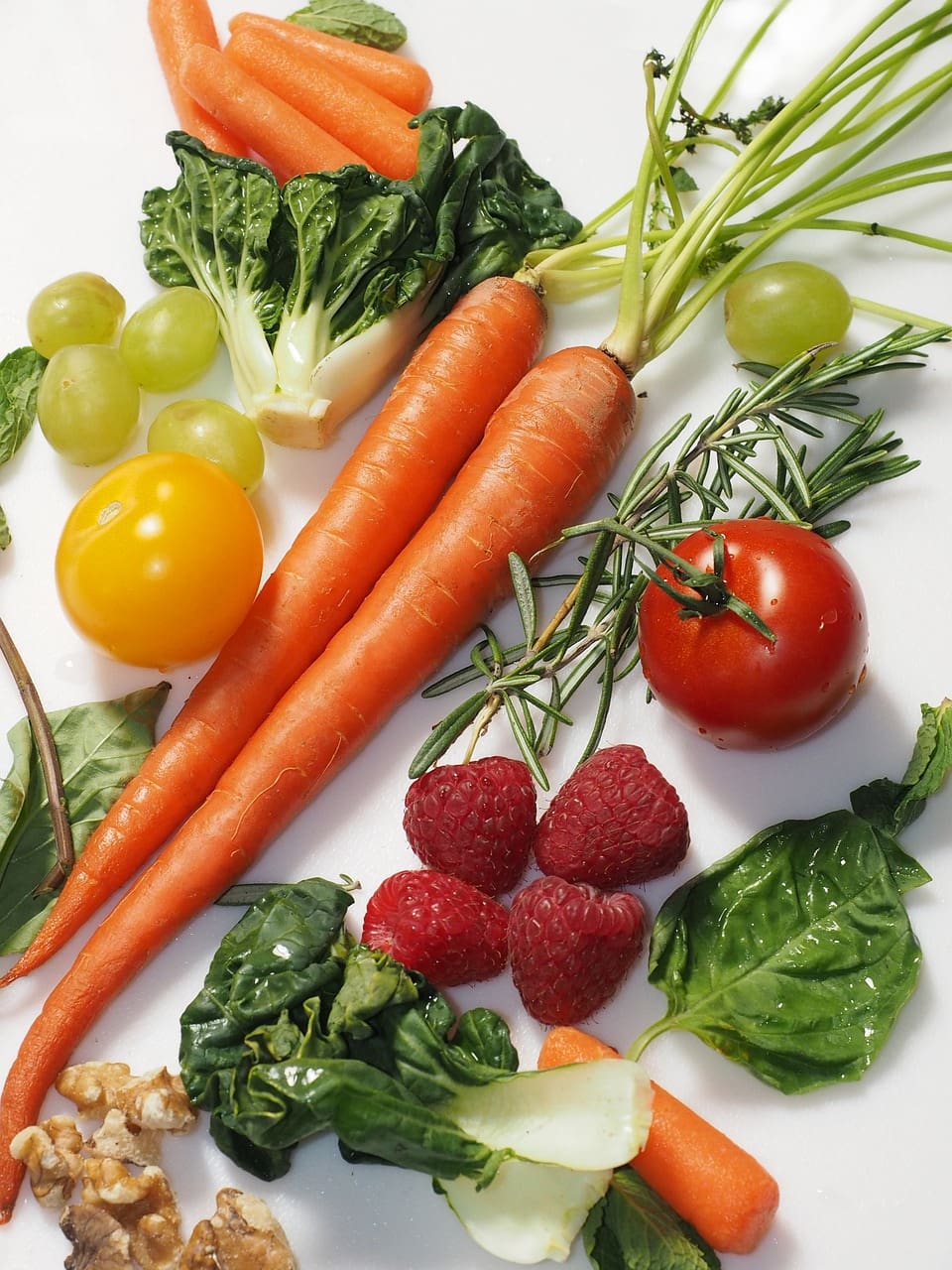
Fruits and vegetables are not only low in calories but also high in fiber. Adding a variety of fruits and vegetables to your meals will ensure that you receive an adequate amount of fiber in your diet. Incorporate colorful fruits like berries, apples, and oranges, as well as vegetables such as broccoli, spinach, and kale. These also provide essential vitamins, minerals, and antioxidants that support your immune system and overall wellbeing.
Opt for legumes and beans
Legumes and beans are excellent sources of fiber and protein, making them a great addition to a calorie-restricted diet. They are not only filling but also provide essential nutrients like iron, magnesium, and folate. Incorporate legumes and beans into your meals by making vegetable soups, stews, or salads. Examples include black beans, chickpeas, lentils, and kidney beans.
Incorporate nuts and seeds
Nuts and seeds are not only rich in fiber but also contain healthy fats that can help keep you satisfied on a calorie-restricted diet. Almonds, walnuts, chia seeds, and flaxseeds are packed with fiber and can be easily incorporated into your meals or used as a snack. Sprinkle them on top of salads, yogurt, or incorporate them into smoothies to add an extra dose of fiber to your diet.
Include Lean Protein Sources
Choose skinless poultry
Skinless poultry, such as chicken and turkey, is an excellent source of lean protein. This means that it contains less fat and calories compared to other cuts of meat. Including skinless poultry in your diet ensures that you get the essential amino acids needed for muscle repair and maintenance, without excess calories or fat. Grilled, roasted, or baked skinless poultry can be a delicious and satisfying addition to your meals.
Opt for lean cuts of meat
If you prefer red meat, opt for lean cuts such as sirloin, tenderloin, or lean ground beef. These cuts of meat have less fat and calories, making them a healthier choice for a calorie-restricted diet. Remember to trim any visible fat before cooking to further reduce the calorie content. Lean meats can be grilled, broiled, or stir-fried to add variety to your meals while keeping them healthy and satisfying.
Incorporate fish and seafood
Fish and seafood are not only a rich source of lean protein but also contain essential omega-3 fatty acids, which have numerous health benefits. Including fish such as salmon, tuna, or mackerel in your diet can help reduce inflammation, support heart health, and improve brain function. Try baking, grilling, or steaming fish to retain its nutritional value and enjoy a delicious, satisfying meal.
Include plant-based protein sources
Plant-based protein sources are a great option for those following a calorie-restricted diet. Foods like tofu, tempeh, lentils, and edamame are not only rich in protein but also provide fiber and other important nutrients. These can be incorporated into stir-fries, salads, or made into delicious plant-based burgers. Plant-based protein sources are not only good for your health but also for the environment.
Stay Hydrated
Drink an adequate amount of water
Staying hydrated is essential, especially when you are on a calorie-restricted diet. Drinking an adequate amount of water not only helps with digestion but also helps control hunger and cravings. Aim to drink at least 8 cups (64 ounces) of water a day, or more if you are physically active or live in a hot climate. Always keep a water bottle with you to make it easier to stay hydrated throughout the day.
Have herbal tea or infused water
If you want to add some flavor to your water, try herbal tea or infused water. Herbal teas are calorie-free and come in various flavors, such as mint, chamomile, or ginger. Infused water can be made by adding fruits, vegetables, or herbs to your water. This not only adds a burst of flavor but also provides additional vitamins and antioxidants. Experiment with different combinations to find your favorite flavors.
Include hydrating foods like cucumbers and watermelon
In addition to drinking water, you can also include hydrating foods in your diet to stay properly hydrated. Cucumbers, watermelon, and other watery fruits and vegetables have a high water content and can help quench your thirst. They also provide important vitamins and minerals, making them a healthy and satisfying addition to your meals or snacks. Try adding cucumber slices to your water or enjoying a slice of juicy watermelon for a refreshing treat.
Eat Mindfully
Pay attention to your hunger cues
Eating mindfully involves paying attention to your hunger cues and eating when you are truly hungry. Many times we eat out of habit or in response to emotions, rather than actual hunger. By tuning in to your body’s signals, you can eat when you need nourishment and stop when you are satisfied. This can prevent overeating and help you stay satisfied on a calorie-restricted diet.
Slow down and savor each bite
Eating slowly and savoring each bite can help you feel more satisfied and enjoy your meals. It takes time for your brain to register that you are full, so by slowing down, you give your body a chance to recognize satiety. Chew your food thoroughly, appreciate the flavors and textures, and take breaks between each bite. This mindful approach to eating can enhance your overall dining experience and prevent overeating.
Avoid distractions while eating
To eat mindfully, it’s important to avoid distractions while eating. This means turning off the TV, putting away your phone, and focusing solely on your meal. Paying attention to your food allows you to fully experience the tastes and textures, and can also help you recognize when you are satisfied. Distractions can lead to mindless eating, where you may consume more calories than you intended without even realizing it.
Practice portion control
Portion control is essential when following a calorie-restricted diet. Even if you are eating healthy foods, consuming too much of them can still hinder your weight loss goals. Use smaller plates and bowls to visually trick your mind into thinking you’re eating a larger portion. Measure your food and pay attention to serving sizes. By practicing portion control, you can enjoy a variety of foods while still maintaining a calorie deficit.

Include Healthy Fats
Incorporate avocado into your meals
Avocado is a versatile and nutritious fruit that is packed with healthy fats. Its creamy texture and rich taste make it a delicious addition to various meals. Spread mashed avocado on whole grain toast, add it to salads, or use it as a substitute for butter or mayo in recipes. Avocado not only adds flavor but also provides monounsaturated fats that can help keep you satisfied on a calorie-restricted diet.
Choose olive oil or coconut oil for cooking
When cooking, opt for healthier fats like olive oil or coconut oil instead of butter or vegetable oil. Olive oil is rich in monounsaturated fats and has been associated with numerous health benefits, including improved heart health and better weight management. Coconut oil contains medium-chain triglycerides that can increase feelings of fullness and boost metabolism. Use these oils in moderation to add flavor and healthy fats to your meals.
Include fatty fish for omega-3 fatty acids
Fatty fish like salmon, sardines, and trout are excellent sources of omega-3 fatty acids. These essential fats cannot be produced by the body and have been shown to have numerous health benefits, including reducing inflammation and improving brain function. Aim to include fatty fish in your diet at least twice a week to reap the benefits of omega-3 fatty acids. Grill or bake the fish for a delicious and satisfying meal.
Use Flavorful Herbs and Spices
Experiment with different herbs and spices
Adding herbs and spices to your meals can enhance their flavor and make them more satisfying without adding extra calories. Experiment with different herbs like basil, cilantro, or thyme, and spices such as cinnamon, cumin, or paprika. These can be added to various dishes, including soups, stews, marinades, or even desserts. Discovering new flavor combinations can make your meals more enjoyable and help you stick to your calorie-restricted diet.
Add fresh herbs to salads and dishes
Fresh herbs not only add an aromatic element to your meals but also a burst of freshness and flavor. Add chopped basil or mint to your salads, sprinkle parsley or cilantro on top of roasted vegetables, or garnish your main dishes with fresh dill or rosemary. Using fresh herbs can elevate the taste of your meals and make them more satisfying on a calorie-restricted diet.
Use spices to enhance the taste of your meals
Spices are a great way to add flavor to your meals without adding extra calories. Whether it’s a pinch of cinnamon in your morning oatmeal or a sprinkle of cayenne pepper on your grilled chicken, spices can elevate the taste of your dishes. Don’t be afraid to experiment with different spice combinations to create unique flavors that suit your preferences. By using spices, you can make your meals more enjoyable and satisfying on a calorie-restricted diet.
Plan and Prepare Meals in Advance
Create a meal plan for the week
Planning your meals in advance can help you stay on track with your calorie-restricted diet. Take some time at the beginning of the week to create a meal plan that includes a variety of high-fiber foods, lean proteins, and healthy fats. This will ensure that you have all the ingredients needed for your meals and can prevent impulsive, unhealthy food choices. Write down your meal plan and stick it on your fridge for easy reference.
Prep ingredients in advance
Meal preparation can save you time and ensure that healthy, satisfying meals are readily available. Spend some time each week prepping ingredients like chopping vegetables, marinating meats, or cooking grains in advance. This can make it easier to assemble meals throughout the week and reduce the temptation to rely on unhealthy, convenience foods.
Cook in bulk and freeze leftovers
Cooking in bulk and freezing leftovers is a great way to save time and ensure that you always have a healthy meal option available. Prepare large batches of soups, stews, or casseroles and portion them into individual servings before freezing. This allows you to simply thaw and heat up a nutritious meal whenever you need it, preventing the temptation to opt for less healthy choices.
Find Healthy Substitutes
Replace high-calorie condiments with healthier options
Condiments like mayonnaise, ketchup, or salad dressings can add unnecessary calories to your meals. Instead, opt for healthier alternatives like Greek yogurt, mustard, or homemade dressings using olive oil and vinegar. These substitutions can still add flavor to your meals without the excess calories.
Choose low-calorie sweeteners or natural alternatives
If you have a sweet tooth, opt for low-calorie sweeteners like stevia or monk fruit. These alternatives can provide sweetness without the extra calories and can be used in baking or adding to beverages. Alternatively, you can choose natural sweeteners like honey or maple syrup in moderation.
Discover low-calorie versions of favorite foods
Do you have favorite foods that are high in calories? Look for low-calorie versions or healthier alternatives. For example, if you love pizza, try making a homemade version with a whole wheat crust, low-fat cheese, and lots of veggies. If you enjoy ice cream, try opting for frozen yogurt or making your own using frozen fruits and Greek yogurt. Finding healthier substitutes for your favorite foods can make it easier to stick to your calorie-restricted diet and still enjoy the flavors you love.
Include Regular Physical Activity
Engage in cardiovascular exercises
Regular physical activity is important for overall health and can aid in weight loss and weight maintenance. Engaging in cardiovascular exercises like walking, jogging, cycling, or swimming can help burn calories and improve cardiovascular fitness. Aim for at least 150 minutes of moderate-intensity exercise or 75 minutes of vigorous-intensity exercise per week, as recommended by the American Heart Association.
Incorporate strength training
Strength training is an essential component of a well-rounded fitness routine. It helps build lean muscle mass, which can increase your metabolism and help burn more calories even at rest. Include exercises that target major muscle groups, such as squats, lunges, push-ups, and bicep curls. Aim for two to three sessions of strength training per week, allowing at least one day of rest between sessions.
Find activities you enjoy to stay motivated
Staying active becomes much easier when you find activities that you enjoy. Whether it’s dancing, hiking, playing a sport, or taking a group fitness class, find something that brings you joy and makes you excited to move. Mixing up your workouts can prevent boredom and help you stay motivated on your calorie-restricted diet. Remember to listen to your body and choose activities that suit your fitness level and preferences.
Practice Self-Care and Manage Stress
Get enough sleep
Getting enough quality sleep is crucial for overall health and weight management. Lack of sleep can disrupt your hunger and fullness hormones, leading to increased appetite and cravings. Aim for seven to nine hours of uninterrupted sleep per night. Establish a regular sleep routine, create a comfortable sleep environment, and limit caffeine and electronics before bedtime.
Manage stress through relaxation techniques
Stress can often lead to emotional eating or cravings for unhealthy foods. Finding healthy ways to manage stress is important for overall wellbeing. Engage in relaxation techniques such as deep breathing exercises, meditation, yoga, or taking a warm bath. These activities can help reduce stress levels and prevent emotional eating.
Engage in activities that bring you joy
Taking care of your mental and emotional wellbeing is just as important as taking care of your physical health. Engage in activities that bring you joy and help you relax, such as spending time with loved ones, practicing hobbies, or pursuing creative outlets. Taking time for yourself and doing things that make you happy can reduce stress levels and increase overall satisfaction, aiding in your calorie-restricted diet journey.
By following these tips and incorporating these habits into your daily routine, you can stay satisfied on a calorie-restricted diet. Remember that healthy eating and regular physical activity are not only important for weight management, but also for overall health and wellbeing. Stay committed, be mindful of your choices, and focus on creating a sustainable lifestyle that supports your goals and brings you joy.