
Hey there! In today’s fast-paced world, it can be challenging to prioritize your health while juggling a hectic schedule. However, maintaining a healthy and balanced diet is essential for your overall well-being. In this article, we will explore some top ways to help you stay on track with your diet, even when you’re short on time. From meal prepping to mindful snacking, these tips will empower you to make healthy choices and nourish your body despite a busy lifestyle. Let’s dive in and discover how you can effortlessly maintain a healthy and balanced diet while managing your busy schedule. Have you ever felt overwhelmed trying to balance a hectic schedule while also maintaining a healthy and balanced diet? It can be challenging to juggle work, family, social life, and self-care all at once. But fear not, because in this article, we will discuss the top ways you can stay on track with your nutrition goals even when life gets busy. From meal prepping tips to healthy snack ideas, we’ve got you covered. So grab a cup of tea, sit back, and let’s dive into some practical strategies for healthy eating on the go.
Prioritize Planning and Preparation
When life gets busy, it’s easy to prioritize convenience over nutrition. But with a little bit of planning and preparation, you can set yourself up for success when it comes to eating healthy on the go. Taking the time to plan your meals and snacks ahead of time can help you avoid making impulsive choices that may not align with your health goals.
Create a Weekly Meal Plan
One of the best ways to ensure you’re eating a balanced diet throughout the week is to create a meal plan. Sit down at the beginning of each week and map out what you’ll eat for breakfast, lunch, dinner, and snacks. Consider factors like your schedule, any social events or work meetings, and what ingredients you already have on hand. This can help you make a grocery list and streamline your shopping trips, saving you both time and money in the long run.
Prep Ingredients in Advance
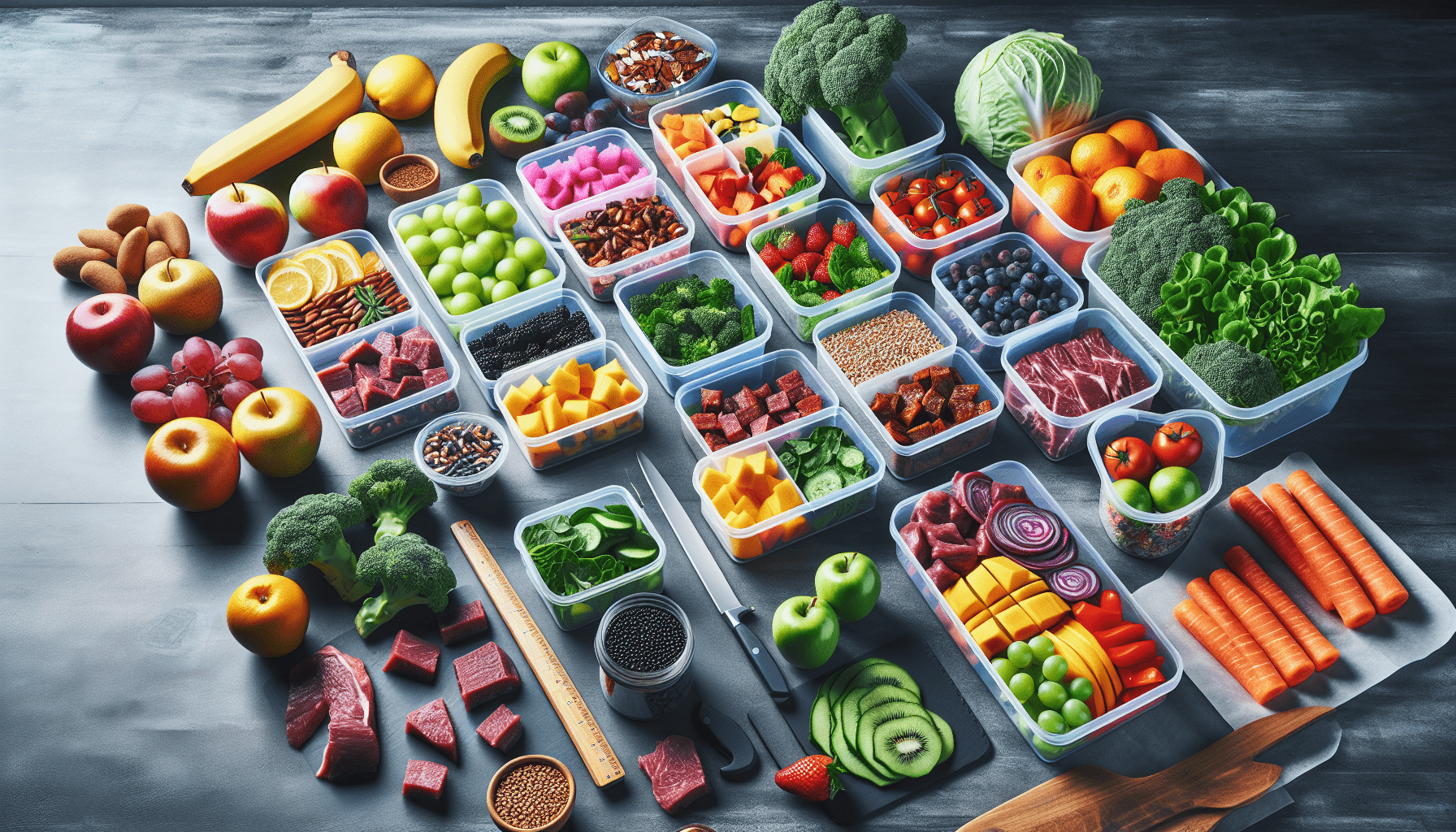
To make meal prep a breeze, consider chopping vegetables, marinating proteins, or cooking grains in advance. This can cut down on cooking time during the week and make it easier for you to throw together a quick and healthy meal when you’re short on time. Investing in storage containers and labeling them with the date and contents can also help you stay organized and keep track of what you have on hand.
Choose Nutrient-Dense Foods
When you’re on the go, it’s important to make every bite count. Choosing nutrient-dense foods can help you fuel your body with the vitamins and minerals it needs to function at its best, even when you’re pressed for time. Focus on incorporating a variety of colorful fruits and vegetables, lean proteins, whole grains, and healthy fats into your meals and snacks.
Fill Half Your Plate with Fruits and Vegetables
A simple way to boost your nutrient intake is to fill half your plate with fruits and vegetables at each meal. These colorful foods are packed with vitamins, minerals, and antioxidants that can help protect your cells from damage and reduce your risk of chronic diseases. Aim to eat a rainbow of fruits and vegetables throughout the week to ensure you’re getting a wide range of nutrients.
Include Lean Proteins in Every Meal
Protein is an essential nutrient that plays a key role in building and repairing tissues, supporting immune function, and satiating hunger. Including lean proteins like chicken, fish, tofu, beans, and lentils in every meal can help you feel full and satisfied, as well as stabilize your blood sugar levels. Be sure to vary your protein sources to ensure you’re getting a complete range of amino acids.
Opt for Whole Grains over Refined Carbs
Whole grains like brown rice, quinoa, oats, and whole-wheat bread are rich in fiber, vitamins, and minerals, unlike refined carbohydrates like white bread, pasta, and rice. Choosing whole grains over refined carbs can help you feel fuller longer, regulate your digestion, and provide a steady source of energy throughout the day. Consider swapping out processed snacks for whole grain options like air-popped popcorn, whole grain crackers, or homemade granola.
Stay Hydrated Throughout the Day
Staying hydrated is key to maintaining a healthy and balanced diet, as water is essential for digestion, nutrient absorption, and overall health. Dehydration can lead to fatigue, headaches, and poor concentration, so it’s important to drink an adequate amount of water throughout the day. While individual needs vary, a good rule of thumb is to aim for at least 8-10 cups (64-80 ounces) of water per day, or more if you’re physically active or live in a hot climate.
Carry a Reusable Water Bottle
To stay on top of your hydration goals, consider carrying a reusable water bottle with you wherever you go. This can serve as a visual reminder to drink water throughout the day and make it easy for you to stay hydrated no matter where you are. You can also infuse your water with fresh fruit, herbs, or citrus slices to add flavor and encourage you to drink more.
Monitor Your Urine Color
One simple way to gauge your hydration status is to monitor the color of your urine. Pale yellow to clear urine indicates that you’re adequately hydrated, while dark yellow urine may indicate that you need to drink more water. Keep an eye on your urine color throughout the day to ensure you’re staying properly hydrated, especially during periods of increased activity or stress.
Practice Mindful Eating
In our fast-paced world, it’s easy to rush through meals without really paying attention to what and how much we’re eating. But practicing mindful eating can help you tune into your body’s hunger and fullness cues, as well as savor the flavors and textures of your food. This can lead to better digestion, improved satisfaction, and a greater appreciation for the food you eat.
Slow Down and Chew Your Food
Take the time to slow down and chew your food thoroughly during meals. Chewing your food well can aid in digestion, reduce bloating, and help you feel more satisfied with your meals. Aim to take small bites, put your fork down between bites, and savor the flavors of each dish. This can help you feel more present and mindful during your meals, as well as prevent overeating.
Listen to Your Hunger and Fullness Cues
Pay attention to your body’s hunger and fullness cues throughout the day. Eat when you’re hungry and stop when you’re satisfied, rather than relying on external cues like the time of day or portion sizes. Mindful eating can help you develop a healthier relationship with food, improve your digestion, and prevent mindless snacking or emotional eating. Tune into your body’s signals to determine when, what, and how much to eat at each meal.
Stock Up on Healthy Snacks
Having healthy snacks on hand can help you curb cravings, keep your energy levels stable, and make healthier choices when hunger strikes. Instead of reaching for sugary or processed snacks, consider stocking up on whole food options that provide a mix of protein, fiber, and healthy fats to keep you satisfied between meals.
Pack Portable Snacks for On-the-Go
When you’re out and about, having portable snacks on hand can save you from making impulsive choices at convenience stores or vending machines. Consider packing snacks like nuts, seeds, nut butter packets, dried fruit, granola bars, or fresh fruit that you can easily grab and go. Keep a stash of snacks in your purse, car, or desk drawer so you’re always prepared when hunger strikes.
Prepare Snack Boxes for Balanced Nutrition
To ensure you’re getting a mix of nutrients in your snacks, consider preparing snack boxes filled with a variety of foods like sliced veggies, hummus, whole grain crackers, cheese, and grapes. These snack boxes can be customized to your preferences and dietary needs and can help you avoid mindless munching on less nutritious options. Experiment with different combinations to keep your snacks interesting and satisfying.
Modify Your Eating Habits When Dining Out
Eating out at restaurants or grabbing takeout can be a convenient option when you’re short on time, but it can also derail your healthy eating goals if you’re not mindful of your choices. By making a few modifications to your eating habits when dining out, you can still enjoy delicious meals without sacrificing your nutrition goals.
Scan Menus for Healthier Options
When dining out, take a few minutes to scan the menu for healthier options that align with your dietary preferences. Look for dishes that are grilled, steamed, or roasted rather than fried, and ask for dressings and sauces on the side to control portions. Consider swapping out sides like fries or chips for vegetables or a salad to add more fiber and nutrients to your meal.
Practice Portion Control
Restaurant portions are often much larger than what you would eat at home, making it easy to overeat without realizing it. To practice portion control when dining out, consider sharing an entree with a friend, asking for a to-go box to save half your meal for later, or ordering an appetizer as your main course. Listen to your body’s hunger cues and stop eating when you’re comfortably satisfied, rather than when your plate is empty.
Seek Support and Accountability
Maintaining a healthy and balanced diet while managing a busy schedule can be challenging, but you don’t have to go it alone. Seeking support and accountability from friends, family, or a health professional can help you stay motivated, overcome obstacles, and make lasting changes to your eating habits.
Find a Healthy Eating Buddy
Having a friend or family member who shares your nutrition goals can provide you with support and encouragement on your healthy eating journey. Consider partnering up with a healthy eating buddy to swap recipes, meal prep together, or go grocery shopping as a team. Having someone to share your successes and challenges with can make healthy eating feel more enjoyable and sustainable in the long run.
Join a Nutrition Program or Support Group
If you’re looking for more structured support and guidance on your nutrition goals, consider joining a nutrition program or support group in your community or online. These programs can provide you with education, resources, and accountability to help you make healthier choices and stay on track with your goals. Look for programs that align with your dietary preferences and lifestyle to ensure you get the support you need.
Listen to Your Body and Adapt as Needed
Lastly, remember that everyone’s nutrition needs are unique, and what works for one person may not work for another. Listen to your body’s cues, pay attention to how different foods make you feel, and adapt your eating habits as needed to support your health and well-being. Be kind to yourself, embrace flexibility, and make changes that feel sustainable and nourishing for you in the long term.
In conclusion, maintaining a healthy and balanced diet while managing a busy schedule is possible with a little bit of planning, preparation, and mindfulness. By prioritizing nutrient-dense foods, staying hydrated, practicing mindful eating, stocking up on healthy snacks, modifying your eating habits when dining out, seeking support, and listening to your body’s needs, you can fuel your body with the nutrients it needs to thrive, even on the busiest of days. Remember that progress, not perfection, is key, and that small, consistent changes over time can lead to lasting improvements in your health and well-being. So take a deep breath, commit to nourishing your body with love and care, and enjoy the journey to a healthier, happier you. Cheers to a balanced diet and a balanced life!