
Welcome to an article that will provide you with the top ways to lower your risk of breast cancer. By incorporating these simple tips and habits into your daily routine, you can take proactive steps towards maintaining your breast health and reducing your risk of developing this disease. From maintaining a healthy diet and staying physically active to monitoring your alcohol consumption and staying up to date with screenings, this article will guide you on the path to better breast health. Let’s empower ourselves with knowledge and make proactive choices to lower our risk of breast cancer. Have you ever wondered about ways you can lower your risk of breast cancer? As a woman, it’s important to take proactive steps to protect your health and reduce your chances of developing this common and potentially life-threatening disease. Here, we’ll discuss some of the top ways you can decrease your risk of breast cancer and prioritize your well-being. Let’s explore these strategies together and empower you to make informed decisions about your health.
Understanding Your Risk Factors
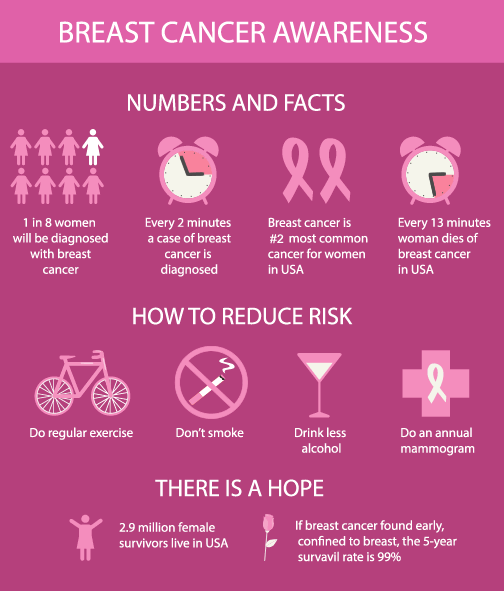
When it comes to breast cancer, understanding your personal risk factors is key. By knowing what factors may increase your likelihood of developing this disease, you can take targeted steps to reduce your risk. Factors such as genetics, family history, lifestyle choices, and environmental exposures can all play a role in your breast cancer risk.
One of the most well-known genetic risk factors for breast cancer is the presence of mutations in the BRCA1 and BRCA2 genes. If you have a family history of breast or ovarian cancer, especially in close relatives like your mother, sisters, or daughters, you may be at higher risk due to genetic factors.
Take a close look at your family history:
Your family history can give you valuable insights into your breast cancer risk. If you have relatives who have been diagnosed with breast or ovarian cancer, especially at a young age, it’s important to discuss this with your healthcare provider. They may recommend genetic testing or suggest more frequent screenings to monitor your health.
Maintaining a Healthy Weight
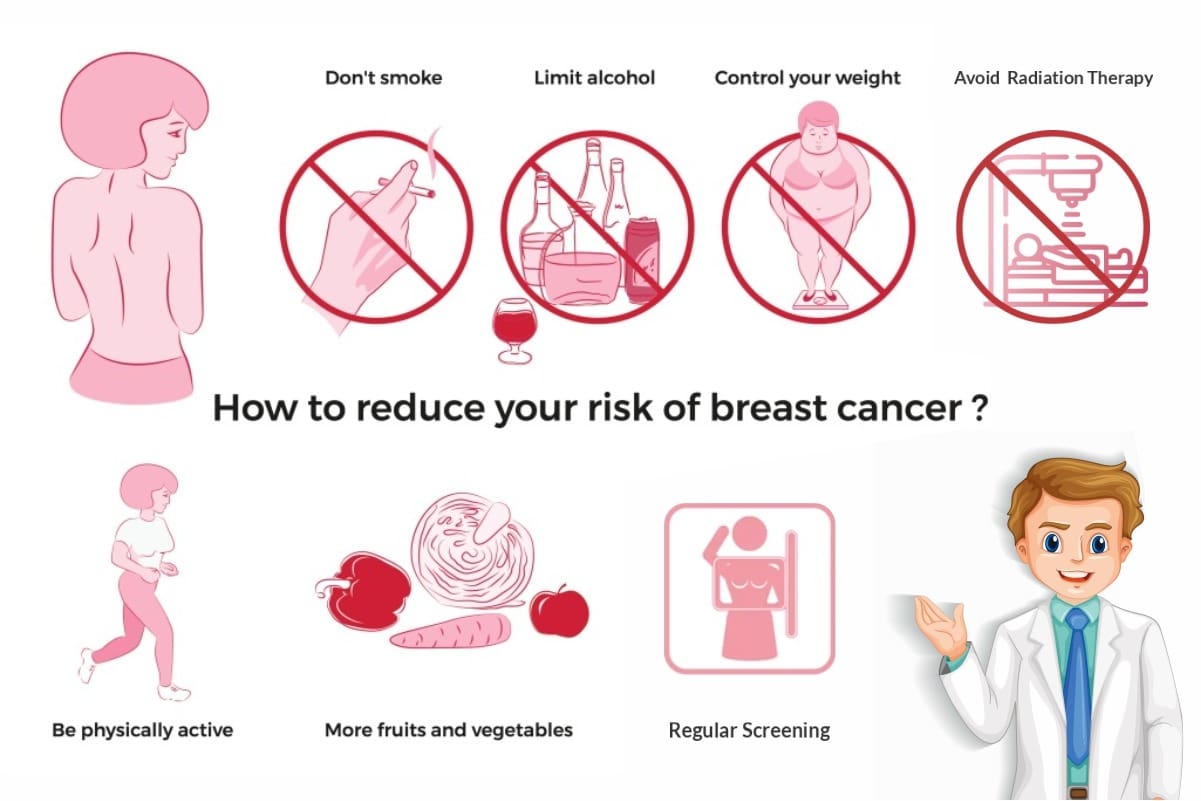
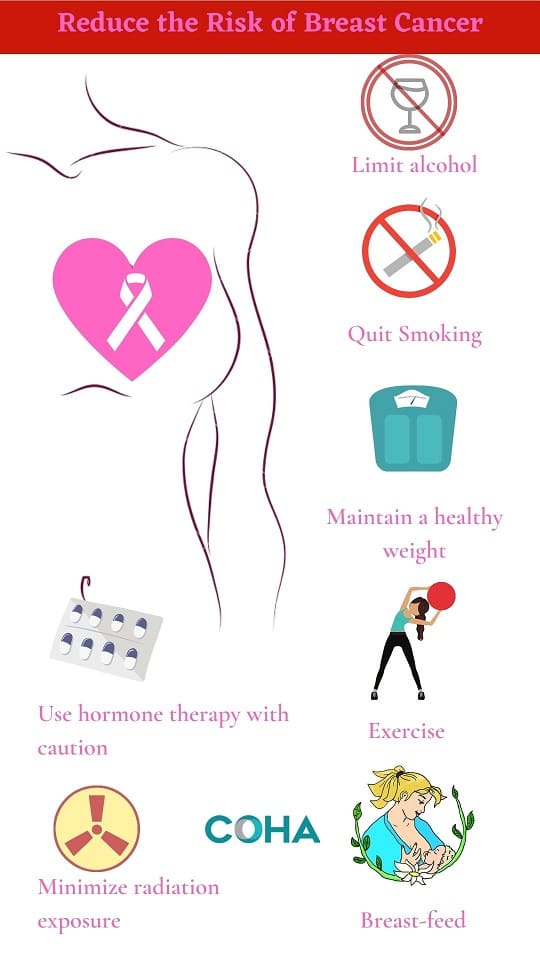
Maintaining a healthy weight is crucial for overall health and can also play a role in reducing your risk of breast cancer. Studies have shown that women who are overweight or obese may have a higher risk of developing breast cancer, particularly after menopause. Excess body fat can increase levels of estrogen in the body, which is a hormone linked to the development of breast cancer.
Focus on a balanced diet and regular exercise:
By focusing on a balanced diet rich in fruits, vegetables, whole grains, and lean proteins, you can support a healthy weight and reduce your risk of breast cancer. In addition, regular physical activity can help you maintain a healthy weight and lower levels of estrogen in your body, further decreasing your risk.
Limiting Alcohol Consumption
Excessive alcohol consumption has been linked to an increased risk of breast cancer, so it’s important to be mindful of your alcohol intake. Studies have shown that women who drink more than one alcoholic beverage per day may have a higher risk of developing breast cancer compared to those who abstain or drink in moderation.
Drink alcohol in moderation:
If you choose to drink alcohol, it’s important to do so in moderation. Try to limit your alcohol consumption to no more than one drink per day, and consider alternatives like mocktails or non-alcoholic beverages to reduce your overall intake.
Avoiding Tobacco Use
Smoking has been associated with an increased risk of various types of cancer, including breast cancer. The harmful chemicals in tobacco smoke can damage DNA and increase inflammation in the body, both of which can contribute to the development of cancerous cells.
Quit smoking or avoid secondhand smoke:
If you currently smoke, taking steps to quit can have profound benefits for your overall health, including reducing your risk of breast cancer. Additionally, avoiding exposure to secondhand smoke can also help protect you from harmful toxins that can increase your risk of cancer.
Prioritizing Breast Health Screenings
Regular breast health screenings, such as mammograms and clinical breast exams, are essential for early detection and treatment of breast cancer. By prioritizing these screenings, you can detect any abnormalities in your breast tissue early on, when treatment options are likely to be more successful.
Schedule routine screenings with your healthcare provider:
Be proactive about scheduling your mammograms and clinical breast exams as recommended by your healthcare provider. Regular screenings can help detect any changes in your breast tissue, such as lumps or abnormalities, that may warrant further investigation.
Being Mindful of Hormone Therapy
Hormone replacement therapy (HRT) and hormonal contraceptives have been linked to an increased risk of breast cancer in some women. If you’re considering using hormone therapy for menopausal symptoms or birth control, it’s important to discuss the potential risks and benefits with your healthcare provider.
Discuss alternatives with your healthcare provider:
If you have concerns about the potential risks of hormone therapy for breast cancer, talk to your healthcare provider about alternative treatment options. They can help you explore non-hormonal therapies or contraceptive methods that may be safer for your breast health.
Engaging in Breast Cancer Awareness and Research
Staying informed about the latest developments in breast cancer research and advocacy can empower you to take control of your health and support initiatives that advance the prevention and treatment of this disease. By engaging in breast cancer awareness activities and supporting research efforts, you can make a positive impact on the lives of women everywhere.
Educate yourself and others:
Take the time to educate yourself about breast cancer risk factors, symptoms, and prevention strategies, and share this information with your friends and loved ones. By raising awareness and advocating for improved access to screening and treatment options, you can help reduce the burden of breast cancer on individuals and communities.
In conclusion, reducing your risk of breast cancer involves a combination of lifestyle choices, proactive healthcare measures, and informed decision-making. By understanding your risk factors, maintaining a healthy weight, limiting alcohol consumption, avoiding tobacco use, prioritizing breast health screenings, being mindful of hormone therapy, and engaging in breast cancer awareness and research, you can take proactive steps to protect your health and well-being. Remember, your health is in your hands, and by prioritizing preventive care and healthy habits, you can lower your risk of breast cancer and encourage others to do the same. Stay informed, stay proactive, and stay empowered on your journey to optimal breast health.