
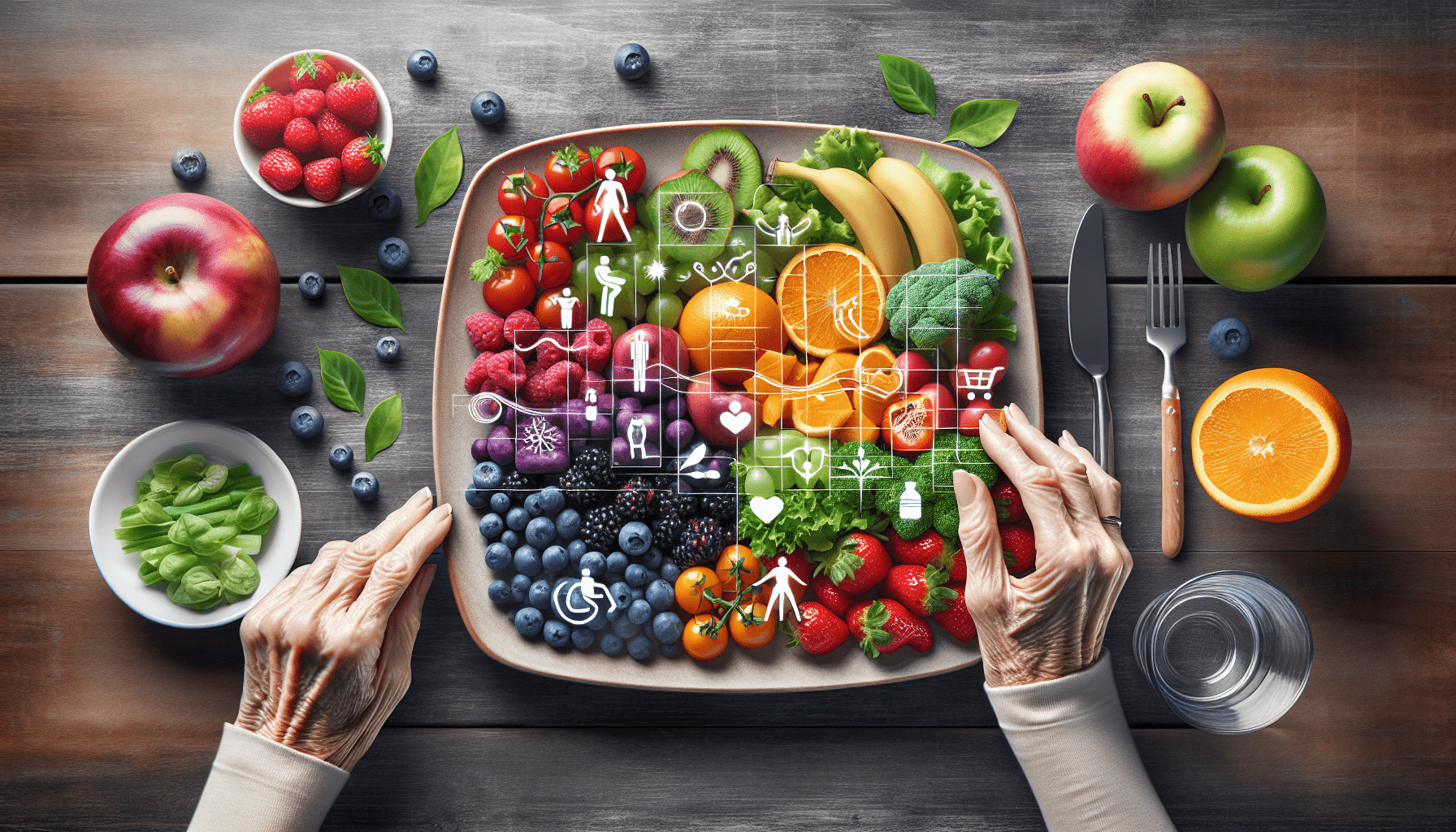
As you age, it becomes increasingly important to prioritize your health and well-being by maintaining a healthy and balanced diet. By making conscious choices and incorporating certain habits into your daily routine, you can ensure that you are fueling your body with the nutrients it needs to thrive. From incorporating more fruits and vegetables into your meals, to staying hydrated, to choosing lean proteins, this article will provide you with the top ways to maintain a healthy and balanced diet as you age. So get ready to embrace a healthier lifestyle and feel your best as you navigate through the journey of aging.
Eat a Variety of Nutrient-Rich Foods
Eating a variety of nutrient-rich foods is essential for maintaining a healthy and balanced diet as you age. Including a wide range of fruits and vegetables in your daily meals is a great way to nourish your body with essential vitamins, minerals, and fiber. Aim to have at least five servings of fruits and vegetables each day, and choose a variety of colors to ensure you’re getting a wide range of nutrients.
When it comes to grains, opt for whole grains over refined grains. Whole grains, such as whole wheat bread, brown rice, and oats, are higher in fiber and contain more nutrients compared to refined grains, which have had the bran and germ removed. Whole grains not only provide sustained energy but also support digestive health and lower the risk of chronic diseases.
Incorporating lean proteins into your meals is another important aspect of a balanced diet. Lean proteins, such as skinless poultry, fish, beans, and tofu, are low in saturated fat and provide essential amino acids for muscle maintenance and repair. Including a variety of lean proteins in your diet helps promote satiety and supports overall health.
Don’t forget to include dairy or dairy alternatives in your diet. Dairy products, such as milk, yogurt, and cheese, provide calcium, protein, and other essential nutrients. If you’re lactose intolerant or prefer non-dairy options, there are plenty of alternatives available, such as almond milk, soy milk, and fortified plant-based yogurts.
Lastly, add healthy fats to your meals. Healthy fats, such as those found in avocados, nuts, seeds, and olive oil, are important for brain function, hormone production, and nutrient absorption. Including these fats in moderation can help you feel satisfied after meals and support a healthy heart.
Stay Hydrated
Staying hydrated is crucial for maintaining overall health, especially as you age. A well-hydrated body functions more efficiently and supports vital bodily processes. It is recommended to drink plenty of water throughout the day, aiming for at least eight glasses (64 ounces) of water daily. Make it a habit to carry a water bottle with you wherever you go to ensure you can easily quench your thirst.
In addition to drinking water, you can also include hydrating foods in your diet. Fruits and vegetables with high water content, such as watermelon, cucumbers, and oranges, can help keep you hydrated. These foods not only provide essential vitamins and minerals but also contribute to your overall fluid intake.
Monitor Portion Sizes
Being mindful of portion sizes is essential for maintaining a healthy weight and ensuring you’re getting the right amount of nutrients. It’s easy to overeat, especially when dining out or consuming pre-packaged meals that often contain larger portions than what our bodies actually need.
One way to control portion sizes is to use smaller plates and bowls. Research has shown that using smaller dishware can trick your mind into thinking you’re eating more than you actually are. By reducing the size of your plates and bowls, you can help control your portion sizes and prevent overeating.
Avoid super-sized meals and opt for smaller, more frequent meals throughout the day. This approach can help prevent extreme hunger and reduce the likelihood of overeating. Remember to listen to your body’s hunger and fullness cues and stop eating when you feel satisfied, rather than waiting until you feel overly full.
Limit Added Sugars and Salt
Limiting your intake of added sugars and salt is crucial for maintaining a healthy and balanced diet as you age. Consuming excessive amounts of added sugars has been linked to an increased risk of obesity, type 2 diabetes, and heart disease. Similarly, a high intake of salt can contribute to high blood pressure and an increased risk of stroke and heart disease.
Reading food labels for hidden sugars is important to make informed choices. Added sugars can hide in various forms, such as corn syrup, dextrose, and sucrose. Be aware of these terms when scanning the ingredient list and try to choose products with little or no added sugars. Additionally, be mindful of sugary drinks, such as soda and fruit juices, as they can contribute a significant amount of added sugars to your diet.
Instead of relying on excessive salt to add flavor to your meals, consider using herbs and spices. Not only do they add delicious flavors, but many herbs and spices also offer additional health benefits. Experiment with different combinations to enhance the taste of your dishes without relying on excessive salt.
Avoiding processed and packaged foods is another way to limit your intake of added sugars and salt. Processed foods often contain high amounts of added sugars, salt, and unhealthy fats. Opt for whole foods and prepare your meals from scratch as much as possible. You’ll have more control over the ingredients and can ensure you’re making healthier choices.
It’s also important to limit your intake of salty snacks and condiments. These include items such as potato chips, pretzels, and pickles. Try healthier alternatives, like unsalted nuts or seeds, fresh vegetables with hummus, or homemade salsa.
Control Your Intake of Saturated and Trans Fats
Controlling your intake of saturated and trans fats is crucial for maintaining heart health and reducing the risk of chronic diseases. Saturated fats, found mainly in animal sources like fatty meats and full-fat dairy products, can raise your cholesterol levels and increase the risk of heart disease. Trans fats, primarily found in processed foods and partially hydrogenated oils, are even more harmful and should be avoided altogether.
Choose foods low in saturated and trans fats to protect your heart. Opt for lean cuts of meat, skinless poultry, and low-fat or fat-free dairy products. When cooking, opt for healthier methods such as grilling, baking, or steaming instead of frying or deep-frying. By choosing these healthier cooking methods, you can reduce the amount of unhealthy fats in your meals.
Replace saturated fats with healthier alternatives. Instead of butter or lard, use olive oil or avocado oil for cooking and baking. These plant-based oils provide monounsaturated fats that can support heart health. Additionally, incorporate more fatty fish into your diet, such as salmon or mackerel, as they are rich in omega-3 fatty acids, which have numerous health benefits.
Fried and deep-fried foods should be limited as they are often high in unhealthy fats and can contribute to weight gain and other health issues. Instead of reaching for the deep fryer, try baking or air-frying your favorite foods to achieve a crispy texture without the excessive oil.
Choose Nutrient-Dense Snacks
Opting for nutrient-dense snacks is a great way to satisfy your hunger between meals while providing your body with essential nutrients. Snacking on nutrient-dense foods helps keep your energy levels stable and supports overall health and well-being.
Fruits and vegetables make excellent snack choices. They are low in calories and packed with vitamins, minerals, and fiber. Keep a bowl of fresh fruits on your counter or have pre-cut vegetables readily available in your fridge for convenient snacking options.
Including protein-rich snacks can also help keep you full for longer. Nuts and seeds, such as almonds, walnuts, or pumpkin seeds, are great sources of protein, healthy fats, and fiber. Greek yogurt, cottage cheese, or hard-boiled eggs are also excellent protein-rich snacks.
Choosing whole grain snacks over refined options provides more fiber, which aids digestion and provides a feeling of fullness. Opt for whole grain crackers, popcorn, or homemade granola bars to satisfy your snack cravings while providing your body with important nutrients.
On the other hand, avoid sugary and salty snacks as they often provide empty calories and little nutritional value. Processed snacks like cookies, chips, and candy bars can lead to blood sugar spikes and crashes, leaving you feeling lethargic and unsatisfied.
Maintain a Regular Meal Schedule
Maintaining a regular meal schedule is essential for supporting your overall health and ensuring you’re getting a balanced intake of nutrients throughout the day. Eating meals at consistent times helps regulate your body’s internal clock and aids digestion.
Avoid skipping meals, especially breakfast, as it kickstarts your metabolism and provides you with the energy you need to start your day. Plan your meals ahead of time and make sure to include a combination of carbohydrates, proteins, and healthy fats for a well-rounded and satisfying meal.
By sticking to a regular meal schedule, you can avoid extreme hunger and prevent overeating or snacking on unhealthy foods. If you’re pressed for time, consider meal prepping on the weekends to have nutritious and convenient meals ready to go throughout the week.
Listen to Your Body’s Hunger and Fullness Cues
Listening to your body’s hunger and fullness cues is an essential skill to develop for maintaining a healthy and balanced diet as you age. It’s important to eat when you’re hungry and stop when you’re full, rather than relying on external cues or emotional factors.
Avoid emotional eating, which often leads to mindless snacking or overeating. Instead, practice mindful eating by paying attention to the sensations of hunger and fullness. Take the time to savor and enjoy your meals, and eat slowly to allow your body to recognize when it’s had enough.
Tuning in to your body’s signals will help you develop a healthier relationship with food and prevent overeating, which can lead to weight gain and other health issues. Stay present and mindful during meal times, focusing on the flavors and textures of your food, and enjoy the experience of nourishing your body.
Stay Active
Staying active is key to maintaining overall health and well-being as you age. Regular physical activity not only helps to maintain a healthy weight but also strengthens muscles, improves cardiovascular health, and supports mental well-being.
Engage in regular physical activity by incorporating a variety of exercises into your routine. Aim for a mix of cardiovascular exercises, strength training, and flexibility exercises. This can include activities such as brisk walking, swimming, yoga, or dancing. Choose activities that you enjoy and that match your fitness level to increase the likelihood of sticking with them.
In addition to dedicated exercise sessions, try to stay physically active throughout the day. Take the stairs instead of the elevator, walk or bike to nearby destinations, or participate in activities that require movement, such as gardening or playing with grandchildren. Every bit of movement counts and contributes to your overall health and fitness.
Consult with a Registered Dietitian or Nutritionist
If you have specific dietary concerns or restrictions, or if you simply want personalized guidance for maintaining a healthy and balanced diet, it’s advisable to consult with a registered dietitian or nutritionist. These professionals have the expertise to provide tailored dietary recommendations and help you navigate any challenges you may face.
Seeking professional guidance can help you address any nutrient deficiencies, manage chronic conditions, and optimize your overall well-being. A registered dietitian or nutritionist will work with you to assess your individual needs, goals, and preferences to create a customized plan that suits your lifestyle.
Remember, maintaining a healthy and balanced diet is a lifelong journey. By incorporating these tips into your daily routine, you can support a healthy aging process and enjoy optimal health and vitality.