
Want to live a longer, healthier life? It turns out that the key to maximizing your longevity lies in the choices you make every day. From the foods you eat to the activities you engage in, each decision can have a significant impact on your overall well-being. By understanding and making conscious lifestyle choices, you have the power to extend your lifespan and enjoy a higher quality of life. In this article, we will explore some simple yet effective ways to enhance your longevity and embrace a vibrant and fulfilling existence. So, are you ready to explore the secrets of living a longer, more vibrant life? Let’s dive in!
Nutrition
Balanced Diet
A balanced diet is essential for maintaining good health and maximizing longevity. It involves consuming a variety of foods from different food groups to provide your body with the necessary nutrients it needs. This means including a mix of carbohydrates, proteins, fats, vitamins, and minerals in your daily meals. By doing so, you ensure that your body gets the energy it requires to function optimally.
Portion Control
Controlling portion sizes is an important aspect of maintaining a healthy diet. It’s easy to overeat when we’re not mindful of the amount of food we consume. By practicing portion control, you can prevent unnecessary weight gain and reduce the risk of developing chronic diseases such as diabetes and heart disease. One effective way to manage portion sizes is by using smaller plates and bowls to visually trick your brain into thinking you’re eating more than you actually are.
Plenty of Fruits and Vegetables
Including plenty of fruits and vegetables in your diet is crucial for maintaining good health. These nutrient-dense foods are rich in vitamins, minerals, and antioxidants, which help strengthen your immune system and protect against various diseases. Aim for at least five servings of fruits and vegetables per day to ensure you’re getting a wide range of nutrients that promote longevity.
Limited Processed Foods
Processed foods are often high in unhealthy additives, added sugars, and unhealthy fats. Consuming too many processed foods can contribute to weight gain, heart problems, and other health issues. To maximize your longevity, limit your intake of processed foods and opt for whole, unprocessed foods as much as possible. Fresh fruits and vegetables, lean proteins, whole grains, and legumes should form the foundation of your diet.
Adequate Hydration
Proper hydration is essential for maintaining overall health and maximizing longevity. Water plays a vital role in various bodily functions, including digestion, circulation, and temperature regulation. It’s important to drink enough water throughout the day to stay hydrated, as dehydration can lead to fatigue, headaches, and even more serious health problems. Aim to drink at least eight glasses of water per day, and more if you engage in rigorous physical activity or live in a hot climate.
Exercise
Regular Physical Activity
Engaging in regular physical activity is key to maximizing longevity. Regular exercise helps improve cardiovascular health, strengthen muscles and bones, and enhance overall well-being. Aim for at least 150 minutes of moderate-intensity aerobic activity or 75 minutes of vigorous-intensity aerobic activity per week. This can include activities such as brisk walking, cycling, swimming, or dancing. By making exercise a part of your routine, you’ll reap the benefits of improved fitness and a healthier body.
Strength Training
Incorporating strength training into your exercise routine is essential for maintaining muscle mass and bone density as you age. Strength training exercises, such as lifting weights or using resistance bands, help build and tone muscles, increase metabolism, and improve overall strength. Aim to include strength training activities at least two days a week, focusing on all major muscle groups.
Cardiovascular Exercises
Cardiovascular exercises are important for maintaining a healthy heart and improving cardiovascular fitness. Activities such as running, cycling, or swimming elevate your heart rate and help strengthen your heart and lungs. Aim for at least 150 minutes of moderate-intensity aerobic activity or 75 minutes of vigorous-intensity aerobic activity per week to maximize the longevity benefits of cardiovascular exercise.
Flexibility and Balance Training
Maintaining flexibility and balance becomes increasingly important as we age. Engaging in exercises that improve flexibility, such as yoga or stretching, can help prevent injuries and improve overall mobility. Additionally, balance training exercises, like tai chi or standing on one leg, can reduce the risk of falls and promote stability. Aim to incorporate flexibility and balance exercises into your routine at least two to three times a week.
Finding Enjoyable Activities
To maintain a consistent exercise routine, it’s important to find activities that you enjoy. Whether it’s playing a sport, dancing, hiking, or practicing martial arts, choosing activities that bring you joy will make it easier to stay motivated and committed to regular physical activity. By engaging in activities you love, you’ll not only maximize longevity but also have fun while doing so.

Maintaining a Healthy Weight
Calorie Control
Maintaining a healthy weight is crucial for maximizing longevity. Calorie control plays a significant role in weight management. Consuming more calories than your body needs can lead to weight gain and increase the risk of developing chronic diseases. On the other hand, consuming too few calories can deprive your body of essential nutrients and lead to muscle loss. Finding the right balance by consuming an appropriate number of calories for your age, gender, activity level, and health status is key to maintaining a healthy weight.
Body Mass Index (BMI) Management
Body Mass Index (BMI) is a measure of body fat based on height and weight. Maintaining a healthy BMI range (between 18.5 and 24.9) is associated with a reduced risk of various health problems. To manage your BMI, focus on maintaining a healthy weight through a combination of balanced diet and regular exercise. It’s important to note that while BMI provides a general guideline, it may not be accurate for everyone, especially those who have high muscle mass.
Weight Loss if Necessary
If you are overweight or obese, losing excess weight can have significant health benefits and positively impact your longevity. However, it’s essential to approach weight loss in a healthy and sustainable manner. Instead of resorting to fad diets or extreme measures, focus on gradual, realistic weight loss goals. Aim to lose 1-2 pounds per week through a combination of calorie control and increased physical activity. Remember, slow and steady progress is more likely to lead to long-term success.
Avoiding Yo-Yo Dieting
Repeatedly losing and regaining weight, often referred to as yo-yo dieting, can have negative effects on your health and longevity. Yo-yo dieting can lead to a slower metabolism, muscle loss, and a higher percentage of body fat. Instead of focusing on quick fixes, aim for sustainable lifestyle changes in terms of your eating habits and physical activity levels. This approach is more likely to lead to lasting weight management and improved overall health.
Seeking Professional Guidance
If you are struggling with weight management or have specific dietary needs, it’s advisable to seek professional guidance from a registered dietitian or nutritionist. These experts can provide personalized advice, create a tailored diet plan, and offer support throughout your weight management journey. Working with a professional can help ensure that you make informed choices and adopt healthy eating habits that maximize your longevity.
Good Sleep Habits
Consistent Sleep Schedule
Establishing a consistent sleep schedule is essential for good sleep health. Going to bed and waking up at the same time every day helps regulate your body’s internal clock and promotes better sleep quality. Aim to get the recommended 7-9 hours of sleep per night and maintain a regular sleep routine even on weekends.
A Comfortable Sleep Environment
Creating a comfortable sleep environment can significantly impact your sleep quality. Ensure that your bedroom is dark, quiet, and cool to promote optimal relaxation. Invest in a comfortable mattress and pillows, and consider using blackout curtains or earplugs if necessary. Creating a sleep-friendly environment can enhance the duration and quality of your sleep, leading to better overall health and longevity.
Avoiding Electronics Before Bed
The blue light emitted by electronic devices such as smartphones, tablets, and televisions can interfere with your sleep patterns. It’s recommended to avoid using electronics for at least an hour before bedtime. Instead, engage in relaxing activities such as reading a book, taking a warm bath, or practicing relaxation techniques like deep breathing or meditation.
Relaxation Techniques
Incorporating relaxation techniques into your bedtime routine can help prepare your body and mind for sleep. Deep breathing exercises, progressive muscle relaxation, or listening to calming music can promote feelings of relaxation and reduce stress and anxiety, leading to better sleep. Experiment with different techniques to find what works best for you.
Managing Stress Levels
Stress can significantly impact the quality of your sleep. It’s important to identify sources of stress in your life and develop effective coping mechanisms. Engaging in stress management techniques such as exercise, mindfulness meditation, or journaling can help reduce stress levels and promote better sleep. Taking steps to manage and reduce stress is crucial for maximizing longevity through healthy sleep habits.
Stress Management
Identifying Sources of Stress
Identifying the sources of stress in your life is the first step in effectively managing it. It can be helpful to keep a stress journal to track the situations or events that trigger stress, as well as your reactions and feelings associated with them. This awareness will enable you to develop appropriate strategies for managing and reducing stress.
Developing Coping Mechanisms
Once you have identified the sources of stress, it’s important to develop coping mechanisms to deal with them effectively. Different coping mechanisms work for different people, so it’s essential to find what strategies work best for you. This could include activities such as exercise, deep breathing, practicing mindfulness or meditation, engaging in hobbies, or seeking support from friends or family.
Practicing Mindfulness
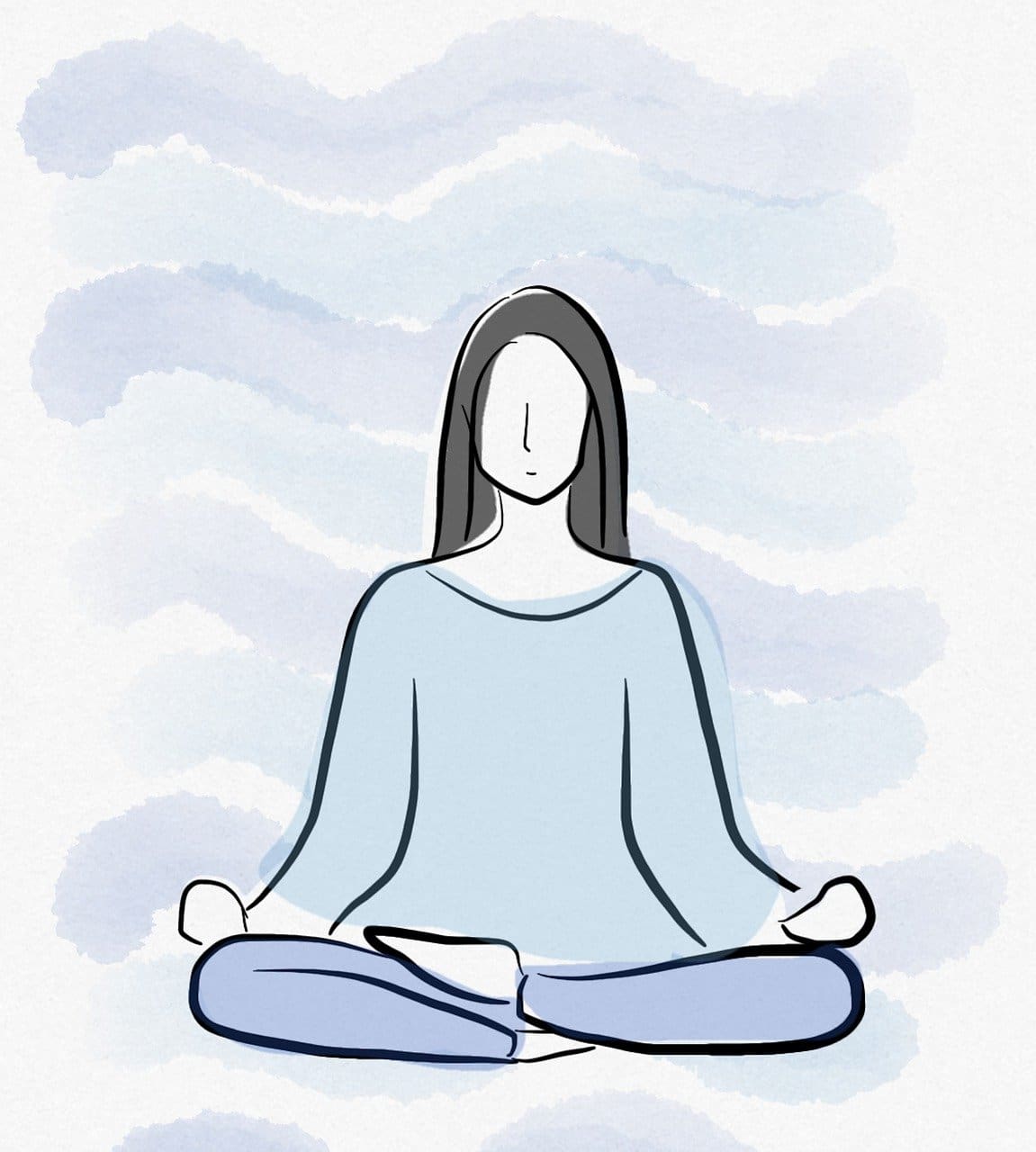
Mindfulness involves being fully present and aware of the present moment without judgment. Practicing mindfulness can help reduce stress, improve mental well-being, and enhance overall quality of life. Consider incorporating mindfulness techniques such as meditation or mindful eating into your daily routine to cultivate a calmer and more peaceful mindset.
Engaging in Relaxation Activities
Engaging in relaxation activities such as yoga, tai chi, or taking a leisurely walk can provide immense benefits for managing stress. These activities help relax both the body and mind, promote feelings of calmness and serenity, and reduce stress levels. Find activities that you enjoy and make them a regular part of your stress management routine.
Seeking Emotional Support
Seeking emotional support from loved ones or professional counselors can be instrumental in managing stress. Talking about your feelings and concerns with someone you trust can provide a fresh perspective, offer guidance, and help alleviate stress. Don’t hesitate to reach out for support when you need it, as connecting with others is essential for maintaining good mental health and maximizing longevity.
Preventive Healthcare
Regular Check-ups
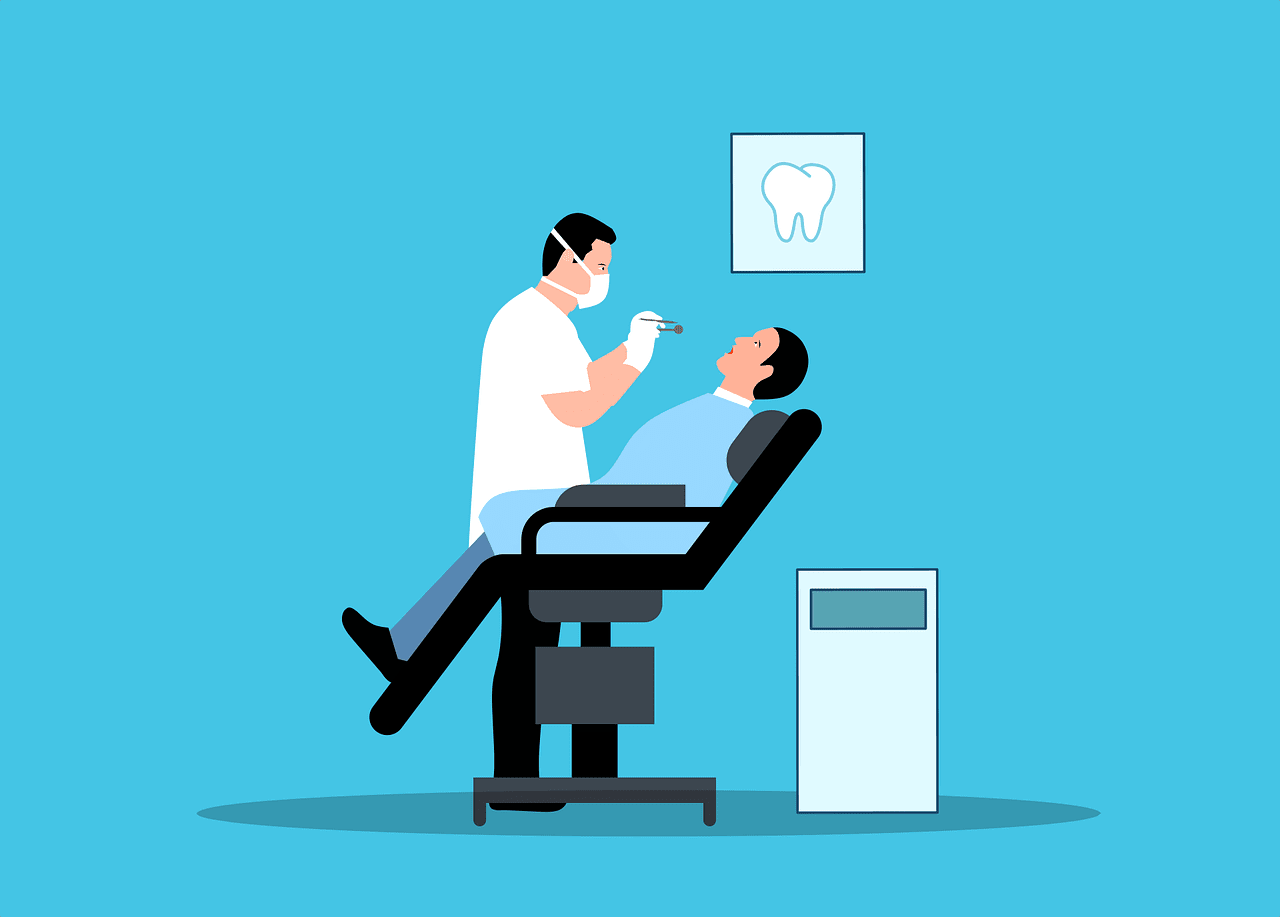
Regular check-ups with healthcare professionals are vital for maintaining good health and identifying potential health issues early. Schedule routine visits with your primary care physician, dentist, and eye doctor to monitor your overall health, address any concerns, and receive necessary screenings and vaccinations.
Vaccinations and Immunizations
Vaccinations and immunizations are essential for preventing various diseases and promoting longevity. Stay up to date with your immunizations, including flu shots, pneumonia vaccines, and recommended vaccinations for your age and health status. Consult with your healthcare provider to ensure you’re receiving the appropriate vaccines to protect yourself and those around you.
Screenings for Early Detection
Screenings for various diseases, such as cancer, diabetes, and heart disease, can be instrumental in detecting potential health issues at an early stage. Regular screenings, such as mammograms, Pap smears, colonoscopies, and blood tests, can help detect and treat conditions before they advance. Discuss with your healthcare provider which screenings are recommended based on your age, gender, and family history.
Dental and Eye Care
Oral and eye health are often overlooked aspects of preventive healthcare. Regular dental check-ups and cleanings can help maintain healthy teeth and gums, while eye exams can detect potential vision problems and eye diseases. Don’t skimp on dental and eye care, as these aspects of preventive healthcare are essential for overall well-being and longevity.
Maintaining Chronic Disease Management
If you have been diagnosed with a chronic disease, such as diabetes, hypertension, or asthma, it’s important to actively manage the condition to control symptoms and prevent complications. This may involve taking medication as prescribed, following dietary guidelines, monitoring your condition regularly, and making lifestyle modifications. Working closely with your healthcare provider and adhering to a comprehensive care plan can help you effectively manage chronic diseases and maximize longevity.
Avoidance of Harmful Substances
Smoking Cessation
Smoking is one of the most detrimental habits to your health and longevity. It contributes to numerous diseases, including cancer, heart disease, and respiratory problems. If you smoke, quitting is the best decision you can make for your health. Seek support from healthcare professionals, friends, or family, and consider utilizing smoking cessation aids or programs to increase your chances of success.
Limiting Alcohol Consumption
Excessive alcohol consumption can have detrimental effects on your health and lifespan. It can lead to liver damage, cardiovascular problems, and an increased risk of certain cancers. To promote longevity, it’s important to limit your alcohol consumption and adhere to recommended guidelines. Moderation is key – aim for no more than one drink per day for women and two drinks per day for men.
Avoiding Drug Abuse
Recreational drug use can have severe consequences for your health and longevity. Illicit drugs can not only lead to addiction but also cause serious harm to your body, mind, and overall well-being. Avoiding drug abuse and seeking help if you are struggling with addiction is crucial for maintaining good health and maximizing longevity.
Minimizing Exposure to Environmental Toxins
Exposure to environmental toxins, such as air pollution, chemical pollutants, and pesticides, can have adverse effects on your health and longevity. Minimize exposure to these toxins by avoiding heavily polluted areas, using natural and eco-friendly household products, and opting for organic foods whenever possible. Taking these steps can help reduce the burden of toxins on your body and promote better overall health.
Avoiding Excessive Sun Exposure
While sunlight is essential for vitamin D synthesis, excessive and unprotected sun exposure can increase the risk of skin cancer and accelerate skin aging. To protect your skin, limit sun exposure during peak hours, wear protective clothing and hats, and use sunscreen with a high SPF. Taking these precautions will help safeguard your skin and promote healthier aging.
Social Connections
Maintaining Healthy Relationships
Strong social connections are vital for emotional well-being, happiness, and longevity. Cultivate and maintain healthy relationships with family members, friends, and loved ones. Invest time and effort into nurturing these relationships, as they provide a support system, companionship, and opportunities for personal growth and happiness.
Participating in Social Activities
Participating in social activities and community events can enhance your overall well-being and longevity. Engage in activities that allow you to connect with others who share similar interests or passions. This can include joining clubs or sports teams, volunteering for community organizations, or attending social gatherings. By actively participating in social activities, you’ll expand your social network, foster new connections, and maximize your overall happiness and longevity.
Supporting and Engaging with Others
Supporting and engaging with others is a mutually beneficial way to enhance your own well-being and promote longevity. Offer help to those in need, lend a listening ear, or volunteer your time to support causes you care about. By positively impacting the lives of others, you’ll experience a sense of purpose, fulfillment, and improved mental health.
Community Involvement
Getting involved in your community is an excellent way to foster social connections, make a positive impact, and enhance your sense of belonging. Explore opportunities to contribute to your community, such as participating in local events, volunteering for charitable organizations, or joining community groups. By actively engaging in your community, you’ll build meaningful relationships, create a support network, and increase your overall longevity.
Joining Clubs or Organizations
Joining clubs or organizations that align with your interests can provide opportunities for social interaction and personal growth. Whether it’s a book club, a hiking group, or a hobby-based organization, these communities provide a sense of belonging, camaraderie, and opportunities for lifelong learning and personal development. Consider joining clubs or organizations that resonate with your passions to enhance your social connections and overall well-being.
Mental Stimulation
Continual Learning
Continual learning is essential for keeping your mind sharp and maximizing longevity. Engaging in activities that challenge your brain, such as reading, attending workshops, or taking up new hobbies, stimulates neural connections and promotes cognitive function. Embrace a curiosity for learning and make lifelong education a priority to enhance mental stimulation and overall mental well-being.
Pursuing Hobbies and Interests
Pursuing hobbies and interests that you enjoy is not only pleasurable but also beneficial for your mental health and longevity. Engage in activities that bring you joy, whether it’s playing a musical instrument, gardening, painting, or cooking. These activities offer mental stimulation, a sense of accomplishment, and an opportunity to express creativity, all of which contribute to overall well-being and maximize longevity.
Challenging the Brain
Challenging your brain regularly is crucial for maintaining cognitive function and keeping your mind sharp. Engage in activities that require mental effort, such as puzzles, brain teasers, or strategy games. These activities stimulate different parts of your brain, enhance problem-solving skills, and promote mental agility. Challenge yourself to try new and complex tasks to maximize the benefits of brain stimulation.
Solving Puzzles or Brain Teasers
Solving puzzles or brain teasers is an enjoyable and effective way to stimulate your brain and promote cognitive function. Engage in activities such as crossword puzzles, Sudoku, or logic games to keep your mind active and challenge yourself. These activities improve memory, concentration, and problem-solving skills, and are a fun way to enhance mental stimulation.
Engaging in Creative Activities
Engaging in creative activities, such as painting, writing, or playing a musical instrument, provides an outlet for self-expression and enhances mental well-being. These activities stimulate the creative areas of your brain and promote a sense of accomplishment and fulfillment. Explore your creative side and make time for activities that allow you to express yourself artistically.
Positive Outlook and Mindset
Practicing Gratitude
Practicing gratitude is a simple yet powerful way to enhance your overall well-being and promote a positive outlook on life. Take the time to reflect on the things you are grateful for each day, whether it’s the people in your life, your accomplishments, or the beauty of nature. Cultivating a mindset of gratitude can increase happiness, reduce stress, and improve overall mental health.
Embracing Optimism
Embracing optimism involves maintaining a positive mindset and focusing on the potential for positive outcomes in any situation. Even in challenging times, adopting an optimistic outlook can help reduce stress, enhance resilience, and promote better overall mental and emotional well-being. By embracing optimism, you’ll approach life’s ups and downs with a positive attitude and maximize your ability to overcome obstacles.
Cultivating Resilience
Resilience is the ability to bounce back from adversity and navigate life’s challenges with strength and determination. Cultivating resilience involves developing coping strategies, maintaining a positive mindset, and seeking support when needed. Resilience not only enhances mental and emotional well-being but also promotes longevity by allowing you to effectively navigate life’s inevitable ups and downs.
Fostering Positive Relationships
Fostering positive relationships plays a significant role in promoting a positive outlook and maximizing longevity. Surround yourself with supportive and uplifting individuals who inspire and encourage you. Nurture healthy relationships, and let go of toxic ones that drag you down. Positive relationships contribute to overall happiness, improve mental and emotional health, and provide a strong support network throughout life’s journey.
Promoting Self-Care
Promoting self-care is essential for maintaining a positive outlook and maximizing longevity. Taking care of yourself physically, mentally, and emotionally is not selfish but necessary for overall well-being. Prioritize self-care activities such as practicing mindfulness, engaging in hobbies, exercising, getting enough sleep, and setting boundaries to protect your time and energy. By prioritizing self-care, you’ll replenish your resources, reduce stress, and maintain a positive mindset.