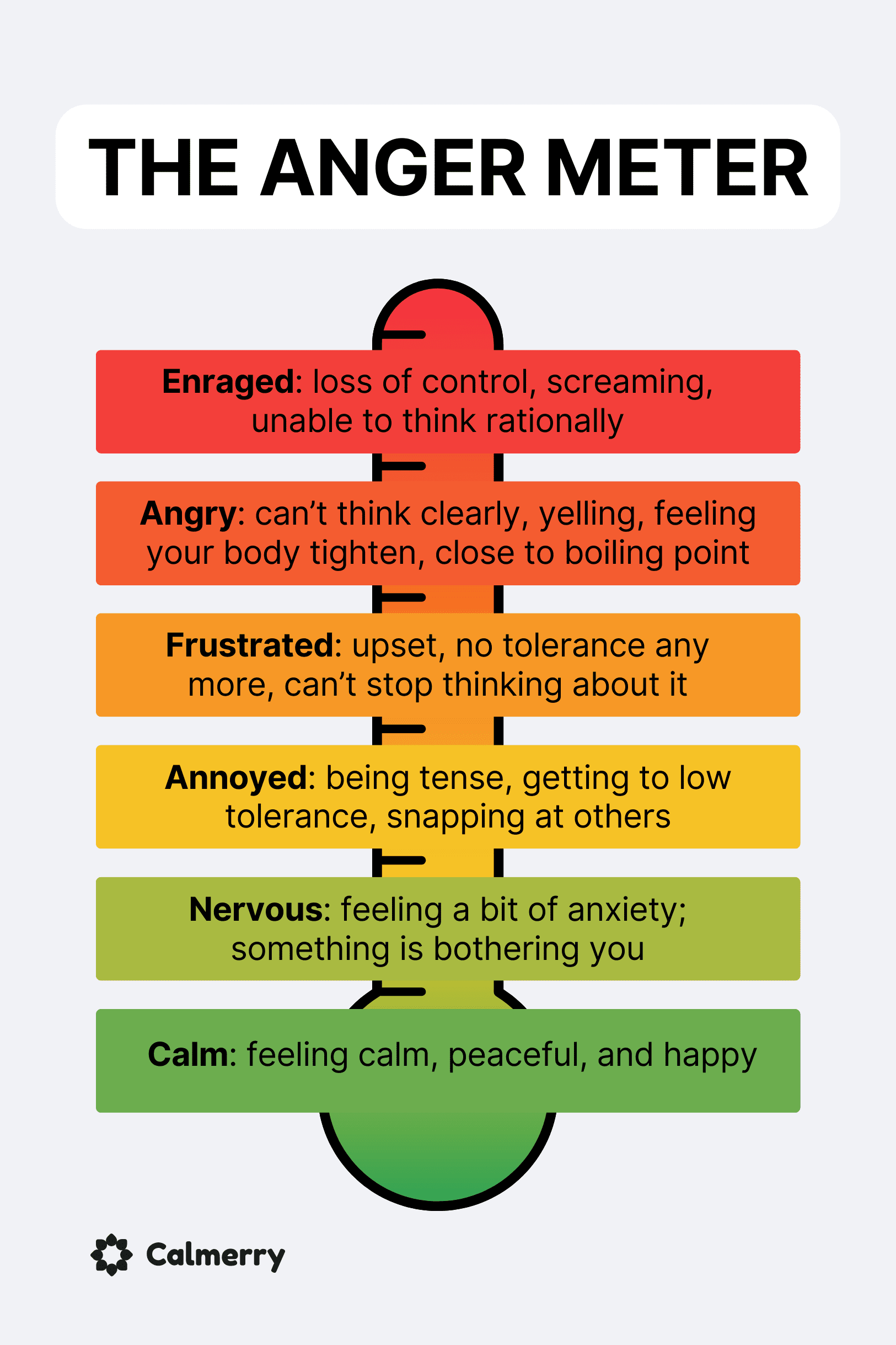
Welcome to the ultimate guide on managing and reducing anger and frustration! Life can be tough, and it’s natural to feel these emotions from time to time. But the key is learning how to effectively handle and release these feelings in a healthy way. In this article, you’ll discover the top strategies and techniques to help you navigate through moments of anger and frustration with grace and ease. With the right tools and mindset, you can regain control of your emotions and live a more peaceful and balanced life. Let’s dive in and explore the top ways to manage and reduce anger and frustration! Have you ever found yourself feeling overwhelmed with anger or frustration? It’s natural to experience these emotions from time to time, but when they start to impact your daily life, it’s important to find healthy ways to manage and reduce them. In this article, we’ll explore the top ways to help you navigate these challenging emotions.
Understanding Anger and Frustration
Anger and frustration are common human emotions that can arise in response to various situations or events. Understanding the root cause of these emotions is the first step in learning how to manage and reduce them. By identifying triggers and patterns in your behavior, you can develop strategies to address them effectively.
Acknowledge Your Emotions
It’s essential to acknowledge and accept your feelings of anger and frustration without judgment. By recognizing and validating your emotions, you can create a safe space to explore why you feel this way and how it impacts your well-being. Remember, it’s okay to feel angry or frustrated – what matters is how you choose to respond.
Identify Triggers
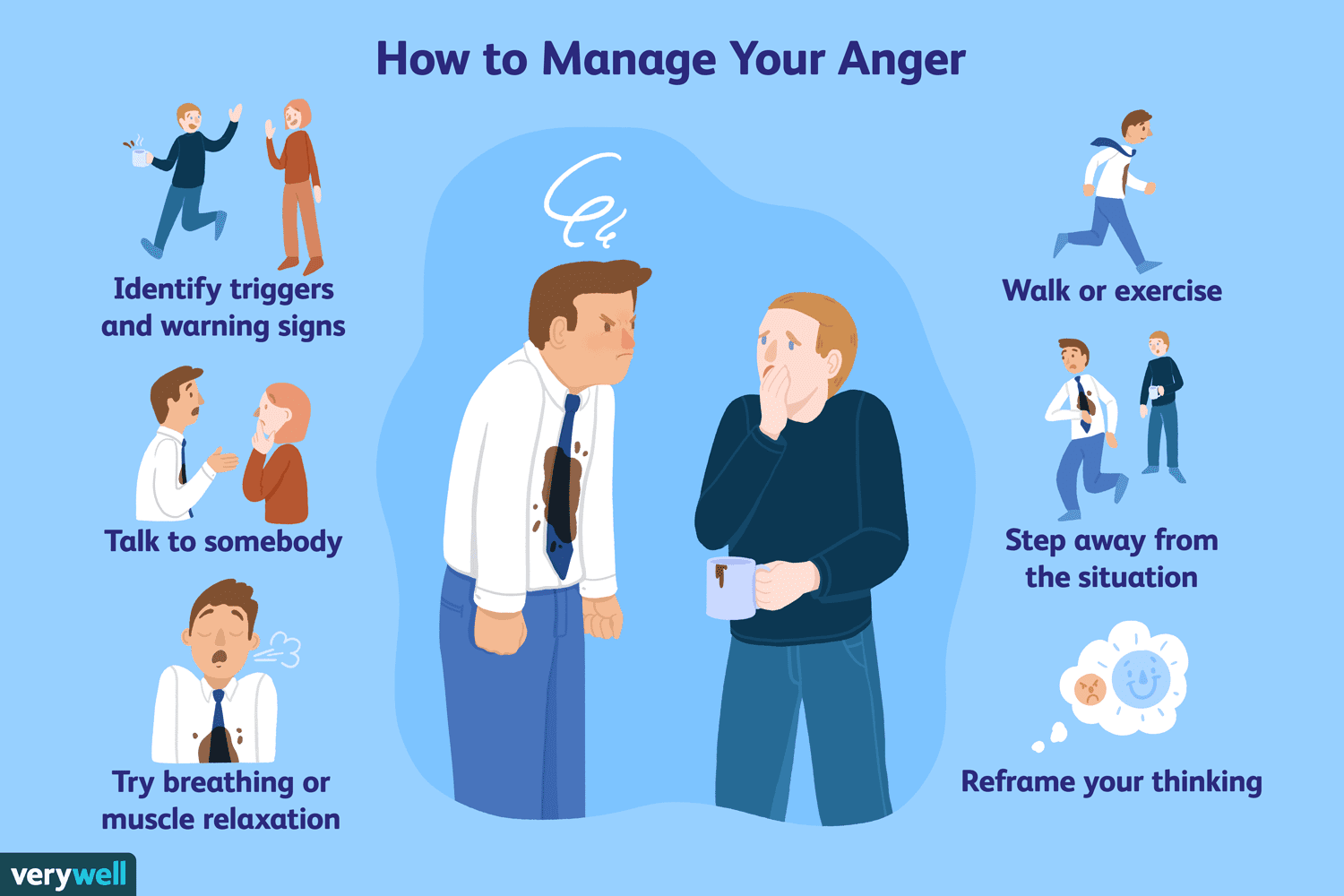
Take note of situations, people, or circumstances that tend to trigger your feelings of anger and frustration. By pinpointing these triggers, you can proactively work towards avoiding or minimizing their impact on your emotional state. Whether it’s a stressful work environment, a challenging relationship, or a specific event, awareness is key to creating positive change.
Healthy Coping Mechanisms
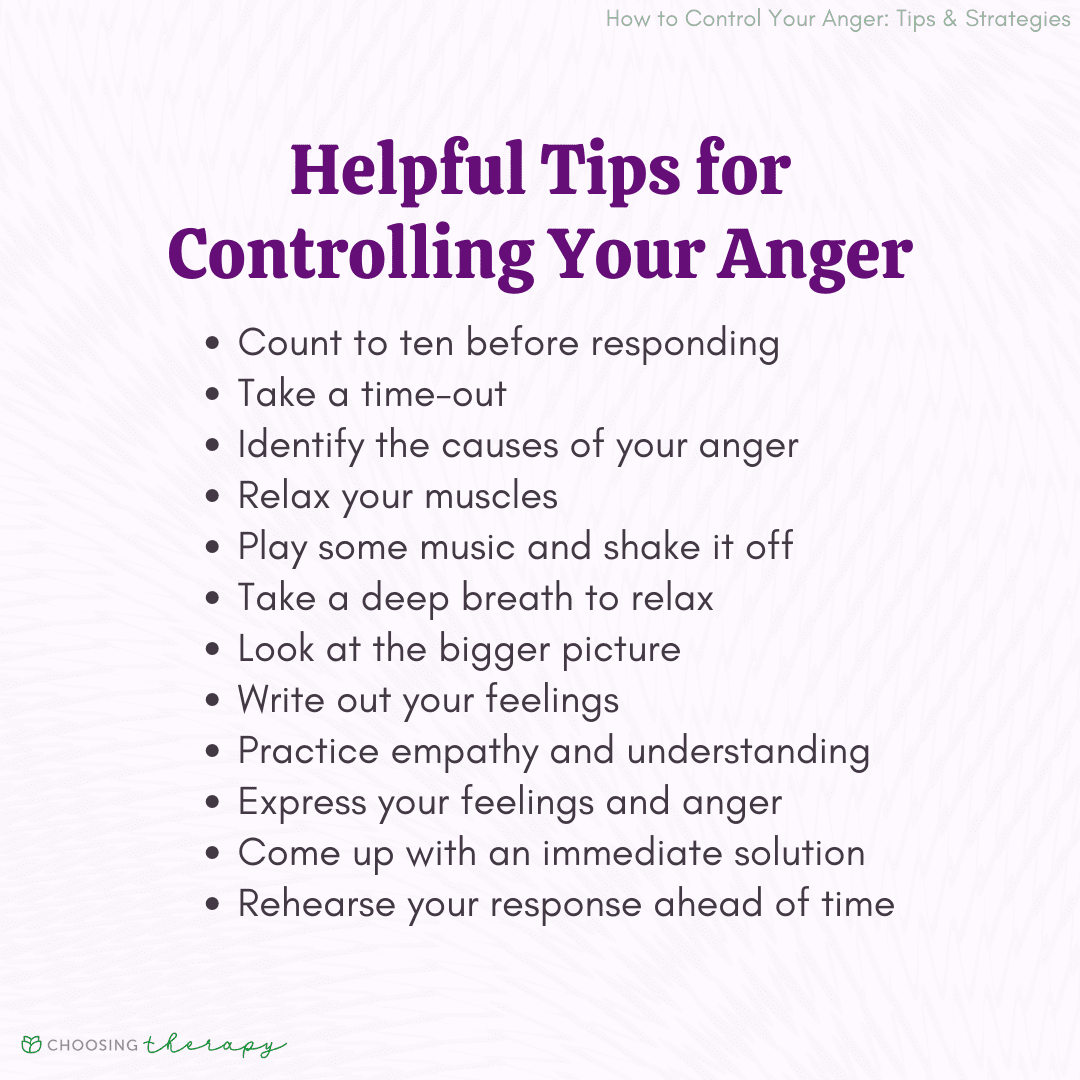
When faced with intense feelings of anger or frustration, it’s essential to have healthy coping mechanisms in place to help you navigate these emotions. Developing a toolbox of strategies that work for you can empower you to effectively manage and reduce these feelings.
Deep Breathing Exercises
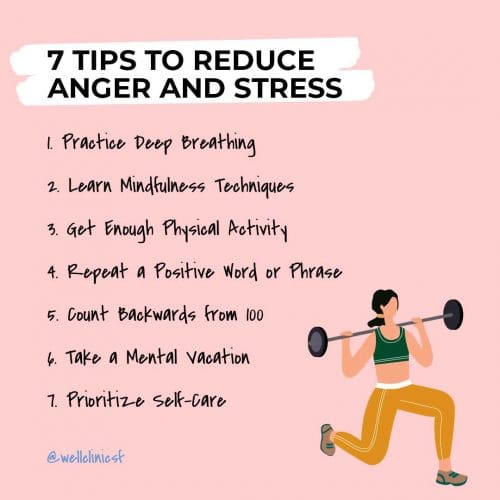
Deep breathing exercises are a simple yet powerful way to calm your mind and body when feeling overwhelmed by anger or frustration. Practice deep breathing by inhaling slowly through your nose, holding your breath for a few seconds, and exhaling slowly through your mouth. Repeat this process several times to help reduce stress and promote relaxation.
Mindfulness Meditation
Mindfulness meditation involves focusing on the present moment without judgment, allowing you to observe your thoughts and emotions without becoming attached to them. By practicing mindfulness regularly, you can cultivate a sense of inner peace and enhance your emotional awareness. Set aside a few minutes each day to practice mindfulness meditation and notice the positive impact it has on your emotional well-being.
Physical Exercise
Engaging in regular physical exercise can help release pent-up energy and tension, reducing feelings of anger and frustration. Whether it’s going for a run, practicing yoga, or hitting the gym, physical activity can boost your mood and improve your overall mental health. Find an exercise routine that you enjoy and make it a priority in your daily routine.
Creative Expression
Expressing your emotions through creative outlets such as writing, painting, or playing music can be a cathartic way to process feelings of anger and frustration. Engaging in creative expression allows you to channel your emotions into a productive and positive outlet, fostering self-expression and emotional release.
Effective Communication Strategies
Effective communication is essential in managing anger and frustration, particularly in interpersonal relationships. By developing healthy communication skills, you can express your emotions and needs assertively while maintaining respect for yourself and others.
Use “I” Statements
When expressing your feelings to others, use “I” statements to communicate your emotions without placing blame or making accusations. For example, instead of saying, “You always make me angry,” try saying, “I feel frustrated when this happens.” Using “I” statements can help you take ownership of your emotions and promote open, honest communication.
Active Listening
Active listening involves fully engaging with the person speaking, focusing on their words, and showing empathy and understanding. By practicing active listening in your conversations, you can create a supportive and respectful environment that encourages healthy communication. Remember to listen without interrupting, validate the other person’s feelings, and ask clarifying questions to demonstrate your attentiveness.
Set Boundaries
Setting boundaries is crucial in managing anger and frustration, especially in relationships where conflicts may arise. Establish clear boundaries that define what behavior is acceptable or unacceptable to you, and communicate them assertively to others. By setting boundaries, you can protect your emotional well-being and maintain healthy relationships based on mutual respect.
Healthy Lifestyle Choices
Taking care of your physical and mental health is paramount in managing anger and frustration effectively. By prioritizing self-care and making healthy lifestyle choices, you can improve your overall well-being and reduce the likelihood of experiencing overwhelming emotions.
Get Adequate Sleep
Quality sleep is essential for regulating your mood and overall mental health. Aim to get 7-9 hours of sleep each night to help your body and mind recharge and recover from daily stressors. Establish a bedtime routine, create a comfortable sleep environment, and practice relaxation techniques to improve your sleep quality.
Maintain a Balanced Diet
Eating a balanced diet rich in nutrients can support your emotional well-being and energy levels throughout the day. Focus on consuming whole foods, fruits, vegetables, lean proteins, and healthy fats to fuel your body and mind. Avoid excessive caffeine, sugar, and processed foods, which can negatively impact your mood and energy levels.
Practice Stress Management Techniques
Incorporate stress management techniques into your daily routine to reduce feelings of anger and frustration. Whether it’s practicing yoga, journaling, taking a relaxing bath, or spending time in nature, find activities that help you unwind and destress. By prioritizing self-care and relaxation, you can better cope with life’s challenges and maintain emotional balance.
Seek Professional Support
If feelings of anger and frustration persist despite your efforts to manage them, seeking professional support can be beneficial in addressing underlying issues and developing effective coping strategies. A mental health professional, therapist, or counselor can provide guidance, support, and tools to help you navigate these challenging emotions and improve your overall well-being.
Therapy or Counseling
Therapy or counseling sessions can help you explore the root causes of your anger and frustration, gain insight into your emotions, and develop coping skills to manage them effectively. A trained therapist can offer a safe and supportive space for you to express yourself, work through challenging emotions, and learn healthy ways to respond to triggers.
Support Groups
Joining a support group for anger management or emotional wellness can provide you with a sense of community, understanding, and validation. Connecting with others who are experiencing similar challenges can offer you support, encouragement, and practical advice on navigating your emotions. Consider seeking out local or online support groups to connect with like-minded individuals on your journey to managing anger and frustration.
Medication
In some cases, medication may be prescribed to help manage severe feelings of anger and frustration, particularly in cases of underlying mental health conditions such as depression or anxiety. If you’re struggling to cope despite other interventions, consult with a healthcare professional to explore medication options that may help stabilize your mood and improve your emotional well-being.
Conclusion
Managing and reducing feelings of anger and frustration is a journey that requires self-awareness, healthy coping mechanisms, effective communication, lifestyle choices, and professional support. By incorporating the top ways outlined in this article into your daily routine, you can empower yourself to navigate these challenging emotions with resilience, compassion, and insight. Remember, it’s okay to seek help when needed and prioritize your emotional well-being as you work towards a healthier and happier life.