
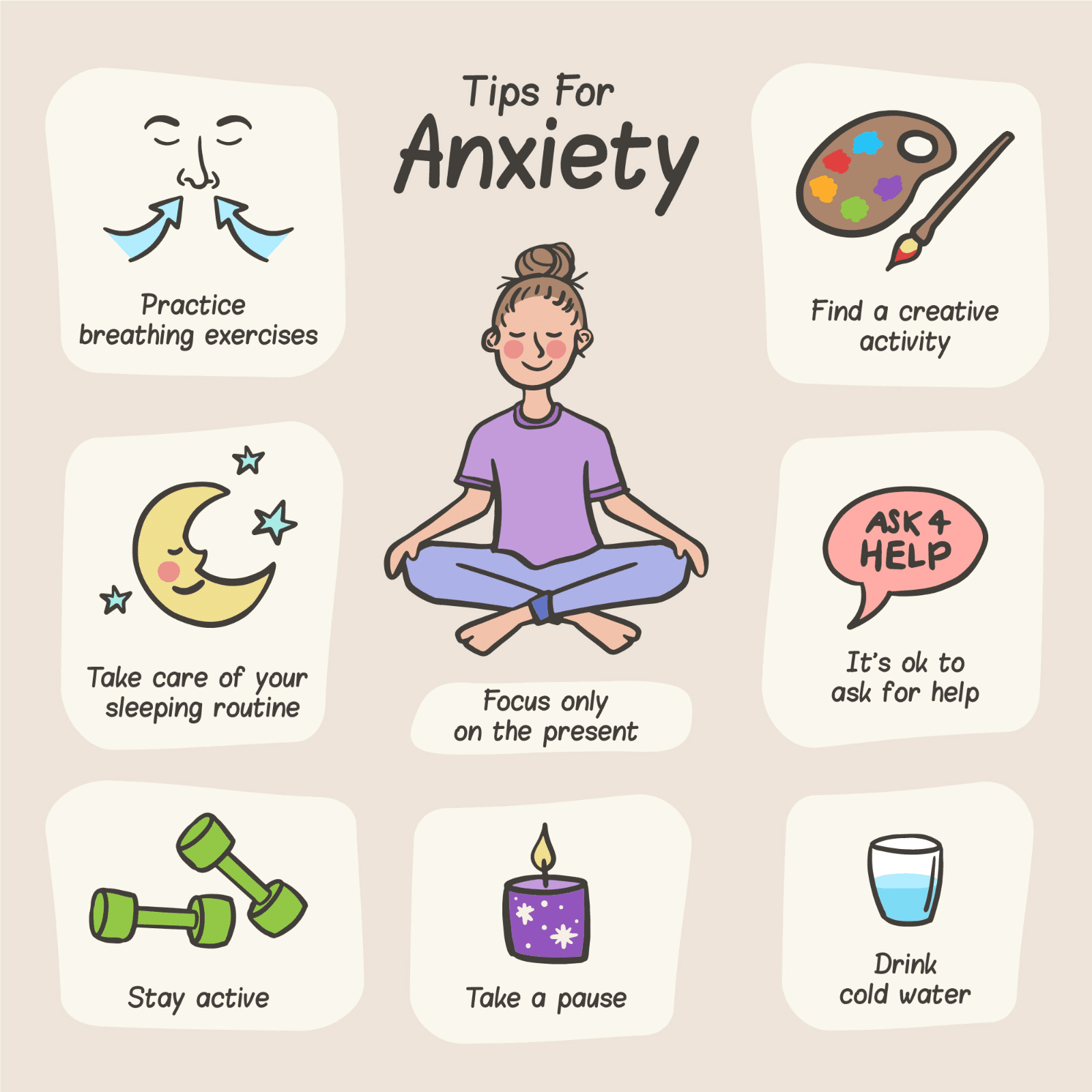
Welcome to a guide on the top ways to manage chronic anxiety. Living with chronic anxiety can be overwhelming, but there are effective strategies to help you cope and improve your quality of life. From practicing relaxation techniques to seeking professional help, exploring these tips can make a positive difference in managing your anxiety levels. Let’s dive in and discover the top ways to take control of your anxiety today.
Top Ways To Manage Chronic Anxiety
Do you find yourself constantly overwhelmed with worry and fear, unable to relax and enjoy life to its fullest potential? You’re not alone. Chronic anxiety affects millions of people worldwide and can have a significant impact on your daily life. But the good news is that there are effective ways to manage and reduce chronic anxiety so that you can start feeling more calm and in control. In this article, we will explore the top ways to manage chronic anxiety and reclaim your peace of mind.
Understanding Chronic Anxiety
Before we dive into strategies for managing chronic anxiety, it’s important to understand what it is and how it affects you. Chronic anxiety is a mental health condition characterized by persistent feelings of worry, fear, and nervousness that can interfere with your daily life. It can manifest both physically and emotionally, leading to symptoms such as rapid heartbeat, muscle tension, irritability, and difficulty concentrating.
Chronic anxiety is different from normal feelings of stress or nervousness in that it persists over an extended period, often with no clear reason or trigger. It can be a debilitating condition that affects your relationships, work, and overall well-being. By learning more about chronic anxiety and its effects, you can start to take steps towards managing it effectively.
Seeking Professional Help
One of the most important steps you can take in managing chronic anxiety is seeking professional help. A mental health professional, such as a therapist or psychiatrist, can provide you with the guidance, support, and tools you need to address your anxiety effectively. They can help you identify the root causes of your anxiety, develop coping strategies, and provide you with evidence-based treatments such as therapy or medication.
Therapy, such as cognitive-behavioral therapy (CBT), is a common and effective treatment for chronic anxiety. Through therapy, you can learn to challenge negative thought patterns, develop relaxation techniques, and gradually expose yourself to anxiety-provoking situations in a safe and controlled manner. Medication, such as antidepressants or anti-anxiety medications, may also be prescribed to help manage your symptoms.
Remember, seeking professional help is not a sign of weakness but a proactive step towards taking control of your mental health. A therapist or psychiatrist can provide you with the personalized support and guidance you need to manage your chronic anxiety effectively.
Practicing Mindfulness and Meditation
Mindfulness and meditation are powerful tools for managing chronic anxiety and promoting relaxation and inner peace. Mindfulness involves paying attention to the present moment without judgment, while meditation is a practice that involves focusing your mind and calming your thoughts. By incorporating mindfulness and meditation into your daily routine, you can train your mind to be more present, calm, and focused.
One simple mindfulness exercise you can try is deep breathing. Take a few deep breaths, focusing on the sensation of air entering and leaving your body. Notice how your body feels as you breathe in and out, and try to let go of any thoughts or worries that come to mind. By practicing deep breathing regularly, you can calm your nervous system, reduce stress, and promote relaxation.
Meditation is another effective practice for managing chronic anxiety. Find a quiet, comfortable place to sit or lie down, close your eyes, and focus on your breath. As thoughts arise, gently acknowledge them and let them go, returning your focus to your breath. Even just a few minutes of meditation each day can help calm your mind, reduce anxiety, and improve your overall well-being.
Engaging in Physical Activity
Physical activity is not only beneficial for your physical health but can also have a positive impact on your mental health, including chronic anxiety. Exercise releases endorphins, chemicals in the brain that act as natural painkillers and mood elevators, helping to reduce feelings of stress and anxiety. Regular physical activity can also improve sleep, boost self-esteem, and increase feelings of well-being.
It’s important to find an exercise routine that you enjoy and can stick with consistently. Whether it’s going for a walk, practicing yoga, or hitting the gym, find activities that make you feel good and that fit into your schedule. Aim for at least 30 minutes of moderate exercise most days of the week to experience the mental health benefits of physical activity.
In addition to structured exercise, incorporating movement into your daily routine can also help manage chronic anxiety. Take the stairs instead of the elevator, park farther away from your destination, or go for a short walk during your lunch break. Every little bit of physical activity can make a difference in reducing anxiety and improving your overall well-being.
Building a Strong Support System
Having a strong support system can make a significant difference in managing chronic anxiety. Surrounding yourself with understanding and supportive individuals can provide you with emotional validation, practical assistance, and a sense of belonging. Whether it’s family, friends, support groups, or online communities, having people to lean on during difficult times can help you cope with your anxiety more effectively.
Reach out to trusted individuals in your life and let them know what you’re going through. Share your feelings and concerns with them, and don’t be afraid to ask for help or support when you need it. Sometimes, simply talking to someone who listens and understands can alleviate feelings of isolation and anxiety.
If you don’t have a strong support system in place, consider joining a support group for individuals with chronic anxiety or seeking help from an online community. Connecting with others who are going through similar experiences can provide you with a sense of camaraderie and understanding, as well as practical tips and coping strategies for managing your anxiety.
Establishing Healthy Habits
Maintaining healthy habits can play a crucial role in managing chronic anxiety and promoting overall well-being. By taking care of your physical health, you can support your mental health and reduce feelings of stress and anxiety. Establishing healthy habits such as getting enough sleep, eating a balanced diet, staying hydrated, and avoiding excessive caffeine and alcohol can make a significant difference in how you feel.
Sleep is especially important when it comes to managing chronic anxiety. Aim for 7-9 hours of quality sleep each night to allow your body and mind to recharge and recover. Create a relaxing bedtime routine, such as taking a warm bath, reading a book, or practicing gentle yoga, to help you unwind and prepare for restful sleep.
In addition to sleep, nutrition plays a key role in managing anxiety. Eat a balanced diet rich in fruits, vegetables, whole grains, lean proteins, and healthy fats to support your overall well-being. Avoid processed foods, sugary snacks, and excessive caffeine, as they can exacerbate feelings of anxiety and stress. Staying hydrated by drinking plenty of water throughout the day can also help regulate your mood and energy levels.
Setting Realistic Goals and Expectations
Setting realistic goals and expectations for yourself can help you manage chronic anxiety and avoid feelings of overwhelm and burnout. Break larger tasks or responsibilities into smaller, manageable steps, and prioritize what needs to be done based on importance and urgency. By setting achievable goals and taking things one step at a time, you can reduce feelings of anxiety and create a sense of accomplishment.
It’s important to be gentle with yourself and not be too hard on yourself when things don’t go according to plan. Remember that it’s okay to make mistakes, experience setbacks, or ask for help when you need it. Practice self-compassion and treat yourself with kindness and understanding, even when facing challenges or difficulties.
By setting realistic goals and expectations, you can build confidence, increase your sense of control, and reduce feelings of anxiety. Celebrate your successes, no matter how small, and acknowledge the progress you’re making towards managing your anxiety effectively.
Engaging in Relaxation Techniques
Incorporating relaxation techniques into your daily routine can help manage chronic anxiety and promote a sense of calm and relaxation. Relaxation techniques such as deep breathing, progressive muscle relaxation, guided imagery, and visualization can help calm your nervous system, reduce stress, and alleviate feelings of anxiety.
One effective relaxation technique you can try is progressive muscle relaxation. Start by finding a quiet place to sit or lie down and close your eyes. Begin by tensing and then relaxing each muscle group in your body, starting with your toes and working your way up to your head. Focus on the sensation of tension leaving your body as you relax each muscle group, and notice the difference in how you feel after completing the exercise.
Guided imagery is another relaxation technique that involves visualizing a peaceful and calming scene or scenario in your mind. Close your eyes, take a few deep breaths, and imagine yourself in a serene setting, such as a beach, forest, or mountaintop. Focus on the sights, sounds, and sensations of this place, allowing yourself to feel safe, relaxed, and at ease.
Avoiding Triggers and Stressors
Identifying and avoiding triggers and stressors that exacerbate your chronic anxiety can help you manage your symptoms more effectively. Common triggers for anxiety include certain situations, environments, people, or activities that cause feelings of stress, fear, or discomfort. By recognizing your triggers and developing strategies to avoid or manage them, you can reduce the frequency and intensity of anxiety episodes.
Keep a journal to track your anxiety triggers and notice any patterns or common themes that arise. Once you’ve identified your triggers, brainstorm ways to avoid or minimize exposure to them. This may involve setting boundaries with toxic individuals, creating a safe and calming environment at home or work, or learning to say no to commitments that overwhelm you.
While it’s not always possible to avoid all triggers and stressors, having a plan in place can help you cope with anxiety when it arises. Practice relaxation techniques, take breaks when needed, and reach out for support from your therapist, loved ones, or support group. By being proactive and prepared, you can better manage chronic anxiety and prevent it from spiraling out of control.
Finding Healthy Outlets for Stress Relief
Finding healthy outlets for stress relief can help you manage chronic anxiety and cope with difficult emotions in a constructive way. Engaging in activities that bring you joy, relaxation, and fulfillment can distract you from anxious thoughts and promote a sense of well-being. Whether it’s pursuing a hobby, spending time in nature, or connecting with loved ones, finding healthy outlets for stress relief is essential for managing chronic anxiety.
Physical activity, such as yoga, dancing, or hiking, can be a great way to release pent-up energy and tension, as well as boost your mood. Creative pursuits, such as painting, writing, or playing music, can provide a creative and expressive outlet for your emotions. Spending time in nature, gardening, or caring for pets can also promote relaxation and a sense of connection.
Socializing with friends, family, or supportive individuals can provide you with emotional support, laughter, and a sense of belonging. Schedule regular social activities or outings that allow you to connect with others, share experiences, and feel understood. Building positive and fulfilling relationships can help reduce feelings of loneliness, isolation, and anxiety.
Monitoring Your Progress and Seeking Feedback
Monitoring your progress in managing chronic anxiety is important for tracking your symptoms, identifying patterns, and assessing the effectiveness of your coping strategies. Keep a journal or diary to record your thoughts, feelings, behaviors, and experiences related to anxiety. Note any triggers, stressors, or symptoms you experience, as well as the strategies you use to manage them.
By tracking your progress over time, you can gain valuable insights into what works for you and what doesn’t. You may notice certain patterns or trends in your anxiety episodes, such as specific triggers or symptoms that recur frequently. This information can help you refine your coping strategies, develop new techniques, and make adjustments to better manage your chronic anxiety.
Seeking feedback from your therapist, loved ones, or support group can also provide you with valuable insights into your progress and areas for improvement. Share your journal or diary with trusted individuals and ask for their observations, feedback, and suggestions for managing your anxiety more effectively. By working collaboratively with others, you can gain new perspectives, enhance your coping skills, and continue to make progress in managing chronic anxiety.
Conclusion
Managing chronic anxiety is a journey that requires patience, self-compassion, and persistence. By seeking professional help, practicing mindfulness and meditation, engaging in physical activity, building a strong support system, establishing healthy habits, setting realistic goals and expectations, engaging in relaxation techniques, avoiding triggers and stressors, finding healthy outlets for stress relief, and monitoring your progress, you can take proactive steps towards managing your anxiety effectively.
Remember that managing chronic anxiety is a holistic process that involves addressing your mental, emotional, physical, and spiritual well-being. By combining various strategies and techniques, you can develop a personalized approach to managing chronic anxiety that works for you. With time, effort, and support, you can reclaim your peace of mind and create a life that is filled with calm, joy, and fulfillment. You deserve to live free from the burden of chronic anxiety and to experience a sense of well-being and balance in your life. You have the power to manage your anxiety and create a future that is brighter, calmer, and more peaceful. Take the first step towards managing chronic anxiety today and start your journey towards a happier and healthier life.