In this article, you will discover a range of effective strategies to ensure optimal respiratory wellness. From simple lifestyle changes to targeted exercises and habits, these top preventive health methods will help you maintain a strong and healthy respiratory system. By implementing these easy-to-follow practices into your daily routine, you can enhance your overall well-being and safeguard your lung health for years to come. So, let’s explore these transformative ways to prioritize your respiratory wellness and unlock a healthier and happier life.
Maintain a Healthy Diet
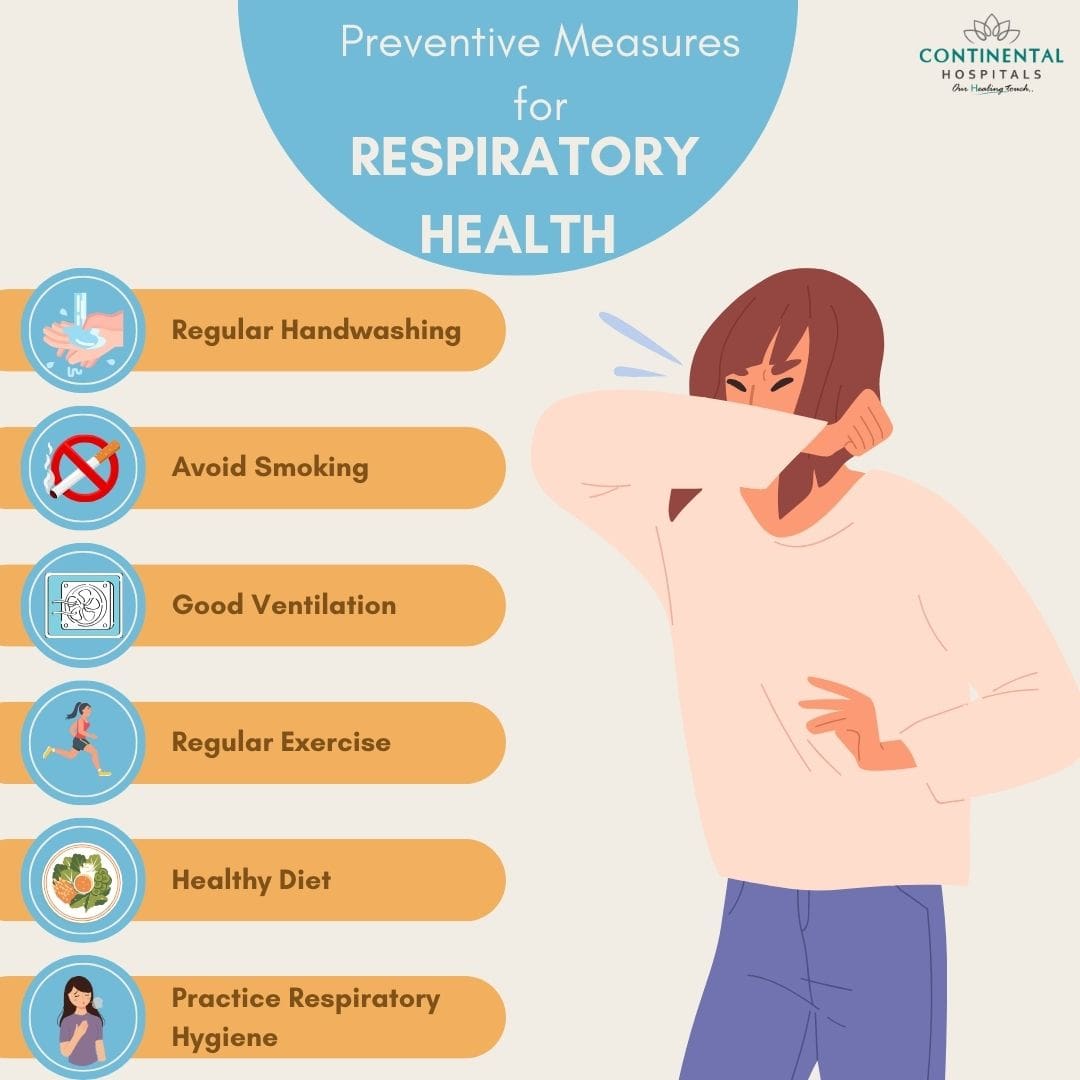
Eating a balanced diet is essential for maintaining good respiratory health. When it comes to your lungs, you want to give them the best support possible. A balanced diet means consuming a variety of foods that provide your body with all the necessary vitamins, minerals, and nutrients it needs to function optimally.
Ensure that your plate is filled with a colorful assortment of fruits and vegetables. These foods are rich in antioxidants which help to protect your body against cell damage caused by harmful molecules called free radicals. Berries, leafy greens, and citrus fruits are particularly high in antioxidants and should be included in your daily diet.
Adding foods that are rich in omega-3 fatty acids is also crucial for promoting respiratory health. Omega-3 fatty acids have anti-inflammatory properties that can help reduce inflammation in the airways and improve lung function. Some excellent sources of omega-3 fatty acids include oily fish like salmon and sardines, walnuts, chia seeds, and flaxseeds. Make an effort to include these foods in your diet regularly.
Stay Active and Exercise Regularly
Regular physical activity is not only beneficial for your overall health, but it also plays a significant role in maintaining respiratory wellness. Engaging in aerobic activities, such as brisk walking, jogging, or cycling, helps to strengthen your lungs and improve lung capacity. Aim for at least 30 minutes of moderate-intensity aerobic exercise most days of the week.
In addition to aerobic exercise, incorporating breathing exercises into your routine can have a positive impact on your respiratory health. Deep breathing exercises help to strengthen the muscles involved in breathing and can increase lung capacity. Simple techniques like inhaling deeply through your nose and exhaling slowly through your mouth can be practiced anywhere, anytime.
Another exercise option for enhancing respiratory wellness is practicing yoga or tai chi. These exercises focus on specific breathing techniques, stretching, and relaxation, which can help improve lung function and reduce stress. Consider joining a local yoga or tai chi class to reap the benefits of these ancient practices.
Avoid Smoking and Secondhand Smoke
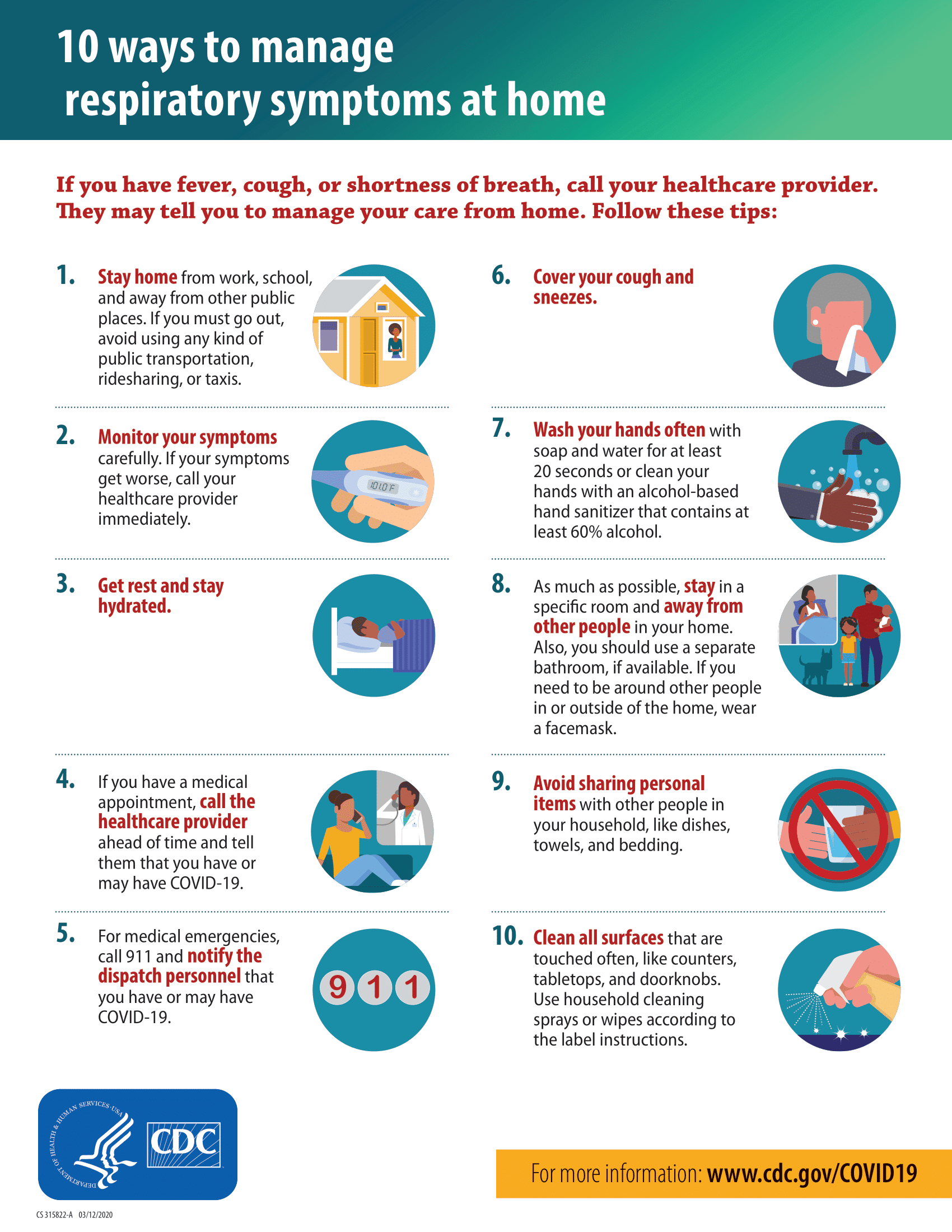
One of the most crucial steps you can take for your respiratory health is to quit smoking if you are a smoker. Smoking is extremely detrimental to the lungs and is a leading cause of respiratory diseases, including chronic obstructive pulmonary disease (COPD) and lung cancer. Seek support from a healthcare professional or join a smoking cessation program to help you quit successfully.
Furthermore, it is essential to stay away from smokers and smoke-filled environments. Secondhand smoke can be just as harmful as smoking itself, so it’s crucial to avoid places where you may be exposed to secondhand smoke. Choose smoke-free establishments and encourage your friends and family members to do the same.
Limit Exposure to Pollutants
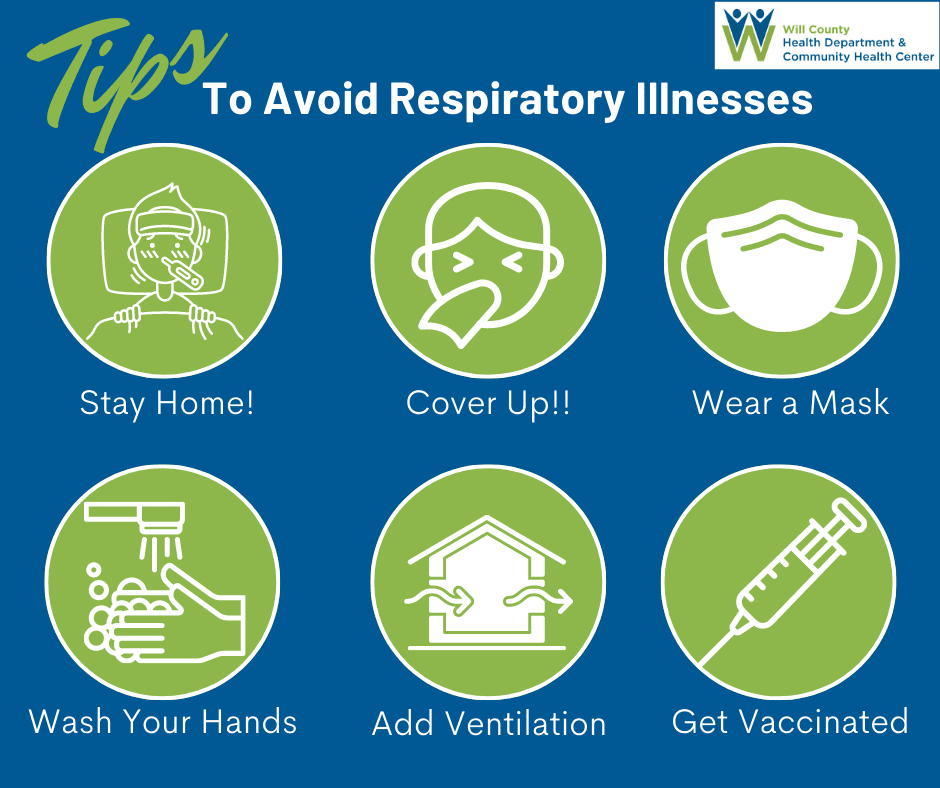
Exposure to pollutants can have a significant impact on your respiratory health. To protect your lungs, it is vital to improve indoor air quality. Make sure your home is well-ventilated by opening windows frequently, using exhaust fans, and keeping indoor air clean and pollutant-free. Avoid using products that release harmful chemicals, such as certain cleaning agents and air fresheners, as they can worsen respiratory symptoms.
Minimizing outdoor pollution exposure is also vital for maintaining respiratory wellness. Check the air quality index before planning any outdoor activities, and try to avoid exercising or spending prolonged periods outside on days when pollution levels are high. If you live in a heavily polluted area, consider using a face mask specifically designed to filter out harmful particles.
Practice Good Hygiene
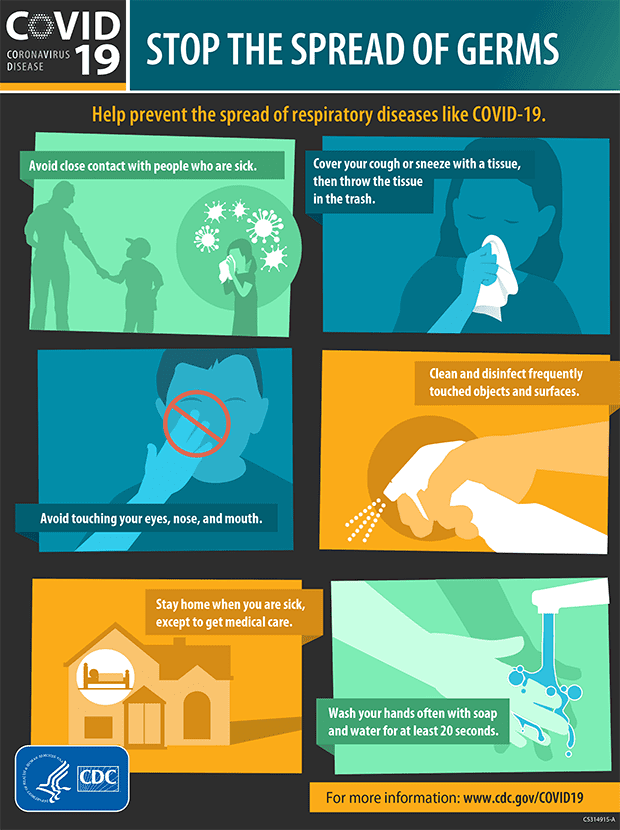
Practicing good hygiene is not only essential for preventing the spread of infections, but it also plays a role in maintaining respiratory wellness. One of the simplest and most effective ways to prevent respiratory illnesses is to wash your hands frequently. Use soap and water and scrub your hands thoroughly for at least 20 seconds, especially after being in public places or touching surfaces that may be contaminated.
In addition to hand hygiene, it is crucial to cover your mouth and nose when sneezing or coughing. Use a tissue or your elbow to cover your mouth and nose to prevent respiratory droplets from spreading to others. This simple act can help reduce the transmission of respiratory illnesses, including the common cold, flu, and COVID-19.
Get Vaccinated
Vaccination is a key component of preventive healthcare. Keeping up with flu and pneumonia vaccinations can significantly reduce your risk of respiratory infections. Influenza can lead to severe respiratory illness, while pneumonia can be a dangerous complication of various respiratory infections. Consult with your healthcare provider about the appropriate vaccine schedule for you and ensure you are up to date with your immunizations.
Manage Stress
Stress can have a negative impact on your overall health, including your respiratory system. Learning to manage stress is crucial for maintaining optimal respiratory wellness. There are various stress-relief techniques you can practice to keep your stress levels in check. Deep breathing exercises, meditation, and mindfulness can all help to calm the mind and relax the body.
Seeking support from friends and family is another important aspect of stress management. Talking about your concerns and worries with loved ones can offer valuable emotional support and help alleviate stress. If you find it difficult to manage stress on your own, consider seeking professional help from a therapist or counselor who can provide you with effective coping strategies.
Maintain a Healthy Weight
Maintaining a healthy weight is vital for overall health, including respiratory wellness. Excess weight can put additional strain on the lungs and lead to breathing difficulties. Monitoring your body mass index (BMI) is an excellent way to assess whether your weight falls within a healthy range. Aim to keep your BMI within the healthy range and work towards achieving a weight that is appropriate for your height and body composition.
Engaging in regular physical activity is a key component of maintaining a healthy weight. Regular exercise helps to burn calories, strengthen the muscles involved in breathing, and improve lung function. Find activities that you enjoy and make them a part of your daily routine to promote lung health.
Monitor Indoor Air Quality
Indoor air quality can have a significant impact on your respiratory health. Taking steps to improve indoor air quality can help reduce the risk of respiratory irritants and pollutants. Consider using air purifiers in your home to filter out harmful particles and improve air circulation. Additionally, keep indoor humidity levels in check, as excessive humidity can promote the growth of mold and dust mites, which can trigger respiratory symptoms.
Stay Hydrated
Staying hydrated is crucial for overall health, including respiratory wellness. Water helps to keep your respiratory system moist and enables the efficient transport of oxygen to your cells. It is recommended to drink sufficient water throughout the day to stay properly hydrated. Aim to drink at least 8 glasses of water daily, and adjust your intake based on factors such as physical activity levels and climate.
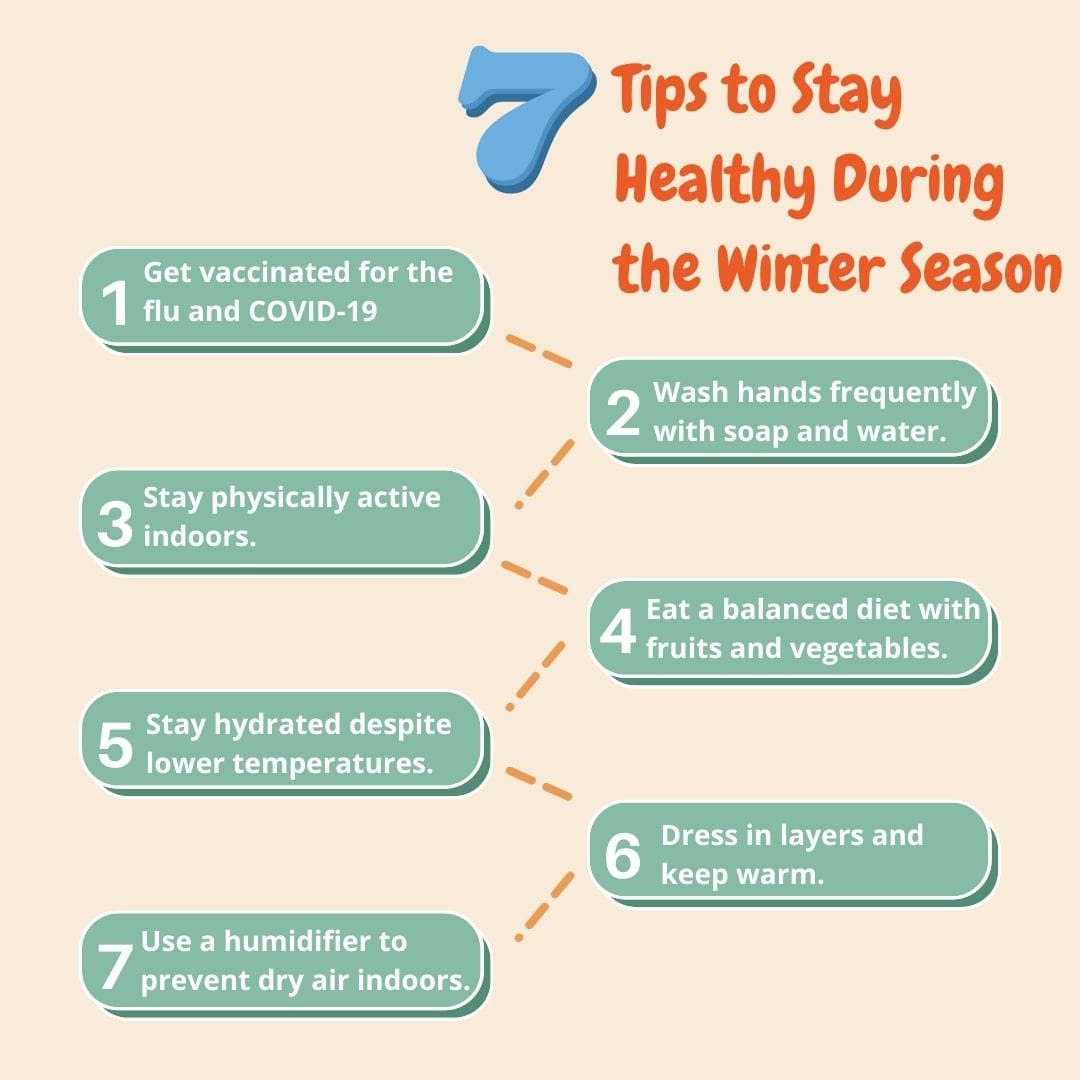
By following these preventive measures for respiratory wellness, you can take control of your lung health and reduce the risk of respiratory illnesses. Remember to maintain a healthy diet, stay active, avoid smoking and secondhand smoke, limit exposure to pollutants, practice good hygiene, get vaccinated, manage stress, maintain a healthy weight, monitor indoor air quality, and stay hydrated. Your lungs will thank you for it!