
As you gracefully age, it’s important to prioritize your safety and maintain an active lifestyle, especially when venturing outdoors. In this article, we will explore the top strategies to help you enjoy outdoor activities while safeguarding your well-being. From embracing the benefits of proper hydration and sun protection to incorporating gentle exercises and choosing suitable footwear, these tips will ensure you can relish in the beauty of nature while staying safe and healthy. So, whether you’re a nature enthusiast or simply looking to explore the great outdoors, let’s explore these top ways to stay safe and active as you gracefully grow older.
Choose activities that are suitable for your age and fitness level
It’s important to choose physical activities that are appropriate for your age and fitness level. This means considering any limitations or health conditions you may have and selecting activities that won’t put too much strain on your body. It’s always a good idea to consult with your doctor before starting any new exercise routine, especially if you have any existing medical conditions or concerns. They can provide guidance on what types of activities would be safe and beneficial for you.
Consult with your doctor
Before embarking on any new physical activities, it’s crucial to consult with your doctor. They can assess your overall health and make recommendations based on your specific needs and limitations. Your doctor will be able to advise you on what types of exercises are appropriate for your age and fitness level. They can inform you of any precautions or modifications you may need to make, as well as any activities you should avoid altogether. By consulting with your doctor, you can ensure that you engage in activities that are not only enjoyable but also safe for you.
Consider low-impact exercises
As you get older, it’s important to consider engaging in low-impact exercises. These types of activities are less strenuous on the joints and can help prevent injuries. Low-impact exercises include activities such as swimming, walking, cycling, and yoga. These activities provide cardiovascular benefits, strengthen muscles, and improve flexibility without putting excessive strain on your body. By choosing low-impact exercises, you can stay active and fit while minimizing the risk of joint pain or other injuries.
Choose activities that promote strength and balance
Maintaining strength and balance becomes increasingly important as we age. Engaging in activities that promote these aspects of physical fitness can help reduce the risk of falls and improve overall stability. Strength-training exercises, such as lifting weights or using resistance bands, can help build muscle mass and increase bone density. Activities that challenge your balance, such as yoga or tai chi, can improve stability and reduce the likelihood of falls. By incorporating activities that promote strength and balance into your routine, you can enhance your overall physical well-being and stay active for years to come.
Warm up before engaging in physical activities
Warming up before engaging in physical activities is crucial for preparing your body and reducing the risk of injury. It’s important to start with gentle stretches to loosen up your muscles and increase flexibility. Focus on stretching all major muscle groups, including your legs, arms, back, and neck. After stretching, include cardiovascular warm-up exercises to get your heart rate up and increase blood flow to your muscles. Activities such as brisk walking, light jogging, or jumping jacks are excellent options for raising your heart rate and warming up your body. Additionally, incorporating dynamic movements, such as arm circles or leg swings, can help loosen up your joints and prepare them for activity.
Start with gentle stretches
Before diving into any physical activity, it’s crucial to start with gentle stretches. Stretches can help improve flexibility, increase range of motion, and reduce the risk of muscle strains or tears. Focus on stretching all major muscle groups, including your quadriceps, hamstrings, calves, shoulders, and chest. Hold each stretch for 15 to 30 seconds and avoid bouncing or overstretching. Remember to breathe deeply and relax into each stretch. By incorporating gentle stretching into your warm-up routine, you can prepare your muscles for exercise and improve your overall performance.
Include cardiovascular warm-up exercises
Cardiovascular warm-up exercises are essential for getting your heart rate up and increasing blood flow to your muscles. These exercises help gradually increase your heart rate and body temperature, preparing your body for more intense physical activity. Brisk walking, light jogging, cycling, or jumping jacks are all excellent options for cardiovascular warm-up exercises. Aim to engage in these activities for about five to ten minutes before starting your main exercise routine. This will help ensure that your body is adequately warmed up and ready for action.
Do dynamic movements to loosen up your joints
Dynamic movements are an excellent way to loosen up your joints and improve mobility before engaging in physical activities. These movements help warm up your joints and increase their range of motion, reducing the risk of injury. Arm circles, leg swings, trunk rotations, and ankle circles are all examples of dynamic movements that you can incorporate into your warm-up routine. Perform each movement for about 10 repetitions on each side, focusing on gradually increasing the range of motion. By including dynamic movements in your warm-up, you can enhance joint flexibility and prepare your body for the demands of physical activity.
Stay hydrated
Staying hydrated is essential for optimal performance and overall well-being, especially when participating in outdoor activities. It’s important to drink plenty of water before going outside to ensure that your body is adequately hydrated. Dehydration can lead to fatigue, muscle cramps, and dizziness, so it’s crucial to drink water regularly throughout the day. Consider bringing a water bottle with you during your outdoor activities to stay hydrated on the go. Make sure to take regular water breaks and listen to your body’s thirst cues. By staying hydrated, you can maintain your energy levels, prevent dehydration, and enhance your overall outdoor experience.
Drink plenty of water before going outside
Before heading outdoors, be sure to drink plenty of water to ensure that your body is adequately hydrated. It’s essential to start your day with a glass of water to replenish any fluids lost during sleep. Aim to drink at least 8 ounces of water before going outside, and consider hydrating with additional water or other fluids beforehand if the weather is particularly warm or if you anticipate engaging in a more strenuous activity. Proper hydration before going outside is key to maintaining your energy levels and preventing dehydration throughout the day.
Bring a water bottle with you
When engaging in outdoor activities, it’s important to bring a water bottle with you to stay hydrated on the go. Choose a water bottle that is easy to carry and holds an adequate amount of water for your needs. Make it a habit to drink water regularly during your activities, even if you don’t feel particularly thirsty. Sip on water every 15 to 20 minutes, especially during prolonged or intense activities. By having a water bottle readily available, you can ensure that you stay hydrated and perform at your best.
Take regular water breaks during your activities
Taking regular water breaks during your outdoor activities is crucial for maintaining hydration and preventing fatigue or heat-related illnesses. Schedule breaks every 30 minutes or so to rest, rehydrate, and listen to your body’s cues. During these breaks, take the time to drink water and replenish any fluids you may have lost through sweating. It’s important to drink even if you don’t feel particularly thirsty, as thirst is not always a reliable indicator of hydration needs. By taking regular water breaks, you can stay hydrated throughout your activities and enjoy them to the fullest.
Protect yourself from the sun
When spending time outdoors, it’s essential to take measures to protect yourself from the sun’s harmful rays. Protecting your skin from sun damage can help prevent premature aging, reduce the risk of skin cancer, and ensure overall skin health. Here are some important steps to take when it comes to sun protection:
Wear sunscreen with a high SPF
Wearing sunscreen is one of the most crucial steps you can take to protect your skin from the sun’s harmful UV rays. Choose a sunscreen with a high sun protection factor (SPF) of at least 30 or higher. Apply sunscreen generously to all exposed areas of your body, including your face, neck, ears, arms, and legs. Reapply sunscreen every two hours, or more frequently if you are sweating or swimming. By wearing sunscreen, you can significantly reduce your risk of sunburn and long-term sun damage.
Use protective clothing, such as hats and sunglasses
In addition to wearing sunscreen, using protective clothing can provide an extra layer of defense against the sun. Wear a wide-brimmed hat to shield your face, neck, and ears from direct sunlight. Look for hats that provide a UPF (Ultraviolet Protection Factor) rating for added sun protection. Don’t forget to wear sunglasses that block both UVA and UVB rays to protect your eyes from harmful sun exposure. Opt for sunglasses with a wrap-around style and a high level of UV protection. By using protective clothing, you can further safeguard your skin and eyes from the sun’s damaging rays.
Seek shade during peak sun hours
It’s important to seek shade during the peak hours when the sun’s rays are strongest, typically between 10 am and 4 pm. If possible, plan your outdoor activities for the early morning or late afternoon when the sun is less intense. When shade is not available, try to create your shade by using umbrellas, canopies, or other sun shelters. By seeking shade during peak sun hours, you can reduce your overall sun exposure and minimize the risk of sunburn and heat-related illnesses.
Dress appropriately for the weather
Dressing appropriately for the weather is essential for staying comfortable and safe during your outdoor activities. By layering your clothing, wearing comfortable and breathable fabrics, and protecting yourself from rain or extreme cold, you can ensure that you stay comfortable and enjoy your time outdoors.
Layer your clothing to adapt to changing temperatures
When it comes to dressing for outdoor activities, layering your clothing is key to adapting to changing temperatures. Begin with a moisture-wicking base layer to keep your skin dry and comfortable. Add a middle layer for insulation and warmth, such as a fleece or light sweater. Finally, wear an outer layer that is windproof and waterproof, such as a jacket or shell. This layering system allows you to easily adjust your clothing as temperatures fluctuate throughout the day. By layering your clothing, you can stay comfortable and avoid overheating or becoming too cold during your outdoor activities.
Wear comfortable and breathable fabrics
Choosing clothing made from comfortable and breathable fabrics is essential for staying comfortable during your outdoor activities. Opt for lightweight materials that allow your skin to breathe, such as cotton or moisture-wicking synthetic fabrics. Avoid materials that trap moisture against your skin, as this can lead to discomfort and chafing. Additionally, prioritize clothing with stretch or flexibility, as this will allow for a full range of motion during your activities. By wearing comfortable and breathable fabrics, you can stay cool, dry, and comfortable throughout your time spent outdoors.
Protect yourself from rain or extreme cold
When venturing outdoors, it’s important to be prepared for inclement weather conditions such as rain or extreme cold. Carry a lightweight, waterproof jacket or poncho in case of unexpected rain showers. Consider wearing a hat or beanie to retain heat and protect your head and ears during colder weather. Wear gloves or mittens to keep your hands warm and protected. If necessary, invest in weatherproof or insulated footwear to ensure your feet stay dry and comfortable. By being prepared for various weather conditions, you can enjoy your outdoor activities regardless of what Mother Nature has in store.
Stay aware of your surroundings
Staying aware of your surroundings is key to ensuring your safety and avoiding potential hazards during your outdoor activities. By choosing well-lit and safe outdoor areas, being cautious of uneven terrain or obstacles, and avoiding high-risk activities or dangerous locations, you can minimize the risk of accidents or injuries.
Choose well-lit and safe outdoor areas
When engaging in outdoor activities, it’s important to choose well-lit and safe outdoor areas. Opt for parks, trails, or recreational areas that are well-maintained and have adequate lighting. Avoid secluded or poorly lit areas that may pose a higher risk for accidents or potential dangers. If possible, exercise in areas that are supervised or frequented by other people. By choosing well-lit and safe outdoor areas, you can enhance your sense of security and reduce the likelihood of encountering hazards.
Be cautious of uneven terrain or obstacles
When participating in outdoor activities, be cautious of uneven terrain or obstacles that may increase the risk of falls or injuries. Watch out for potholes, tree roots, rocks, or other hazards that may be hidden from view. It’s important to pay attention to where you are stepping and to take your time when navigating uneven ground. If necessary, use walking sticks or poles for added stability and support. By being cautious of uneven terrain or obstacles, you can minimize the risk of accidents and ensure a safer outdoor experience.
Avoid high-risk activities or dangerous locations
To prioritize your safety, it’s important to avoid engaging in high-risk activities or visiting dangerous locations. Certain activities may not be suitable for your age or physical abilities and may pose a higher risk of injury. Avoid extreme sports or activities that require a high level of physical exertion if you do not have the necessary training or experience. Similarly, avoid locations that are known for their hazardous conditions, such as areas with high crime rates or unstable structures. By avoiding high-risk activities or dangerous locations, you can reduce the likelihood of accidents or harm.
Use proper equipment and gear
Using proper equipment and gear is essential for staying safe and comfortable during your outdoor activities. By investing in supportive footwear, using walking aids if needed, and wearing protective gear for high-intensity activities, you can ensure that you have the necessary tools to enjoy your outdoor pursuits.
Invest in supportive footwear
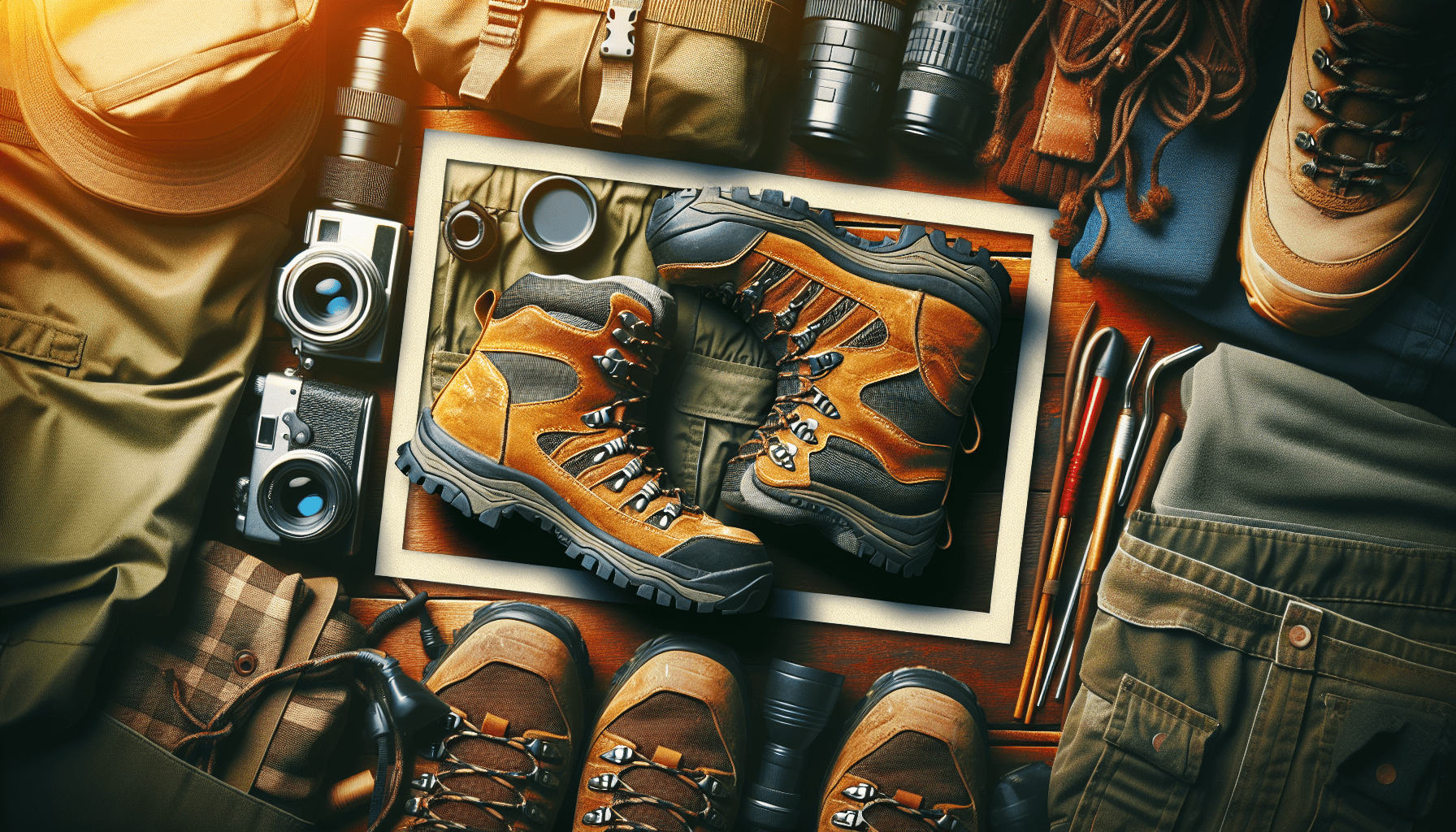
When participating in outdoor activities, investing in supportive footwear is crucial for protecting your feet, ankles, and joints. Opt for athletic shoes or hiking boots that provide ample cushioning and stability. Look for footwear that has good arch support, a non-slip sole, and proper ankle support. Consider consulting with a shoe specialist or podiatrist to ensure that you choose footwear that is appropriate for your specific needs and foot type. By investing in supportive footwear, you can reduce the risk of foot and ankle injuries and enjoy your outdoor activities in comfort.
Use walking aids if needed
If you have difficulty with balance or mobility, using walking aids such as a cane or walking poles can provide added stability and support. These aids can assist in maintaining proper posture, reducing the risk of falls, and relieving pressure on your joints. Consult with a healthcare professional to determine if using walking aids would be beneficial for your specific needs. If recommended, choose walking aids that are adjustable and suited to your height and grip preferences. By using walking aids if needed, you can enhance your overall safety and confidence during outdoor activities.
Wear protective gear for high-intensity activities
When engaging in high-intensity activities or sports, it’s important to wear protective gear to minimize the risk of injuries. Depending on the activity, protective gear may include items such as helmets, knee pads, elbow pads, or wrist guards. Research the specific equipment recommended for the activity you are participating in and ensure that you have the appropriate gear. Properly fitting and well-maintained protective gear can help prevent serious injuries, especially in activities that involve speed, impact, or potential collisions. By wearing protective gear, you can participate confidently and reduce the risk of injury.
Listen to your body
Listening to your body is crucial for staying safe and avoiding overexertion during your outdoor activities. Pay attention to any pain or discomfort that you may experience, take breaks when needed, and modify activities if necessary. By tuning in to your body’s signals, you can prevent overuse injuries and ensure that you engage in activities that are suitable for your capabilities.
Pay attention to any pain or discomfort
During your outdoor activities, it’s important to pay attention to any pain or discomfort that you may experience. Pain can be an indicator of an underlying injury or a sign that you may be pushing your body too hard. If you experience any sharp or persistent pain, stop the activity and rest. If the pain continues or worsens, consult with a healthcare professional for proper evaluation and treatment. Ignoring pain can lead to further damage or chronic conditions. By paying attention to any pain or discomfort, you can take appropriate steps to prevent injury and ensure your safety.
Take breaks when needed
Taking breaks when needed is essential for preventing overexertion and allowing your body to rest and recover. Listen to your body’s signals of fatigue or exhaustion and take breaks accordingly. Resting during your activities can help prevent muscle fatigue, dehydration, and overheating. Find a comfortable spot to sit, relax, and rehydrate before resuming your activity. Even brief breaks can make a significant difference in your overall energy levels and performance. By taking breaks when needed, you can ensure that you are engaging in activities at a pace that is suitable for your body.
Modify activities if necessary
If an activity feels too challenging or causes discomfort, don’t hesitate to modify it to better suit your needs. There are often alternative exercises or modifications that can be made to reduce the strain on your body. For example, if running feels too strenuous, try power-walking or using an elliptical machine instead. If a yoga pose is too difficult, seek modifications or use props to support your body. The key is finding activities that you enjoy and that you can comfortably perform. By modifying activities if necessary, you can still reap the benefits of physical activity while minimizing the risk of injury or discomfort.
Stay connected with others
Staying connected with others when engaging in outdoor activities can enhance safety and add a social element to your experiences. By exercising with a friend or joining a group, sharing your plans with someone, and carrying a mobile phone for emergencies, you can ensure that you have the necessary support and assistance when needed.
Exercise with a friend or join a group
Exercising with a friend or joining a group can provide added motivation, companionship, and increased safety during your outdoor activities. Find a workout buddy who shares similar fitness goals and interests. This can make exercising more enjoyable and help keep each other accountable. Alternatively, consider joining a fitness class, a walking group, or a sports team. Not only will you benefit from the social aspect, but there will also be other individuals present who can provide help or support if needed. By staying connected with others, you can enhance your outdoor experiences and ensure your well-being.
Share your plans with someone
Before heading outdoors, it’s important to share your plans with someone you trust. Let them know where you will be going, what activity you’ll be doing, and when you expect to return. Provide them with your contact information and any relevant details. This way, if something unexpected happens or you encounter any difficulties, someone will be aware of your whereabouts and can provide assistance if necessary. By sharing your plans with someone, you can have peace of mind knowing that there is a backup support system in place.
Carry a mobile phone for emergencies
Carrying a mobile phone with you during your outdoor activities is essential for emergencies or if you need to reach out for help. Make sure your phone is fully charged before heading out and keep it readily accessible in case of an emergency. Consider storing emergency contacts in your phone or using apps that can track your location in case you are unable to call for help. By having a mobile phone with you, you can quickly and easily reach out for assistance if needed.
Prioritize safety
When engaging in outdoor activities, it’s crucial to prioritize safety. By following traffic rules if exercising near roads, avoiding exercising alone in secluded areas, and being prepared for emergencies by carrying necessary medication, you can ensure a safe and enjoyable outdoor experience.
Follow traffic rules if exercising near roads
If you are exercising near roads or in areas with vehicular traffic, it’s important to follow traffic rules and be mindful of your surroundings. Always use designated pedestrian crossings and sidewalks when available. Observe traffic signals and look both ways before crossing the street. Make yourself visible by wearing reflective clothing or using a headlamp or flashlight when exercising in low-light conditions. By being cautious and following traffic rules, you can reduce the risk of accidents or collisions with vehicles.
Avoid exercising alone in secluded areas
Exercising alone in secluded areas can pose potential safety risks. It’s important to avoid venturing out to isolated locations, particularly during odd hours or when visibility is limited. If possible, exercise in well-populated and well-lit areas where there is likely to be other people nearby. This can act as a deterrent to potential threats or provide assistance if needed. If you prefer exercising alone, consider carrying a personal safety alarm or whistle to attract attention in case of an emergency. By avoiding exercising alone in secluded areas, you can significantly enhance your safety and reduce the risk of encountering dangerous situations.
Be prepared for emergencies and carry necessary medication
Being prepared for emergencies is crucial when engaging in outdoor activities. Always carry any necessary medication with you, especially if you have any pre-existing medical conditions. This includes medications for allergies, asthma, heart conditions, or any other conditions that require regular medication. If you have any known allergies or medical conditions, consider wearing a medical ID bracelet or carrying a card with your medical information. By being prepared and having necessary medication on hand, you can respond appropriately to any unforeseen medical emergencies.
In conclusion, staying safe and active outdoors as you get older requires a combination of thoughtful planning, preparation, and awareness of your body’s limitations. By choosing activities that are suitable for your age and fitness level, warming up before engaging in physical activities, staying hydrated, protecting yourself from the sun, dressing appropriately for the weather, staying aware of your surroundings, using proper equipment and gear, listening to your body, staying connected with others, and prioritizing safety, you can enjoy the benefits of outdoor activities while minimizing the risk of injuries or accidents. Remember to consult with your doctor, pay attention to your body, and take necessary precautions to ensure that your outdoor experiences are enjoyable, productive, and safe.