
Welcome to a comprehensive guide on understanding and managing asthma symptoms. Asthma is a common chronic respiratory condition that affects millions of individuals worldwide. In this article, you will learn about the causes, symptoms, and triggers of asthma, as well as effective strategies for managing and controlling your symptoms to improve your quality of life. Whether you are newly diagnosed or have been living with asthma for years, this article will provide you with valuable insights and practical tips to help you breathe easier.
Understanding And Managing Asthma Symptoms
Have you been experiencing difficulty breathing, wheezing, or coughing frequently? It may be a sign of asthma, a chronic condition that affects the airways in your lungs. In this article, we will explore what asthma is, how to identify its symptoms, and how to effectively manage them.
What Is Asthma?
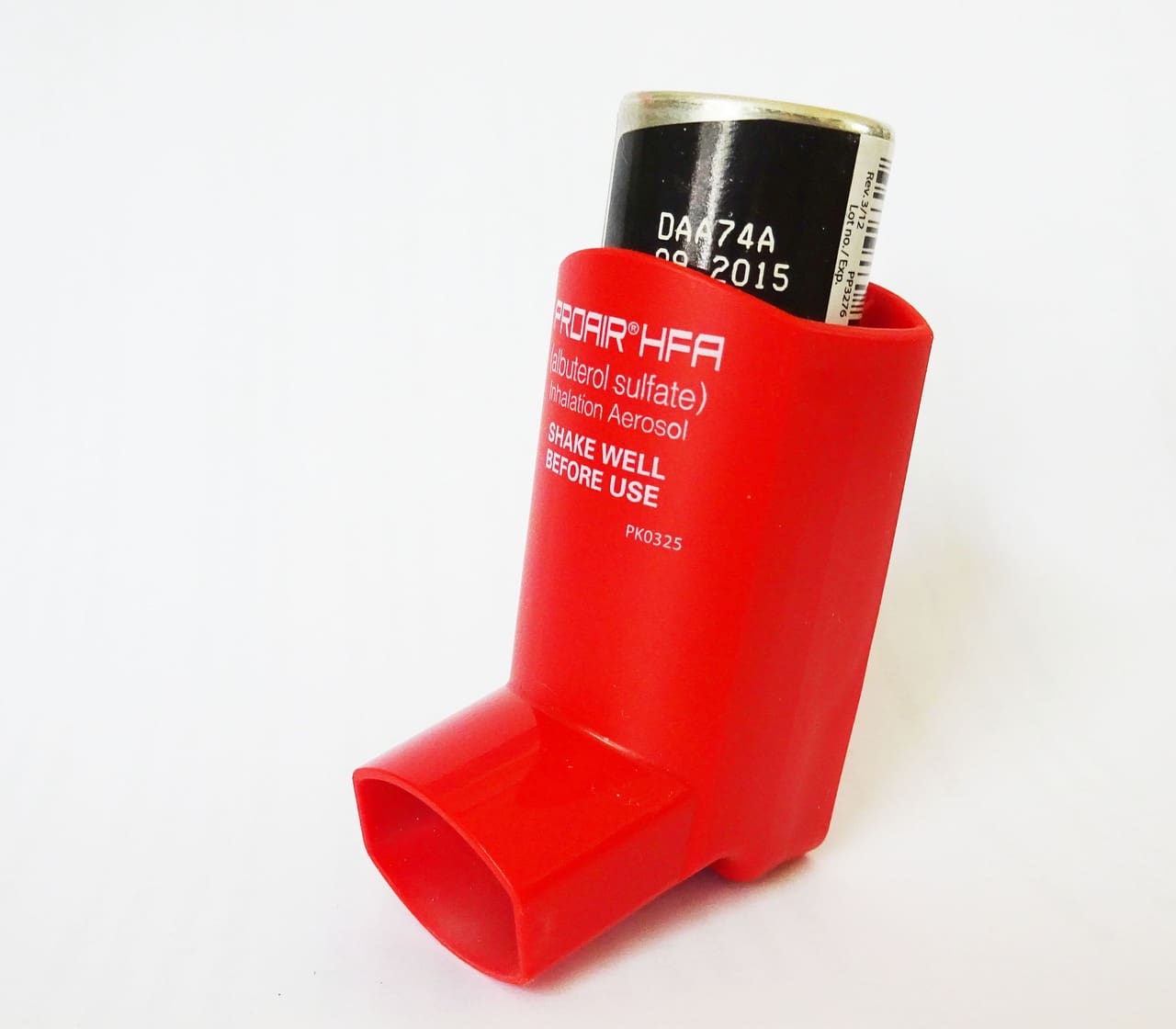
Asthma is a chronic respiratory condition that causes inflammation and narrowing of the airways in the lungs. This can lead to difficulty breathing, wheezing, coughing, and tightness in the chest. It is a common condition that affects people of all ages, and while there is no cure for asthma, it can be effectively managed with proper treatment and lifestyle changes.
Identifying Asthma Symptoms
If you suspect that you may have asthma, it’s important to recognize the common symptoms associated with the condition. These may include:
- Shortness of breath: Feeling like you can’t catch your breath or struggling to breathe normally.
- Wheezing: A whistling or squeaky sound that occurs when you breathe.
- Coughing: Especially at night or early in the morning.
- Chest tightness: A feeling of pressure or squeezing in the chest.
If you are experiencing any of these symptoms on a regular basis, it’s important to see a healthcare provider for a proper diagnosis. They may conduct tests such as spirometry or peak flow measurements to assess your lung function and determine if you have asthma.
Common Asthma Triggers
Asthma symptoms can be triggered or worsened by a variety of factors, known as triggers. Common asthma triggers include:
- Allergens: Such as pollen, dust mites, pet dander, and mold.
- Irritants: Like tobacco smoke, air pollution, strong odors, or chemicals.
- Respiratory infections: Such as colds, flu, or sinus infections.
- Exercise: Particularly in cold, dry air.
- Weather changes: Such as cold air, humidity, or thunderstorms.
By identifying and avoiding your triggers, you can help to better manage your asthma symptoms and reduce the frequency and severity of asthma attacks.
Asthma Action Plan
An asthma action plan is a personalized plan created by your healthcare provider to help you manage your asthma on a daily basis and in case of an asthma attack. It typically includes:
- Medications: Both long-term controllers and quick-relief medications.
- Triggers to avoid: Such as allergens or irritants.
- Symptoms to monitor: And when to seek medical attention.
- Emergency contacts: Including your healthcare provider and emergency services.
Following your asthma action plan can help you stay on top of your symptoms, track your lung function, and know what to do in case of an emergency.
Medications for Asthma
There are several types of medications used to manage asthma symptoms, including:
- Inhaled corticosteroids: To reduce inflammation in the airways.
- Long-acting beta-agonists: To relax the muscles around the airways.
- Leukotriene modifiers: To decrease inflammation and mucus production.
- Quick-relief medications: Such as bronchodilators, to provide immediate relief during an asthma attack.
Your healthcare provider will determine the best medication regimen for you based on the severity of your asthma symptoms and your individual needs.
Using an Asthma Inhaler
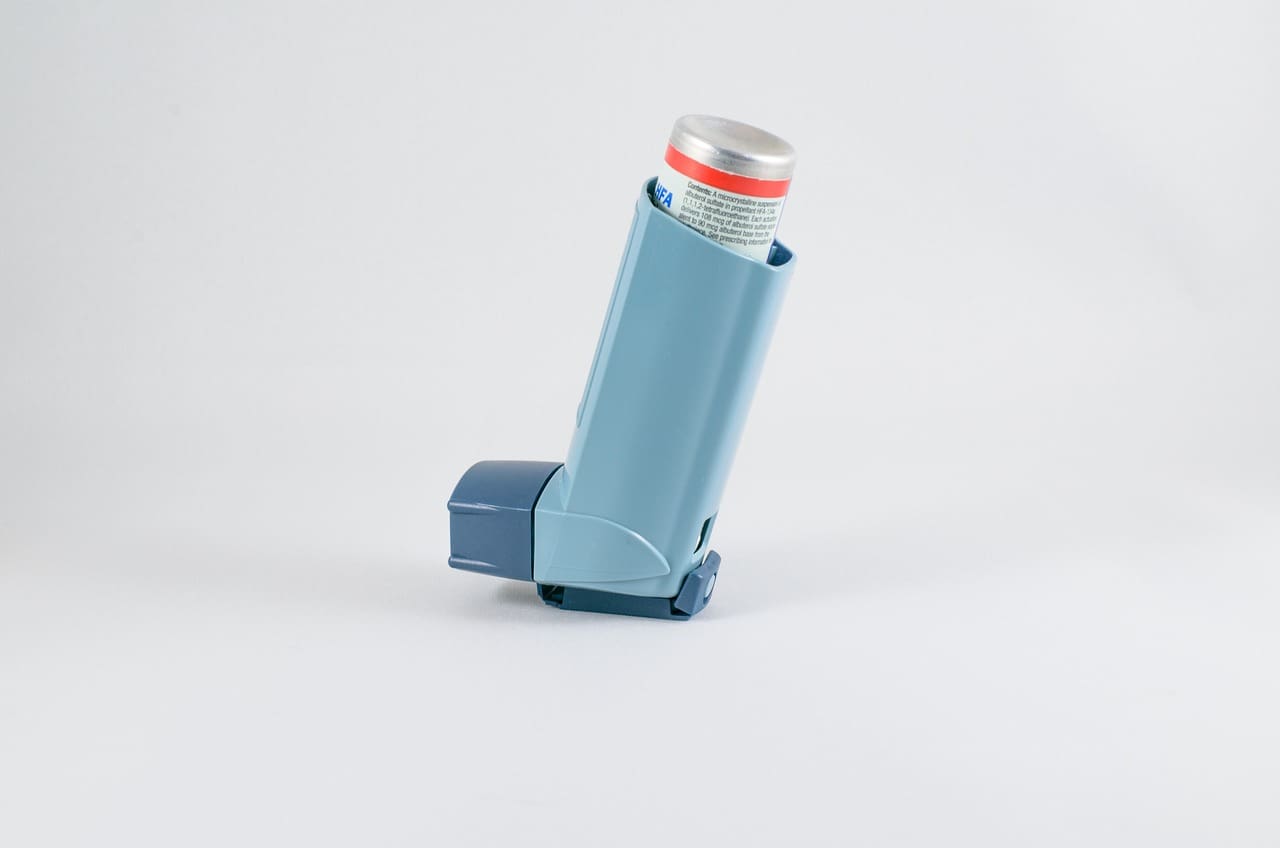
Using an inhaler is a common way to deliver asthma medications directly to your lungs. There are different types of inhalers, including:
- Metered-dose inhalers: Which release a specific dose of medication when pressed.
- Dry powder inhalers: Which require you to breathe in quickly to deliver the medication.
It’s important to use your inhaler correctly to ensure that you are getting the full dose of medication. Your healthcare provider can demonstrate the proper technique for using your inhaler and provide you with a spacer, if needed, to help improve delivery of the medication.
Asthma and Physical Activity
Regular physical activity is important for overall health, but for people with asthma, exercise can sometimes trigger symptoms. However, with proper management and precautions, most people with asthma can safely participate in physical activity. Here are some tips for exercising with asthma:
- Warm up: Start with a gentle warm-up to prepare your lungs for exercise.
- Choose the right activities: Opt for low-impact activities like walking, swimming, or yoga.
- Monitor your symptoms: Be mindful of how your body is responding to exercise and adjust intensity as needed.
- Use your inhaler: Take your quick-relief medication before exercising to prevent symptoms.
By staying active and incorporating exercise into your routine, you can help improve your lung function, strengthen your respiratory muscles, and better manage your asthma symptoms.
Asthma and Nutrition
While there is no specific diet or food that can cure asthma, maintaining a healthy and balanced diet can help support your overall health and potentially reduce inflammation in the body. Some dietary tips for managing asthma symptoms include:
- Eating more fruits and vegetables: To provide essential nutrients and antioxidants.
- Consuming omega-3 fatty acids: Found in fish, flaxseeds, and walnuts, which have anti-inflammatory properties.
- Limiting processed foods: Which can contain additives or preservatives that may trigger asthma symptoms.
- Staying hydrated: Drinking plenty of water to keep mucus thin and help with breathing.
It’s important to listen to your body and pay attention to how certain foods may be affecting your asthma symptoms. Keeping a food diary can help you identify potential triggers and make informed decisions about your diet.
Managing Stress and Anxiety with Asthma
Stress and anxiety can exacerbate asthma symptoms and make it harder to manage the condition. Practicing stress-reducing techniques can help you relax, stay calm, and reduce the likelihood of an asthma flare-up. Some strategies for managing stress and anxiety with asthma include:
- Deep breathing: Taking slow, deep breaths can help calm your mind and body.
- Mindfulness meditation: Practicing mindfulness can help you stay present and reduce anxious thoughts.
- Yoga or Tai Chi: Gentle movement and stretching can relieve tension and promote relaxation.
- Talking to a therapist: Counseling or therapy can provide coping strategies and support for managing stress.
By incorporating stress-reducing practices into your daily routine, you can improve your overall well-being, reduce the impact of stress on your asthma symptoms, and feel more in control of your condition.
Asthma and Smoking
Smoking and exposure to secondhand smoke can worsen asthma symptoms and increase the risk of asthma attacks. If you have asthma, it’s important to avoid smoking and exposure to tobacco smoke to protect your lungs and improve your respiratory health. If you are a smoker, quitting can greatly benefit your asthma management and overall health.
Monitoring Your Asthma Symptoms
Regular monitoring of your asthma symptoms and lung function is essential for effectively managing the condition. Keeping track of your symptoms can help you identify triggers, recognize patterns, and adjust your treatment plan as needed. Some methods for monitoring your asthma symptoms include:
- Peak flow meter: A handheld device that measures how fast you can breathe out.
- Symptom diary: Recording your symptoms, triggers, medications, and peak flow readings.
- Virtual check-ins: Using telehealth services to connect with your healthcare provider for remote monitoring and support.
- Regular check-ups: Seeing your healthcare provider regularly to assess your asthma control and make any necessary adjustments to your treatment plan.
By staying proactive and engaged in managing your asthma, you can stay on top of your symptoms, prevent asthma attacks, and enjoy a better quality of life.
Seeking Support for Asthma Management
Living with asthma can be challenging, but you don’t have to do it alone. Seeking support from healthcare providers, support groups, or online communities can provide encouragement, information, and resources to help you effectively manage your asthma. Connecting with others who have asthma can also offer a sense of community, understanding, and shared experiences.
Remember, managing asthma is a journey, and there may be ups and downs along the way. By staying informed, proactive, and connected, you can take control of your asthma symptoms, reduce the impact of the condition on your daily life, and breathe easier.