
Welcome to an article filled with expert tips for preventive dental care to help you maintain a healthy smile! In this informative piece, you will learn about the importance of regular dental check-ups, proper brushing and flossing techniques, the role of a balanced diet in dental health, and other valuable tips to keep your teeth and gums in top condition. By following these expert recommendations, you can ensure that your smile stays bright and beautiful for years to come.
Expert Tips For Preventive Dental Care
Do you want to keep your teeth healthy and avoid costly dental procedures in the future? In this article, we will provide you with expert tips for preventive dental care that will help you maintain good oral health and prevent common dental issues.

Importance of Preventive Dental Care
Taking care of your teeth and gums is essential for overall health and well-being. Preventive dental care plays a crucial role in maintaining good oral hygiene and preventing dental problems such as cavities, gum disease, and tooth decay. By following a proper oral hygiene routine and visiting your dentist regularly, you can avoid unnecessary pain, discomfort, and expenses associated with dental issues.
Daily Oral Hygiene Routine
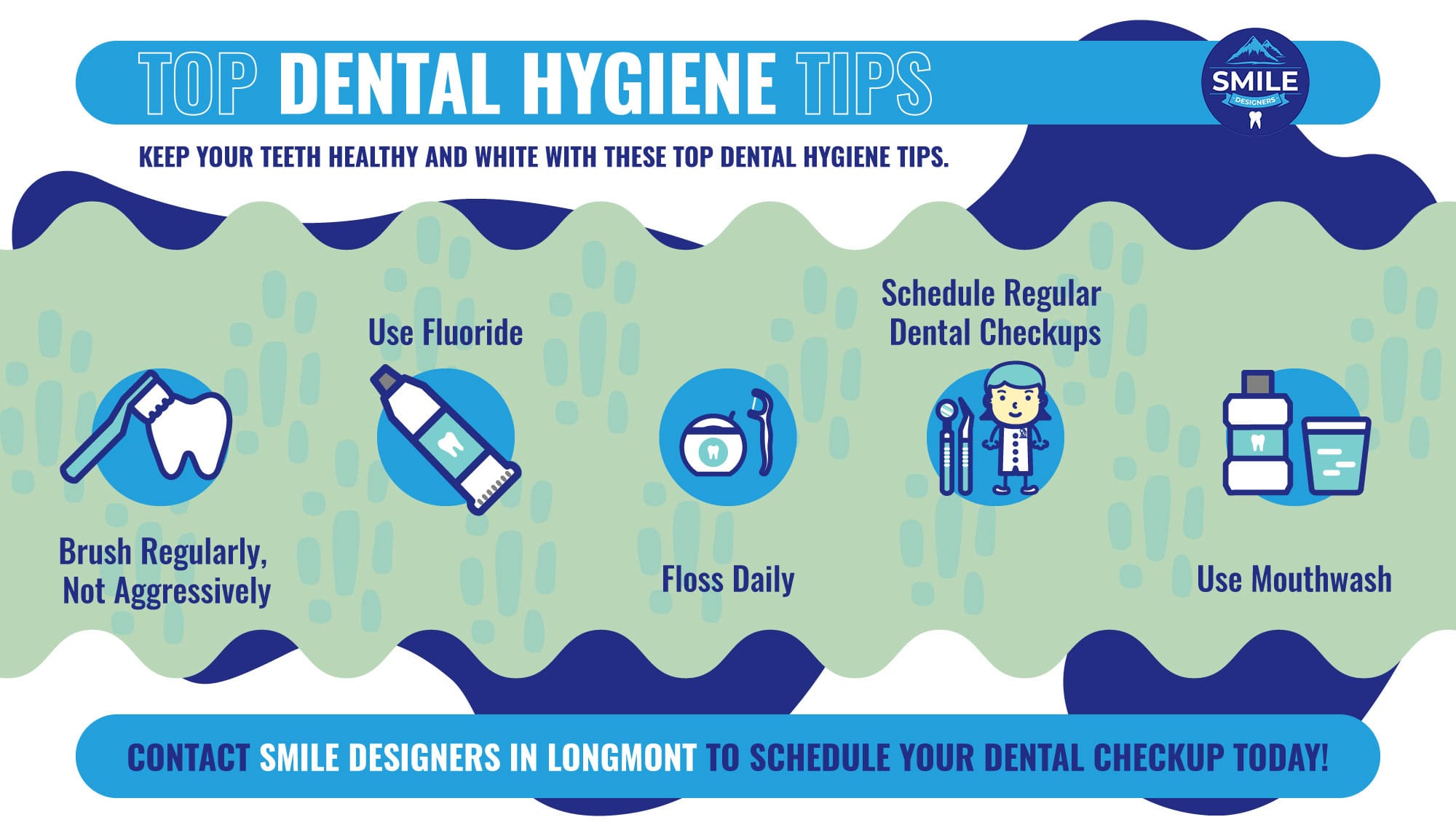
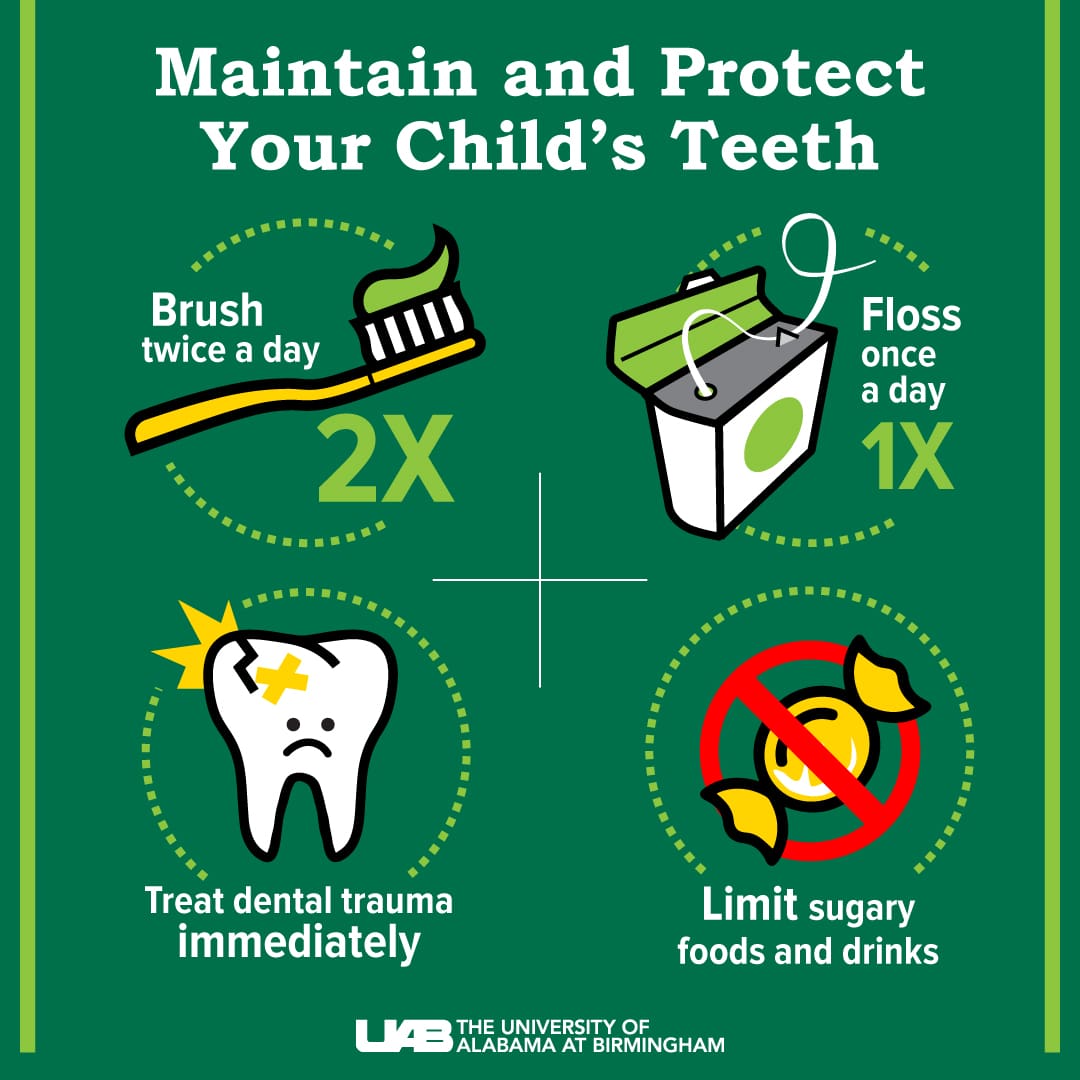
Your daily oral hygiene routine is the foundation of good dental health. Brushing your teeth at least twice a day, flossing daily, and using mouthwash are essential habits that can help prevent plaque buildup, cavities, and gum disease. Remember to use a fluoride toothpaste and replace your toothbrush every three months to ensure proper dental care.
The Right Way to Brush Your Teeth
When it comes to brushing your teeth, technique matters. Use a soft-bristled toothbrush and fluoride toothpaste to gently brush your teeth in circular motions. Be sure to brush all surfaces of your teeth, including the front, back, and chewing surfaces. Don’t forget to brush your tongue to remove bacteria and freshen your breath.
Benefits of Flossing
Flossing is an essential part of your oral hygiene routine that helps remove food particles and plaque from between your teeth. By flossing daily, you can prevent cavities, gum disease, and bad breath. Make sure to use proper flossing technique by gently guiding the floss between your teeth and curve it into a C shape to clean the sides of each tooth.
Importance of Regular Dental Check-ups
Regular dental check-ups are key to preventive dental care. Visiting your dentist every six months for a professional cleaning and examination can help detect early signs of dental issues and prevent serious problems later on. Your dentist can also provide valuable advice on proper oral hygiene practices and recommend treatments to maintain your oral health.
Professional Dental Cleaning
Professional dental cleaning by a dental hygienist is an essential part of preventive dental care. During a cleaning session, your hygienist will remove plaque and tartar buildup from your teeth and gums, reducing the risk of cavities and gum disease. Professional cleaning can also help brighten your smile and improve your overall oral health.
Dental Sealants
Dental sealants are thin protective coatings applied to the chewing surfaces of your molars to prevent cavities and tooth decay. Sealants act as a barrier against bacteria and food particles that can cause cavities. Getting sealants for your teeth, especially for children, can provide an extra layer of protection and reduce the risk of dental problems in the future.
Fluoride Treatments
Fluoride is a mineral that strengthens tooth enamel and helps prevent tooth decay. Fluoride treatments at your dentist’s office or using fluoride toothpaste at home can help protect your teeth from cavities and maintain good oral health. Fluoride is especially beneficial for children’s developing teeth and adults at risk of cavities.
Healthy Diet for Dental Health
Your diet plays a significant role in your overall dental health. Eating a balanced diet rich in fruits, vegetables, and dairy products can provide essential nutrients that promote strong teeth and gums. Avoid sugary and acidic foods and beverages that can erode tooth enamel and increase the risk of cavities. Drinking plenty of water and chewing sugar-free gum can also help maintain oral health.
Avoid Habits That Harm Your Teeth
Certain habits can harm your teeth and contribute to dental problems. Avoid smoking and using tobacco products, as they can stain your teeth, cause gum disease, and increase the risk of oral cancer. Limit your intake of sugary snacks and drinks, as they can lead to tooth decay and cavities. Be mindful of habits like chewing on ice and using your teeth as tools to prevent damage to your teeth and gums.
Protect Your Teeth During Sports
If you participate in sports or recreational activities, it’s essential to protect your teeth from potential injuries. Wear a mouthguard while playing contact sports or engaging in activities that pose a risk of dental trauma. A custom-fitted mouthguard can prevent broken teeth, jaw injuries, and other dental emergencies, ensuring your oral health remains intact.
Address Dental Concerns Promptly
If you experience any dental pain, sensitivity, or other concerns, don’t ignore them. Addressing dental issues promptly can prevent them from worsening and requiring more invasive treatments. Contact your dentist if you have toothaches, bleeding gums, or any other symptoms that indicate a potential dental problem. Early intervention can save you from unnecessary discomfort and expenses in the long run.
The Importance of Patient Education
As a patient, it’s essential to educate yourself about proper oral hygiene practices and preventive dental care. By understanding the importance of maintaining good dental health and following expert tips, you can take control of your oral hygiene and prevent common dental issues. Ask your dentist for advice on personalized oral care routines that suit your individual needs and lifestyle.
In conclusion, preventive dental care is crucial for maintaining good oral health and preventing dental problems. By following expert tips such as practicing a daily oral hygiene routine, visiting your dentist regularly, and making healthy lifestyle choices, you can keep your teeth and gums in optimal condition. Remember that prevention is always better than cure when it comes to dental care, so prioritize your oral health and take proactive steps to care for your smile.