Are you looking to stay safe and injury-free while engaging in physical activity? Look no further, because we’ve got you covered! In this article, we will discuss the best practices for preventing injuries during physical activity. Whether you’re a seasoned athlete or just starting out, these tips and strategies will help you minimize the risk of getting hurt, so you can focus on enjoying your favorite activities to the fullest. From proper warm-ups and cool-downs to using the right equipment, we’ve compiled the essential guidelines to keep you healthy and active. So lace up your sneakers and get ready to learn how to stay injury-free!
Warm-up and Cool-down
Importance of warming up
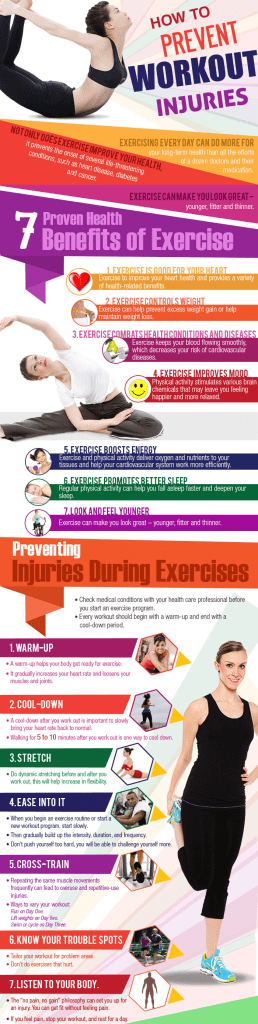
Warming up before any physical activity is crucial in preparing your body for the demands it will face during exercise. By gradually increasing your heart rate and circulation, warming up helps to optimize the delivery of oxygen and nutrients to your muscles, reducing the risk of injury. It also loosens up your joints and muscles, enhancing your range of motion and flexibility. Neglecting to warm up properly can lead to muscle pulls, strains, and other injuries.
Types of warm-up exercises
There are various types of warm-up exercises that you can incorporate into your routine. Some common warm-up activities include light cardio exercises like jogging or cycling, dynamic stretching exercises that involve moving your body through a range of motion, and sport-specific drills that mimic the movements you’ll be performing during your workout or activity. It’s important to choose warm-up exercises that target the muscles you’ll be using and gradually increase the intensity as you warm up.
Cool-down exercises
Just as warming up is essential before physical activity, cooling down after a workout is equally important. Cooling down helps your body transition from the heightened state of exercise back to rest, reducing your heart and breathing rates slowly. It also aids in the removal of metabolic waste products, such as lactic acid, that can build up in your muscles during intense workouts. Engaging in low-intensity activities like walking or static stretching can help cool down your body and promote proper recovery.
Stretching after physical activity
Stretching after physical activity can be beneficial for your overall flexibility and muscle recovery. During exercise, your muscles can become tight, and stretching helps to alleviate that tightness and prevent muscle imbalances. Static stretching, where you hold a stretch for a period of time, can be effective after a workout. However, it’s important not to stretch cold muscles, so be sure to warm up before engaging in static stretching. Additionally, incorporating dynamic stretching throughout your warm-up and cool-down can help improve your mobility and prepare your body for the demands of physical activity.
Proper Technique and Form
Understanding correct technique
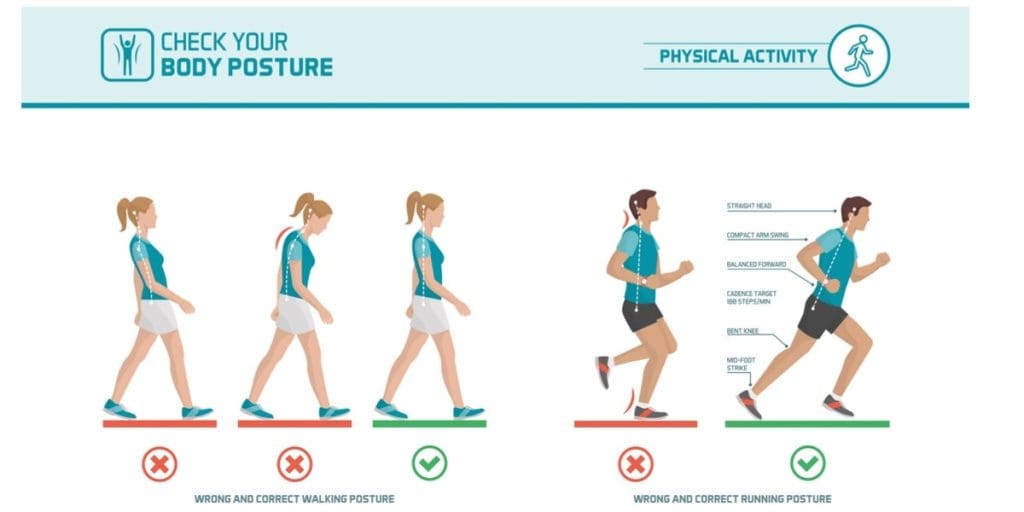
Understanding and practicing correct technique and form is vital to prevent injuries during physical activity. Poor technique can place unnecessary stress on joints, muscles, and other tissues, increasing the risk of strains, sprains, and overuse injuries. Whether you’re lifting weights, running, or participating in team sports, taking the time to learn and execute proper technique is essential. This may involve consulting with a coach, trainer, or instructor who can provide guidance and ensure you’re using the correct form.
Getting professional instruction
When starting a new activity or sport, it’s always a good idea to seek professional instruction. Experienced coaches, trainers, or instructors can teach you the correct techniques and provide valuable feedback on your form. They can also help tailor your training program to your individual needs and skill level. Professional instruction not only enhances your safety but also maximizes your performance potential and minimizes the risk of injury.
Start with low intensity
Regardless of your fitness level, it’s crucial to start any new physical activity or workout at a low intensity. Gradually increase the intensity and duration of the exercise as your body adapts and becomes stronger. Pushing yourself too hard too soon can lead to overuse injuries, fatigue, and burnout. By starting slowly and allowing your body to adjust, you can build a solid foundation and progress in a safer and more sustainable manner.
Progressing gradually
Progressing gradually is key to injury prevention and long-term success in any physical activity. Rapid increases in intensity, volume, or weight can overwhelm your body’s capacity to adapt, increasing the risk of injuries. Instead, aim for incremental improvements over time. This could involve gradually increasing your running mileage, adding resistance to your strength training, or challenging yourself with more advanced skills in team sports. Slow and steady progress allows your body to adapt, minimizing the chances of overexertion and injury.
Appropriate Equipment
Choosing the right shoes
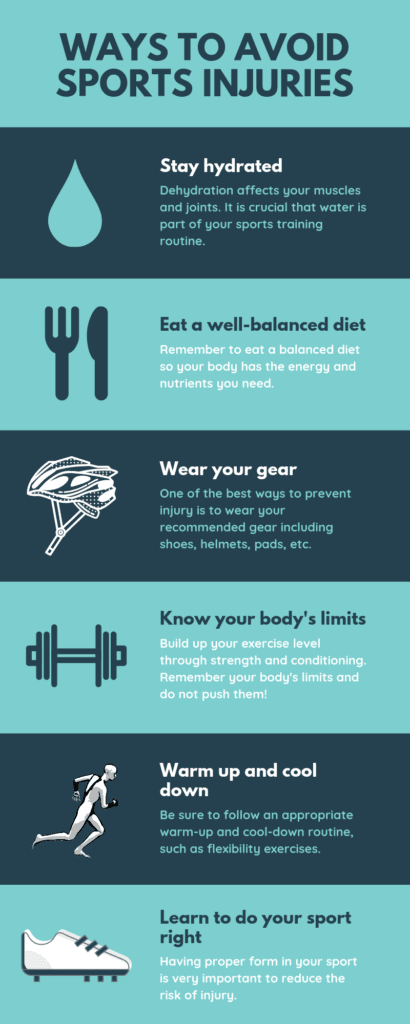
Selecting the right shoes for your chosen physical activity is essential to reduce the risk of foot, ankle, and lower limb injuries. Different activities require different types of footwear, so it’s important to choose shoes that provide adequate support, cushioning, stability, and traction. Running shoes, for example, should have proper arch support and shock absorption, while basketball shoes should provide ankle support and good traction on the court. Always try on shoes before purchasing them to ensure the proper fit and comfort.
Using protective gear
In certain sports and activities, the use of protective gear is crucial for injury prevention. Helmets, mouthguards, knee pads, elbow pads, and shin guards can all help protect vulnerable areas from impact and reduce the risk of fractures, cuts, and bruises. Make sure to wear the appropriate protective gear for your chosen activity and ensure it fits properly. Regularly check your protective equipment for any signs of wear and replace them when necessary to maintain their effectiveness.
Properly fitted equipment
Beyond shoes and protective gear, ensuring that all your equipment fits properly is essential. Ill-fitting equipment can interfere with your technique, stability, and overall performance, increasing the risk of injuries. For activities like cycling, make sure your bike is adjusted to the right height and that the saddle and handlebars are positioned correctly. In weightlifting, using the proper grip and hand positioning on equipment like barbells and dumbbells is crucial. Take the time to familiarize yourself with proper equipment setup and seek assistance if needed.
Regular equipment maintenance
Regular maintenance of your equipment is vital for safety and injury prevention. Inspect your gear regularly for any signs of wear, damage, or malfunction. This includes checking the condition of your bike tires, inspecting the integrity of your exercise bands, and ensuring that your weightlifting equipment is in good working order. Taking the time to properly clean, lubricate, and maintain your equipment will not only extend its lifespan but also minimize the risk of accidents or injuries caused by faulty gear.
Hydration and Nutrition
Importance of staying hydrated
Staying hydrated is crucial before, during, and after physical activity. Water is essential for maintaining optimal bodily functions, including regulating body temperature, lubricating joints, and transporting nutrients. When you’re engaged in physical activity, your body loses water through sweat, and if not replenished, this can lead to dehydration. Dehydration can cause fatigue, muscle cramps, dizziness, and even more severe complications. To prevent dehydration, drink water throughout the day and ensure you have a water bottle with you during exercise.
Proper nutrition for physical activity
Maintaining a balanced diet is essential for fueling your body and supporting your physical activity. A focus on consuming a variety of whole foods, including lean proteins, fruits, vegetables, whole grains, and healthy fats, will provide the necessary nutrients for energy production, muscle recovery, and overall health. Before engaging in intense exercise, consuming a small meal or snack that includes carbohydrates can help provide the necessary fuel for your workout.
Preventing dehydration and fatigue
In addition to staying hydrated, it’s important to monitor your body’s fluid balance during exercise. Pay attention to signs of dehydration, such as dark urine, dry mouth, or feeling excessively thirsty. If you’re engaging in prolonged or intense exercise, consider consuming a sports drink that contains electrolytes to replace the minerals lost through sweat. This can help prevent fatigue, muscle cramps, and other symptoms associated with dehydration.
Eating a balanced diet
Maintaining a balanced diet rich in carbohydrates, proteins, and healthy fats is crucial for optimal performance and injury prevention. Carbohydrates provide the primary fuel source for physical activity, while proteins help repair and build muscle tissue. Healthy fats aid in nutrient absorption and provide long-lasting energy. By fueling your body adequately through whole foods and avoiding excessive intake of processed and sugary foods, you can support your body’s needs for physical activity and promote overall health.
Listening to Your Body
Recognizing signs of fatigue
Listening to your body and recognizing signs of fatigue is essential for injury prevention. Pushing through extreme fatigue or pain can lead to overtraining, which can increase the risk of injuries and negatively impact your performance. If you consistently feel tired, experience muscle soreness that doesn’t go away, have difficulty sleeping, or notice a decline in motivation, it may be a sign that you need to take a rest day or adjust the intensity of your workouts.
Taking breaks when needed
Taking regular breaks during physical activity is crucial for giving your body time to rest and recover. This is particularly important in activities that involve repetitive motions or high-impact movements. Incorporate rest periods into your workout routine, allowing your muscles and joints to recover between sets or intervals. If you’re engaged in prolonged endurance activities, such as running or cycling, take scheduled breaks to hydrate and refuel.
Resting and recovering
Rest and recovery are just as important as the physical activity itself. Engaging in regular rest days and incorporating active recovery sessions into your routine helps prevent burnout, reduces the risk of overuse injuries, and allows your body to repair and rebuild muscle tissue. Adequate sleep is also crucial for recovery, as it plays a vital role in muscle tissue repair, hormone regulation, and overall physical and mental well-being. Strive for 7-9 hours of quality sleep per night.
Avoiding overtraining
Overtraining is a common pitfall that can lead to a range of physical and mental health issues. It occurs when you consistently push your body beyond its capacity to recover and adapt. Signs of overtraining can include decreased performance, persistent fatigue, increased susceptibility to illness, mood disturbances, and changes in appetite. To avoid overtraining, ensure you have rest days built into your training program, pay attention to your body’s signals, and listen to your coach or trainer’s advice on appropriate training volumes and intensities.
Environmental Considerations
Adapting to weather conditions
Environmental factors play a significant role in injury prevention during physical activity. When exercising outdoors, it’s important to adapt to weather conditions such as heat, cold, humidity, or wind. In extreme heat, exercise during cooler parts of the day, stay well-hydrated, and dress in lightweight, breathable clothing. In cold weather, layer your clothing to stay warm and protect your extremities from frostbite. Being aware of and preparing for weather conditions can help reduce the risk of heatstroke, hypothermia, or other weather-related injuries.
Dressing appropriately
Wearing appropriate clothing for your chosen activity is essential for comfort, safety, and injury prevention. Choose moisture-wicking fabrics that allow sweat to evaporate and keep your body dry. Wear lightweight and breathable materials during warmer weather and layer up during colder temperatures. For activities that require specific clothing or equipment, such as cycling or skiing, ensure you have the appropriate gear to protect against injuries caused by falls or adverse weather conditions.
Protecting against sun exposure
When engaging in outdoor activities, it’s important to protect yourself from harmful UV radiation. Excessive exposure to the sun can lead to sunburn, heatstroke, and long-term skin damage, increasing your risk of skin cancer. Apply sunscreen with a sun protection factor (SPF) of at least 30, wear a hat, and use sunglasses that offer UV protection. Seek shade whenever possible and try to exercise outdoors during non-peak hours when the sun’s rays are less intense.
Avoiding extreme temperatures
Extreme temperatures can pose risks to physical activity, so it’s important to use caution and adjust your plans accordingly. Exercising in extremely hot or cold conditions can put additional stress on your body and increase the risk of heatstroke, hypothermia, or other heat- or cold-related injuries. If the temperatures are extreme, consider indoor alternatives or modify your workout to minimize exposure to the elements. Stay informed about weather conditions, listen to your body, and prioritize safety above all else.
Proper Training and Conditioning
Setting realistic goals
Setting realistic goals is essential for injury prevention and long-term success in any physical activity. Goals should be specific, measurable, achievable, relevant, and time-bound (SMART). By setting realistic expectations for your training, you can avoid pushing yourself too hard or too fast, which can lead to overuse injuries or burnout. Consult with a coach, trainer, or experienced individual who can help you establish appropriate goals based on your current fitness level and desired outcomes.
Gradual progression of intensity
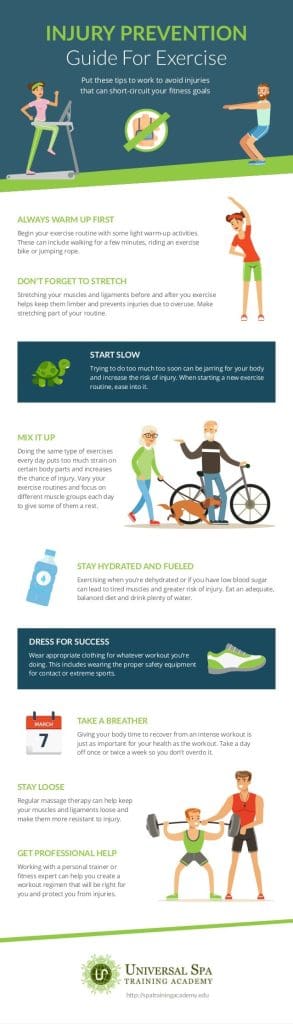
Gradually progressing the intensity of your workouts is crucial for injury prevention and performance improvement. Rapid increases in training volume or intensity can overload your body and increase the risk of injuries. Instead, follow a progressive training program that includes appropriate periods of increased intensity, followed by recovery periods. This method allows your body to adapt gradually, reducing the chances of overuse injuries and optimizing your performance gains.
Strength and flexibility training
Incorporating strength and flexibility training into your routine is beneficial for injury prevention and overall physical fitness. Strength training helps to build muscle strength, improve stability, and protect against injuries. Focus on exercises that target all major muscle groups with proper form and gradually increase the resistance as you progress. Flexibility training, such as yoga or static stretching, improves joint mobility, reduces muscle imbalances, and enhances your overall range of motion.
Cross-training
Cross-training involves incorporating a variety of activities into your fitness routine to engage different muscle groups and reduce the risk of overuse injuries. By participating in different activities, you can strengthen different parts of your body and avoid excessive strain on a single muscle group. For example, if you’re primarily a runner, consider adding cycling or swimming to your routine to engage different muscles and provide variety. Cross-training also helps to prevent boredom and promotes overall fitness and well-being.
Avoiding Overuse Injuries
Balancing high-impact and low-impact activities
Balancing high-impact and low-impact activities is crucial for preventing overuse injuries. High-impact activities, such as running or jumping, place significant stress on your joints and muscles. Engaging in these activities every day without proper rest and recovery can lead to overuse injuries like stress fractures or tendonitis. Incorporating low-impact activities like swimming or cycling can help reduce the impact on your body while still providing cardiovascular benefits. Strive for a balanced exercise routine that includes a mix of both high-impact and low-impact activities.
Varying workout routines
Repeating the same workout routine day after day can lead to overuse injuries and plateaus in performance. To prevent this, incorporate variety into your workouts. Change up your exercises, try new activities, or modify the intensity and duration of your workouts. This helps ensure that different muscle groups are targeted and allows for proper recovery. Varying your workout routine not only reduces the risk of overuse injuries but also keeps you motivated and engaged in your fitness journey.
Taking rest days
Rest days are essential for allowing your body to recover and repair itself. Overtraining or consistently pushing your body without adequate rest can lead to overuse injuries and hinder your progress. Plan regular rest days into your training schedule and listen to your body when it signals the need for additional rest. Rest days don’t mean complete inactivity; instead, engage in low-impact activities or active recovery exercises that promote blood flow and facilitate muscle recovery.
Seeking medical advice for persistent pain
If you experience persistent pain or discomfort during or after physical activity, it’s important to seek medical advice. Ignoring and pushing through pain can worsen an injury and lead to complications. A healthcare professional can assess your symptoms, provide an accurate diagnosis, and recommend appropriate treatment and rehabilitation strategies. Early intervention and proper management of injuries can help prevent further damage and promote a faster recovery.
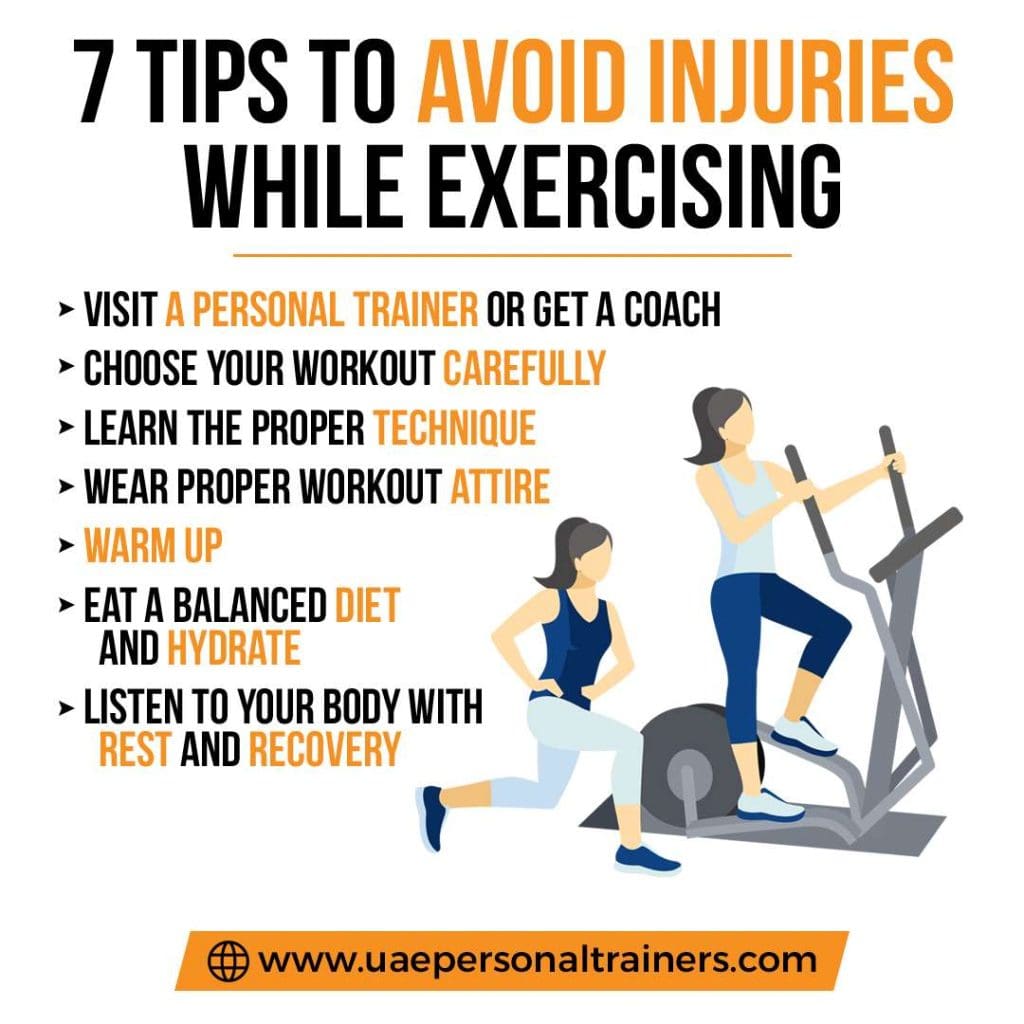
Safety Measures in Group Activities
Supervision and instruction
When participating in group activities, such as team sports or group fitness classes, proper supervision and instruction are crucial for safety. Qualified coaches or trainers should be present to guide and oversee the activities, ensuring participants are using correct technique and form. They can also provide modifications or progression options based on individuals’ abilities and skill levels. Following the instructions and guidelines provided by the supervisor helps minimize the risk of injuries and promotes effective skill development.
Communication and cooperation
Effective communication and cooperation among participants are important for maintaining a safe environment during group activities. Clear communication ensures everyone is aware of their roles and responsibilities, reduces the likelihood of collisions or accidents, and enhances overall safety. Cooperation with teammates or fellow participants is essential to promote teamwork, avoiding unnecessary risks, and helping each other when needed. Creating a positive and supportive atmosphere fosters safer and more enjoyable group activities for everyone involved.
Use of safety equipment
Utilizing appropriate safety equipment during group activities is vital for injury prevention. Whether it’s helmets, padding, mouthguards, or goggles, wearing the necessary protective gear can significantly reduce the risk of injuries. Make sure the safety equipment fits properly and is in good condition before each session. Encourage all participants to consistently wear and properly use the required safety equipment to ensure the highest level of protection.
Emergency preparedness
Having an emergency plan in place is essential for group activities, especially those that involve higher risks. Make sure that appropriate first aid supplies are readily available, and ensure designated personnel are trained in basic first aid and CPR. Establish clear protocols for handling emergencies, including communication with emergency services and prompt access to medical assistance if needed. Regularly review and rehearse the emergency plan to ensure all participants are aware of their roles and responsibilities in case of an emergency.
Injury Prevention Strategies for Specific Activities
Injury prevention for running
Running injuries are common, but many can be prevented with proper techniques and precautions. Gradually increase your mileage and intensity to allow your body to adapt and avoid overuse injuries. Wear appropriate running shoes that are well-fitted and provide adequate support and cushioning. Incorporate strength training exercises that target the muscles used in running, such as the glutes and core, to enhance stability and reduce the risk of imbalances. Listen to your body and modify your training if you experience pain or discomfort.
Injury prevention for weightlifting
Proper technique, form, and equipment are crucial for injury prevention in weightlifting. Start with lighter weights and focus on mastering correct form before gradually increasing the load. Always warm up and stretch prior to weightlifting to prepare your muscles and joints. Utilize spotters or safety bars when performing heavier lifts to ensure your safety. Properly maintain your weightlifting equipment, such as barbells and weight plates, to prevent accidents caused by damaged or worn-out gear.
Injury prevention for team sports
Team sports involve dynamic movements and interactions with other players, increasing the risk of injuries. Proper warm-up and cool-down routines are essential to prepare your body and prevent muscle strains or sprains. Focus on sport-specific strength and conditioning exercises to improve performance and reduce the risk of injuries. Wear appropriate protective gear for your specific sport and ensure it fits properly. Practice good sportsmanship and adhere to the rules of the game to minimize the chances of collisions or accidents.
Injury prevention for cycling
Cycling injuries can occur due to various factors, including improper bike fit, overuse, or accidents. Ensure your bike is properly fitted to your body dimensions, with the correct saddle height, handlebar position, and pedal alignment. Take time to gradually build your cycling endurance and avoid pushing beyond your current fitness level too quickly. Practice safe cycling habits, such as wearing a helmet, obeying traffic laws, and being aware of your surroundings. Maintain your bike regularly to ensure all components are in good working condition, reducing the risk of mechanical failures.
By following these best practices and incorporating them into your physical activity routines, you can significantly reduce the risk of injuries and enjoy a safe and rewarding fitness journey. Prioritizing warm-ups, cool-downs, proper technique, appropriate equipment, hydration, and self-awareness will help you stay injury-free and sustain your physical activity levels for the long term. Remember, prevention is always better than treatment, so take care of your body and listen to its signals to ensure a healthy and enjoyable active lifestyle.