
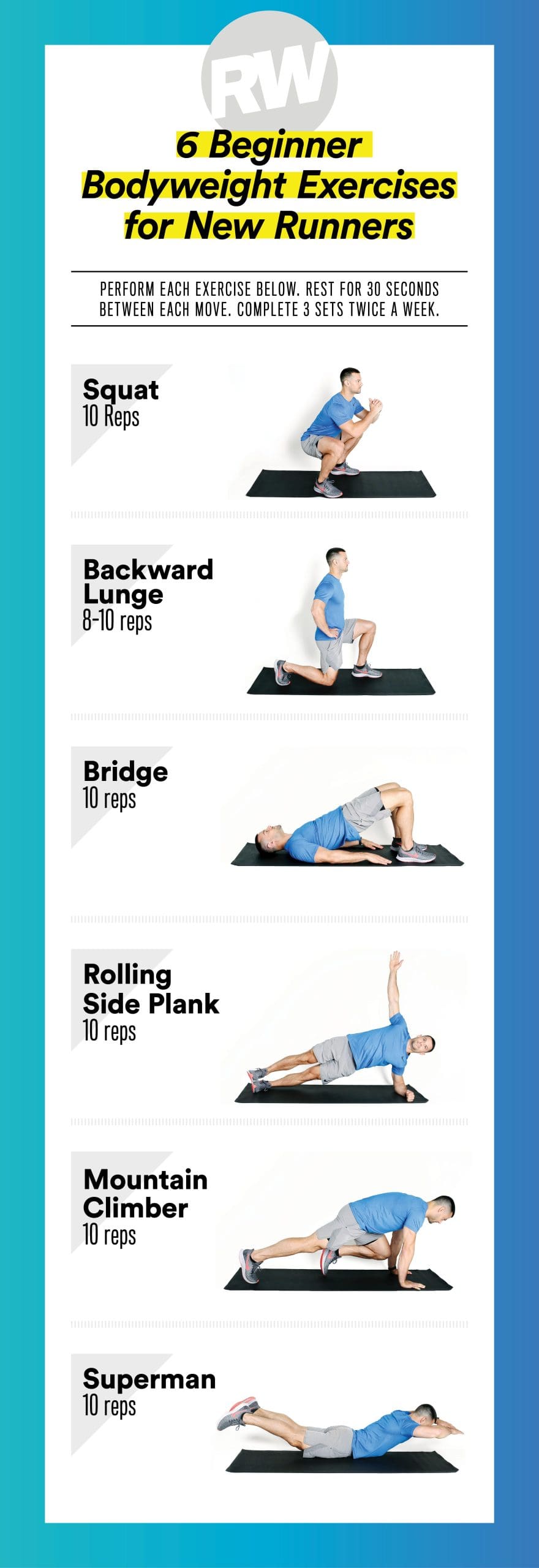
If you’ve been searching for effective ways to shed those stubborn pounds around your midsection, look no further! This article will provide you with a concise and informative guide on the best exercises to lose belly fat. Say goodbye to endless hours on the treadmill and welcome an engaging and dynamic exercise routine that will not only help you achieve a flatter stomach but also improve your overall fitness and well-being. So grab your workout gear and let’s get started on the journey to a stronger, healthier you!
Cardio exercises
Running
Running is a fantastic cardio exercise that can help you shed those unwanted pounds around your belly. It not only helps burn calories but also improves your cardiovascular health. Lace up your running shoes and head outside or hit the treadmill to begin your running journey. Start with a brisk walk and gradually increase your speed to a jog or run. Aim to run for at least 30 minutes each session, three to five times a week.
Cycling
Cycling is another great way to burn belly fat while enjoying the scenic views around you. Hop on a bicycle, either outdoors or on a stationary bike, and pedal away those extra pounds. Cycling targets the muscles in your legs and thighs, effectively toning your lower body. To make it more challenging, try incorporating interval training by alternating between high-intensity sprints and moderate-paced cycling. Aim for 45 minutes to an hour of cycling three to four times a week.
Jumping Rope
Jumping rope is a fun and effective way to lose belly fat and improve your overall fitness. Not only does it strengthen your core, but it also boosts your metabolism and burns a significant amount of calories. Start by jumping rope for short intervals, gradually increasing the duration as your stamina improves. Incorporate different jumping styles like single-leg hops or double unders to keep things interesting. Aim for at least 15 minutes of jumping rope every day for optimal results.
Strength training exercises
Plank
The plank is a highly effective exercise that targets your entire core, including your abdominal muscles. It also engages your back, shoulders, and glutes, making it a great full-body workout. Start by assuming a push-up position, with your hands directly beneath your shoulders and your body in a straight line from head to toe. Hold this position for as long as you can, aiming to increase your time with each workout. Aim for three sets of 30 seconds to one minute each.
Crunches
Crunches are a classic abdominal exercise that focuses on targeting the muscles in your midsection. Lie on your back with your knees bent and feet flat on the ground. Place your hands behind your head, elbows out to the sides. Engage your abs and lift your upper body off the ground, towards your knees. Hold for a second and then slowly lower back down. Aim for three sets of 12 to 15 repetitions, gradually increasing the number as you get stronger.
Russian Twists
Russian twists are an excellent exercise for targeting your oblique muscles and strengthening your core. Sit on the ground with your knees bent and feet flat on the floor. Lean back slightly, maintaining a straight spine. Clasp your hands together in front of you and twist your torso to one side, touching the ground with your hands. Return to the center and then twist to the other side. Aim for three sets of 15 to 20 twists on each side.
High-intensity interval training (HIIT)
Burpees
Burpees are a challenging but highly effective exercise that combines cardio and strength training. Start by standing with your feet shoulder-width apart. Drop into a squat position and place your hands on the ground. Kick your feet back into a push-up position and then quickly bring them back to the squat position. From there, jump as high as you can, extending your arms overhead. Repeat this movement in a fluid motion. Aim for three sets of 10 to 15 burpees, resting for 30 seconds between sets.
Mountain Climbers
Mountain climbers are a dynamic exercise that targets multiple muscle groups while getting your heart rate up. Begin in a push-up position with your hands directly beneath your shoulders. Engage your core and bring one knee towards your chest, then quickly switch legs, as if you’re running in place. Continue alternating legs at a quick pace, keeping your body in a straight line. Aim for three sets of 20 to 30 mountain climbers, resting for 30 seconds between sets.
Squat Jumps
Squat jumps are an excellent plyometric exercise that strengthens your lower body while also providing a cardiovascular challenge. Start by standing with your feet hip-width apart. Lower into a squat position, bringing your thighs parallel to the ground. From there, explode upwards, jumping as high as you can. Land softly back into the squat position and repeat. Aim for three sets of 12 to 15 squat jumps, resting for 30 seconds between sets.
Yoga poses
Plank Pose
Plank pose, also known as Phalakasana, is an effective yoga pose for strengthening your core muscles. Start by assuming a push-up position, with your hands directly beneath your shoulders and your body in a straight line. Engage your core muscles and hold this position for as long as you can, breathing deeply. Plank pose not only targets your abs but also works your arms, shoulders, and back. Aim to hold the pose for one minute, gradually increasing the duration as you build strength.
Boat Pose
Boat pose, or Navasana, is a challenging yoga pose that engages your abdominal muscles and improves digestion. Start by sitting on the floor with your knees bent and your feet flat on the ground. Lean slightly back, lifting your feet off the ground while keeping your knees bent. Extend your arms forward, parallel to the ground. Find your balance and hold this position, engaging your core and lengthening your spine. Aim to hold the pose for 30 seconds to one minute, gradually increasing the duration as you gain strength.
Bridge Pose
Bridge pose, or Setu Bandhasana, is a rejuvenating yoga pose that strengthens your abdominal muscles and opens up your hips. Lie on your back with your knees bent and feet flat on the ground, hip-distance apart. Press your feet into the ground and lift your hips off the floor, creating a bridge shape with your body. Interlace your hands under your lower back for support. Relax your shoulders, engage your glutes, and hold the pose for 30 seconds to one minute. Breathe deeply and enjoy the stretch in your abdomen and chest.
Pilates exercises
Roll-ups
Roll-ups are a fundamental Pilates exercise that targets your abdominal muscles and improves spinal mobility. Start by lying flat on your back with your legs extended and arms reaching overhead. Inhale deeply as you raise your arms towards the ceiling, then exhale as you slowly roll your body up, reaching towards your toes. Keep your core engaged and your spine articulating as you roll back down to the starting position. Aim for three sets of eight to ten roll-ups, focusing on controlled movement.
Scissor Kicks
Scissor kicks are a challenging Pilates exercise that targets your lower abs and hip flexors. Lie flat on your back with your hands placed underneath your glutes for support. Lift both legs about six inches off the ground, keeping them straight. From there, begin scissoring your legs, crossing them over each other and then switching positions. Keep your core engaged and maintain a steady pace. Aim for three sets of 20 to 30 scissor kicks, resting for 10 seconds between sets.
Side Plank
Side plank is an excellent Pilates exercise that strengthens your obliques, shoulders, and hips. Start by lying on your side, propping yourself up on your forearm. Your elbow should be directly beneath your shoulder. Stack your legs, with your feet either stacked or one in front of the other. Lift your hips off the ground, creating a straight line from head to toe. Engage your core and hold this position for 30 seconds to one minute. Repeat on the other side. Aim for three sets on each side.
Core exercises
Bicycle Crunches
Bicycle crunches are a highly effective exercise for targeting all areas of your core, including your upper and lower abs, obliques, and even your lower back. Lie on your back with your knees bent and your hands behind your head, elbows out to the sides. Lift your shoulders off the ground and bring your right elbow towards your left knee, simultaneously extending your right leg straight. Switch sides and repeat the movement, pedaling your legs as if riding a bicycle. Aim for three sets of 15 to 20 bicycle crunches on each side.
Reverse Crunches
Reverse crunches are a fantastic exercise for working your lower abs and improving overall core strength. Lie flat on your back with your hands resting by your sides or underneath your glutes for support. Lift your legs up towards the ceiling, knees bent at a 90-degree angle. Slowly bring your knees towards your chest, lifting your hips off the ground. Pause for a second and then lower your legs back to the starting position. Aim for three sets of 12 to 15 reverse crunches.
Side Plank Dips
Side plank dips are an effective exercise for targeting your oblique muscles and improving your overall core stability. Start in a side plank position, propping yourself up on one forearm and stacking your feet. Lower your hips towards the ground, maintaining a straight line from head to toe. Pause for a second and then lift your hips back up to the starting position, engaging your obliques. Aim for three sets of 10 to 12 side plank dips on each side.
Swimming
Freestyle Stroke
Swimming is a low-impact cardiovascular exercise that engages multiple muscle groups, including your core. The freestyle stroke, also known as front crawl, is a popular swimming technique that effectively burns calories and helps tone your abdominal muscles. Start by entering the water and positioning your body horizontally. Alternate your arm movements, propelling yourself forward, while kicking your legs in a continuous flutter kick. Aim for 30 minutes of swimming, incorporating freestyle stroke, two to three times a week.
Breaststroke
The breaststroke is another swimming technique that targets your abdominal muscles and provides a great cardiovascular workout. Start by positioning your body horizontally in the water. Extend your arms forward, palms facing down, and kick your legs outwards and then bring them back together, resembling a frog-like motion. Lift your head out of the water to breathe and then submerge it back down. Aim for 30 minutes of swimming, incorporating breaststroke, two to three times a week.
Butterfly Stroke
The butterfly stroke is a more advanced swimming technique that engages your entire body, including your core. Start by positioning your body horizontally and extending your arms forward. Simultaneously bring your arms out of the water, sweeping them down towards your hips, while performing a dolphin-like motion with your legs. Coordinate your arm and leg movements, propelling yourself forward and maintaining a rhythmic breathing pattern. Aim for 30 minutes of swimming, incorporating butterfly stroke, two to three times a week.
Circuit Training
Burpees
Circuit training combines cardio and strength training exercises to provide a full-body workout. Burpees are an excellent addition to any circuit training routine as they target multiple muscle groups while getting your heart rate up. Start by standing with your feet shoulder-width apart. Drop into a squat position and place your hands on the ground. Kick your feet back into a push-up position and then quickly bring them back to the squat position. From there, jump as high as you can, extending your arms overhead. Repeat this movement in a fluid motion. Incorporate burpees into your circuit training, aiming for three sets of 10 to 15 repetitions.
Jumping Jacks
Jumping jacks are a classic cardio exercise that can be included in your circuit training routine to keep your heart rate elevated. Start by standing with your feet together and your arms down by your sides. Jump your feet out to the sides while simultaneously raising your arms above your head. Jump back to the starting position and repeat in a fluid motion. Incorporate jumping jacks into your circuit training, aiming for three sets of 20 to 30 repetitions.
Mountain Climbers
Mountain climbers are a dynamic exercise that targets multiple muscle groups while providing a cardiovascular challenge. They are a perfect addition to a circuit training routine. Begin in a push-up position with your hands directly beneath your shoulders. Engage your core and bring one knee towards your chest, then quickly switch legs, as if you’re running in place. Continue alternating legs at a quick pace, keeping your body in a straight line. Incorporate mountain climbers into your circuit training, aiming for three sets of 20 to 30 repetitions.
Diet and Nutrition
Reduce Calorie Intake
To effectively lose belly fat, it’s crucial to pay attention to your diet and nutrition. One of the key aspects is to reduce your overall calorie intake. This can be achieved by making healthy food choices and being mindful of portion sizes. Focus on consuming nutrient-rich foods that are low in calories, such as fruits, vegetables, whole grains, lean proteins, and healthy fats. Fill up on these nutritious options and limit your consumption of high-calorie, processed foods. Remember, creating a calorie deficit is essential for losing belly fat.
Eat More Protein
Protein is an essential nutrient when it comes to losing belly fat and building lean muscle mass. Including an adequate amount of protein in your diet can help boost metabolism, reduce cravings, and keep you feeling full for longer. Incorporate lean protein sources like chicken, turkey, fish, tofu, beans, and legumes into your meals. Aim to include protein in every meal and snack to support your weight loss goals and maintain muscle mass.
Avoid Sugary Foods
High sugar intake is closely linked to weight gain and increased belly fat. Consuming too much sugar can lead to an imbalance in blood sugar levels, cravings, and excess calorie intake. To reduce belly fat, it’s important to avoid or limit sugary foods and beverages, such as soda, candy, desserts, sugary cereals, and sweetened drinks. Instead, opt for natural sources of sweetness like fruits and limit added sugars in your diet. Pay attention to food labels and choose options with minimal added sugars.
Stress Reduction Techniques
Practice Mindfulness
Managing stress is crucial for overall well-being and can also contribute to the accumulation of belly fat. Chronic stress triggers the release of cortisol, a hormone that promotes fat storage, particularly in the abdominal area. Practicing mindfulness techniques, such as meditation, deep breathing exercises, and yoga, can help reduce stress levels and promote a sense of calm. Take a few moments each day to focus on your breath, be present in the moment, and let go of stress and tension.
Get Enough Sleep
Adequate sleep is essential for maintaining a healthy weight and losing belly fat. Lack of sleep can disrupt hormone levels, specifically those related to hunger and satiety, leading to increased cravings and overeating. Aim for seven to eight hours of quality sleep each night to support your weight loss goals. Establish a consistent bedtime routine, create a sleep-friendly environment, and limit caffeine and electronic devices before bed. Prioritize your sleep and reap the benefits of a well-rested body and mind.
Engage in Stress-Relieving Activities
Engaging in stress-relieving activities can help reduce the overall stress levels in your life and support your belly fat loss goals. Find activities that you enjoy and that help you relax and unwind. Whether it’s going for a walk in nature, practicing a creative hobby, listening to music, or spending time with loved ones, make time for activities that bring you joy and calmness. By managing stress, you can create a more balanced and healthy lifestyle.
Incorporating a combination of cardio exercises, strength training, high-intensity interval training, yoga poses, Pilates exercises, swimming, and circuit training can help you effectively reduce belly fat. Remember to pair your workouts with a healthy and balanced diet, focusing on reducing calorie intake, increasing protein consumption, and avoiding sugary foods. Additionally, prioritize stress reduction techniques such as mindfulness, sufficient sleep, and engaging in activities that promote relaxation. Start incorporating these exercises and lifestyle changes into your routine and watch your belly fat melt away. Remember to always listen to your body, stay consistent, and celebrate your progress along the way.