
Welcome to the ultimate showdown between two popular forms of exercise: yoga and Pilates. Both practices are known for improving flexibility, but which one reigns supreme in this category? In this article, we will compare the two and help you determine which is better for enhancing your flexibility. Whether you are a beginner looking to improve your range of motion or a seasoned practitioner wanting to take your flexibility to the next level, we’ve got you covered. So grab your yoga mat or Pilates reformer and let’s delve into the world of flexibility-enhancing exercises! Have you ever wondered whether Yoga or Pilates is better for improving flexibility? Regardless of whether you are a beginner or have been practicing for years, it’s essential to understand the differences between these two popular forms of exercise. Both Yoga and Pilates offer unique benefits that can help you improve your flexibility, but each has its own unique approach. Let’s dive into the world of Yoga and Pilates to help you decide which one is better suited for your flexibility goals.
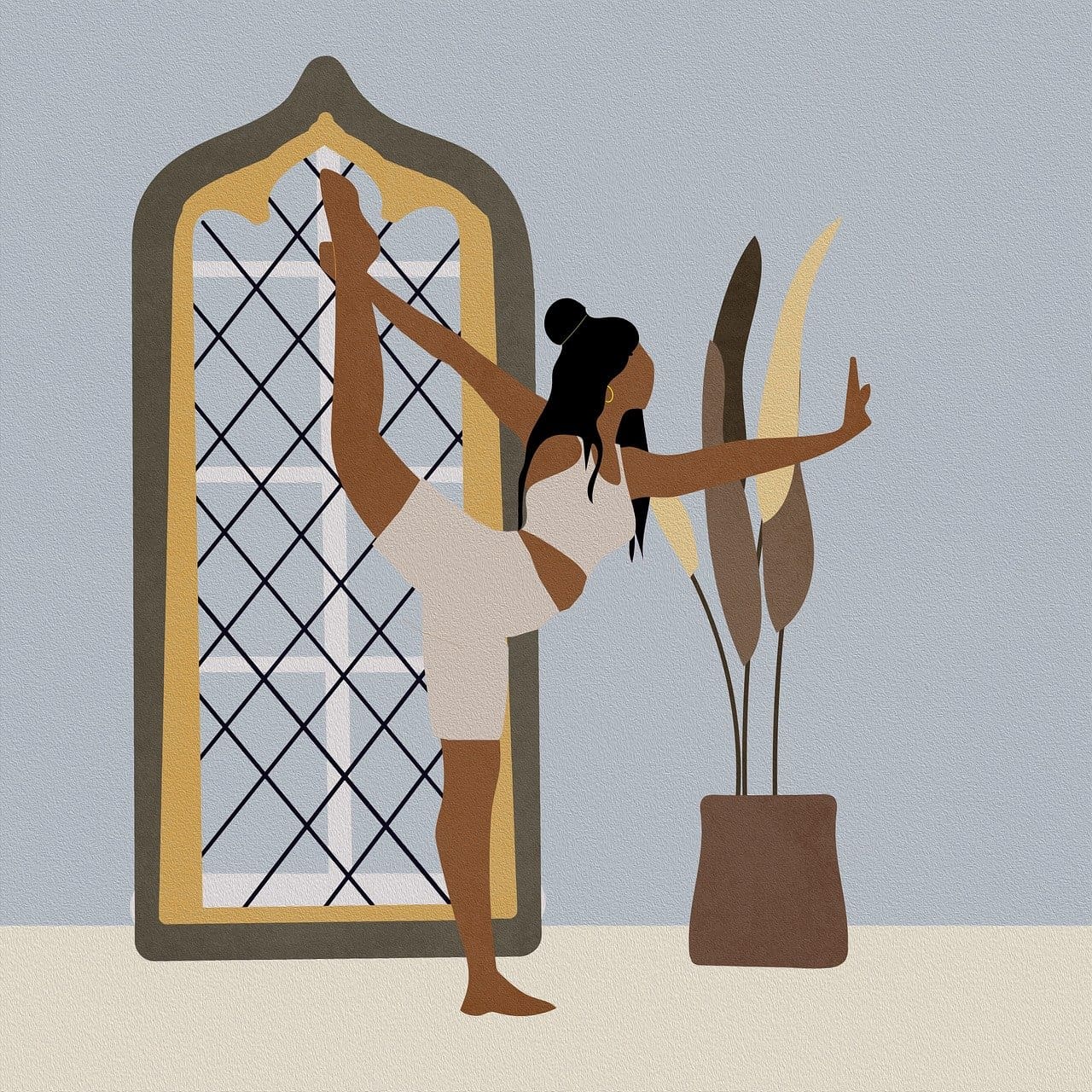
What is Yoga?
Yoga is an ancient practice that originated in India thousands of years ago. It is a holistic approach to physical, mental, and spiritual well-being that combines breathing techniques, meditation, and physical postures. There are many different styles of Yoga, ranging from gentle and restorative to more vigorous and dynamic practices. Many people practice Yoga to increase flexibility, improve strength, reduce stress, and enhance overall well-being.
Yoga for Flexibility
Yoga is known for its ability to improve flexibility by stretching and lengthening the muscles through various poses or asanas. These poses are designed to target different muscle groups, allowing you to gently increase your range of motion over time. Regular practice of Yoga can help you become more flexible by releasing tension in the muscles, improving joint mobility, and enhancing overall body awareness.
In Yoga, flexibility is not just about being able to touch your toes or do the splits. It’s about finding balance between strength and flexibility, cultivating mindfulness, and connecting with your breath. By practicing Yoga regularly, you can gradually increase your flexibility in a safe and sustainable way.
What is Pilates?
Pilates is a system of exercises developed by Joseph Pilates in the early 20th century. It focuses on core strength, body alignment, and muscle control to improve overall fitness and mobility. Pilates exercises are typically performed on a mat or using specialized equipment such as a reformer or a chair. Pilates is known for its emphasis on precise movements, proper alignment, and controlled breathing.
Pilates for Flexibility
While Pilates is often associated with core strength and stability, it also offers numerous benefits for improving flexibility. Pilates exercises are designed to lengthen and strengthen the muscles, improve posture, and increase mobility in the joints. By focusing on proper alignment and controlled movements, Pilates can help you develop a more balanced and flexible body.
Unlike Yoga, which incorporates a wide variety of poses and sequences, Pilates exercises are more structured and targeted. Pilates workouts typically focus on specific muscle groups, allowing you to isolate and stretch them effectively. This targeted approach can be especially beneficial for individuals looking to improve flexibility in a specific area or address muscular imbalances.

Yoga vs. Pilates: Which is better for flexibility?
Now that you have a better understanding of Yoga and Pilates, let’s compare the two in terms of their effectiveness for improving flexibility. Both Yoga and Pilates offer unique benefits that can help you become more flexible, but they have different approaches and emphasis.
Yoga for Flexibility
- Emphasizes stretching and lengthening the muscles through various poses.
- Incorporates breath work and mindfulness to enhance body awareness.
- Includes a wide variety of poses and sequences to target different muscle groups.
- Focuses on improving overall flexibility, joint mobility, and balance.
Pilates for Flexibility
- Focuses on core strength, body alignment, and muscle control to improve overall fitness.
- Includes targeted exercises to lengthen and strengthen specific muscle groups.
- Emphasizes proper alignment and controlled movements to prevent injury.
- Can help improve flexibility in specific areas and address muscular imbalances.
While both Yoga and Pilates can help you improve flexibility, your choice may depend on your specific goals, preferences, and physical condition. If you are looking for a more holistic approach that combines physical, mental, and spiritual practices, Yoga may be the better option for you. If you prefer a more structured and targeted approach that focuses on core strength and muscle control, Pilates may be more suitable.
How to Choose the Right Practice for You
When deciding between Yoga and Pilates for improving flexibility, it’s essential to consider your goals, preferences, and physical condition. Here are some factors to keep in mind when choosing the right practice for you:
Consider Your Goals
- Are you looking to increase overall flexibility or target specific areas?
- Do you prefer a more meditative practice or a more structured workout?
Think About Your Preferences
- Do you enjoy a variety of poses and sequences or prefer a more focused approach?
- Are you interested in incorporating breath work and mindfulness into your practice?
Assess Your Physical Condition
- Do you have any injuries or limitations that may affect your flexibility?
- Are you looking to improve your posture, mobility, or core strength in addition to flexibility?
By considering these factors and exploring both Yoga and Pilates, you can determine which practice aligns best with your goals and preferences. Remember that flexibility is a journey that takes time, patience, and consistent effort. Whether you choose Yoga, Pilates, or a combination of both, the key is to listen to your body, practice regularly, and stay mindful of your progress.
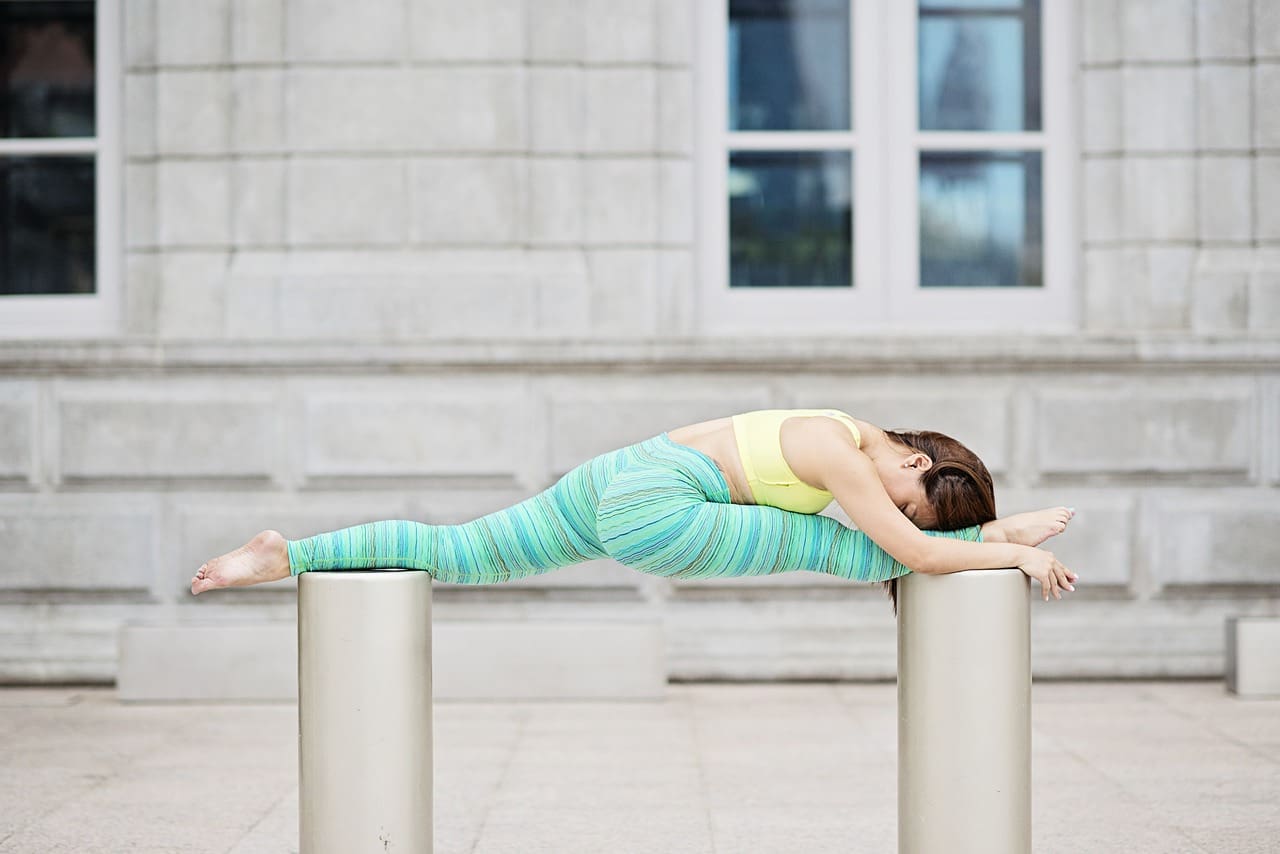
Tips for Improving Flexibility
Regardless of whether you choose Yoga, Pilates, or both to improve your flexibility, here are some tips to help you get the most out of your practice:
1. Practice Consistently
- Set aside time each day or several times a week for your practice.
- Start with shorter sessions and gradually increase the duration as you progress.
2. Listen to Your Body
- Pay attention to how your body feels during and after each practice.
- Modify poses or exercises as needed to accommodate your flexibility and limitations.
3. Warm Up Properly
- Begin each practice with a gentle warm-up to prepare your body for stretching.
- Include dynamic movements, such as flowing sequences or gentle stretches, to increase blood flow and flexibility.
4. Focus on Breath
- Use your breath to deepen your stretches and enhance body awareness.
- Practice belly breathing or diaphragmatic breathing to facilitate relaxation and improve flexibility.
5. Stay Hydrated and Nourished
- Drink plenty of water before, during, and after your practice to stay hydrated.
- Eat a balanced diet rich in fruits, vegetables, lean proteins, and whole grains to support overall flexibility and well-being.
6. Incorporate Props
- Use props such as blocks, straps, or bolsters to support your practice and enhance your stretches.
- Props can help you modify poses, deepen stretches, and improve alignment during your practice.
By following these tips and integrating them into your Yoga or Pilates practice, you can maximize your flexibility gains and progress more effectively. Remember that flexibility is a gradual process that requires patience, dedication, and self-awareness. Enjoy the journey, celebrate your achievements, and embrace the benefits of a more flexible and balanced body.
Final Thoughts
Whether you choose Yoga, Pilates, or a combination of both, improving flexibility is a rewarding and transformative journey that can enhance your overall well-being. Both Yoga and Pilates offer unique benefits that can help you become more flexible, strengthen your body, and calm your mind. By exploring different styles, techniques, and approaches, you can find the practice that resonates with you and supports your flexibility goals.
Remember that flexibility is not just about touching your toes or achieving a specific pose. It’s about cultivating a deeper connection with your body, expanding your range of motion, and nurturing a sense of balance and harmony within yourself. Embrace the journey, savor the progress, and enjoy the many benefits of a more flexible and resilient body.