
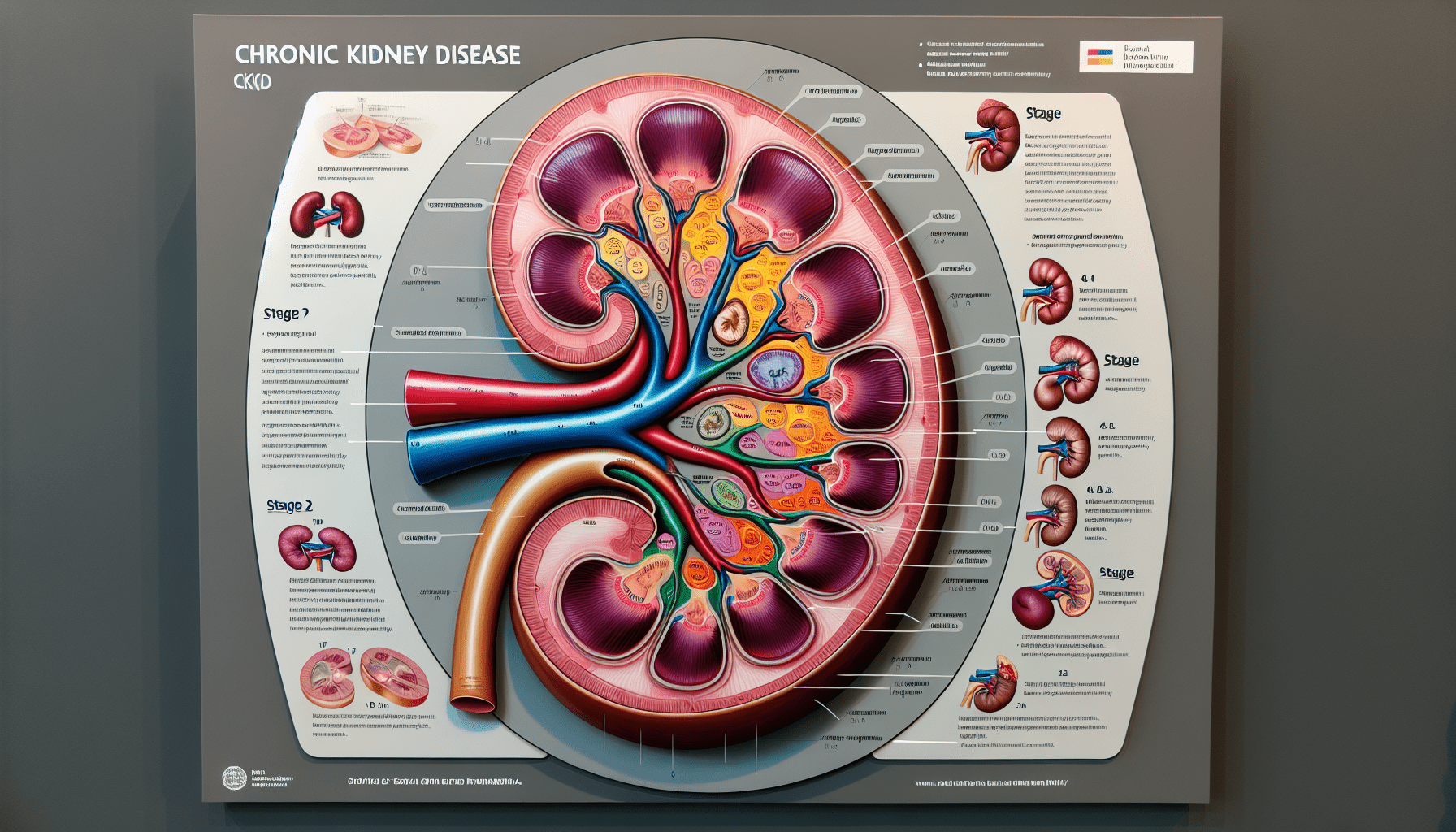
Welcome to an informative article on understanding and treating chronic kidney disease. In this piece, you will learn about the importance of recognizing the symptoms of CKD, understanding the risk factors involved, and exploring the various treatment options available. By the end of this article, you will have a better understanding of how to manage and treat this condition effectively. So, sit back, relax, and let’s dive into the world of chronic kidney disease together. Hey there! Have you or a loved one been diagnosed with Chronic Kidney Disease (CKD)? Understanding this condition and knowing how to treat it is crucial for managing your health. In this article, we will delve into the ins and outs of CKD, from its causes and symptoms to different treatment options available. Let’s get started!
What is Chronic Kidney Disease?
Chronic Kidney Disease, also known as CKD, is a condition in which your kidneys are damaged and cannot filter blood as well as they should. This can lead to a buildup of waste and fluid in the body, causing various health problems. CKD is a progressive disease, meaning it gets worse over time if not properly managed.
What Causes Chronic Kidney Disease?
There are several factors that can contribute to the development of Chronic Kidney Disease. Some of the most common causes include:
- Diabetes
- High blood pressure
- Glomerulonephritis (inflammation of the kidney’s filtering units)
- Polycystic kidney disease (a genetic disorder causing cysts to form in the kidneys)
- Prolonged use of certain medications, such as NSAIDs (nonsteroidal anti-inflammatory drugs) or antibiotics
It’s important to identify the underlying cause of CKD in order to properly treat and manage the condition.
Symptoms of Chronic Kidney Disease
CKD is often referred to as a “silent” disease because symptoms may not present until the disease has progressed to a more advanced stage. However, there are some common signs and symptoms to look out for, including:
- Fatigue
- Swelling in the hands, feet, or face
- Changes in urination (frequency, color, or amount)
- Nausea and vomiting
- Itching
- Shortness of breath
- High blood pressure
If you are experiencing any of these symptoms, it’s important to see a healthcare provider for further evaluation.
Diagnosing Chronic Kidney Disease
To diagnose Chronic Kidney Disease, your healthcare provider will perform a series of tests to assess your kidney function. These tests may include:
- Blood tests: to measure creatinine and urea levels in the blood
- Urine tests: to check for protein, blood, or other abnormalities in the urine
- Imaging tests: such as an ultrasound or CT scan to visualize the kidneys
- Kidney biopsy: in some cases, a small sample of kidney tissue may be taken for further evaluation
Based on the results of these tests, your healthcare provider can determine the stage of CKD and develop a treatment plan tailored to your specific needs.
Stages of Chronic Kidney Disease
Chronic Kidney Disease is divided into five stages, based on the estimated glomerular filtration rate (eGFR). The stages are as follows:
- Stage 1: eGFR greater than 90 mL/min – normal kidney function but signs of kidney damage
- Stage 2: eGFR 60-89 mL/min – mild decrease in kidney function
- Stage 3: eGFR 30-59 mL/min – moderate decrease in kidney function
- Stage 4: eGFR 15-29 mL/min – severe decrease in kidney function
- Stage 5: eGFR less than 15 mL/min – kidney failure, requiring dialysis or kidney transplant
The stage of CKD will determine the appropriate treatment and management strategies.
How Chronic Kidney Disease is Treated
The treatment for CKD focuses on slowing the progression of the disease, managing symptoms, and preventing complications. Treatment options may include:
- Medications: such as ACE inhibitors or angiotensin receptor blockers to control blood pressure and reduce proteinuria
- Diet changes: limiting salt, potassium, and phosphorus intake to reduce the workload on the kidneys
- Lifestyle modifications: quitting smoking, maintaining a healthy weight, and staying active
- Dialysis: for patients with advanced CKD or kidney failure, dialysis may be necessary to help remove waste and excess fluid from the blood
- Kidney transplant: in severe cases of CKD, a kidney transplant may be the best option for long-term treatment
It’s important to work closely with your healthcare provider to determine the best treatment plan for your individual needs.
Managing Chronic Kidney Disease
Managing Chronic Kidney Disease requires a team approach, involving your healthcare provider, nephrologist (kidney specialist), dietitian, and other members of your healthcare team. Here are some tips for managing CKD effectively:
- Monitor your blood pressure and blood sugar levels regularly
- Follow a kidney-friendly diet, low in salt, potassium, and phosphorus
- Stay hydrated by drinking plenty of water
- Avoid smoking and limit alcohol consumption
- Stay active with regular exercise, as recommended by your healthcare provider
- Take medications as prescribed and attend follow-up appointments
By taking an active role in your healthcare and following these guidelines, you can better manage your CKD and improve your overall quality of life.
When to Seek Help
If you have been diagnosed with Chronic Kidney Disease, it’s important to seek help if you experience any sudden changes in your symptoms or overall health. Be sure to contact your healthcare provider if you notice:
- Shortness of breath
- Chest pain
- Sudden swelling in the hands, feet, or face
- Severe fatigue
- Dizziness or confusion
These symptoms could indicate a worsening of your CKD and require immediate medical attention.
Conclusion
Living with Chronic Kidney Disease can be challenging, but with the right knowledge and support, you can effectively manage your condition and improve your quality of life. By understanding the causes, symptoms, and treatment options for CKD, you can take control of your health and work towards a brighter, healthier future. Remember, you are not alone in this journey – your healthcare team is here to help every step of the way. Stay informed, stay proactive, and stay healthy!