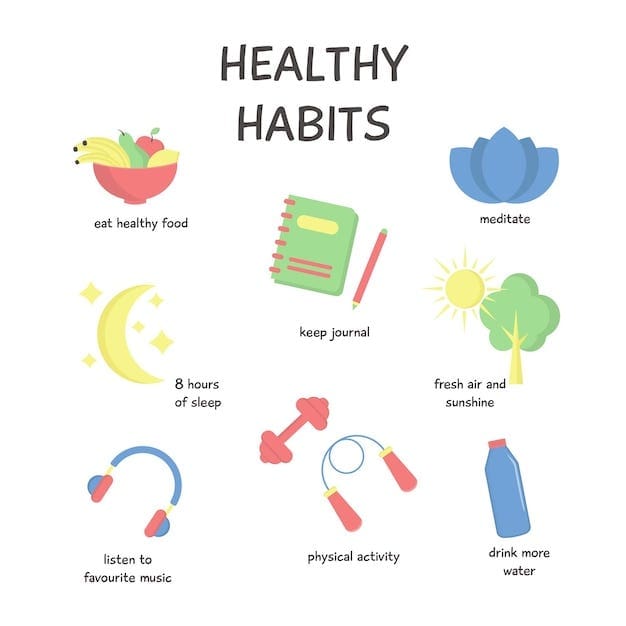
Living with a chronic condition can be challenging, but there are healthy habits that can help you effectively manage your symptoms and improve your overall well-being. In this article, we will explore the importance of mindfulness, exercise, and nutrition in managing chronic conditions. By incorporating these practices into your daily routine, you can take control of your health and lead a more fulfilling life. So, let’s explore how mindfulness, exercise, and nutrition can empower you on your journey towards better health.
Mindfulness
Understanding Mindfulness
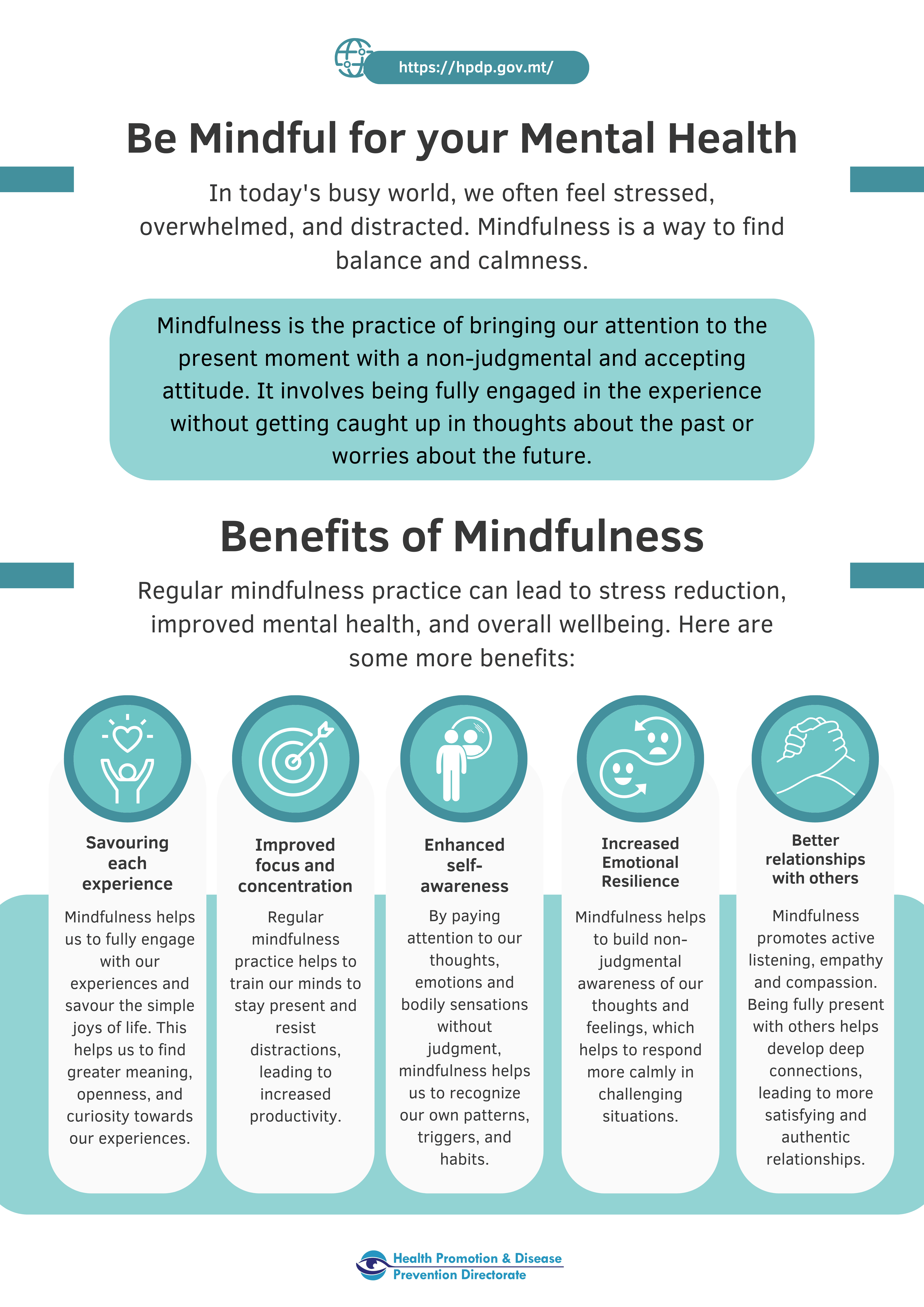
Mindfulness is the practice of bringing your attention to the present moment with an open and non-judgmental mindset. It involves being fully aware of your thoughts, feelings, bodily sensations, and the environment around you. By practicing mindfulness, you can cultivate a greater sense of awareness and focus, which can lead to improved mental and physical well-being.
Benefits of Mindfulness Practices
Engaging in mindfulness practices can bring about a wide range of benefits for individuals managing chronic conditions. Firstly, mindfulness can help reduce stress and alleviate symptoms of anxiety and depression that are often associated with these conditions. By directing your attention to the present moment, you can let go of worries about the past or future, allowing for a greater sense of peace and relaxation.
Additionally, practicing mindfulness can enhance your ability to cope with pain. By observing your sensations without judgement, you can develop a more accepting and non-reactive attitude towards discomfort. This can help you manage chronic pain more effectively and improve your quality of life.
Furthermore, mindfulness can aid in improving sleep quality. Many individuals with chronic conditions struggle with sleep disturbances, which can exacerbate their symptoms. By practicing mindfulness before bed, you can promote a calm and relaxed mental state, making it easier to fall asleep and maintain a restful sleep throughout the night.
Mindfulness Techniques for Managing Chronic Conditions
There are various mindfulness techniques that can be incorporated into your daily routine to help manage chronic conditions. Here are a few techniques to consider:
-
Mindful Breathing: Focus on your breath as it moves in and out of your body. Pay attention to the sensations of each breath, noticing the rise and fall of your abdomen or the coolness of the air entering your nostrils. This simple practice can help you anchor yourself in the present moment and calm your mind.
-
Body Scan Meditation: Start from the top of your head and gradually move your attention down to your toes, scanning each body part and observing any sensations or tension. This practice can help you develop a deeper connection with your body and become more attuned to any physical discomfort or changes.
-
Mindful Eating: Pay close attention to the colors, smells, flavors, and textures of the food you eat. Slow down your pace of eating and savor each bite, being fully present with the experience of nourishing your body. This practice can improve digestion and prevent overeating.
-
Walking Meditation: Take a leisurely walk in nature or any quiet environment. Focus on the sensation of your feet touching the ground, the movements of your body, and the sights and sounds around you. This practice can help you find peace and clarity while engaging in physical activity.
Remember, mindfulness is a skill that requires practice and patience. Start with short sessions and gradually increase the duration over time. By incorporating mindfulness into your daily routine, you can develop a greater sense of self-awareness and improve your overall well-being.
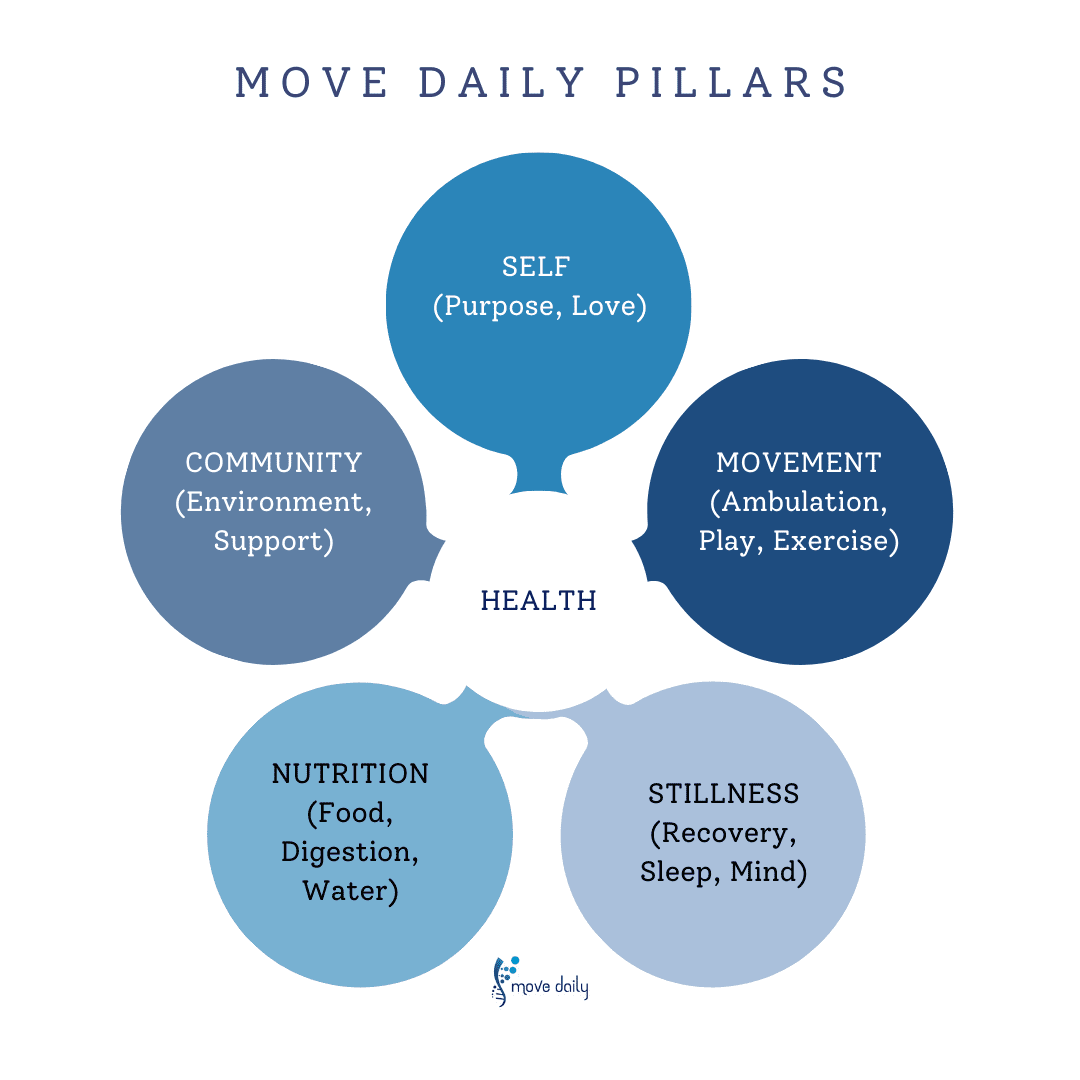
Exercise
Importance of Exercise for Chronic Conditions
Regular exercise is crucial for individuals managing chronic conditions. While it may seem counterintuitive to engage in physical activity when dealing with health challenges, exercise has numerous benefits that can positively impact your condition. Exercise helps improve cardiovascular health, boost mood, increase strength and flexibility, enhance immune function, and manage weight. Furthermore, physical activity can improve overall quality of life, increase energy levels, and reduce the risk of developing other chronic conditions.
Types of Exercise for Managing Chronic Conditions
When choosing an exercise routine, it’s important to consider your specific chronic condition and any limitations or guidelines provided by your healthcare professional. Here are some types of exercise that are generally safe and effective for managing chronic conditions:
-
Aerobic Exercise: Activities such as walking, swimming, cycling, and dancing can improve cardiovascular fitness, strengthen muscles, and increase endurance. Choose low-impact exercises to minimize strain on joints if necessary.
-
Strength Training: Incorporating strength training exercises using resistance bands, dumbbells, or bodyweight can help build muscle mass, improve bone density, and enhance overall strength and stability. Start with lighter weights and gradually increase the intensity as tolerated.
-
Flexibility and Balance Exercises: Stretching exercises, yoga, and tai chi can help improve flexibility, joint range of motion, and balance. These activities can assist in reducing the risk of falls and injuries, which are often concerns for individuals with chronic conditions.
-
Mind-Body Exercises: Practices such as yoga, Pilates, and Qigong combine physical movements with mental focus and deep breathing, promoting relaxation, stress reduction, and mind-body connection.
Creating an Exercise Routine
To create an exercise routine that is manageable and sustainable, consider the following tips:
-
Consult with Your Healthcare Provider: Before starting any exercise program, consult with your healthcare provider to ensure it is safe and suited to your specific condition. They may provide recommendations or refer you to a physical therapist who can guide you in developing a safe and effective exercise routine.
-
Start Slow and Gradually Increase Intensity: Begin with short sessions of low-intensity exercise and gradually increase the duration and intensity as your fitness improves. Listen to your body and avoid pushing yourself too hard, as overexertion can lead to setbacks or injuries.
-
Find Activities You Enjoy: Engage in activities that you find enjoyable to increase motivation and adherence. This could be anything from dancing, swimming, hiking, or participating in group exercise classes. Enjoyment plays a crucial role in making exercise a consistent part of your routine.
-
Set Realistic Goals: Set achievable goals that align with your abilities and current fitness level. Celebrate small victories along the way to stay motivated and maintain a positive mindset.
-
Incorporate Physical Activity into Daily Life: Look for opportunities to increase your physical activity throughout the day. This could involve taking the stairs instead of the elevator, walking or cycling for transportation, or scheduling short breaks for stretching and movement during sedentary activities.
Remember, consistency is key when it comes to exercise. Aim for at least 150 minutes of moderate-intensity aerobic activity or 75 minutes of vigorous activity spread throughout the week, along with strength training exercises at least two days per week. Adjust your routine as needed and listen to your body’s cues to ensure a safe and enjoyable exercise experience.
Nutrition
Importance of Nutrition for Chronic Conditions
Proper nutrition plays a vital role in managing chronic conditions by providing essential nutrients, supporting overall health, and helping to alleviate symptoms. A well-balanced diet can help reduce inflammation, boost the immune system, improve energy levels, maintain a healthy weight, and regulate blood sugar levels. It is crucial to make informed food choices and adopt healthy eating habits to support your condition.
Healthy Eating Habits
Incorporating healthy eating habits can have a significant impact on managing chronic conditions. Here are some key habits to consider:
-
Balanced Meals: Include a variety of foods from different food groups in each meal. Aim to include lean proteins, whole grains, fruits, vegetables, and healthy fats. This ensures a good mix of nutrients and helps maintain stable blood sugar levels.
-
Portion Control: Be mindful of portion sizes to prevent overeating. Use measuring cups or visual cues to estimate appropriate portion sizes. Eating smaller, more frequent meals throughout the day can also help maintain steady energy levels.
-
Hydration: Drink an adequate amount of water each day to stay properly hydrated. Water helps support digestion, circulation, and overall bodily functions. Aim for at least 8 cups of water per day, or more if recommended by your healthcare provider.
-
Limit Processed Foods: Minimize the intake of processed foods, which are often high in added sugars, unhealthy fats, and sodium. Instead, opt for whole, unprocessed foods that are rich in nutrients and free from additives.
Nutrition Tips for Managing Chronic Conditions
Here are some additional tips to help manage your condition through nutrition:
-
Plan and Prepare Meals: Plan your meals ahead of time and prepare them at home whenever possible. This allows you to have more control over the ingredients and portion sizes, making it easier to adhere to a healthy eating plan.
-
Focus on Fiber: Include plenty of fiber-rich foods such as whole grains, fruits, vegetables, legumes, and nuts. Fiber promotes healthy digestion, helps control blood sugar levels, and supports heart health.
-
Opt for Healthy Fats: Choose healthy fat sources such as avocados, nuts, seeds, and olive oil. These fats are beneficial for heart health and can help reduce inflammation.
-
Limit Sodium Intake: Reduce your intake of sodium by avoiding excessive salt and processed foods. Too much sodium can contribute to high blood pressure and fluid retention.
-
Be Mindful of Food Triggers: If certain foods trigger symptoms or worsen your condition, keep track of them and try to avoid or limit their consumption. This can include common triggers like gluten, dairy, or specific food allergens.
-
Seek Professional Guidance: If you have specific dietary concerns related to your condition, consider consulting with a registered dietitian or nutritionist. They can provide personalized recommendations and assist in creating a customized meal plan that suits your needs.
By adopting healthy eating habits, you can positively impact your chronic condition and optimize your overall health and well-being. Remember, it’s important to find a balance that works for you and incorporates foods you enjoy while meeting your specific nutritional needs.
In conclusion, prioritizing mindfulness, exercise, and nutrition is essential for managing chronic conditions effectively. By incorporating these healthy habits into your daily routine, you can enhance your physical and mental well-being, improve symptom management, and increase your overall quality of life. Remember to consult with your healthcare provider for personalized guidance and recommendations. Each step you take towards a healthier lifestyle brings you closer to a happier and more fulfilling life despite your chronic condition.