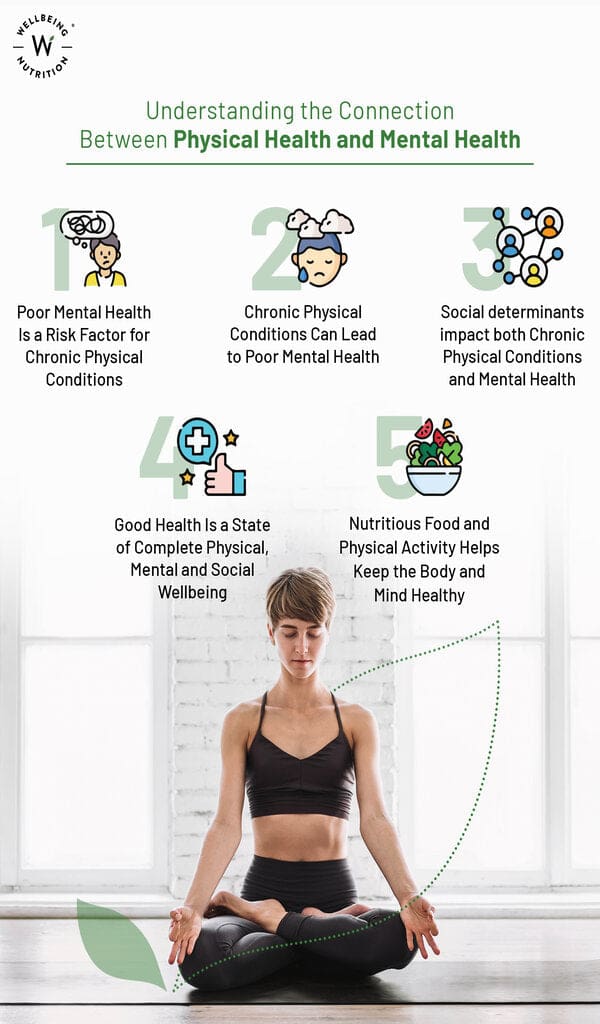
Are you aware of the profound connection between your physical health and mental well-being? It may come as no surprise that these two aspects of our well-being are closely intertwined. When your body is healthy, your mind reaps the benefits, and vice versa. In this article, we will explore the intricacies of this crucial connection, providing insights and practical tips on how to foster a harmonious balance between your physical and mental health. So, join us on this journey as we unravel the undeniable link between physical well-being and mental wellness.
Impact of Physical Health on Mental Well-being
Physical health and mental well-being are closely interconnected. When you prioritize your physical health, it can have a positive impact on your mental well-being, leading to emotional stability, cognitive function, stress reduction, and improved mood regulation.
Physical Health and Emotional Stability
When you take care of your physical health, it can contribute to emotional stability. Regular exercise, a healthy diet, sufficient sleep, and avoiding substance abuse can all help regulate your emotions. Engaging in physical activity stimulates the release of endorphins, which are known as “feel-good” hormones. These endorphins can enhance your mood, reduce anxiety, and alleviate symptoms of depression. By maintaining your physical health, you can promote emotional stability and overall well-being.
Physical Health and Cognitive Function
Physical health also plays a crucial role in cognitive function. Engaging in regular exercise has been linked to improved cognitive abilities, including enhanced memory, attention, and problem-solving skills. Exercise promotes blood flow to the brain, which increases oxygen and nutrient delivery, leading to better brain function. Additionally, a healthy diet rich in nutrients such as omega-3 fatty acids, antioxidants, and vitamins can support brain health and improve cognitive function.
Physical Health and Stress Levels
Stress can have a significant impact on both physical and mental health. However, by prioritizing your physical health, you can better manage stress levels. Regular exercise is an effective stress management tool as it helps reduce the production of stress hormones such as cortisol and adrenaline, while triggering the release of endorphins. A well-balanced diet can also support stress reduction by providing the necessary nutrients for optimal body functioning. By taking care of your physical health, you can minimize the negative effects of stress on your mental well-being.
Physical Health and Mood Regulation
Your physical health can greatly influence your mood regulation. Engaging in physical activity, especially aerobic exercise, has been shown to improve mood and reduce symptoms of depression. Exercise promotes the release of endorphins, which act as natural mood enhancers. Additionally, maintaining a balanced diet that includes essential nutrients and avoiding excessive consumption of processed foods and alcohol can help stabilize mood. By prioritizing your physical health, you can positively impact your mood and overall mental well-being.
Specific Ways Physical Health Affects Mental Well-being
There are specific ways in which your physical health can directly impact your mental well-being. Consider these factors that can either promote or hinder the connection between physical health and mental well-being.
Exercise and Its Effect on Mental Health
Exercise not only benefits your physical health, but it also has a profound impact on your mental health. Engaging in regular physical activity can reduce symptoms of depression and anxiety, improve self-esteem, and enhance overall well-being. Exercise stimulates the release of endorphins, which are natural mood elevators, while also increasing the production of neurotransmitters such as serotonin and dopamine, which play a crucial role in regulating mood. Whether it’s going for a walk, practicing yoga, or participating in team sports, finding ways to incorporate exercise into your routine can significantly improve your mental well-being.
Nutrition and Its Influence on Mental Well-being
Your diet plays a vital role in your mental well-being. Consuming a balanced diet that includes a variety of fruits, vegetables, whole grains, lean proteins, and healthy fats can provide essential nutrients for brain health. Omega-3 fatty acids, found in fatty fish like salmon, have been linked to a reduced risk of depression and improved cognitive function. Antioxidants, abundant in fruits and vegetables, can protect the brain from oxidative stress and inflammation. On the other hand, diets high in processed foods, added sugars, and unhealthy fats have been associated with an increased risk of mental health disorders. By nourishing your body with a healthy diet, you can support your mental well-being.
Sleep and Its Impact on Mental Health
Adequate sleep is crucial for both physical and mental health. Quality sleep promotes brain function, emotional regulation, and overall well-being. Chronic sleep deprivation can lead to mood disorders, impaired cognitive function, and a higher risk of mental health conditions such as anxiety and depression. Establishing a consistent sleep routine, creating a sleep-friendly environment, and practicing relaxation techniques can contribute to better sleep quality. By prioritizing sleep, you can enhance your mental well-being and improve your ability to cope with daily challenges.
Substance Abuse and its Negative Effects on Mental Well-being
Substance abuse can have severe detrimental effects on both physical and mental health. Alcohol, drugs, and tobacco can all impair cognitive function, disrupt neurotransmitter balance, and increase the risk of mental health disorders. Substance abuse can lead to addiction, depression, anxiety, and other serious mental health conditions. It is important to seek support if you or someone you know is struggling with substance abuse. By addressing and managing substance abuse, you can protect your mental well-being and improve your overall quality of life.
Chronic Illnesses and Mental Well-being
Living with a chronic illness can take a toll on mental well-being. Chronic illnesses such as diabetes, heart disease, autoimmune disorders, and cancer often require ongoing medical management, which can lead to increased stress, anxiety, and depression. Additionally, chronic pain and physical limitations can significantly impact a person’s mental health. It is essential for individuals with chronic illnesses to have access to comprehensive healthcare that addresses both their physical and mental needs. By effectively managing chronic illnesses and providing adequate support, the overall mental well-being of individuals can be improved.
Biological Mechanisms Linking Physical Health and Mental Well-being
The connection between physical health and mental well-being can be understood through the various biological mechanisms at play within the body. These mechanisms involve neurotransmitters, endorphins, inflammation, and hormones.
Neurotransmitters and their Role in Mental Well-being
Neurotransmitters are chemicals that transmit signals between nerve cells in the brain. They play a crucial role in regulating mood, cognition, and overall mental well-being. Serotonin, dopamine, and norepinephrine are neurotransmitters often associated with mental health. Physical activity, especially aerobic exercise, promotes the release of these neurotransmitters, which can alleviate symptoms of depression and anxiety, boost mood, and improve cognitive function. By engaging in regular exercise, you can positively impact the levels and functioning of neurotransmitters, thus benefiting your mental well-being.
Endorphins and their Connection to Physical and Mental Health
Endorphins are natural chemicals produced by the body that act as pain relievers and mood boosters. Exercise triggers the release of endorphins, leading to feelings of happiness, euphoria, and overall well-being. Endorphins can help alleviate symptoms of depression, anxiety, and stress. By engaging in regular physical activity, you can increase endorphin production and enhance your mental well-being.
Inflammation and its Impact on Mental Well-being
Inflammation is the body’s response to injury, infection, or stress. While inflammation is a necessary part of the immune response, chronic inflammation can have negative effects on both physical and mental health. Increased levels of inflammation have been associated with an increased risk of mental health disorders such as depression and anxiety. Regular exercise and a healthy diet rich in anti-inflammatory foods can help reduce inflammation levels in the body and promote mental well-being.
Hormones and their Effect on Mental Health
Hormones play a crucial role in regulating various bodily functions, including mood. Imbalances in hormone levels can contribute to mental health disorders such as depression and anxiety. Some hormones, such as cortisol, are released in response to stress and can have a negative impact on mental well-being when produced excessively. Regular exercise and stress reduction techniques can help regulate hormone levels and promote better mental health.
Psychological Factors Influencing the Physical Health-Mental Well-being Connection
While the biological mechanisms connecting physical health and mental well-being are important, psychological factors also significantly influence this connection. Factors such as psychosocial stress, mental health disorders, body image, and perceived control can influence how physical health impacts mental well-being.
Psychosocial Stress and its Impact on Physical Health and Mental Well-being
Psychosocial stress, including work-related stress, relationship difficulties, financial strain, and other life stressors, can take a toll on both physical health and mental well-being. Prolonged or chronic stress can lead to the development of mental health disorders, contribute to the onset or exacerbation of physical health conditions, and impair overall well-being. By implementing stress reduction techniques, engaging in self-care, and seeking support when needed, you can better manage psychosocial stress and minimize its negative impact on your physical and mental health.
Mental Health Disorders and their Effects on Physical Health
Mental health disorders can have significant effects on physical health. Depression, anxiety, and other mental health conditions can manifest physically, leading to sleep disturbances, changes in appetite, fatigue, and a weakened immune system. It is essential to prioritize both mental and physical well-being by seeking appropriate treatment and support for mental health disorders. By effectively managing mental health conditions, you can promote better physical health and overall well-being.
Body Image and Self-esteem’s Influence on Physical and Mental Well-being
Body image and self-esteem can greatly influence the connection between physical health and mental well-being. Negative body image and low self-esteem can contribute to the development of mental health disorders such as eating disorders, depression, and anxiety. Conversely, having a positive body image and healthy self-esteem can enhance mental well-being and promote a balanced approach to physical health. It is important to cultivate a positive relationship with your body and practice self-compassion to support both your physical and mental well-being.
Perceived Control and its Effects on Physical Health and Mental Well-being
Perceived control, or the belief that one has control over their own life and circumstances, can impact physical health and mental well-being. A sense of control is associated with better mental health outcomes, decreased levels of stress, and improved physical well-being. On the other hand, a lack of perceived control can contribute to feelings of helplessness, anxiety, and a negative impact on physical health. By cultivating a sense of control over your life through goal setting, problem-solving, and seeking support, you can positively influence both your physical health and mental well-being.

Preventive and Intervention Strategies to Improve Physical and Mental Well-being
To improve both physical health and mental well-being, it is important to implement preventive and intervention strategies. These strategies include promoting regular physical activity, encouraging a healthy diet and nutrition, ensuring sufficient sleep and rest, addressing substance abuse and addiction, effectively managing chronic illnesses, implementing stress reduction techniques and coping mechanisms, and encouraging social support and emotional connection.
Promoting Regular Physical Activity and Exercise
Regular physical activity is a cornerstone of physical and mental well-being. Aim to engage in at least 150 minutes of moderate-intensity aerobic exercise or 75 minutes of vigorous-intensity aerobic exercise each week, along with strength training exercises at least twice a week. Find activities that you enjoy and can incorporate into your lifestyle, whether it’s walking, cycling, dancing, or playing a sport. Remember, any amount of physical activity is better than none, so start small and gradually increase your activity level.
Encouraging a Healthy Diet and Nutrition
The food you eat directly impacts your physical and mental health. Aim for a balanced diet that includes a variety of fruits, vegetables, whole grains, lean proteins, and healthy fats. Avoid excessive consumption of processed foods, added sugars, and unhealthy fats. Stay hydrated by drinking plenty of water. Consider consulting a registered dietitian for personalized guidance and support in optimizing your diet for physical and mental well-being.
Ensuring Sufficient Sleep and Rest
Getting enough quality sleep is essential for physical and mental health. Aim for 7-9 hours of sleep per night and establish a consistent sleep routine. Create a sleep-friendly environment by minimizing noise, light, and electronic devices before bedtime. Practice relaxation techniques such as deep breathing, meditation, or engaging in a calming activity before bed. If you struggle with sleep issues, consult a healthcare professional for guidance and support.
Addressing Substance Abuse and Addiction
If you are struggling with substance abuse or addiction, it is crucial to prioritize your physical and mental well-being by seeking appropriate help and support. Reach out to healthcare professionals, support groups, or addiction specialists who can assist you in developing a treatment plan tailored to your needs. Recovery from substance abuse can greatly improve your overall health and well-being.
Effective Management of Chronic Illnesses
If you have a chronic illness, it is essential to work closely with healthcare professionals to effectively manage your condition. Regular medical check-ups, adherence to prescribed medications, and lifestyle modifications can help optimize your physical health. Additionally, seek support from mental health professionals or support groups who can assist you in coping with the emotional challenges that may arise as a result of your chronic illness.
Stress Reduction Techniques and Coping Mechanisms
Stress reduction is crucial for maintaining both physical and mental well-being. Incorporate stress reduction techniques into your daily routine, such as mindfulness meditation, deep breathing exercises, yoga, or engaging in hobbies that promote relaxation. Find healthy coping mechanisms that work for you, such as talking to a trusted friend or family member, journaling, or practicing self-care activities. It may also be helpful to seek support from mental health professionals who can provide guidance and strategies for stress management.
Encouraging Social Support and Emotional Connection
Building and maintaining a strong support system is beneficial for your physical and mental well-being. Surround yourself with individuals who uplift, support, and encourage you. Seek opportunities for social connection, whether it’s through joining clubs or organizations, participating in group activities, or reaching out to friends and loved ones. Engaging in meaningful relationships and having a support network can enhance your mental well-being and promote overall health.
The Importance of Integrated Healthcare Approach
The connection between physical health and mental well-being emphasizes the importance of an integrated healthcare approach. Collaboration between physical and mental health professionals, holistic treatment plans, and multidisciplinary care are essential components of such an approach.
Collaboration between Physical and Mental Health Professionals
Collaboration between physical and mental health professionals is crucial to ensure comprehensive care. Effective communication, sharing of information, and coordination of treatment plans are necessary to address the interconnected nature of physical and mental health. By working together, healthcare professionals can better understand and address the unique needs of individuals, leading to improved outcomes and overall well-being.
Holistic Treatment Plans and Multidisciplinary Care
Holistic treatment plans that encompass both physical and mental health aspects are essential for individuals’ overall well-being. In multidisciplinary care settings, individuals can receive comprehensive assessments, interventions, and support. This approach considers the individual as a whole and ensures that all aspects of their health are addressed. By implementing holistic treatment plans and utilizing multidisciplinary care, healthcare professionals can provide more effective and personalized care to improve physical and mental well-being.
Recognizing the Interdependence of Physical and Mental Well-being
An integrated healthcare approach recognizes the interdependence of physical and mental well-being. It acknowledges that both aspects of health are closely intertwined and that neglecting one can have a detrimental impact on the other. By recognizing and addressing the interdependence of physical and mental well-being, healthcare professionals can better support individuals in achieving optimal overall health.

Implications for Public Health
Understanding the connection between physical health and mental well-being has significant implications for public health. By prioritizing physical and mental health and implementing various strategies, interventions can be made to promote well-being.
Education and Awareness about the Physical-Mental Connection
Public health efforts should aim to educate and raise awareness about the connection between physical health and mental well-being. Providing information about the benefits of regular physical activity, a healthy diet, sufficient sleep, and stress reduction techniques can empower individuals to take control of their own health. By emphasizing the importance of this connection, individuals can make informed choices and prioritize their physical and mental well-being.
Policy Interventions to Promote Physical and Mental Well-being
Policies should be developed and implemented to promote physical and mental well-being at both individual and societal levels. This can include initiatives such as promoting physical activity in schools and workplaces, implementing regulations to improve the nutritional quality of foods, creating supportive environments for sufficient sleep, and increasing access to mental health services. By integrating physical and mental health into public policies, the overall health of populations can be improved.
Accessible and Affordable Healthcare
Ensuring accessible and affordable healthcare is essential for individuals to prioritize both physical and mental health. This includes providing equal access to medical services, mental health services, and preventative care. Financial barriers should be minimized to ensure that individuals can seek necessary healthcare without undue burden. Improving healthcare accessibility and affordability can significantly contribute to overall well-being.
Reducing Stigma Surrounding Mental Health
Addressing the stigma surrounding mental health is crucial to promote overall well-being. Public health efforts should focus on increasing awareness and understanding of mental health conditions, encouraging open conversations, and fostering supportive environments. By reducing stigma, individuals are more likely to seek help, access appropriate care, and prioritize their mental well-being.
Conclusion
The connection between physical health and mental well-being is undeniable. Prioritizing your physical health can have significant positive impacts on your mental well-being, promoting emotional stability, cognitive function, stress reduction, and mood regulation. By understanding the specific ways physical health affects mental well-being, the biological mechanisms at play, the psychological factors influencing the link, and implementing appropriate preventive and intervention strategies, individuals can better support their own physical and mental well-being. Furthermore, an integrated healthcare approach that recognizes the interdependence of physical and mental health, along with policy interventions and public health efforts, can contribute to improving overall well-being on a broader scale. By recognizing the inseparable relationship between physical health and mental well-being and promoting a holistic approach to healthcare, we can create a world where individuals thrive in both their physical and mental well-being.