
Whether you’re looking to reduce stress, improve focus, or promote overall well-being, meditation is a powerful practice that can benefit people of all ages. In this beginner’s guide to meditation, you’ll discover how this ancient technique can contribute to healthy aging. By exploring the various benefits of meditation, such as enhanced cognitive function and reduced risk of age-related diseases, you’ll gain a clear understanding of why incorporating this practice into your daily routine is a valuable investment in your long-term health and well-being.
What is meditation?
Meditation is a practice that involves training your mind to focus and redirect your thoughts. It is a way to cultivate mindfulness and create a deep sense of inner calm and relaxation. Through meditation, you can learn to observe your thoughts and emotions without judgment, allowing you to gain a greater understanding of your own mind and experience a sense of peace and clarity.
Definition of meditation
Meditation can be defined as a technique or practice that involves focusing your attention and eliminating the stream of thoughts that may be running through your mind. It is often used as a tool for relaxation and stress reduction, but it can also be a way to develop a deeper understanding of yourself and the world around you.
Brief history of meditation
Meditation has been practiced for thousands of years and has roots in ancient Eastern traditions, such as Buddhism and Hinduism. It has since spread to various cultures and is now widely practiced around the world. In its early origins, meditation was primarily used as a spiritual practice to cultivate enlightenment and achieve a higher state of consciousness. However, in recent years, it has gained popularity for its many health benefits, including its positive impact on healthy aging.
Different types of meditation
There are many different types of meditation, each with its own unique focus and technique. Some of the most common types of meditation include:
- Breathing meditation: This involves focusing on your breath as a way to anchor your attention and bring yourself into the present moment.
- Mindfulness meditation: This involves bringing your awareness to the present moment and observing your thoughts, feelings, and sensations without judgment.
- Loving-kindness meditation: This involves cultivating feelings of love, compassion, and kindness towards yourself and others.
- Body scan meditation: This involves systematically scanning your body from head to toe, noticing any sensations or areas of tension and allowing them to release.
- Mantra meditation: This involves repeating a specific word, phrase, or sound (mantra) as a way to quiet the mind and enhance concentration.
- Visualization meditation: This involves creating a mental image or visualizing a specific scenario to promote relaxation and clarity.
- Walking meditation: This involves focusing your attention on the sensations and movements of walking, bringing mindfulness to each step.
- Transcendental meditation: This involves the use of a mantra or sound to transcend thought and reach a state of deep relaxation and awareness.
Getting Started with Meditation
If you are new to meditation or looking to deepen your practice, here are some steps to help you get started:
Creating a quiet and comfortable space
Find a quiet and peaceful space in your home where you can practice meditation without distractions. It can be helpful to create a dedicated meditation area with comfortable seating, soft lighting, and calming decorations. Make sure to turn off any electronic devices and let others in your household know that you need some uninterrupted time.
Choosing a meditation technique
Explore different meditation techniques and find one that resonates with you. Consider your personal preferences and goals. Some techniques, such as breathing meditation or mindfulness meditation, are great for beginners because they focus on the present moment and are easy to practice. If you find it challenging to quiet your mind, guided meditation can be helpful, as it provides instructions and guidance throughout the practice. Self-guided meditation, on the other hand, allows you the freedom to explore your own practice.
Setting aside dedicated time for meditation
To establish a regular meditation practice, it’s important to set aside dedicated time each day. Start with just a few minutes, gradually increasing the duration as you become more comfortable. Consistency is key, so find a time of day that works best for you and make it a non-negotiable part of your daily routine.
Guided vs. self-guided meditation
Decide whether you want to practice guided meditation or self-guided meditation. Guided meditation involves using pre-recorded audio or attending meditation classes, where a teacher leads you through the practice. This can be especially beneficial for beginners or those who struggle to stay focused on their own. Self-guided meditation, on the other hand, involves practicing on your own and relying on your own internal guidance. This allows for more freedom and flexibility in your practice.
Benefits of Meditation for Healthy Aging
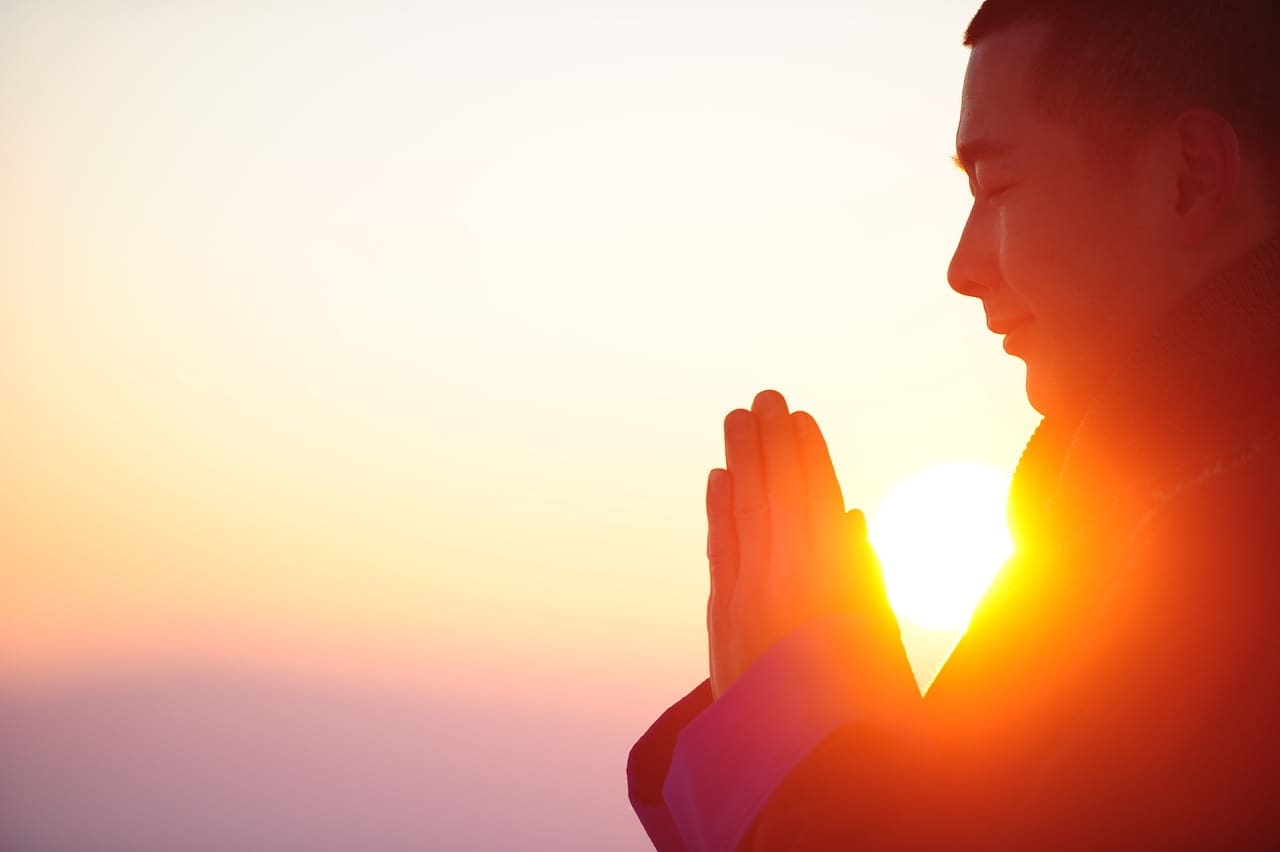
Meditation offers numerous benefits for healthy aging, both physically and mentally. Here are some of the key benefits:
Reducing stress and anxiety
One of the primary benefits of meditation is its ability to reduce stress and anxiety. By practicing meditation regularly, you can learn to calm your mind and body, activate your relaxation response, and reduce the production of stress hormones. This can help you feel more at ease, even in the face of daily challenges and pressures.
Improving mental clarity and concentration
Meditation has been shown to improve mental clarity, focus, and concentration. By training your mind to stay present and redirecting your attention when it wanders, you can enhance your cognitive abilities and increase your ability to stay focused on tasks.
Enhancing emotional well-being
Regular meditation practice can have a positive impact on your emotional well-being. It can help you cultivate a greater sense of self-awareness, allowing you to recognize and manage your emotions in a healthy way. Meditation also promotes feelings of happiness, calmness, and contentment, and can even reduce symptoms of depression and anxiety.
Promoting better sleep quality
If you struggle with sleep disturbances or insomnia, meditation may be an effective natural remedy. The deep relaxation and stress reduction benefits of meditation can help calm your mind and prepare your body for a restful night’s sleep. By practicing meditation before bed, you can create a bedtime routine that signals to your body that it’s time to wind down and relax.
Boosting immune system function
Meditation has been found to have a positive impact on immune system function, helping to strengthen the body’s natural defenses and reduce the risk of illness. By reducing stress and promoting relaxation, meditation can enhance the production of antibodies and other immune cells, improving overall immune system function.
Reducing age-related cognitive decline
As we age, cognitive decline and memory loss can become more common. However, meditation has been shown to have a protective effect on brain health and may help slow down the aging process of the brain. Regular meditation practice can improve cognitive abilities, memory, and attention span, reducing the risk of age-related cognitive decline and neurodegenerative diseases.
Managing chronic pain
For those living with chronic pain, meditation can be a valuable tool for pain management. By focusing your attention away from the pain and incorporating relaxation techniques, meditation can help reduce the perception of pain and improve pain tolerance. It can also help promote a positive mindset and improve overall well-being, even in the presence of chronic pain.
Increasing self-awareness and mindfulness
Meditation is a powerful practice for cultivating self-awareness and mindfulness. By observing your thoughts, emotions, and sensations without judgment, you can develop a greater understanding of yourself and the world around you. This increased self-awareness can lead to greater emotional intelligence, better decision-making, and more fulfilling relationships.
Improving overall quality of life
Ultimately, regular meditation practice can significantly improve your overall quality of life. By reducing stress, enhancing mental and emotional well-being, and increasing self-awareness, meditation can help you lead a more balanced, fulfilling, and meaningful life. It can empower you to respond to life’s challenges with greater resilience and find peace and joy in each moment.
Meditation Techniques for Beginners
If you’re new to meditation, here are some simple techniques to help you get started:
Breathing meditation
One of the most basic and accessible forms of meditation is breathing meditation. Find a comfortable seated position and focus your attention on your breath. Notice the sensation of the breath as it enters and leaves your body, without trying to control it. Whenever your mind starts to wander, gently bring your attention back to the breath.
Mindfulness meditation
Mindfulness meditation involves bringing your attention to the present moment and observing your thoughts, feelings, and sensations without judgment. Find a quiet place to sit and bring your attention to your breath or a specific point of focus. Notice any thoughts or sensations that arise and let them pass without getting caught up in them. Simply observe and bring your attention back to the present moment.
Loving-kindness meditation
Loving-kindness meditation involves cultivating feelings of love, compassion, and kindness towards yourself and others. Begin by directing loving-kindness towards yourself, silently repeating phrases such as “May I be happy, may I be healthy, may I live with ease.” Then extend these wishes to loved ones, neutral individuals, and even difficult people in your life. Let the feelings of love and compassion radiate outward.
Body scan meditation
In a body scan meditation, you systematically scan your body from head to toe, bringing your awareness to each part. Start with your toes and slowly work your way up, noticing any sensations or areas of tension. If you come across any areas of tension or discomfort, allow your breath to soften and release the tension as you continue to scan your body.
Mantra meditation
In mantra meditation, you repeat a specific word, phrase, or sound (mantra) as a way to quiet the mind and enhance concentration. Choose a mantra that resonates with you, such as “Om” or a positive affirmation. Repeat the mantra silently or out loud, allowing it to occupy your thoughts and bring you into a state of deep relaxation and focus.
Visualization meditation
Visualization meditation involves creating a mental image or visualizing a specific scenario. Find a comfortable seated position and close your eyes. Visualize a peaceful and calming place, such as a beach or a forest. Use your senses to imagine the sights, sounds, and smells of this place. Allow yourself to fully immerse in the experience and let go of any tension or stress.
Walking meditation
Walking meditation is a form of meditation that involves bringing your attention to the sensations and movements of walking. Find a quiet and peaceful place to walk, either indoors or outdoors. Begin by taking a few deep breaths and then bring your attention to the physical sensations of walking. Notice the feeling of your feet touching the ground, the rhythm of your steps, and the movements of your body.
Transcendental meditation
Transcendental meditation is a technique that involves the use of a mantra or sound to transcend thought and reach a state of deep relaxation and awareness. It is typically practiced for 20 minutes, twice a day. To practice transcendental meditation, find a comfortable seated position and repeat your chosen mantra silently, allowing it to become a vehicle for transcending thought and accessing deeper states of consciousness.

Tips for Successful Meditation
To make the most of your meditation practice, here are some tips to keep in mind:
Start with shorter meditation sessions
If you’re new to meditation, start with shorter sessions and gradually increase the duration as you become more comfortable. Begin with just a few minutes each day and gradually work your way up to longer sessions. It’s better to have a consistent shorter practice than an irregular longer one.
Maintain a regular meditation practice
Consistency is key when it comes to meditation. Aim to practice meditation every day, even if it’s just for a few minutes. Making meditation a regular part of your routine will help you establish a habit and deepen your practice over time.
Be patient and non-judgmental with yourself
Meditation is a practice that requires patience and self-compassion. Be gentle with yourself and avoid judging your thoughts or your meditation experience. It’s normal for your mind to wander during meditation; simply acknowledge the thoughts and gently redirect your attention back to your chosen point of focus.
Experiment with different meditation techniques
Explore different meditation techniques and find what works best for you. There is no one-size-fits-all approach to meditation, so allow yourself to experiment and find the techniques that resonate with you. You may find that certain techniques are more effective at different times or for different purposes.
Use aids like cushions or chairs for comfort
To ensure comfort during meditation, consider using aids such as meditation cushions or chairs. This can help support your posture and alleviate any discomfort during longer meditation sessions. Find a seated position that feels comfortable and allows you to maintain an upright posture.
Find a meditation community or group for support
Consider joining a meditation community or group to connect with others on the same journey. This can provide support, inspiration, and opportunities for learning and growth. Whether it’s a local meditation group or an online community, having a sense of community can enhance your meditation practice.
Incorporating Meditation into Your Daily Routine
To make meditation a seamless part of your daily routine, consider the following tips:
Choosing the best time of day for meditation
Select a time of day that works best for you and aligns with your natural rhythm. Some people find it beneficial to meditate first thing in the morning, setting the tone for the day ahead. Others prefer to meditate later in the day as a way to unwind and relax. Experiment with different times and find what works best for you.
Integrating meditation with other healthy habits
Incorporate meditation into your daily routine by linking it with other healthy habits. For example, you can meditate before or after exercise, prior to meals, or as part of your pre-sleep routine. This helps create consistency and makes it easier to remember to meditate.
Finding opportunities for mindfulness in daily activities
Meditation doesn’t have to be confined to a formal seated practice. You can bring mindfulness into your daily activities by being fully present and engaged in whatever you’re doing. Whether it’s taking a shower, eating a meal, or going for a walk, bring your attention to the present moment and notice the sensations and experiences.
Adjusting meditation practices as you age
As you age, it’s important to adjust your meditation practices to accommodate any physical limitations or changes in your body. Consider using props or modify your seated position as needed. Additionally, you may find that the focus of your meditation shifts as you age, placing greater emphasis on relaxation, gratitude, or self-reflection.
Overcoming Challenges in Meditation
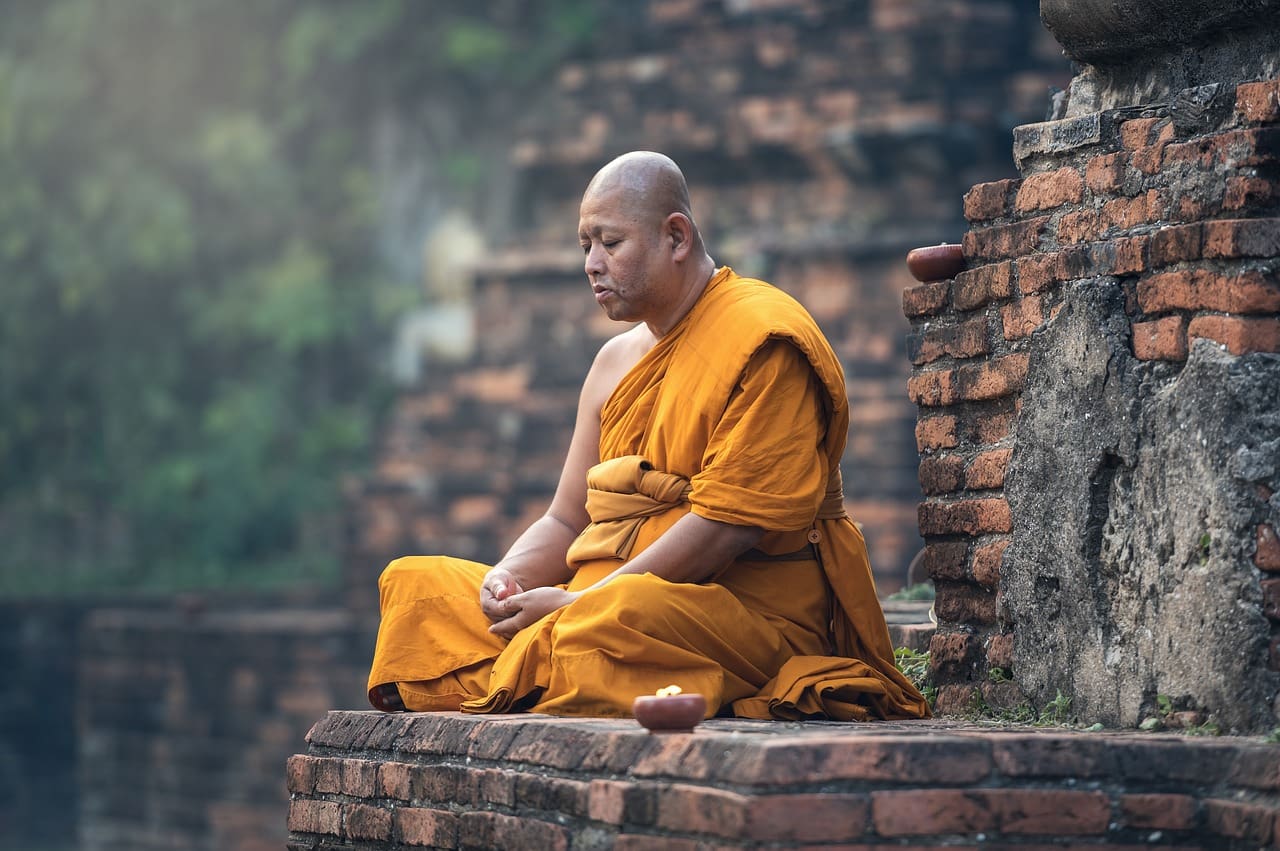
Meditation is not always easy, and it’s common to encounter challenges along the way. Here are some strategies for overcoming common challenges:
Dealing with a busy mind
A busy mind is a common challenge in meditation. Instead of fighting or resisting the stream of thoughts, simply observe them without judgment and gently bring your attention back to your breath or chosen point of focus. Remember, the goal is not to completely stop thinking, but rather to cultivate a sense of detachment and awareness of your thoughts.
Handling physical discomfort
Physical discomfort, such as stiffness or discomfort in your back or legs, can be a distraction during meditation. Experiment with different seated positions, use cushions or props for support, or try practicing meditation lying down. Finding a position that is comfortable for you will allow you to focus more fully on your meditation practice.
Managing distractions
Distractions are bound to arise during meditation, especially if you’re practicing in a busy environment. Instead of resisting or becoming frustrated with the distractions, acknowledge them and let them pass without getting caught up in them. You can use techniques such as noting the distraction, returning to your breath, or using a mantra to refocus your attention.
Addressing resistance or skepticism
Resistance or skepticism towards meditation can be a barrier to establishing a regular practice. If you find yourself resistant or skeptical, try to approach meditation with an open mind and without any expectations. Start with shorter sessions and focus on the benefits you’re experiencing in the present moment. Over time, as you begin to witness the positive effects of meditation, your resistance or skepticism may dissipate.
Seeking guidance or professional help when needed
If you’re finding it challenging to establish or maintain a meditation practice on your own, don’t hesitate to seek guidance or professional help. Consider attending meditation classes, workshops, or retreats where you can receive guidance from experienced teachers. Alternatively, working with a therapist or meditation coach can provide support and help you overcome any specific challenges or obstacles you may be facing.
Building a Long-Term Meditation Practice
To build a long-term meditation practice, here are some strategies to keep in mind:
Setting realistic goals
Set realistic and achievable goals for your meditation practice. Instead of aiming for lengthy meditation sessions right from the start, focus on consistent daily practice and gradually increase the duration as you become more comfortable. Celebrate small milestones, such as completing a certain number of consecutive days of meditation, to stay motivated and inspired.
Tracking progress and benefits
Keep track of your progress and the benefits you experience through meditation. Journaling can be a powerful tool for reflecting on your practice, noting any insights, and observing changes in your mental, emotional, and physical well-being. This reflection can provide motivation and encouragement to continue your meditation practice.
Adapting meditation techniques over time
As you grow and evolve in your meditation practice, you may find that certain techniques resonate more strongly with you at different stages of your life. Allow yourself the freedom to experiment with different techniques and adapt your practice as needed. As you gain experience, you may develop your own unique meditation style that best suits your needs.
Continuing to learn and grow in meditation
Meditation is a lifelong journey of learning and growth. There are always new techniques to explore, insights to gain, and depths to explore within yourself. Stay open to learning from different teachers, attending workshops, or reading books on meditation to expand your knowledge and continue deepening your practice.
Maintaining consistency and motivation
Consistency is key when it comes to building a long-term meditation practice. Develop a routine that works for you and commit to practicing meditation every day, even if it’s just for a few minutes. Find ways to stay motivated, such as experimenting with different techniques, attending meditation retreats, or connecting with fellow meditators.
Combining Meditation with Other Healthy Aging Practices
To optimize your overall well-being and healthy aging, consider combining meditation with other healthy habits:
Exercise and physical activity
Regular exercise and physical activity are essential for healthy aging. Combine meditation with physical activity by practicing mindful movement, such as yoga or tai chi. Engage in activities that promote body awareness and mindfulness, allowing you to combine physical fitness with the benefits of meditation.
Healthy diet and nutrition
A healthy diet and good nutrition play a crucial role in healthy aging. Practicing mindful eating can enhance your relationship with food and help you make more conscious and nourishing choices. Bring mindfulness to your meals by savoring each bite, noticing the taste, texture, and sensations of the food.
Quality sleep and relaxation
Quality sleep and relaxation are vital for overall health and well-being. Use meditation as a tool to promote relaxation before bed, helping to calm your mind and prepare your body for sleep. Create a bedtime routine that includes meditation, such as a body scan or breathing meditation, to promote restful and rejuvenating sleep.
Social connection and relationships
Maintaining social connections and nurturing relationships is important for healthy aging. Use meditation as a way to cultivate empathy and kindness towards others, enhancing your relationships and promoting a sense of connection. Consider joining a meditation group or incorporating loving-kindness meditation into your practice as a way to foster compassion and connection.
Engaging in creative or productive hobbies
Engaging in creative or productive hobbies is a great way to promote mental well-being and stimulate cognitive function. Use meditation as a way to enhance your creativity and focus. Incorporate visualization meditation into your routine to visualize and manifest your creative goals, or practice mindfulness while engaging in your favorite hobbies.
Conclusion
In conclusion, meditation is a powerful practice that offers a multitude of benefits for healthy aging. By cultivating mindfulness, reducing stress, improving mental and emotional well-being, and promoting self-awareness, meditation can significantly enhance your quality of life. With various techniques to choose from and the flexibility to adapt your practice as needed, meditation is accessible to people of all ages and backgrounds. So, why not start your meditation journey today? Begin with small steps, be patient and kind to yourself, and embrace the transformative power of meditation for healthy aging.