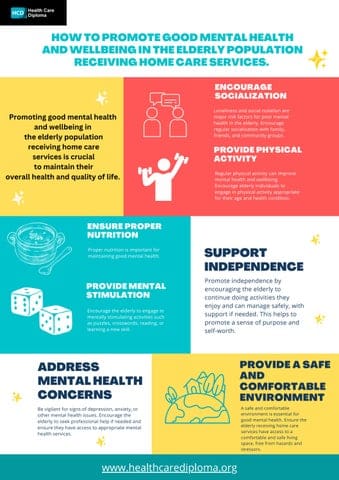
As you journey through the later stages of life, it is crucial to prioritize your emotional well-being and mental health. This article aims to provide you with valuable insights on the best practices for promoting emotional well-being and mental health in older age. With a friendly tone, we will explore various strategies and activities that can contribute to a fulfilling and joyful experience during this phase of life. So, buckle up and get ready to embark on a journey towards a happier and healthier you!
Physical Well-being
Maintaining a Healthy Lifestyle
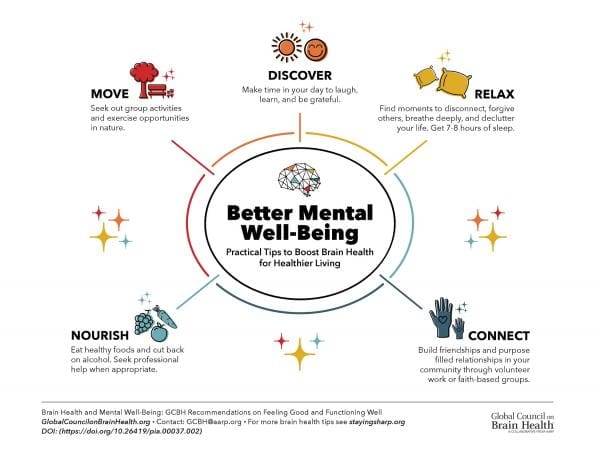
One of the key components of overall well-being in older age is maintaining a healthy lifestyle. This involves taking care of your physical health through proper nutrition, regular exercise, and adequate rest. By giving your body the nutrients it needs, you are supporting its overall functioning and reducing the risk of chronic illnesses. A balanced diet that includes fruits, vegetables, lean proteins, whole grains, and plenty of water is essential for maintaining optimal physical well-being.
Regular Exercise
Incorporating regular exercise into your daily routine is essential for keeping your body strong and energetic. Exercise helps improve cardiovascular health, muscle strength, and flexibility, which are all crucial for maintaining independence and reducing the risk of falls. Engaging in activities like walking, swimming, cycling, or even gardening can contribute to your overall physical well-being. It is recommended to aim for at least 150 minutes of moderate-intensity aerobic exercise per week, along with strength training exercises at least twice a week.
Healthy Diet
Eating a healthy and well-balanced diet is vital for overall physical well-being. As you age, your nutritional needs may change, so it is essential to adapt your diet accordingly. Consuming a variety of nutrient-rich foods, including fruits, vegetables, whole grains, lean meats, and low-fat dairy products, can provide your body with the vitamins, minerals, and antioxidants it needs to function optimally. It is also important to limit your intake of processed foods, sugary snacks, and beverages high in added sugars, as they can contribute to weight gain and increase the risk of chronic diseases.
Social Engagement
Maintaining Relationships
Maintaining strong and meaningful relationships is an essential aspect of emotional well-being and mental health in older age. Connecting with family members, friends, and loved ones can provide a sense of belonging, support, and companionship. Make an effort to regularly reach out to your loved ones, whether through phone calls, video chats, or in-person visits. Building and nurturing these relationships can contribute to a sense of happiness and satisfaction, ultimately promoting emotional well-being.
Participating in Community Activities
Getting involved in community activities can provide opportunities for social interaction and engagement, which are vital for emotional well-being. Consider joining local clubs, organizations, or volunteer groups that align with your hobbies or interests. Engaging in activities alongside like-minded individuals can foster a sense of belonging and purpose, helping to combat feelings of isolation or loneliness. These community connections can also lead to the formation of new friendships and the expansion of your social network.
Joining Clubs or Groups
Joining clubs or groups that cater to your specific interests or hobbies can be an excellent way to meet new people and expand your social circle. Whether it’s a book club, a gardening group, or a fitness class, participating in activities that align with your passions can provide opportunities for socializing and engaging with others who share similar interests. This sense of camaraderie and shared experiences can contribute to your overall well-being and help prevent feelings of social isolation.
Cognitive Stimulation
Continuing Education
Engaging in lifelong learning and continuing education can have numerous benefits for cognitive health and overall well-being. Whether you pursue formal education, take online courses, or attend workshops and seminars, continuing to learn and acquire new knowledge can help keep your brain active and stimulated. This can improve cognitive function, memory, and critical thinking skills. Consider exploring subjects that interest you or learning new skills that can enhance your daily life.
Puzzles and Brain Games
Engaging in puzzles, brain games, and mental exercises can be an enjoyable way to maintain cognitive health and stimulate your mind. Activities such as crossword puzzles, Sudoku, chess, or jigsaw puzzles can help improve concentration, memory, and problem-solving abilities. These brain-stimulating activities can be done individually or with others, providing opportunities for social interaction while also keeping your mind sharp.
Reading and Writing
Reading books, newspapers, or articles and engaging in writing activities are excellent ways to stimulate your mind and promote cognitive well-being. Reading exposes you to new ideas, knowledge, and perspectives, while writing allows you to express your thoughts and feelings. Consider exploring different genres or topics that interest you and allocate regular time for reading. Additionally, keeping a journal or engaging in creative writing can be therapeutic and help you process your emotions.
Emotional Support
Seeking Emotional Support
Seeking emotional support is a crucial aspect of maintaining emotional well-being in older age. It is essential to recognize when you may need additional support and reach out to trusted family members, friends, or professionals. Openly discussing your feelings and concerns with someone you trust can provide comfort, validation, and a fresh perspective. Remember that seeking support is not a sign of weakness but rather a proactive step toward nurturing your emotional well-being.
Talking to Family and Friends
Maintaining open and honest communication with your family and friends can be a valuable source of emotional support. Share your thoughts, feelings, and experiences with your loved ones, and don’t hesitate to reach out to them when you need support. Regular conversations with family and friends can help strengthen your relationships, provide a sense of belonging, and alleviate feelings of loneliness or isolation.
Participating in Support Groups
Joining support groups can provide an invaluable source of emotional support and understanding. Support groups bring together individuals who share similar experiences or challenges, providing a safe space to discuss thoughts and feelings without judgment. Whether it is a support group for caregivers, individuals with specific health conditions, or a grief support group, connecting with others who can relate to your experiences can foster a sense of empathy, validation, and belonging.

Managing Stress
Identifying Stressors
Managing stress is essential for maintaining emotional well-being and mental health. Start by identifying the stressors in your life, whether they are external events, relationships, or internal thoughts and beliefs. Understanding what triggers your stress can help you develop effective coping strategies to manage and reduce it. Keep a stress journal, noting down specific situations or triggers that cause stress, and reflect on the patterns or common themes.
Practicing Relaxation Techniques
Incorporating relaxation techniques into your daily routine can significantly reduce stress and promote emotional well-being. Techniques such as deep breathing exercises, meditation, yoga, or progressive muscle relaxation can help calm your mind and body. Dedicate a few minutes each day to engage in these practices, allowing yourself to unwind, relax, and let go of any tension or anxiety. Experiment with different techniques to find what works best for you.
Seeking Professional Help if Needed
If stress becomes overwhelming or starts to interfere with your daily life, it may be beneficial to seek professional help. Mental health professionals, such as therapists or counselors, can provide guidance, support, and tools to help you manage stress effectively. They can assist in developing personalized coping strategies, address underlying concerns, and provide a safe space to discuss your emotions and experiences. Seeking professional help is a proactive step towards taking care of your mental and emotional well-being.
Sleep Hygiene
Establishing a Bedtime Routine
Establishing a consistent bedtime routine can significantly improve the quality of your sleep. Create a relaxing routine before bed that signals to your body that it is time to wind down and prepare for sleep. This may involve activities such as reading a book, taking a warm bath, practicing relaxation techniques, or listening to calming music. By sticking to a regular sleep schedule and adopting a soothing bedtime routine, you can improve the duration and quality of your sleep.
Creating a Comfortable Sleep Environment
Creating a comfortable sleep environment can have a significant impact on your sleep quality. Ensure that your bedroom is cool, quiet, and free from distractions. Consider investing in a comfortable mattress, supportive pillows, and blackout curtains to create a conducive sleep environment. Remove electronic devices or limit their use in the bedroom, as the blue light emitted from screens can interfere with melatonin production and disrupt your sleep patterns.
Avoiding Stimulants Before Bed
Certain substances and activities can interfere with your ability to fall asleep and stay asleep. Avoid consuming stimulants such as caffeine, nicotine, or alcohol close to bedtime, as they can disrupt your sleep patterns. Additionally, limit your intake of fluids before bed to avoid disruptive nighttime trips to the bathroom. Engaging in stimulating activities, such as vigorous exercise or intense mental work, should also be avoided in the evening, as they can make it difficult for your mind and body to relax.

Maintaining Independence
Adapting Living Space
Adapting your living space to meet your changing needs can significantly contribute to maintaining independence and overall well-being. Consider making modifications to your home to enhance safety and accessibility. Install grab bars in the bathroom, ensure that pathways are clear from clutter, and remove any tripping hazards. Additionally, consider incorporating assistive devices, such as handrails or shower chairs, to support your mobility and reduce the risk of falls.
Utilizing Assistive Devices
Utilizing assistive devices can be instrumental in maintaining independence and promoting overall well-being. These devices are designed to support your mobility, enhance safety, and compensate for any physical limitations. Common examples include walking aids like canes or walkers, hearing aids, or magnifying glasses for visual impairments. Consult with healthcare professionals or occupational therapists to determine which assistive devices are best suited to your specific needs.
Seeking Support Services
When it comes to maintaining independence, it is crucial to be aware of and utilize the support services available to you. There are numerous community-based programs and resources that can provide assistance with tasks such as housekeeping, meal preparation, transportation, or home healthcare services. These support services can help alleviate the burden of daily tasks, allowing you to focus on maintaining your independence and overall well-being.
Positive Thinking and Mindfulness
Practicing Gratitude
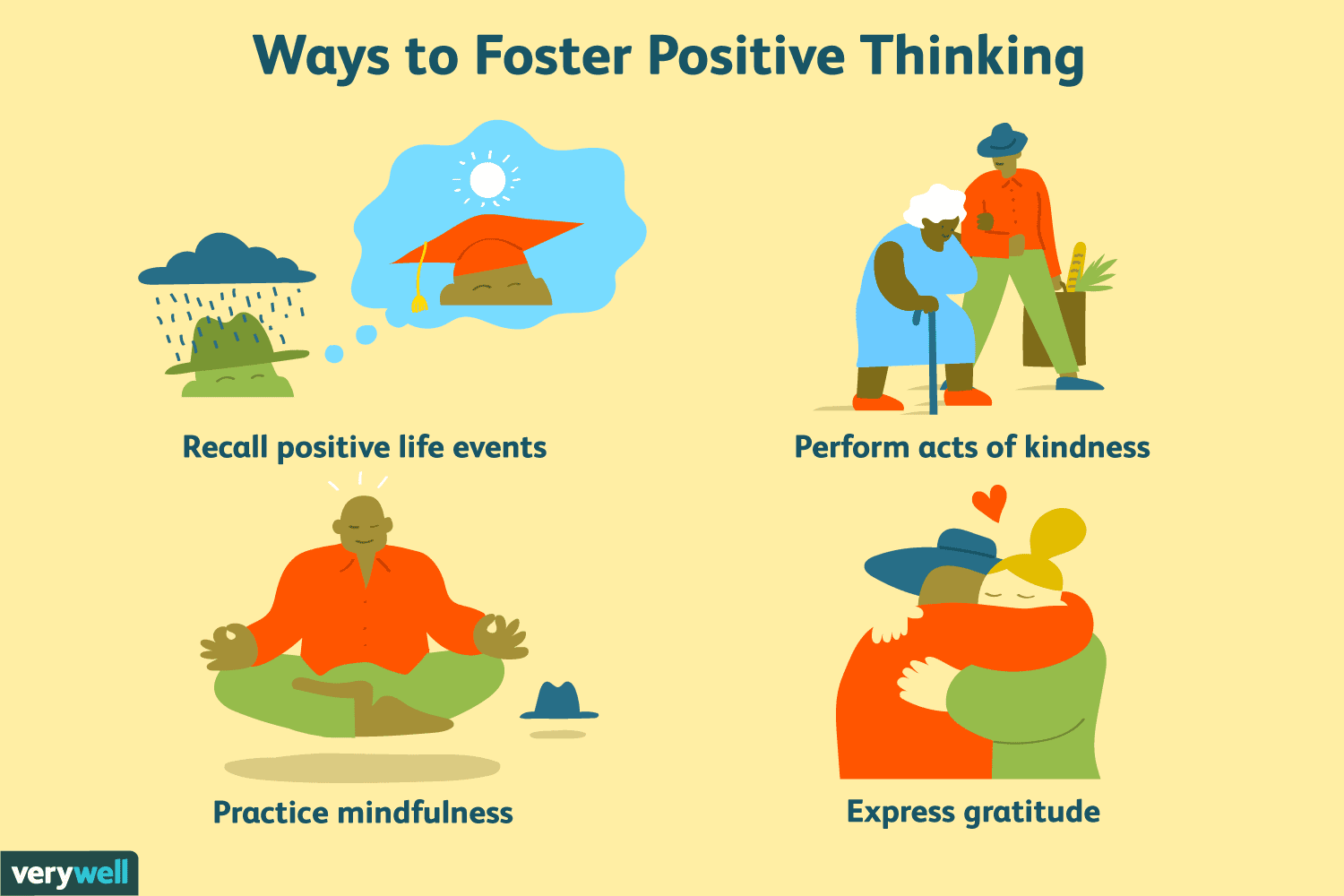
Cultivating an attitude of gratitude can significantly enhance your emotional well-being and overall outlook on life. Take time each day to reflect on the things you are grateful for. This may include expressing appreciation for the people in your life, the beauty of nature, or the small joys and accomplishments of each day. By actively acknowledging and appreciating the positive aspects of your life, you can shift your focus towards positivity and foster a more optimistic mindset.
Engaging in Meditation or Mindfulness Activities
Meditation and mindfulness practices can help quiet the mind, reduce stress, and promote emotional well-being. Set aside time each day to engage in meditation or mindfulness activities. This may involve sitting quietly and focusing on your breath, observing your thoughts without judgment, or engaging in guided meditation sessions. By cultivating a state of mindfulness, you can increase self-awareness, reduce stress, and improve your overall mental and emotional well-being.
Fostering a Positive Outlook
Fostering a positive outlook can have a profound impact on your emotional well-being. Practice reframing negative thoughts and challenging pessimistic beliefs. Focus on finding solutions instead of dwelling on problems, and approach challenges with a growth mindset. Surround yourself with positive influences, engage in activities that bring you joy, and celebrate your achievements, no matter how small. By fostering a positive outlook, you can cultivate resilience, enhance your emotional well-being, and approach life with optimism.
Managing Chronic Illness
Following Medical Advice and Treatment Plans
If you are managing a chronic illness, it is crucial to follow your healthcare provider’s advice and treatment plans. Adhering to prescribed medications, attending regular check-ups, and following recommended lifestyle modifications can help manage symptoms and prevent complications. Communicate openly with your healthcare team, ask questions, and actively participate in your care. By taking an active role in managing your chronic illness, you can maintain your overall well-being and quality of life.
Regular Check-ups and Screenings
Regular check-ups and screenings are essential for early detection of potential health issues and effective management of chronic illnesses. Schedule routine appointments with your healthcare provider to monitor your health, discuss any concerns, and receive appropriate screenings or preventive interventions. These check-ups can help identify and address health conditions in their early stages, allowing for more effective treatment and management.
Managing Medications
Proper medication management is crucial for individuals with chronic illnesses. Follow the prescribed dosage and frequency instructions, and keep track of your medications to ensure you are taking them as directed. It is helpful to use pill organizers or set reminders to avoid missing doses. If you experience any side effects or have concerns about your medication regimen, consult with your healthcare provider. It may also be beneficial to have a medication review to ensure you are taking the most appropriate medications for your specific condition.
Seeking Mental Health Services
Accessibility of Mental Health Services
Accessing mental health services is critical for overall emotional well-being and mental health. Fortunately, mental health services have become more accessible than ever before. Many healthcare providers offer telehealth services, allowing you to have therapy or counseling sessions from the comfort of your own home. Additionally, community organizations and support groups often provide mental health resources and referrals. Reach out to local mental health organizations or ask your healthcare provider for recommendations to access the services you need.
Overcoming Stigma Surrounding Mental Health
Overcoming societal stigma surrounding mental health is crucial for seeking and accessing mental health services. Understand that seeking help for your mental well-being is a sign of strength and self-care, rather than a sign of weakness. Challenge the stigma by educating yourself and others about mental health, engaging in open conversations, and sharing your personal experiences. By addressing and dispelling stigma, we can create a more supportive and inclusive environment for mental health services.
Incorporating Therapy or Counseling
Incorporating therapy or counseling into your mental health care can be highly beneficial. Mental health professionals can provide support, guidance, and evidence-based interventions to help you navigate emotional challenges, cope with stressors, and improve your overall mental well-being. Consider seeking therapy or counseling if you are experiencing symptoms of depression, anxiety, grief, or other mental health concerns. The therapeutic relationship can provide a safe space to explore your thoughts and emotions, gain new perspectives, and develop effective coping strategies.
In conclusion, promoting emotional well-being and mental health in older age encompasses various aspects of physical, social, cognitive, and emotional well-being. By maintaining a healthy lifestyle, engaging in social interactions, stimulating your mind, seeking emotional support, managing stress, prioritizing sleep, maintaining independence, adopting a positive mindset, managing chronic illnesses, and accessing mental health services, you can enhance your overall well-being and enjoy a fulfilling and satisfying life as you age. Remember that taking care of your mental and emotional health is just as important as caring for your physical health, and prioritize self-care to ensure a happy and balanced life in older age.