In today’s fast-paced and high-stress world, it is more important than ever to prioritize our mental well-being. Developing emotional intelligence skills can be a powerful tool in this endeavor. By understanding and managing our own emotions, as well as empathizing with others, we can navigate challenges with greater resilience and build healthier relationships. In this article, we will explore the benefits of developing emotional intelligence and provide practical tips on how to enhance these skills for a more fulfilling and balanced life.
Understanding Emotional Intelligence
Definition of emotional intelligence
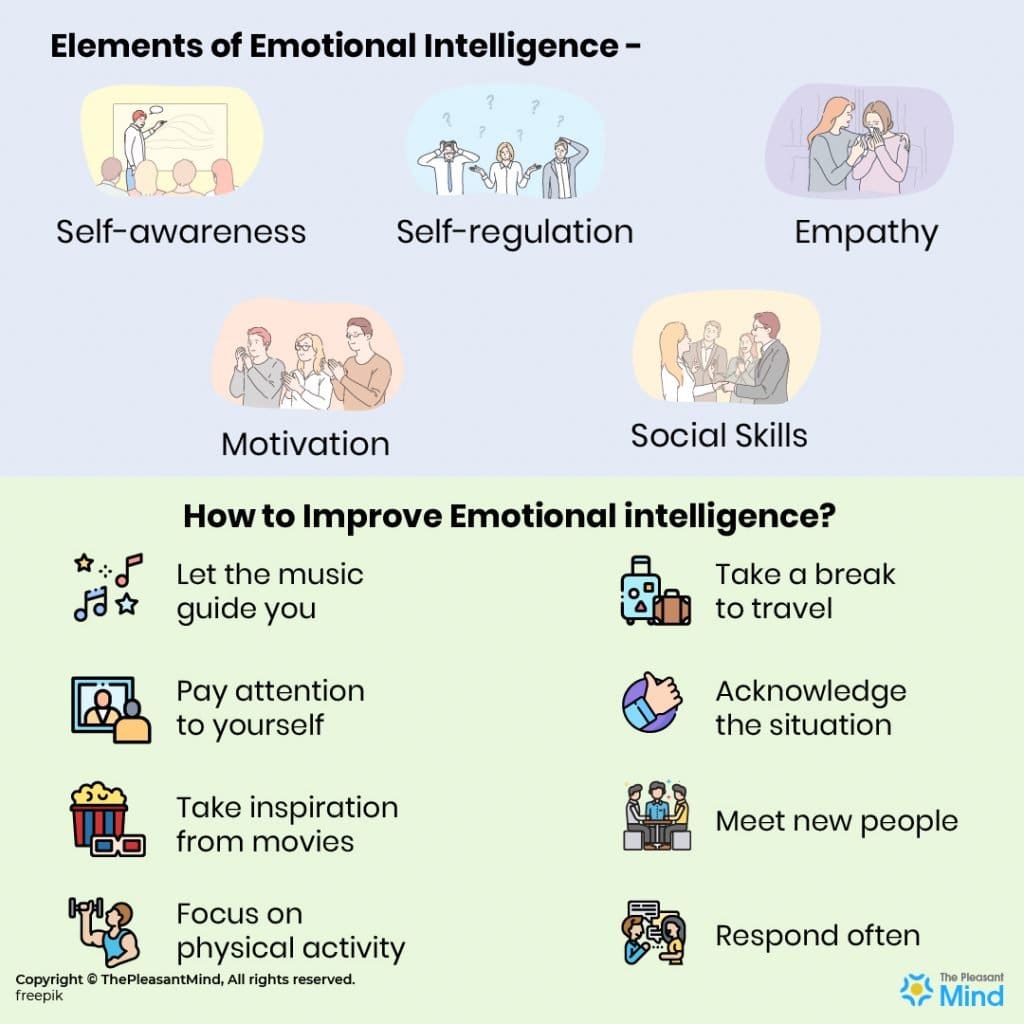
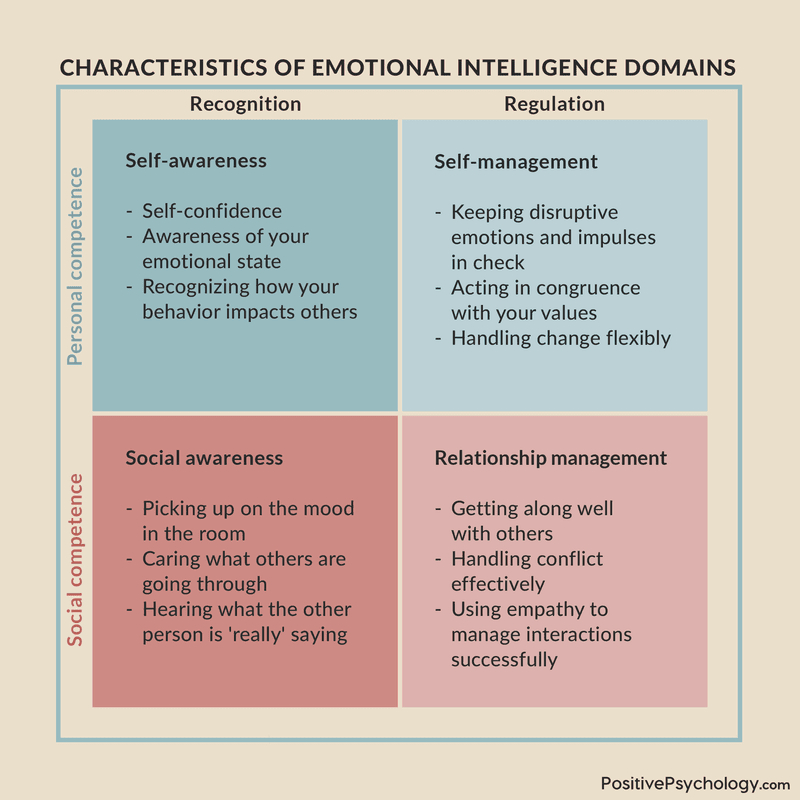
Emotional intelligence refers to the ability to recognize, understand, and manage our own emotions effectively. It also involves being aware of others’ emotions and being able to empathize with them. It encompasses skills such as self-awareness, self-regulation, empathy, and social skills. Individuals with high emotional intelligence are better equipped to navigate their own emotions and build meaningful connections with others.
Importance of emotional intelligence
Emotional intelligence plays a crucial role in our overall well-being and success in various areas of life. It helps us make better decisions, handle stress and challenges effectively, and maintain healthy relationships. A high level of emotional intelligence enables us to communicate more effectively, resolve conflicts, and manage our emotions in a healthy way. It also allows us to understand and connect with others on a deeper level, fostering positive relationships both personally and professionally.
Components of emotional intelligence
Emotional intelligence can be broken down into several components or skills:
-
Self-awareness: This involves recognizing and understanding our own emotions, strengths, weaknesses, and values.
-
Self-regulation: It refers to the ability to manage and control our own emotions, impulses, and reactions. This includes being able to regulate our stress levels, remain calm in challenging situations, and make decisions that align with our values.
-
Empathy: Empathy is the ability to understand and share the feelings of others. It involves being able to see the world from another person’s perspective and respond with compassion and understanding.
-
Social skills: Social skills encompass the ability to build and maintain healthy relationships, communicate effectively, and work collaboratively with others. This includes skills such as active listening, conflict resolution, and assertiveness.
-
Motivation: Motivation in emotional intelligence refers to the ability to set and pursue goals, persevere in the face of challenges, and maintain a positive outlook even in difficult circumstances.
Benefits of Developing Emotional Intelligence
Enhanced self-awareness
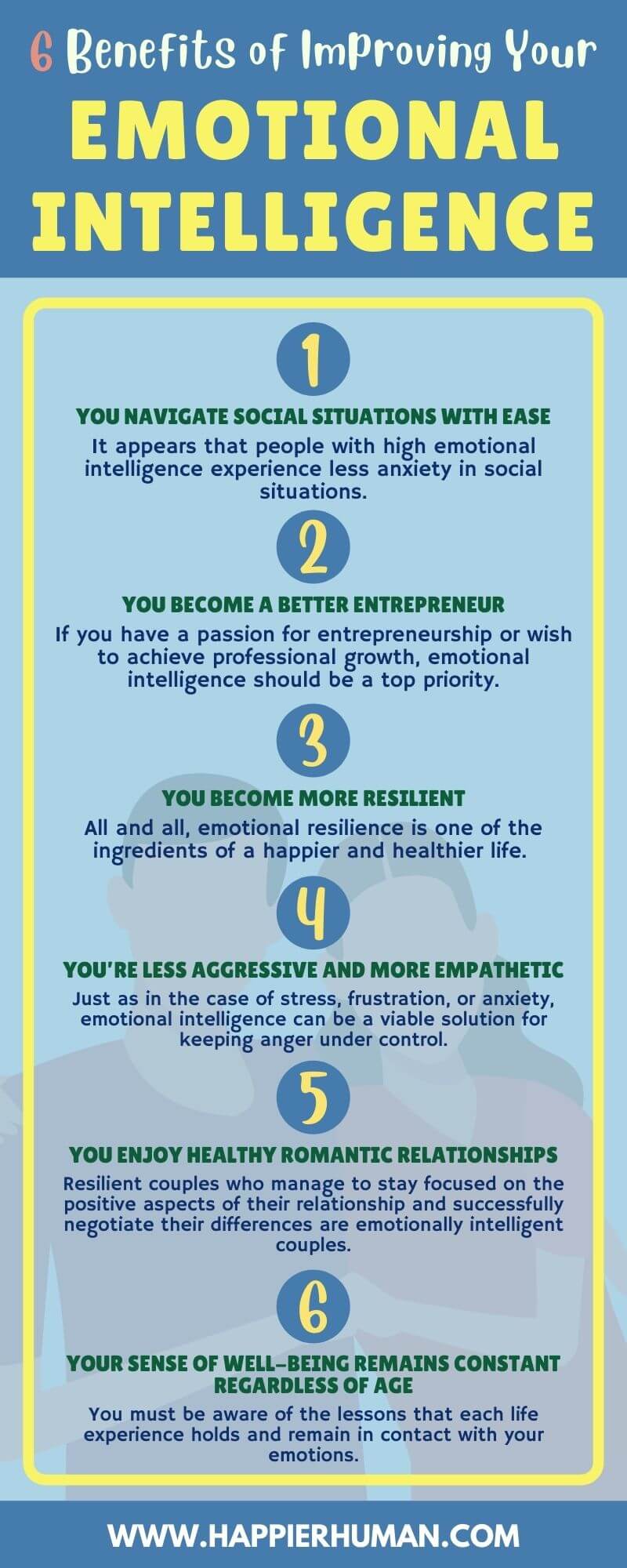
Developing emotional intelligence enhances self-awareness by allowing you to recognize and understand your own emotions, strengths, and weaknesses. It helps you gain insight into your behavior and thought patterns, enabling you to make positive changes and align your actions with your values and goals. Self-awareness also empowers you to better manage your emotions and make informed decisions that contribute to your overall well-being.
Better self-regulation
Emotional intelligence enables better self-regulation, which involves managing your emotions, impulses, and reactions in a healthy and constructive manner. By developing self-regulation skills, you can effectively manage stress, control impulsive behavior, and respond to challenges with composure. This leads to improved emotional well-being and the ability to maintain healthy relationships.
Improved interpersonal relationships
Emotional intelligence plays a vital role in building and maintaining healthy interpersonal relationships. By developing empathy, social skills, and effective communication, you can foster positive connections with others. Understanding and responding to others’ emotions with compassion and respect strengthens bonds and fosters a supportive environment. Improved interpersonal relationships contribute to a sense of belonging, happiness, and overall well-being.
Enhanced empathy and compassion
Developing emotional intelligence nurtures empathy and compassion, allowing you to understand and connect with others on a deeper level. Through empathy, you can better understand others’ perspectives, feelings, and needs, fostering stronger relationships. Compassion allows you to respond to others’ suffering with kindness and support, contributing to a more empathetic and caring community.
Reduced stress and anxiety
Emotional intelligence skills help reduce stress and anxiety by enabling effective emotional regulation. By recognizing and managing your own emotions, you can prevent them from escalating into overwhelming stress or anxiety. Developing resilience and stress management techniques also equips you with the tools to face challenges and bounce back from adversity. A balanced emotional state contributes to overall mental well-being and leads to a more fulfilling life.
Assessing Your Emotional Intelligence
Recognizing your emotions
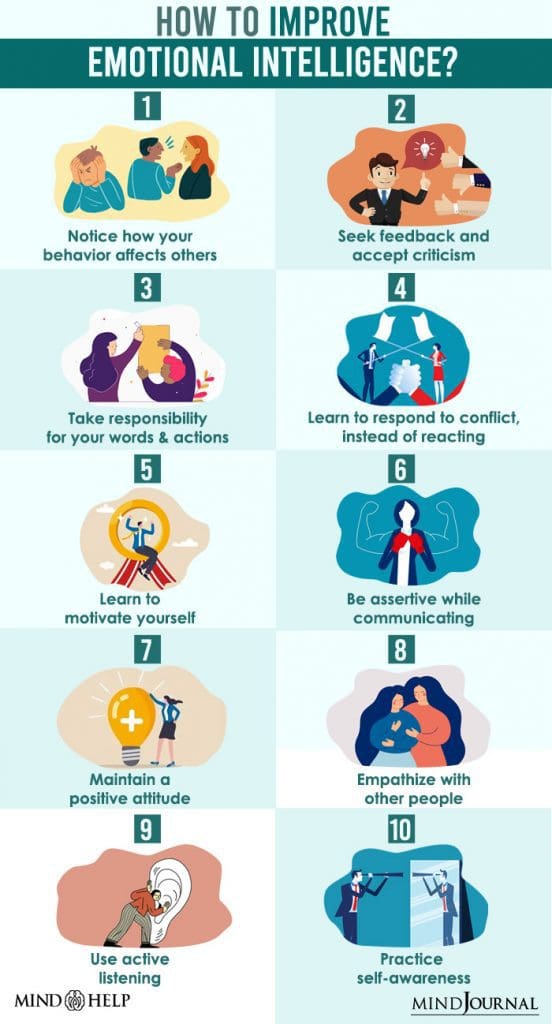
Start by becoming more aware of your own emotions. Take the time to check in with yourself regularly and identify how you are feeling. Practice labeling your emotions and reflecting on the underlying causes or triggers.
Identifying triggers
Pay attention to the situations, events, or people that tend to evoke strong emotional responses in you. Recognizing your triggers will help you understand why certain situations elicit specific emotions and provide an opportunity to develop strategies for managing them.
Understanding emotional patterns
Reflect on recurring patterns in your emotions and behaviors. Are there certain patterns that emerge during specific situations or in response to certain triggers? Understanding these patterns allows you to anticipate and manage your emotions more effectively.
Assessing emotional responses
Evaluate how you typically respond to different emotions. Do you tend to react impulsively or with thoughtfulness? Assessing your emotional responses can help you identify areas for growth and develop healthier coping mechanisms.
Techniques for Developing Emotional Intelligence
Practicing self-reflection
Engage in regular self-reflection to deepen your understanding of your emotions and thought processes. Set aside time to journal, meditate, or engage in other forms of introspection. Take note of your emotions and reflect on the underlying reasons behind them.
Developing self-awareness
Focus on developing self-awareness by paying attention to your thoughts, feelings, and physical sensations. Mindfully observe your reactions to various situations and seek to learn more about yourself. This awareness will help you better understand your emotions and their impact on your behaviors.
Building emotional resilience
Developing emotional resilience involves strengthening your ability to bounce back from adversity and navigate challenging situations. Practice self-care, engage in activities that bring you joy and relaxation, and seek support when needed. By building resilience, you can better cope with stress and maintain emotional balance.
Improving emotional communication
Enhance your emotional intelligence by improving your ability to express and communicate your emotions effectively. Practice active listening, assertive communication, and empathy to promote open and honest dialogue with others. Clear and honest communication fosters stronger relationships and reduces misunderstandings.
Strengthening empathy
Cultivate empathy by actively seeking to understand others’ perspectives and emotions. Practice putting yourself in others’ shoes, actively listen without judgment, and validate their experiences. Strengthening empathy allows for more meaningful connections and enhances the quality of your relationships.
Cultivating emotional intelligence in relationships
Work on developing emotional intelligence within your relationships by being attentive to the emotions and needs of others. Foster open and honest communication, practice active listening, and strive to resolve conflicts in a respectful and empathetic manner. Nurturing emotional intelligence within your relationships creates a supportive and harmonious environment.
%20(1).webp "Developing Emotional Intelligence Skills For Improved Mental Well-being")
Mindfulness and Emotional Intelligence
Introduction to mindfulness
Mindfulness involves being fully present in the moment, without judgment or attachment to thoughts or emotions. It allows you to cultivate awareness and acceptance of your emotions, promoting emotional intelligence.
Benefits of mindfulness for emotional intelligence
Practicing mindfulness enhances emotional intelligence by increasing self-awareness, improving self-regulation, and fostering empathy. It helps you become more attuned to your emotions, allowing you to respond rather than react impulsively. Mindfulness also promotes a sense of calm and clarity, reducing stress and enhancing overall well-being.
Practicing mindfulness techniques
Incorporate mindfulness techniques into your daily routine, such as meditation, deep breathing exercises, or body scans. These practices promote self-awareness, relaxation, and emotional regulation. Start with short periods of mindfulness and gradually increase the duration as you become more comfortable.
Incorporating mindfulness into daily life
Beyond formal mindfulness practices, strive to incorporate mindfulness into your everyday activities. Pay attention to the present moment as you engage in routine tasks, interact with others, or enjoy nature. The more you cultivate mindfulness in your daily life, the more you will enhance your emotional intelligence.
Strategies for Enhancing Emotional Regulation
Recognizing and labeling emotions
Practice recognizing and labeling your emotions as they arise. This helps you develop emotional vocabulary and increases self-awareness. By acknowledging and labeling specific emotions, you can effectively regulate and respond to them.
Cognitive restructuring
Challenge and modify negative thought patterns that contribute to unhealthy emotional responses. Replace negative self-talk with positive and realistic affirmations. Cognitive restructuring helps you develop a more balanced perspective and emotional framework.
Stress management techniques
Implement stress management techniques to enhance emotional regulation. Engage in activities that help you relax and unwind, such as exercise, mindfulness, or hobbies. Prioritizing self-care and stress reduction contributes to improved emotional well-being.
Developing resilience in challenging situations
Strengthen your ability to deal with challenging situations by developing emotional resilience. Embrace setbacks as learning opportunities, practice optimism, and maintain a growth mindset. Resilience allows you to bounce back from adversity and maintain emotional well-being.
Improving Interpersonal Skills
Active listening
Practice active listening to enhance your interpersonal skills. When engaging in conversations, give your full attention, maintain eye contact, and demonstrate genuine interest. Reflect on what the other person is saying and respond thoughtfully. Active listening fosters connection, empathy, and understanding.
Non-verbal communication
Pay attention to non-verbal cues, such as body language and facial expressions, when communicating with others. Be mindful of your own non-verbal signals and ensure they align with your intended message. Non-verbal communication adds depth and clarity to interpersonal interactions.
Conflict resolution
Learn and practice effective conflict resolution skills. Approach conflicts with empathy and a willingness to find a mutually beneficial solution. Practice active communication, seek to understand the other person’s perspective, and work towards a resolution that respects the needs and emotions of all parties involved.
Building empathy in relationships
Strive to understand and empathize with others’ emotions and experiences. Demonstrate empathy by actively listening, validating their feelings, and offering support. Building empathy in relationships cultivates trust, strengthens connections, and fosters a positive and supportive environment.
Creating Emotional Intelligence in the Workplace
Importance of emotional intelligence in the workplace
Emotional intelligence is invaluable in the workplace as it promotes effective communication, teamwork, and leadership. It enhances productivity, conflict resolution, and supports a positive work culture. Employees with high emotional intelligence are better equipped to manage stress, navigate challenges, and maintain healthy relationships.
Emotionally intelligent leadership
Leaders who possess emotional intelligence skills create positive and inclusive work environments. They are empathetic, communicate effectively, and inspire their team members. Emotionally intelligent leaders foster trust, collaboration, and support the professional growth of their employees.
Promoting emotional intelligence among employees
Organizations can promote emotional intelligence among employees through training programs and workshops. These initiatives can provide employees with the tools to develop self-awareness, emotional regulation, and effective communication. By investing in emotional intelligence training, organizations create a more cohesive and supportive work environment.
Creating a positive work environment
Foster a positive work environment by encouraging open communication, respect, and empathy. Recognize and appreciate the contributions of employees, promote work-life balance, and provide opportunities for personal and professional growth. A positive work environment cultivates emotional intelligence and contributes to employee satisfaction and well-being.
Overcoming Challenges in Developing Emotional Intelligence
Identifying personal barriers
Identify and address personal barriers that may hinder the development of emotional intelligence. This could include limiting beliefs, biases, or fear of vulnerability. By acknowledging and working through these barriers, you can create space for personal growth and enhanced emotional intelligence.
Seeking professional help
If you are facing significant challenges in developing emotional intelligence, consider seeking the guidance of a mental health professional or coach. They can provide support, strategies, and tools to help you navigate the process and overcome obstacles.
Practicing self-compassion
Be kind and compassionate towards yourself as you work on developing emotional intelligence. Recognize that growth takes time and embrace the journey, including the ups and downs. Treat yourself with the same empathy and understanding you would extend to others.
Modifying negative thought patterns
Challenge and reframe negative thought patterns that hinder the development of emotional intelligence. Replace self-critical thoughts with positive and realistic affirmations. Modifying negative thought patterns contributes to an improved emotional landscape, allowing for greater self-awareness and emotional well-being.
Long-Term Strategies for Maintaining Emotional Well-being
Continued self-reflection
Make self-reflection an ongoing practice to maintain and deepen your emotional intelligence. Regularly check in with yourself, assess your emotions and behaviors, and identify areas for growth. By staying self-aware, you can continuously improve your emotional well-being.
Prioritizing self-care
Invest in self-care activities that nurture your emotional well-being. Engage in activities that bring you joy, practice relaxation techniques, and ensure you have time for rest and rejuvenation. Prioritizing self-care ensures that you have the emotional reserves to navigate life’s challenges.
Building support networks
Surround yourself with supportive individuals who value emotional intelligence. Cultivate relationships with people who provide emotional support, understanding, and encouragement. Building a strong support network allows for mutual growth and provides a safe space for emotional expression.
Regular evaluation and adjustment of emotional intelligence skills
Periodically evaluate your emotional intelligence skills and make adjustments as needed. Ask for feedback from trusted individuals, reflect on your progress, and identify areas that require further development. By actively maintaining and adjusting your emotional intelligence skills, you can continue to grow and thrive.
In conclusion, developing emotional intelligence skills is essential for improved mental well-being. Understanding and nurturing emotional intelligence enhances self-awareness, self-regulation, interpersonal relationships, empathy, and reduces stress and anxiety. Assessing your emotional intelligence, practicing techniques, incorporating mindfulness, and enhancing emotional regulation and interpersonal skills are effective ways to develop emotional intelligence. Cultivating emotional intelligence in the workplace, overcoming challenges, and maintaining emotional well-being further contribute to improved mental wellness. By prioritizing the development of emotional intelligence, you can lead a more fulfilling and meaningful life.