
Are you feeling overwhelmed by the stresses of daily life and in need of some peace of mind? Look no further than the Beginner’s Guide to Meditation for Mental Clarity and Relaxation. In this article, you will discover simple yet effective techniques that will help you achieve a sense of calm and clarity. Whether you are new to meditation or have tried it before, this guide will provide you with practical tips and insights to help you embark on your journey towards a more peaceful and relaxed state of mind. So, take a deep breath, let go of any distractions, and let’s explore the world of meditation together.
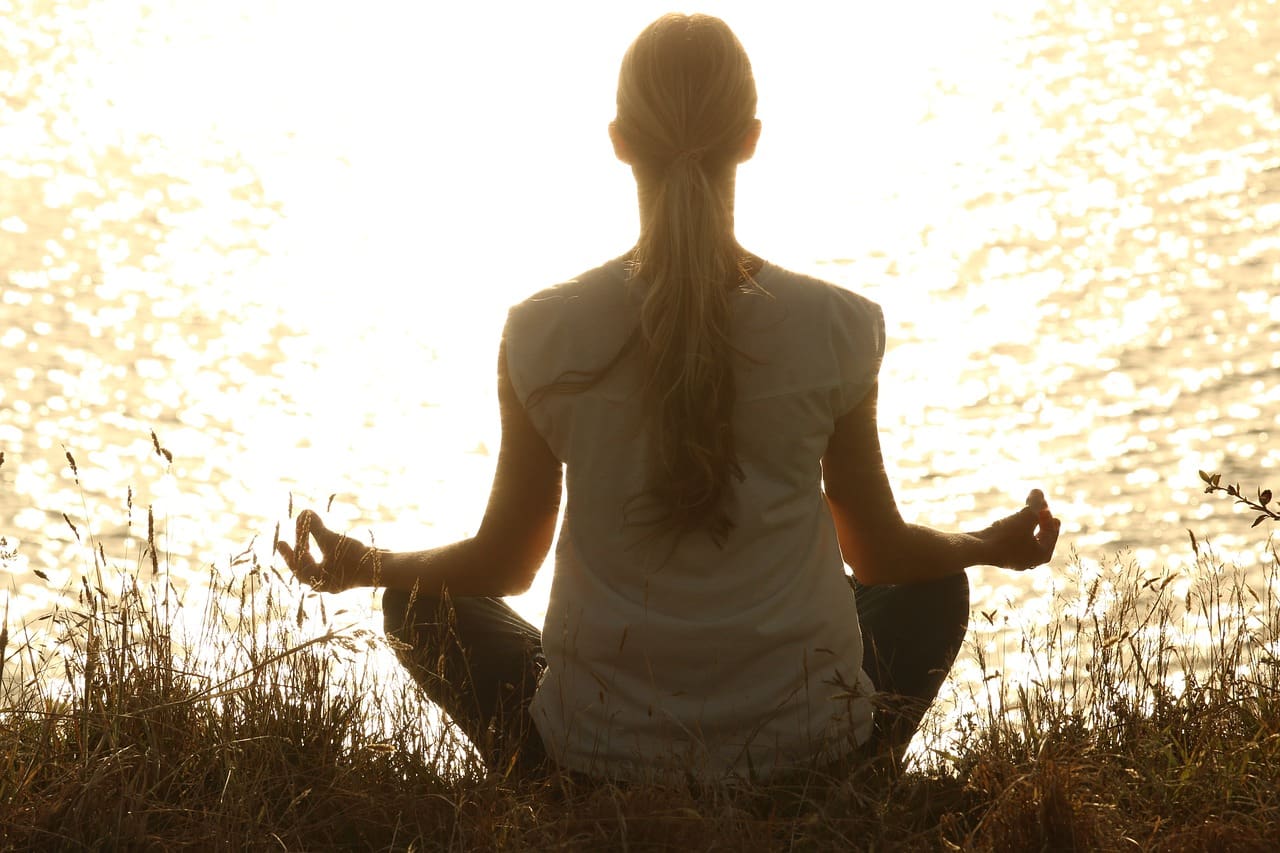
What is Meditation
Definition of meditation
Meditation is a practice that involves training the mind to achieve mental clarity, emotional well-being, and relaxation. It is a process of focusing and calming the mind, allowing you to become more present and aware of your thoughts, feelings, and sensations. Through meditation, you can cultivate a state of deep relaxation and inner peace, leading to improved overall well-being.
Brief history of meditation
Meditation has a long and rich history, dating back thousands of years. Its origins can be traced to ancient civilizations in India, China, and other parts of Asia. In these cultures, meditation was primarily practiced for spiritual and religious purposes, with the aim of transcending the limitations of the human mind and connecting with something greater. Over time, meditation spread to various parts of the world and evolved into different forms, incorporating techniques and principles from different cultures and traditions.
Types and styles of meditation
There are numerous types and styles of meditation, each with its own unique approach and focus. Some popular types of meditation include:
-
Focused breathing: This involves directing your attention to your breath, observing its natural rhythm, and letting go of distracting thoughts.
-
Body scan: In this technique, you systematically scan your body from head to toe, paying attention to each body part and releasing any tension or discomfort you may feel.
-
Mindfulness meditation: This practice involves non-judgmentally observing your thoughts and sensations as they arise and pass by, without getting attached to them or getting carried away by them.
-
Loving-kindness meditation: Here, you cultivate feelings of love, compassion, and kindness towards yourself and others, by repeating loving phrases or visualizing loving interactions.
-
Mantra meditation: This technique involves the repetition of a specific word, phrase, or sound (mantra), allowing your mind to concentrate and enter a state of calm and focus.
-
Visualization meditation: In this practice, you create mental images of peaceful and serene scenes or objects, harnessing the power of your imagination to promote relaxation and positive emotions.
Benefits of Meditation
Mental clarity
One of the key benefits of meditation is the enhancement of mental clarity. By regularly practicing meditation, you can train your mind to focus and stay present, improving your ability to concentrate and make decisions with clarity. Taking the time to quiet your mind and detach from the constant stream of thoughts allows you to see things from a fresh perspective, leading to increased mental clarity and a more balanced state of mind.
Stress reduction
Meditation is widely known for its ability to reduce stress and promote relaxation. By engaging in regular meditation practice, you can activate the body’s natural relaxation response, which helps to counteract the negative effects of stress on both the mind and body. Through meditation, you can learn to let go of unnecessary thoughts and worries, allowing you to experience a greater sense of calm and tranquility.
Increased self-awareness
Through the practice of meditation, you can develop a deep sense of self-awareness. By observing your thoughts, emotions, and physical sensations without judgment, you can gain valuable insights into your inner world and patterns of behavior. This increased self-awareness allows you to make conscious choices and respond to life’s challenges with greater clarity and self-compassion.
Improved concentration and focus
Meditation helps to sharpen your focus and concentration abilities. By training your mind to stay present and anchor your attention on a specific object of focus, such as the breath or a mantra, you can enhance your ability to concentrate on tasks and remain focused amidst distractions. This improved concentration can positively impact your productivity and effectiveness in various aspects of life.
Enhanced emotional well-being
Regular meditation practice can lead to enhanced emotional well-being by promoting a greater sense of emotional balance and resilience. Through meditation, you can cultivate a sense of equanimity, allowing you to navigate through the ups and downs of life with greater ease. Moreover, meditation helps to regulate emotions, reducing the frequency and intensity of negative emotions such as anxiety, anger, and sadness, while increasing positive emotions such as joy, compassion, and gratitude.
Preparing for Meditation
Finding a quiet and comfortable space
Creating a conducive environment is vital for a successful meditation practice. Find a quiet space in your home or outdoors where you can sit comfortably without distractions. It can be helpful to designate a specific area or room solely for meditation purposes, where you can create a sense of sacredness and tranquility.
Choosing the right time
Selecting the right time for meditation is essential to ensure peace and focus. Find a time of day when you are least likely to be interrupted and can fully commit to the practice. Many people find that early morning or late evening works best for them, but ultimately, choose a time that aligns with your schedule and energy levels.
Setting up a meditation posture
Maintaining a proper posture during meditation is crucial for physical comfort and mental focus. Find a posture that allows you to sit upright with a relaxed and alert state. You can choose to sit on a cushion, a meditation bench, or a straight-backed chair, ensuring that your back is supported, and your body is aligned. It’s important to find a position that is comfortable for you, as discomfort can distract from the meditative experience.
Creating a conducive environment
Creating a peaceful and supportive environment can significantly enhance your meditation practice. Consider using soft lighting, soothing music, or natural sounds to create an ambiance conducive to relaxation and focus. You may also choose to incorporate elements such as candles, incense, or sacred objects that hold personal significance for you. Experiment and find what helps you create a space that promotes a sense of calm and tranquility.
Basic Meditation Techniques
Focused breathing
Focused breathing is one of the simplest and most widely practiced meditation techniques. To begin, find a comfortable position and gently close your eyes. Direct your attention to the natural rhythm of your breath, noticing the sensation of the breath as it enters and leaves your body. Whenever your mind wanders, gently bring your focus back to the breath, allowing thoughts to dissolve and creating a sense of calm and focus.
Body scan
The body scan meditation technique involves systematically bringing awareness to different parts of your body. Start by focusing on your toes and gradually move your attention up to your head, observing any sensations, tension, or areas of discomfort. As you bring your attention to each body part, consciously relax and release any tension or tightness you may feel. The body scan meditation helps to promote relaxation, body awareness, and a deep sense of relaxation.
Mindfulness meditation
Mindfulness meditation involves cultivating a state of non-judgmental awareness of your thoughts, emotions, and sensations as they arise and pass by. Find a comfortable position and bring your attention to the present moment, noticing the sensations in your body, the sounds around you, or the thoughts that come and go. Instead of getting caught up in these experiences, simply observe them without attachment or judgment, allowing them to come and go.
Loving-kindness meditation
Loving-kindness meditation is a practice that involves cultivating feelings of love, compassion, and kindness towards yourself and others. Begin by visualizing someone you care deeply about or feel grateful for, and silently offer them phrases of loving-kindness. Gradually expand this circle to include yourself, loved ones, acquaintances, and even people you may find challenging. This practice helps to cultivate feelings of interconnectedness, compassion, and empathy.
Mantra meditation
Mantra meditation involves the repetition of a specific word, phrase, or sound to focus and quiet the mind. Choose a mantra that resonates with you, such as “Om,” “peace,” or “love,” and silently repeat it in sync with your breath or as a continuous chant. As you repeat the mantra, allow your mind to become still and centered, creating a sense of tranquility and inner peace.
Visualization meditation
Visualization meditation utilizes the power of your imagination to create a mental image or scene that promotes relaxation and well-being. Close your eyes and visualize a place or scenario that brings you a sense of peace, such as a beautiful beach or a serene forest. Engage your senses by imagining the sights, sounds, and smells of this place, allowing yourself to fully immerse in the experience and evoke feelings of calm and serenity.

Starting Your Meditation Practice
Setting realistic goals
When starting your meditation practice, it’s important to set realistic goals. Meditation is a skill that develops over time, so avoid placing too much pressure on yourself to achieve specific results or experiences. Instead, focus on cultivating a regular practice and allowing the benefits of meditation to unfold naturally.
Establishing a regular practice
Consistency is key when it comes to meditation. Establish a regular meditation routine that works for you, whether it’s daily or a few times a week. Make it a non-negotiable part of your day, similar to brushing your teeth or eating meals. By committing to a regular practice, you will build momentum and experience the transformative effects of meditation more profoundly.
Finding a meditation technique that suits you
Not all meditation techniques work for everyone. Explore different techniques and styles to find one that resonates with you and feels comfortable. You may find that certain practices align better with your personality, preferences, or current needs. Trust your intuition and experiment with different techniques until you find the one that brings you the most benefits and enjoyment.
Starting with short meditation sessions
If you’re new to meditation, it can be helpful to start with shorter sessions and gradually increase the duration over time. Begin with just a few minutes of meditation and gradually extend it to 10, 15, or 20 minutes as you become more comfortable. Consistency is more important than duration, so don’t worry if you can only devote a few minutes to meditation initially. The key is to establish the habit and make meditation a part of your daily routine.
Dealing with distractions and thoughts
Distractions and thoughts are a natural part of meditation. Instead of trying to forcefully push them away or suppress them, practice observing them with a sense of detachment and non-judgment. Acknowledge the distractions or thoughts and gently bring your focus back to your chosen meditation technique. With time, you will develop the ability to let go of distractions more easily and maintain a state of calm and focus.
Tips for a Successful Meditation Practice
Maintaining consistency
Consistency is essential for a successful meditation practice. Try to meditate at the same time every day, or at least on the same days each week. By making meditation a regular habit, you will strengthen your mind’s ability to enter a meditative state more effortlessly and experience the full benefits of the practice.
Experimenting with different techniques
Don’t be afraid to explore different meditation techniques and styles. Each technique offers unique benefits and resonates with different individuals. Experiment with various practices, such as breath-focused meditation, loving-kindness meditation, or visualization meditation, and observe how each affects your state of mind and overall well-being. This exploration will help you find the techniques that resonate most with you and bring you the greatest benefits.
Using guided meditation resources
Guided meditations can be extremely helpful, especially for beginners. These audio recordings or apps provide step-by-step instructions, guiding you through the meditation practice. They can help you stay focused and provide a sense of structure and support, making it easier to establish a regular meditation routine. Explore different guided meditation resources available online or through meditation apps and find the ones that resonate with you.
Keeping a meditation journal
Keeping a meditation journal can be a valuable tool for your practice. After each meditation session, take a few moments to reflect on your experience. Write down any insights, thoughts, or emotions that may have arisen during the practice. This reflection can help deepen your self-awareness and provide a record of your progress over time. Additionally, journaling can serve as a form of self-expression and a space for processing your thoughts and feelings.
Seeking guidance from experienced meditators
If you find yourself facing challenges or seeking guidance in your meditation practice, consider reaching out to experienced meditators or meditation teachers. They can offer guidance, answer your questions, and provide valuable insights based on their own experiences. Joining a meditation group or attending meditation retreats can also provide a supportive and inspiring community of like-minded individuals, enhancing your meditation journey.

Common Challenges in Meditation
Restlessness and impatience
Restlessness and impatience are common challenges that arise during meditation. It’s natural for the mind to resist stillness and seek distraction. If you find yourself feeling restless or impatient, bring your focus back to your breath or chosen point of focus, gently and without judgment. Remind yourself that restlessness is temporary, and as you continue to practice, it will gradually subside.
Difficulty in quieting the mind
Quieting the mind can be a challenge, especially for beginners. It’s normal for thoughts to arise during meditation. Instead of trying to forcefully stop them, practice observing them without attachment or judgment, allowing them to naturally fade away. Remember that the goal of meditation is not to have a completely empty mind but to develop a non-reactive and spacious awareness.
Physical discomfort and pain
Sitting for extended periods can sometimes lead to physical discomfort or pain, such as backaches or stiffness. To overcome this challenge, ensure that you have a comfortable meditation posture and consider using props, such as cushions or meditation benches, to support your body. Explore different sitting positions and adjust your posture as needed to find the most comfortable and sustainable position for you.
Frustration with lack of progress
It’s common to feel frustrated when progress in meditation seems slow or non-existent. Remember that meditation is a journey, and progress can be subtle and gradual. Instead of focusing on specific results or expectations, shift your attention to the present moment and the process of meditation itself. Cultivate a sense of curiosity and openness, allowing yourself to embrace each meditation session as an opportunity for growth and self-discovery.
How to Overcome Challenges
Acceptance and patience
Acceptance and patience are key when facing challenges in meditation. Instead of becoming frustrated or critical of yourself, practice accepting the present moment as it is, including any difficulties or obstacles that arise. Remember that meditation is a practice, and progress takes time. Cultivate patience and trust that with consistent effort, you will overcome challenges and experience the benefits of meditation.
Exploring alternate techniques
If you find yourself consistently struggling with a particular meditation technique, consider exploring alternate techniques that may better suit your needs or preferences. Different techniques offer varying approaches to quieting the mind and cultivating awareness. Be open to trying new methods and finding the ones that resonate most with you. Flexibility and experimentation are key to finding a meditation practice that truly works for you.
Adjusting posture and using props
If physical discomfort is hindering your meditation practice, consider adjusting your posture or using props to support your body. Experiment with different sitting positions, such as cross-legged, kneeling, or sitting on a chair, to find a posture that minimizes discomfort. Explore the use of cushions, blankets, or meditation benches to provide additional support. Remember that physical comfort is important for maintaining focus and relaxation during meditation.
Adopting a non-judgmental attitude
Instead of judging or criticizing yourself for experiencing challenges in meditation, adopt a non-judgmental attitude. Accept that challenges are a natural part of the meditation process and an opportunity for growth. Practice self-compassion and treat yourself with kindness and understanding. Embrace each challenge as a valuable learning experience and an invitation to deepen your practice.
Seeking support from a meditation group
If you feel overwhelmed or stuck in your meditation practice, seek support from a meditation group or community. Joining a meditation group or attending meditation retreats can provide guidance, encouragement, and a sense of shared experience. Being part of a supportive community can help you overcome challenges and deepen your understanding of meditation through shared insights and discussions.
Incorporating Meditation Into Daily Life
Finding moments of mindfulness throughout the day
One of the beautiful aspects of meditation is that it can be integrated into your daily life beyond formal sitting practice. Look for opportunities to bring mindfulness into everyday activities, such as washing dishes, walking, or eating. Practice being fully present and attentive to the sensations, thoughts, and emotions that arise in these moments. By cultivating mindfulness throughout the day, you can experience greater peace and clarity.
Using meditation for stress management
Stress is a common challenge in today’s fast-paced world. Meditation can be a powerful tool for managing stress and promoting relaxation. Whenever you feel overwhelmed or stressed, take a few moments to engage in a brief meditation. Find a quiet space, close your eyes, and focus on your breath or a calming mantra. This mini meditation can help reset your nervous system and provide a sense of calm and balance.
Bringing mindfulness to daily activities
Incorporate mindfulness into your daily activities, such as mindful eating, mindful walking, or mindful listening. Instead of being on autopilot, bring your full attention to each moment, savoring the flavors of your food, feeling the sensations of each step, or truly listening to someone without distraction. By practicing mindfulness in your everyday activities, you can cultivate a greater sense of presence and appreciation for each moment.
Using meditation to improve sleep quality
If you struggle with insomnia or have difficulty falling asleep, meditation can be a beneficial practice to improve sleep quality. Establish a bedtime routine that includes a short meditation session before sleep. Engaging in a relaxation technique, such as body scan or focused breathing, can help calm a busy mind and prepare your body for rest. By incorporating meditation into your bedtime routine, you can enhance relaxation and promote better sleep.
Resources for Further Learning
Recommended books on meditation
- “The Miracle of Mindfulness” by Thich Nhat Hanh
- “Wherever You Go, There You Are” by Jon Kabat-Zinn
- “The Power of Now” by Eckhart Tolle
- “Real Happiness: The Power of Meditation” by Sharon Salzberg
- “The Untethered Soul” by Michael A. Singer
Online meditation courses and apps
- Headspace
- Calm
- Insight Timer
- The Mindfulness App
- 10% Happier
Local meditation centers and retreats
Check your local area for meditation centers, yoga studios, or wellness centers that offer meditation classes or retreats. Many communities have resources for both beginners and experienced practitioners, providing an opportunity to connect with like-minded individuals and deepen your meditation practice.
Meditation podcasts and videos
- “The Daily Meditation Podcast” by Mary Meckley
- “10% Happier with Dan Harris”
- “Tara Brach – Talks, Meditation, and more”
- “The Meditation Podcast”
- “Sam Harris – Waking Up”
As you embark on your meditation journey, remember that it is a personal practice that evolves over time. Be gentle with yourself, embrace the challenges as opportunities for growth, and develop a regular practice that suits your needs and preferences. With dedication and practice, you can experience the profound benefits of meditation, including mental clarity, stress reduction, increased self-awareness, improved concentration, and enhanced emotional well-being.