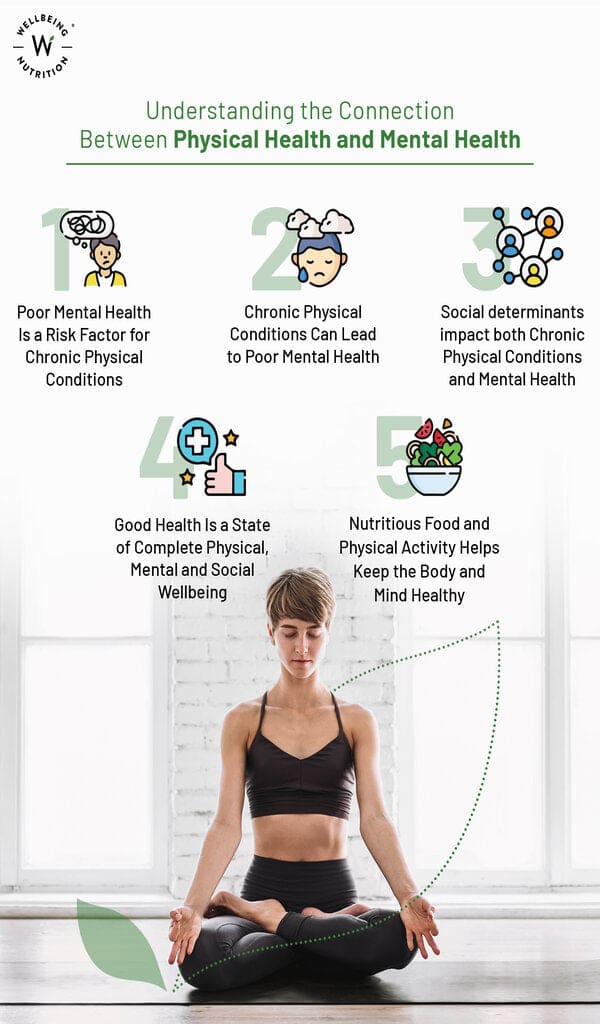
Welcome to an article that explores the powerful connection between physical activity and emotional well-being. Engaging in regular exercise not only benefits your physical health, but it also plays a significant role in improving your mood and overall mental well-being. By understanding this relationship, you can make more informed choices about incorporating physical activity into your daily routine to support your emotional health. So let’s dive into how staying active can positively impact your emotional well-being. Have you ever wondered why some people seem to be happier and more emotionally stable than others? The answer may lie in the relationship between physical activity and emotional well-being. In this article, we will explore the link between the two and how staying physically active can impact your overall mental health and happiness.
The Science Behind Physical Activity and Emotional Well-being
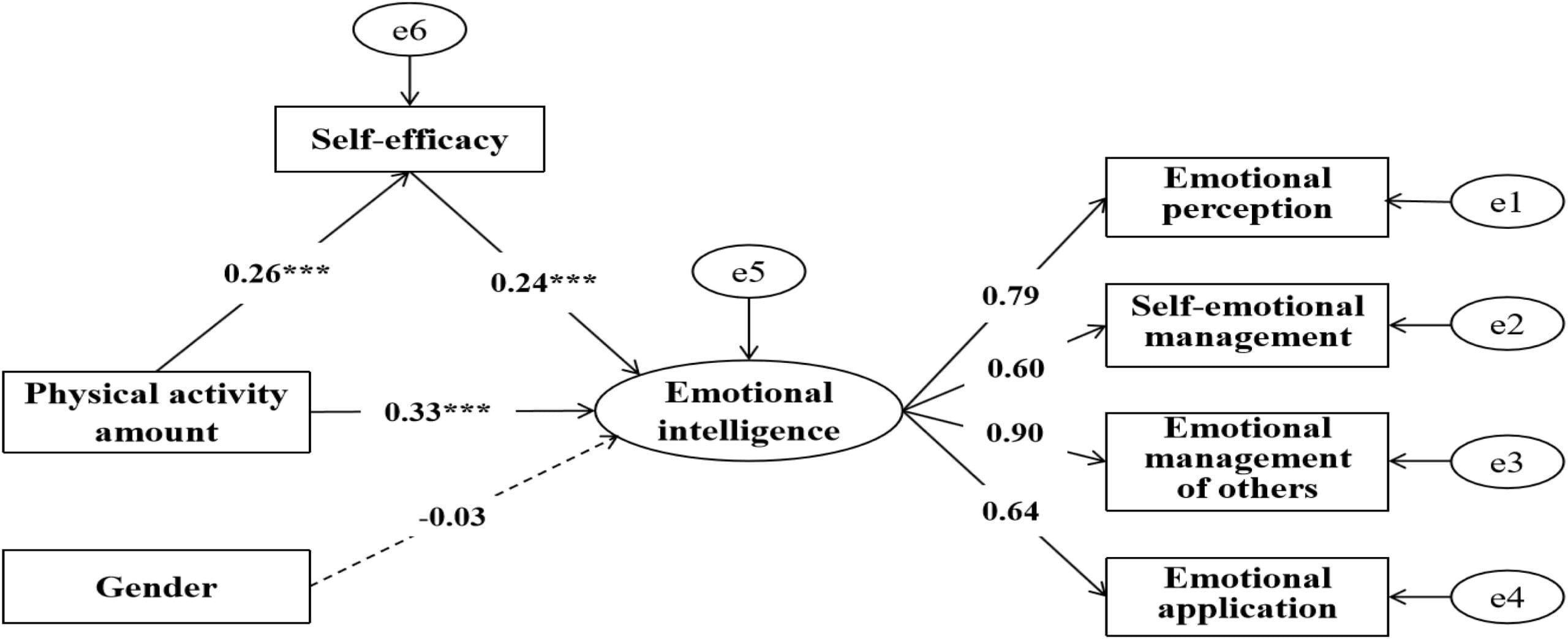
Physical activity is not just about getting in shape or improving physical health – it also has a profound impact on your emotional well-being. When you engage in physical activity, your body releases endorphins, which are chemicals that act as natural painkillers and mood elevators. These endorphins interact with the receptors in your brain that reduce your perception of pain and trigger positive feelings in the body.
How Endorphins Impact Your Mood
Endorphins are often referred to as the “feel-good” chemicals because of their ability to produce feelings of euphoria and happiness. When you engage in physical activity, such as running, dancing, or lifting weights, your body releases endorphins that can help reduce feelings of anxiety, stress, and depression. This is why physical activity is often recommended as a natural way to improve your mood and overall emotional well-being.
The Role of Neurotransmitters in Emotional Well-being
In addition to endorphins, physical activity also plays a role in the release of other neurotransmitters in the brain, such as dopamine and serotonin. Dopamine is a neurotransmitter that is responsible for regulating mood, motivation, and pleasure. When you engage in physical activity, your body releases dopamine, which can help improve your mood and increase feelings of happiness and satisfaction.
Serotonin is another neurotransmitter that plays a crucial role in regulating mood, sleep, and appetite. Physical activity has been shown to increase serotonin levels in the brain, which can help reduce symptoms of depression and anxiety. By engaging in regular physical activity, you can help boost your serotonin levels and improve your overall emotional well-being.
The Benefits of Physical Activity on Emotional Well-being
Now that we understand the science behind the link between physical activity and emotional well-being, let’s explore some of the specific benefits that staying active can have on your mental health and happiness.
Stress Reduction
One of the most well-known benefits of physical activity is its ability to reduce stress levels. When you engage in physical activity, your body releases endorphins that help combat the effects of stress and anxiety. This can help you feel more relaxed and at ease, even after a challenging day. Whether you prefer yoga, running, or swimming, finding a form of physical activity that you enjoy can be a great way to manage stress and improve your emotional well-being.
Improved Mood
Regular physical activity has been shown to improve mood and reduce symptoms of depression. When you exercise, your body releases endorphins and neurotransmitters that can help elevate your mood and increase feelings of happiness. This can be especially beneficial for those struggling with depression or other mood disorders. By incorporating physical activity into your routine, you can help improve your mood and overall emotional well-being.
Increased Self-esteem
Physical activity can also have a positive impact on your self-esteem. When you engage in regular exercise and see improvements in your physical fitness and health, it can boost your confidence and self-image. This can help you feel more empowered and capable in other areas of your life, leading to increased self-esteem and a more positive outlook on yourself and your abilities.
Better Sleep
Physical activity has been shown to help improve sleep quality and reduce symptoms of insomnia. When you exercise, your body temperature rises, and then drops back down once you finish your workout. This drop in body temperature can help signal to your body that it’s time to rest and can promote better sleep. Additionally, the release of endorphins and neurotransmitters during physical activity can help relax your mind and body, making it easier to fall asleep and stay asleep throughout the night.
How to Incorporate Physical Activity Into Your Routine
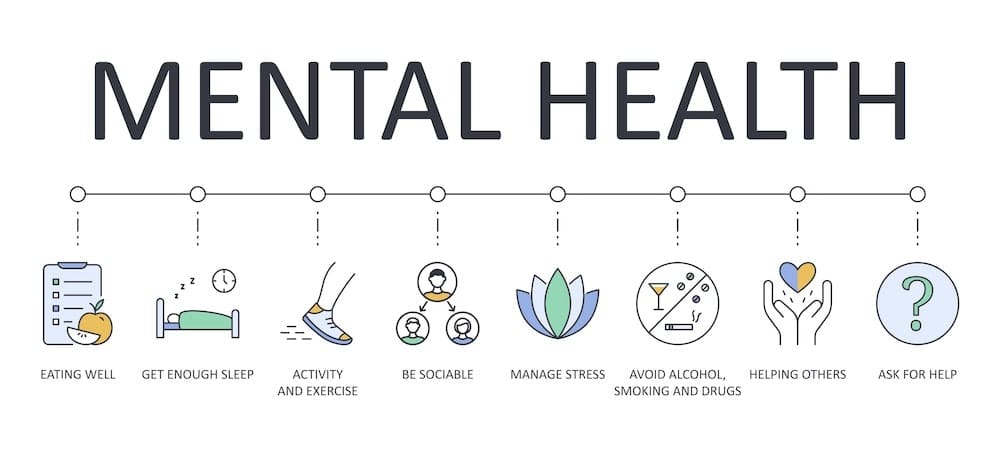
Now that we’ve explored the many benefits of physical activity on emotional well-being, you may be wondering how to incorporate more movement into your daily routine. Here are some tips and ideas to help you get started:
Find an Activity You Enjoy
The key to sticking with a regular exercise routine is finding an activity that you enjoy. Whether it’s dancing, hiking, swimming, or playing a sport, choose something that brings you joy and makes you feel good. This will make it easier to stay motivated and committed to staying active.
Set Realistic Goals
When starting a new exercise routine, it’s essential to set realistic goals for yourself. Start small and gradually increase the intensity and duration of your workouts over time. This will help prevent burnout and injury, and ensure that you are making progress towards your fitness and emotional well-being goals.
Make Exercise a Priority
Incorporating physical activity into your daily routine may require some planning and prioritization. Schedule time for exercise in your calendar, just like you would for any other appointment or commitment. This will help ensure that you make time for physical activity and make it a priority in your life.
Be Consistent
Consistency is key when it comes to seeing the benefits of physical activity on emotional well-being. Aim to exercise on a regular basis, whether it’s daily, every other day, or a few times a week. By staying consistent with your workouts, you can maximize the positive effects on your mood, stress levels, and overall mental health.
Conclusion
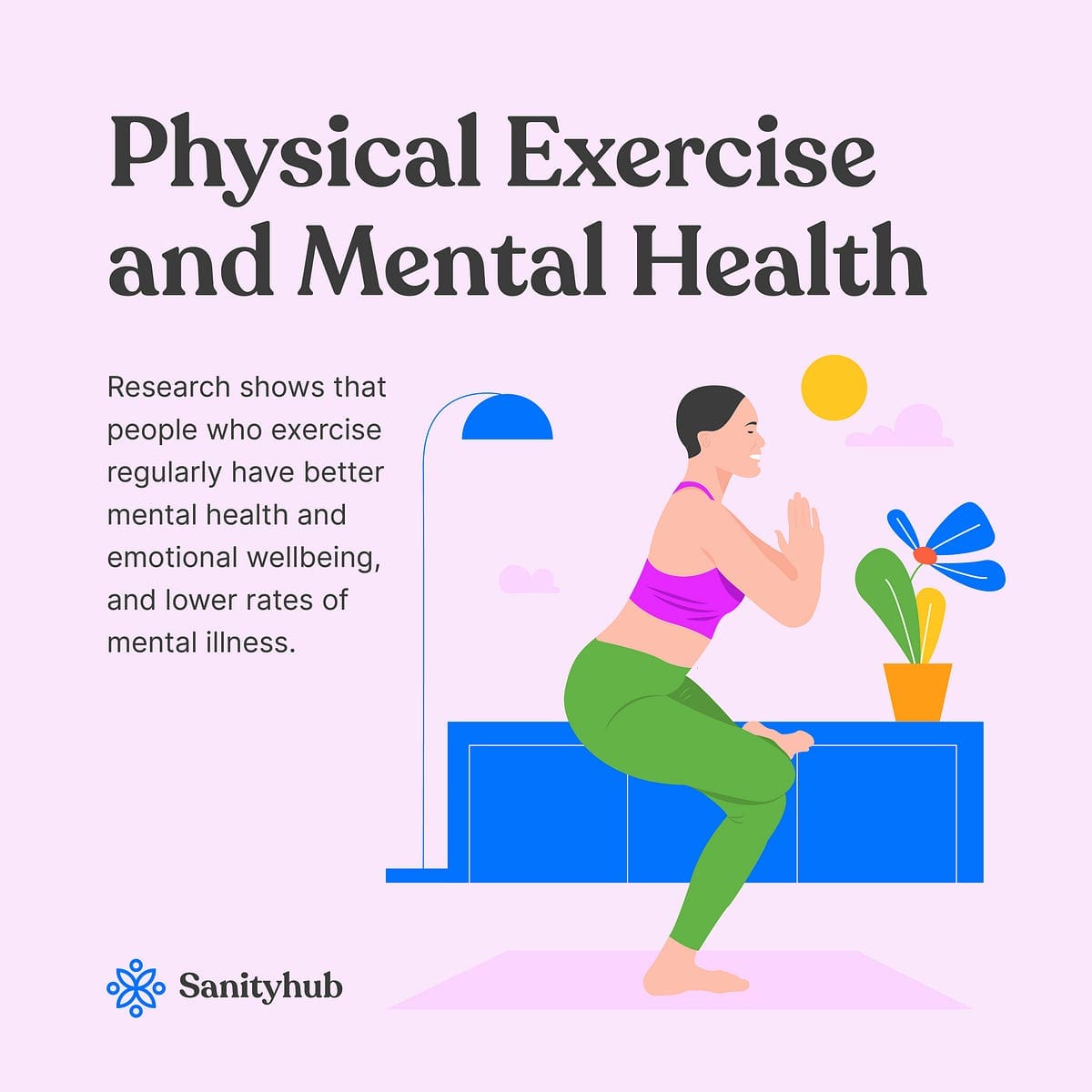
In conclusion, the link between physical activity and emotional well-being is a powerful and essential one. By staying active and engaging in regular exercise, you can experience a wide range of benefits for your mental health and happiness. From reducing stress and improving mood to increasing self-esteem and promoting better sleep, physical activity has the potential to transform your emotional well-being and enhance the quality of your life.
So, whether you’re hitting the gym, going for a run, or taking a dance class, remember that every step, jump, or stretch you take is not only benefiting your physical health but also nourishing your emotional well-being. Prioritize movement in your daily routine and watch as your mood and happiness levels soar.