
Welcome to an informative article that will shed light on the importance of getting regular mammograms. By taking charge of your breast health through this simple screening, you can detect any abnormalities early on and increase the chances of successful treatment. Don’t wait until it’s too late – learn why regular mammograms are crucial for maintaining your overall well-being. Have you ever wondered why regular mammograms are recommended for women of a certain age? In this article, you’ll learn about the importance of regular mammograms and how they can help in early detection of breast cancer. Let’s dive in!

What is a Mammogram?
A mammogram is a type of x-ray specifically designed to examine the breast tissue for any abnormalities. It is a crucial tool in the early detection of breast cancer, as it can detect tumors that are too small to be felt by hand.
Mammograms can be uncomfortable for some women, but the discomfort is usually brief and well worth it for the potential life-saving information they can provide. It is recommended that women over the age of 40 should get a mammogram every 1-2 years, depending on their risk factors.
How Do Mammograms Help in Early Detection?
Mammograms are essential in the early detection of breast cancer because they can detect tumors when they are still small and localized. This means that treatment can be started earlier, and the chances of successful outcomes are much higher.
Regular mammograms can also help detect changes in breast tissue over time, allowing healthcare providers to monitor any abnormalities and take action if necessary. Early detection is key in the fight against breast cancer, as it increases the likelihood of successful treatment and recovery.

Who Should Get Mammograms?
As mentioned earlier, it is recommended that women over the age of 40 should get a mammogram every 1-2 years. However, women with a family history of breast cancer or other risk factors may need to start screening earlier or have more frequent mammograms.
It’s essential to talk to your healthcare provider about your risk factors and determine the best screening schedule for you. Remember, early detection saves lives, so don’t delay getting your mammogram.
What to Expect During a Mammogram
During a mammogram, a technologist will place your breast between two plates on the mammography machine and compress it to get a clear image of the breast tissue. The compression may be uncomfortable but is necessary to get a good quality image.
The entire process usually takes about 20 minutes, and you will receive your results within a few weeks. It’s normal to feel anxious about the results, but remember that early detection is key, and mammograms are an essential part of taking care of your health.

Common Myths and Misconceptions About Mammograms
There are many myths and misconceptions surrounding mammograms that can deter women from getting screened regularly. One common myth is that mammograms are too painful to undergo, but in reality, the discomfort is brief and worth it for the potentially life-saving information they can provide.
Another myth is that mammograms are not necessary if you don’t have a family history of breast cancer. However, the majority of women diagnosed with breast cancer have no family history, which is why regular screenings are essential for everyone.
Benefits of Regular Mammograms
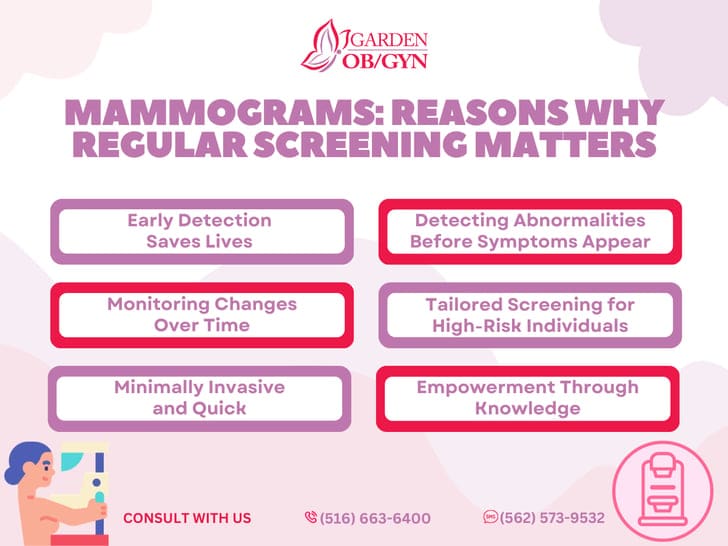
The benefits of regular mammograms far outweigh any discomfort or inconvenience they may cause. By getting screened regularly, you increase the chances of detecting breast cancer at an early stage when it is more treatable and the likelihood of successful outcomes is higher.
Mammograms can also detect non-cancerous abnormalities in the breast tissue, helping to monitor changes over time and take action if necessary. Regular screenings give you peace of mind and empower you to take charge of your health.
How to Prepare for a Mammogram
Before your mammogram appointment, there are a few things you can do to prepare and make the process smoother. Wear a two-piece outfit so that you only need to remove your top for the screening, and avoid using deodorant, perfume, or lotion on your chest area.
It’s also essential to inform the technologist if you have breast implants, as special considerations may be needed. Most importantly, try to relax and remember that getting a mammogram is a proactive step in taking care of your health.
Understanding Mammogram Results
After your mammogram, you will receive your results within a few weeks. It’s common to feel anxious while waiting for the results, but remember that the majority of mammograms come back normal. In some cases, you may be called back for further testing if there is an abnormality detected.
If you receive abnormal results, don’t panic. It does not necessarily mean that you have breast cancer, but further testing will be needed to determine the cause of the abnormality. Your healthcare provider will guide you through the next steps and answer any questions you may have.

Resources for Mammograms
If you’re unsure where to go for a mammogram or need assistance with the cost of screening, there are resources available to help. Many healthcare facilities offer mammogram screenings, and some may offer financial assistance programs for those who are uninsured or underinsured.
Additionally, organizations like the American Cancer Society and Susan G. Komen offer resources and information on breast cancer screenings, including mammograms. Don’t let financial concerns prevent you from getting screened – reach out for help and prioritize your health.
Conclusion
Regular mammograms are a vital tool in the early detection of breast cancer, and every woman should make them a priority. By understanding the importance of regular screenings, you can take control of your health and increase the chances of successful outcomes in case breast cancer is detected.
Don’t let myths or misconceptions deter you from getting screened – the benefits of regular mammograms far outweigh any discomfort or inconvenience they may cause. Remember, early detection saves lives, so schedule your mammogram today and encourage your loved ones to do the same. Your health is worth it!