
Welcome to an insightful article all about understanding the power of rebounding for holistic fitness! Rebounding, the act of jumping on a mini trampoline, has been gaining popularity for its numerous health benefits. From improving cardiovascular health to boosting lymphatic drainage, rebounding offers a fun and effective way to enhance your overall well-being. In this article, we will explore the science behind rebounding and provide tips on how to incorporate this low-impact workout into your fitness routine. Get ready to bounce your way to a healthier and happier you!
Have you ever wondered about the benefits of rebounding for your overall fitness?
You may have heard about rebounding as a great way to improve your fitness level, but do you know just how powerful this form of exercise can be for your holistic health? In this article, we will dive deep into the world of rebounding to uncover all its amazing benefits for your physical, mental, and emotional well-being. Get ready to bounce your way to a healthier you!
What is Rebounding?
Rebounding is a low-impact exercise that involves jumping on a mini trampoline known as a rebounder. This form of exercise is not only fun but also extremely effective in improving your cardiovascular health, muscle strength, and balance. Rebounding allows you to work out every muscle in your body without putting too much stress on your joints, making it suitable for people of all fitness levels.
The Physical Benefits of Rebounding
When you bounce on a mini trampoline, your entire body is engaged in the movement, leading to a wide range of physical benefits. From improved cardiovascular health and increased lymphatic flow to stronger bones and increased flexibility, rebounding offers a full-body workout like no other.

Rebounding for Cardiovascular Health
Bouncing on a mini trampoline is an excellent way to get your heart pumping and increase your cardiovascular fitness. The repetitive up-and-down motion of rebounding helps to improve your heart rate and strengthen your heart muscles. Regular rebounding sessions can lead to better circulation, lower blood pressure, and improved overall cardiovascular health.
Building Muscle Strength with Rebounding
In addition to improving cardiovascular health, rebounding also helps to strengthen your muscles. The act of jumping and landing on the mini trampoline engages all the major muscle groups in your body, including your legs, core, arms, and back. Over time, regular rebounding sessions can lead to increased muscle tone, improved muscle endurance, and enhanced overall strength.

Improving Balance and Coordination through Rebounding
The constant shifting of your body’s weight while bouncing on a mini trampoline helps to improve your balance and coordination. As you jump, your body constantly adjusts to keep you stable, which can enhance your proprioception and spatial awareness. Improved balance and coordination can benefit you not only during rebounding sessions but also in your everyday life, reducing the risk of falls and injuries.
The Mental and Emotional Benefits of Rebounding
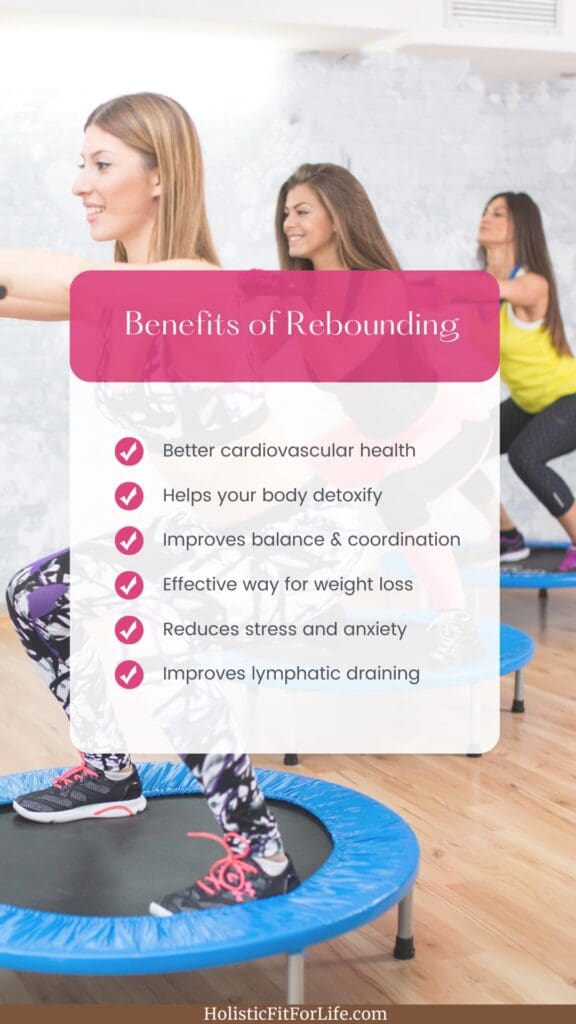
In addition to the physical benefits, rebounding also offers a myriad of mental and emotional benefits that can help you achieve holistic wellness. From stress relief and improved mood to increased focus and mental clarity, rebounding can do wonders for your mental and emotional well-being.
Stress Relief and Improved Mood
Bouncing on a mini trampoline is a great way to release stress and boost your mood. The rhythmic motion of rebounding can help to calm your mind and release tension in your body, leading to a sense of relaxation and well-being. Rebounding also triggers the release of endorphins, which are feel-good hormones that can elevate your mood and reduce feelings of anxiety and depression.
Increasing Focus and Mental Clarity
The repetitive nature of bouncing on a mini trampoline can help to improve your focus and mental clarity. By engaging in a rhythmic and controlled movement, you can train your mind to focus on the present moment and tune out distractions. This increased focus and mental clarity can translate into improved productivity and better decision-making in your daily life.
Rebounding for Holistic Wellness
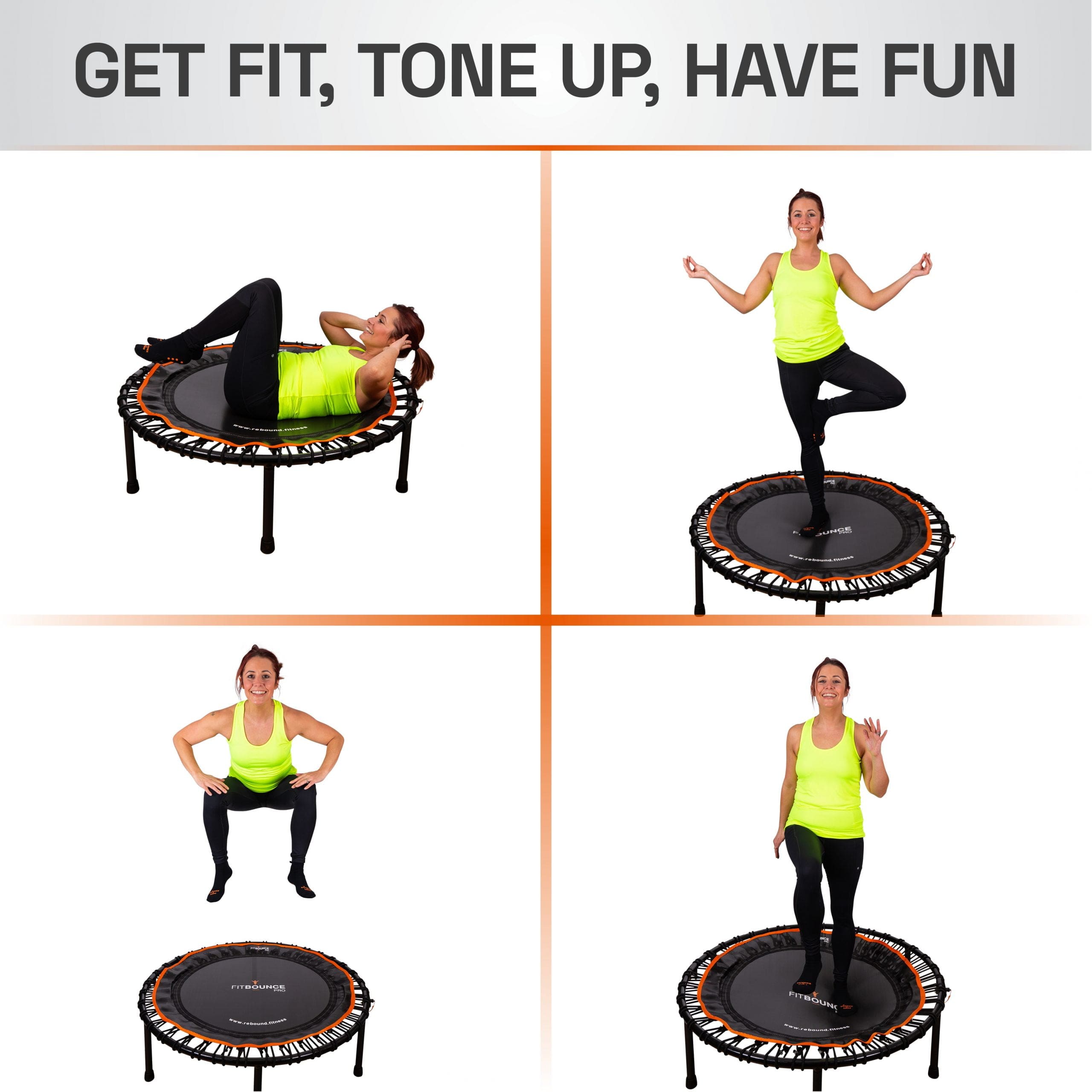
When it comes to achieving holistic wellness, incorporating rebounding into your fitness routine can be a game-changer. By combining the physical, mental, and emotional benefits of rebounding, you can create a well-rounded approach to your health and well-being that addresses all aspects of your being.
Creating a Holistic Fitness Routine with Rebounding
To harness the power of rebounding for holistic wellness, consider incorporating it into your fitness routine on a regular basis. Whether you prefer to bounce in the morning to start your day off on the right foot or unwind with a rebounding session in the evening, find a schedule that works best for you. Remember to listen to your body and adjust the intensity of your rebounding workouts to suit your fitness level and goals.
Combining Rebounding with Other Forms of Exercise
While rebounding can be a standalone form of exercise, you can also combine it with other types of physical activity to create a well-rounded fitness routine. Consider incorporating strength training, yoga, or Pilates into your routine to further enhance your physical fitness and overall well-being. By diversifying your workouts, you can target different muscle groups, prevent boredom, and maximize the benefits of your exercise regimen.
Conclusion
In conclusion, rebounding is a powerful form of exercise that offers a wide range of benefits for your holistic fitness. From improving cardiovascular health and building muscle strength to reducing stress and boosting mood, rebounding can help you achieve total wellness for your mind, body, and spirit. So, grab a mini trampoline and start bouncing your way to a healthier, happier you today!