In this article, you will explore the significant impact that relationships have on our mental health and overall well-being. Discover how nurturing connections with others contributes to our happiness and helps us cope with the challenges we face in life. By delving into the intricate dynamics of relationships, you will gain a deeper understanding of how they shape our emotional and psychological state. Join us on this journey as we unravel the essential role that relationships play in fostering a positive mental outlook and a fulfilling life.
The Importance of Relationships
The impact of relationships on mental health
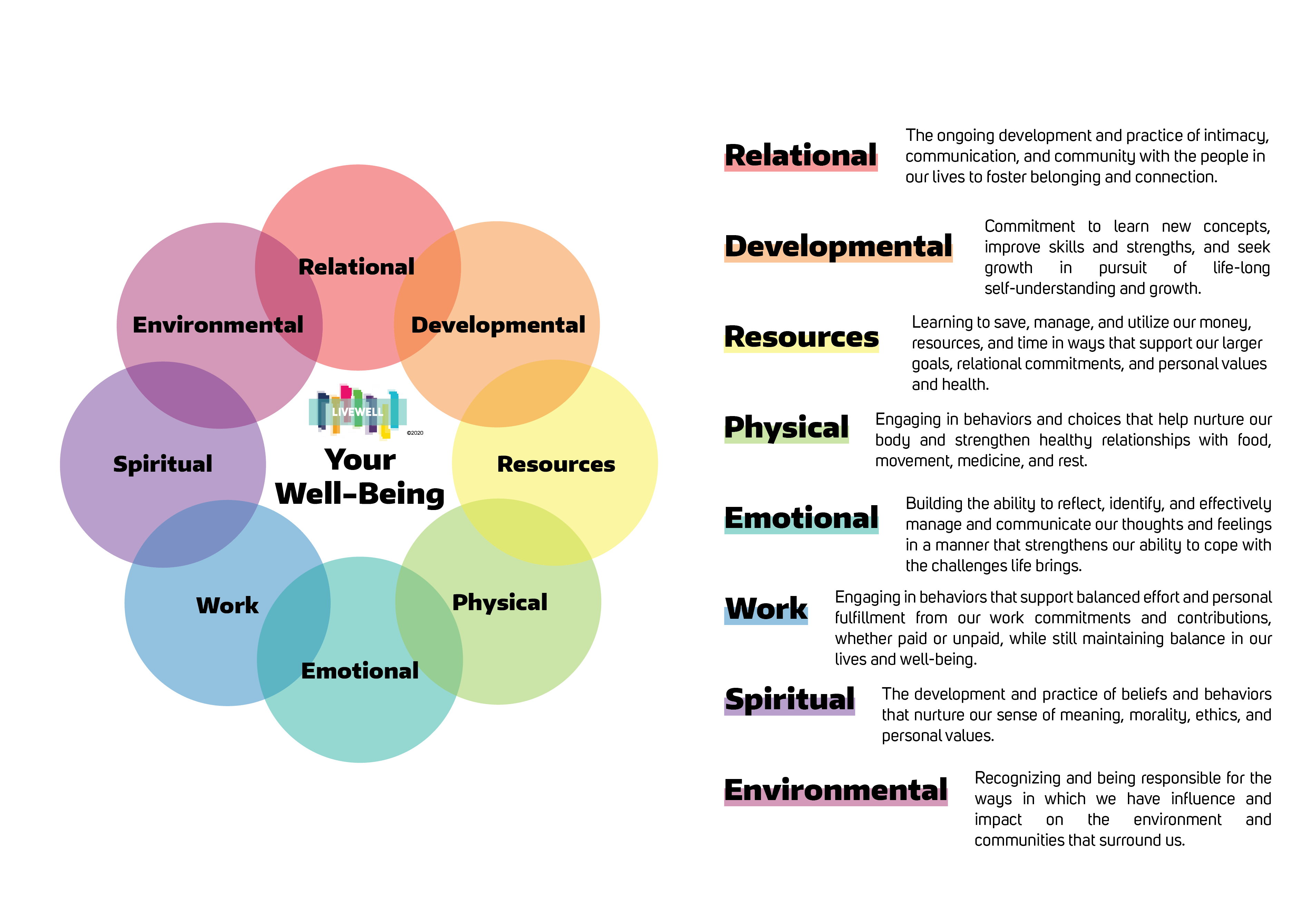
Relationships play a crucial role in our mental health and overall well-being. Whether they are intimate relationships, friendships, family connections, or work relationships, the quality of our interactions with others greatly influences our emotional and psychological well-being.
Positive relationships can provide a sense of belonging, support, and validation, which are essential for maintaining optimal mental health. These connections help reduce feelings of loneliness, isolation, and depression, while promoting feelings of happiness, stability, and self-worth.
Conversely, negative or strained relationships can have detrimental effects on our mental health. Constant conflict, lack of support, and emotional abuse can lead to increased stress, anxiety, and even trauma. Therefore, it is crucial to evaluate the health and dynamics of our relationships and make necessary changes to protect our mental well-being.
Types of relationships
There are various types of relationships that contribute to our mental health. Intimate relationships, such as romantic partnerships, have a profound impact on our overall well-being. These relationships provide emotional connection, intimacy, and a sense of security. They can boost self-esteem, reduce stress levels, and promote overall life satisfaction.
Besides intimate relationships, friendships also play a significant role in our mental health. Friends provide social support, companionship, and a sense of belonging. They offer a safe space for sharing experiences, emotions, and personal growth. Supportive friendships can enhance resilience, provide comfort during difficult times, and increase feelings of self-worth.
Family relationships are another vital aspect of our mental health. The bond and connection we have with our family members significantly affect our emotional well-being. Positive family relationships can provide emotional support, stability, and a sense of identity. They can foster feelings of love, security, and acceptance, promoting mental well-being.
Work relationships, although often overlooked, can also impact our mental health. Positive work relationships enhance job satisfaction, reduce stress, and increase productivity. Maintaining healthy connections with colleagues and managers fosters a supportive work environment that promotes mental well-being.
Community relationships are also significant for our mental health. Participating in community activities, volunteering, and connecting with others within our community can foster a sense of belonging, social support, and purpose. These connections can alleviate feelings of isolation, enhance self-esteem, and promote overall mental well-being.
Quality vs quantity of relationships
When it comes to relationships, quality is more important than quantity. Having a few close, supportive relationships that positively impact our mental health is more beneficial than having many superficial or toxic relationships.
Quality relationships are characterized by trust, open communication, mutual respect, and emotional support. These connections provide a safe and secure space for sharing vulnerabilities, seeking advice, and offering comfort. They foster a sense of belonging and validation, which promotes mental well-being and overall life satisfaction.
On the other hand, quantity alone does not guarantee positive mental health outcomes. Having numerous acquaintances or superficial connections may not provide the emotional support and sense of belonging that we need. It is essential to prioritize fostering and maintaining strong, healthy relationships that positively impact our mental well-being.
Social Support and Mental Health
The role of social support in mental well-being
Social support plays a vital role in maintaining good mental health. Having a strong network of interpersonal connections provides emotional support, validation, and a sense of belonging. Social support acts as a protective factor against mental health issues and can help individuals cope with different stressors.
Being able to share our experiences, thoughts, and emotions with others who understand and empathize with us helps alleviate feelings of loneliness, sadness, and anxiety. Social support promotes resilience, enhances self-esteem, and provides a sense of security.
Having a reliable support system also contributes to better coping mechanisms and increased problem-solving skills. Knowing that we have people we can rely on during difficult times improves our overall mental well-being and ability to navigate challenges in life.
Effects of social isolation on mental health
On the other hand, social isolation and lack of social support can have detrimental effects on our mental health. Feelings of loneliness and being disconnected from others can lead to increased stress, anxiety, and even depression. The absence of social connections can exacerbate feelings of low self-worth, hopelessness, and emotional distress.
Social isolation has been linked to various mental health problems, including increased risk of developing psychological disorders such as depression and anxiety. It can also impact our physical health, with studies suggesting that social isolation can lead to increased mortality rates and a higher prevalence of chronic illnesses.
Benefits of social support networks
Building and maintaining social support networks have numerous benefits for our mental health and well-being. Having a strong support system provides a sense of belonging, reassurance, and emotional validation. These connections can offer different perspectives, advice, and encouragement during challenging times.
Social support networks help individuals to manage stress, cope with adversity, and reduce the negative impact of life events. They contribute to increased self-esteem, overall life satisfaction, and a greater sense of happiness. Having people in our lives who care, support, and understand us enhances our mental well-being and promotes a positive outlook on life.

The Connection between Relationships and Self-esteem
How relationships influence self-esteem
Relationships have a profound influence on our self-esteem. Positive and healthy relationships contribute to feelings of worthiness, acceptance, and validation. When we are surrounded by people who appreciate and value us, our self-esteem is boosted, and we develop a positive self-image.
On the contrary, negative or unhealthy relationships can erode our self-esteem. Constant criticism, emotional manipulation, and lack of support can lead to feelings of inadequacy, self-doubt, and low self-worth. Toxic relationships can damage our confidence and impact our ability to thrive in other areas of life.
The role of validation and acceptance
Validation and acceptance in relationships are essential for promoting positive self-esteem. When we are validated and accepted by others, we feel valued, understood, and significant. We develop a sense of confidence and self-assurance, which positively impacts our mental health.
In healthy relationships, validation and acceptance are demonstrated through active listening, empathy, and understanding. When our thoughts, feelings, and experiences are acknowledged and respected, we feel seen and validated. This leads to improved self-esteem and overall mental well-being.
Building healthy relationships for positive self-esteem
Building healthy relationships is crucial for maintaining positive self-esteem. It is essential to surround ourselves with individuals who uplift, support, and encourage us. Choosing to engage in relationships that are mutually beneficial and respectful helps foster a sense of self-worth and security.
To build healthy relationships that boost self-esteem, it is important to communicate honestly and openly, set boundaries, and prioritize emotional well-being. Honoring our own needs and respecting the needs of others creates a balanced dynamic that enhances self-esteem and overall mental health.
Engaging in activities and hobbies that promote personal growth, encourage positive self-talk, and foster self-compassion can also contribute to building a strong foundation of self-esteem. Embracing self-care practices and seeking personal growth opportunities further enhances our mental well-being and strengthens our relationships.
Intimate Relationships and Mental Health
The impact of romantic relationships on mental well-being
Intimate relationships, or romantic partnerships, have a significant impact on our mental well-being. These relationships provide emotional support, companionship, and a sense of belonging. They play a crucial role in our overall happiness and life satisfaction.
In healthy romantic relationships, individuals experience increased levels of happiness, reduced stress, and improved physical health. A stable and supportive partnership offers emotional security, making it easier to cope with the challenges that life brings.
Conversely, unhealthy relationships can be detrimental to our mental well-being. Emotional abuse, manipulation, and constant conflict can lead to increased stress, anxiety, and depression. Toxic relationships erode our sense of self-worth, impact our ability to trust, and create emotional distress.
Factors affecting the quality of intimate relationships
Several factors can influence the quality of intimate relationships and subsequently impact mental health. Effective communication, trust, and mutual respect are crucial for building and maintaining healthy relationships. A lack of these factors can lead to misunderstandings, conflicts, and deteriorating mental well-being.
The ability to handle and resolve conflicts in a healthy manner also contributes to the overall quality of intimate relationships. Constructive problem-solving skills, empathy, and compromise help build stronger bonds and foster emotional intimacy.
Individual well-being, including mental health, also significantly affects the quality of intimate relationships. Taking care of one’s mental well-being, seeking therapy when needed, and practicing self-care can contribute to healthier and more fulfilling partnerships.
Addressing relationship challenges for improved mental health
Addressing challenges within intimate relationships is essential for maintaining good mental health. It is important to develop effective communication skills, which involve active listening, expressing thoughts and emotions, and being open to feedback. Seeking couples therapy or relationship counseling can also provide valuable guidance and support in navigating relationship challenges.
Additionally, recognizing and addressing toxic dynamics such as emotional abuse, manipulation, or patterns of control is crucial for mental well-being. Creating boundaries, seeking professional help, and prioritizing self-care are vital steps towards ending harmful relationship patterns and fostering improved mental health.
Family Relationships and Mental Health
The significance of family relationships in mental well-being
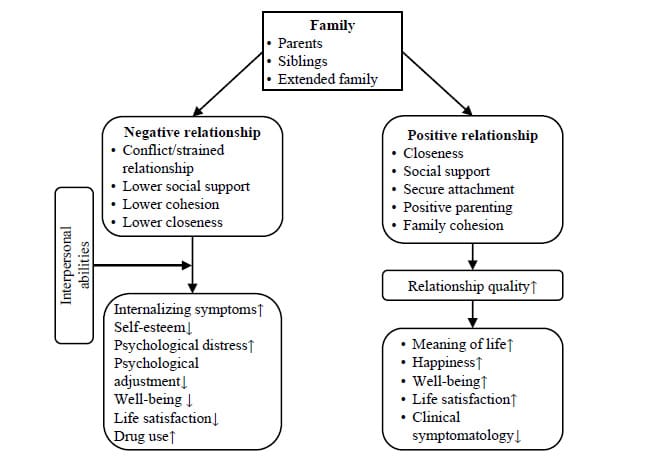
Family relationships significantly impact our mental well-being. The bond and connection we have with our family members play a crucial role in our emotional development and overall happiness. Positive family relationships provide stability, emotional support, and a sense of belonging.
Close and healthy family connections contribute to increased self-esteem, resilience, and overall life satisfaction. These relationships offer a safe space for nurturing and personal growth and provide a foundation of support during times of adversity.
In contrast, strained or dysfunctional family relationships can have negative effects on our mental health. Constant conflict, lack of support, or emotional neglect can lead to increased stress levels, anxiety, and even trauma. Unhealthy family dynamics can impact one’s sense of self-worth, interpersonal relationships, and overall well-being.
Family dynamics and mental health outcomes
Family dynamics, or the patterns of communication, interactions, and relationships within a family, greatly influence mental health outcomes. Positive family dynamics are characterized by open communication, emotional support, and mutual respect. These dynamics promote individual well-being and contribute to a positive family environment.
On the other hand, negative family dynamics, such as excessive criticism, control, or neglect, can have detrimental effects on mental health. Unhealthy communication patterns, unresolved conflicts, and inability to meet emotional needs affect the overall family climate and individual mental well-being.
The impact of family dynamics on mental health is especially significant during childhood and adolescence. The quality of parental relationships, the level of emotional support provided, and the presence of secure attachment greatly shape an individual’s mental health and ability to form healthy relationships later in life.
Nurturing healthy family relationships
Nurturing healthy family relationships is crucial for promoting mental well-being. This involves fostering open communication, practicing active listening, and expressing emotions in a supportive and respectful manner. Creating a safe environment where each family member feels valued and understood aids in maintaining positive family dynamics.
Setting boundaries, addressing conflicts constructively, and seeking professional help when needed are essential steps in fostering healthy family relationships. Engaging in quality family time, shared activities, and maintaining regular communication further strengthens family connections and promotes overall mental well-being.
Friendships and Mental Health
The role of friendships in mental well-being
Friendships play a significant role in our mental well-being. Strong and supportive friendships provide companionship, emotional validation, and a sense of belonging. Friends act as a valuable support system, helping us navigate life’s challenges and enhancing our overall happiness.
Close friendships contribute to increased self-esteem, reduced stress levels, and improved overall life satisfaction. Having friends who genuinely care about our well-being and understand our experiences promotes mental well-being and provides a sense of social connection.
Conversely, a lack of supportive friendships or toxic friendships can negatively impact mental health. Social isolation, feelings of loneliness, and the absence of meaningful connections can lead to increased vulnerability to mental health issues such as depression and anxiety.
Characteristics of supportive friendships
Supportive friendships are characterized by mutual trust, respect, and emotional support. These friendships create a safe space for sharing vulnerabilities, seeking advice, and receiving empathy and validation. Supportive friends are present during both good times and bad, providing comfort and companionship.
Healthy friendships offer reciprocity, where both individuals give and receive support equally. They involve active listening, offering guidance, and celebrating each other’s successes. These relationships promote personal growth, self-acceptance, and a positive outlook on life.
Cultivating and maintaining meaningful friendships
To cultivate and maintain meaningful friendships, it is important to invest time and effort into building these connections. Taking the initiative to reach out, actively listening, and showing genuine interest in the lives of others fosters strong and lasting friendships.
Shared activities, hobbies, or interests can create opportunities for bonding and deepening friendships. Engaging in meaningful conversations, providing emotional support, and practicing non-judgmental acceptance contribute to the overall health of friendships and mental well-being.
Regularly checking in with friends, being available during their times of need, and celebrating milestones together fosters a sense of connection and mutual support. Prioritizing quality over quantity when it comes to friendships ensures that these relationships positively impact our mental health and overall well-being.
Work Relationships and Mental Health
The influence of work relationships on mental well-being
Work relationships significantly impact our mental well-being. Spending a significant amount of time with colleagues and superiors can either enhance or detract from our overall mental health. Positive work relationships contribute to job satisfaction, reduced stress levels, and improved mental well-being.
Having supportive work relationships enhances our sense of belonging, validation, and social connection. Colleagues who offer professional support, encouragement, and mentorship can contribute to increased job engagement and overall job satisfaction. These connections provide emotional support during challenging work situations and promote a sense of camaraderie and teamwork.
Impact of toxic work relationships on mental health
Conversely, toxic work relationships can have detrimental effects on mental health. Being subjected to harassment, bullying, or a hostile work environment can lead to increased stress, anxiety, and even depression. Constant negative interactions and lack of support erode job satisfaction and contribute to burnout.
Toxic work relationships can compromise emotional well-being, impact performance, and create feelings of isolation and inadequacy. It is essential to address and manage these challenges to protect our mental health and maintain a positive work environment.
Creating a positive work environment for better mental health
Creating a positive work environment for better mental health involves fostering healthy work relationships and a supportive workplace culture. Building positive connections with colleagues and superiors through effective communication, respect, and collaboration enhances job satisfaction and mental well-being.
Employers and organizations play a significant role in promoting a positive work environment. Encouraging teamwork, providing opportunities for professional development, and implementing policies against harassment and discrimination contribute to employee well-being.
Workplace wellness programs, mental health support, and resources for managing work-related stress further enhance mental well-being. Prioritizing employee mental health and fostering a culture of respect and support creates a positive work environment that positively impacts the overall mental health of employees.
Community Connections and Mental Health
The importance of community relationships for mental well-being
Community relationships are crucial for maintaining good mental well-being. Connecting with others within our community fosters a sense of belonging, meaning, and social connection. These connections contribute to increased happiness, reduced stress levels, and overall life satisfaction.
Being involved in community activities promotes social support, helps combat feelings of loneliness, and provides opportunities for personal growth. Engaging with others who share similar interests and values establishes a sense of commonality and unity. This sense of belonging enhances our mental well-being and reinforces our social identity.
Involvement in community activities and mental health
Involvement in community activities has numerous benefits for mental health. Participating in volunteer work, community events, or support groups provides a sense of purpose, fulfillment, and social connection. These activities reduce feelings of isolation, promote self-worth, and foster personal growth.
Community involvement also offers opportunities for expanding social networks, meeting new people, and developing supportive relationships. The shared experiences and support received in these settings enhance mental well-being and promote a sense of belonging.
Building a sense of belonging and social connection
Building a sense of belonging and social connection within our community involves actively seeking out opportunities for engagement. This can include participating in local organizations, joining clubs or interest groups, or attending community events and gatherings.
Volunteering and community service provide a meaningful way to connect with others while making a positive impact. Engaging in activities that align with personal interests and values fosters genuine connections and enhances mental well-being.
It is important to prioritize building relationships within the community, as these connections contribute to increased social support, overall life satisfaction, and a greater sense of belonging. Cultivating a positive community environment promotes mental well-being not only for individuals but for the community as a whole.
Maintaining Healthy Relationships
Effective communication in relationships
Effective communication is crucial for maintaining healthy relationships. Open and honest communication promotes understanding, trust, and emotional connection. It involves actively listening, expressing thoughts and emotions clearly, and validating the experiences of others.
Practicing active communication skills such as using “I” statements, avoiding blame, and focusing on the issue at hand rather than personal attacks promotes respectful and productive conversations. Clear and compassionate communication helps prevent misunderstandings, resolve conflicts, and strengthen relationships.
Conflict resolution and problem-solving skills
Conflict is inevitable in any relationship, but how we handle conflicts greatly impacts the health of the relationship. Developing conflict resolution and problem-solving skills is essential for maintaining healthy relationships and protecting mental well-being.
Effective conflict resolution involves actively listening to different perspectives, finding common ground, and seeking mutually beneficial solutions. It requires empathy, compromise, and the ability to communicate assertively without aggression or defensiveness. Developing problem-solving skills helps navigate challenges and promotes a sense of collaboration and cooperation within relationships.
Nurturing trust and respect in relationships
Trust and respect are foundational to healthy relationships. Nurturing trust involves being reliable, keeping promises, and demonstrating consistency in actions and words. Trust grows over time through open communication and vulnerability.
Respect is essential for maintaining healthy boundaries and promoting emotional well-being. Respecting the opinions, needs, and autonomy of others fosters a sense of safety and emotional security within relationships.
Nurturing trust and respect involves active efforts to understand and appreciate the experiences and perspectives of others. It requires empathetic listening, validating emotions, and demonstrating kindness and consideration. Cultivating trust and respect fosters strong and healthy relationships that positively impact mental well-being.
Seeking Support for Relationship Challenges
When to seek professional help for relationship difficulties
Seeking professional help for relationship difficulties is crucial when attempts to resolve conflicts or improve the relationship have been unsuccessful. If the relationship consistently impacts mental well-being, increases stress levels, or hinders personal growth, it may be beneficial to seek the guidance of a therapist or couples counselor.
Other indicators that professional help may be necessary include patterns of emotional abuse, manipulation, or ongoing conflict that cannot be resolved through open communication. If individuals in the relationship are experiencing mental health issues such as anxiety or depression due to relationship challenges, seeking professional support is essential.
Types of therapy options for relationship issues
There are various therapy options available for individuals experiencing relationship issues. Couples therapy or relationship counseling provides a safe space for both partners to address challenges, improve communication, and rebuild trust.
Individual therapy can also be beneficial for individuals navigating relationship difficulties. It provides an opportunity to explore personal experiences, fears, and traumas that may be impacting the relationship. By working on individual well-being, individuals can better understand their role within the relationship and develop healthy coping strategies.
Family therapy or group therapy can be helpful for addressing family relationship challenges. These therapeutic approaches provide a supportive environment for exploring underlying issues, improving communication, and working towards healthy family dynamics.
Improving individual well-being through relationship support
Seeking support for relationship challenges not only improves the health of the relationship but also contributes to individual well-being. Therapy provides an opportunity for self-reflection, personal growth, and learning healthy coping mechanisms.
By addressing relationship challenges, individuals can gain insight into their own emotions, behaviors, and needs. They can develop a greater understanding of what they bring to the relationship and work towards personal development goals.
By prioritizing individual well-being and seeking support for relationship difficulties, individuals can promote their own mental health and create healthier and more fulfilling connections with others. Ultimately, investing in and nourishing relationships contributes to overall happiness and optimal mental well-being.