
Welcome to an article dedicated to helping you improve your cardiovascular health! In this piece, you’ll discover simple and effective ways to take care of your heart and overall well-being. By making small changes in your lifestyle and habits, you can boost your heart health and reduce your risk of heart disease. Let’s dive into the various ways you can enhance your cardiovascular health and live a happier, healthier life.
Ways To Improve Your Cardiovascular Health
Have you ever wondered how you can improve your cardiovascular health and keep your heart strong and healthy? There are many simple and effective ways you can help your heart stay in top shape. In this article, we’ll explore some easy and practical tips to improve your cardiovascular health and reduce your risk of heart disease.
Importance of Cardiovascular Health
Taking care of your heart is crucial for your overall health and well-being. Your cardiovascular system, which includes your heart and blood vessels, plays a vital role in transporting oxygen and nutrients throughout your body. By improving your cardiovascular health, you can lower your risk of developing heart disease, stroke, and other serious conditions.
Why is Cardiovascular Health Important?
Your heart is the hardest working muscle in your body, pumping blood around 2,000 gallons per day! Taking care of your cardiovascular health is essential for maintaining proper blood flow, lowering blood pressure, and reducing your risk of heart disease and stroke.
Regular Exercise
One of the best ways to improve your cardiovascular health is through regular exercise. Physical activity helps strengthen your heart, increase blood circulation, and improve overall cardiovascular function. Aim for at least 150 minutes of moderate-intensity exercise per week to reap the benefits of a healthy heart.
Benefits of Exercise for Your Heart
Exercise not only strengthens your heart muscle but also helps lower cholesterol levels, improve blood flow, and reduce inflammation in the arteries. Regular physical activity can also help you maintain a healthy weight and lower your risk of developing cardiovascular diseases.

Types of Cardiovascular Exercise
When it comes to improving your heart health, there are various types of cardiovascular exercises you can incorporate into your routine. From aerobic workouts to strength training, mixing up your exercises can help target different muscle groups and keep your heart strong.
Aerobic Exercise
Aerobic exercise, also known as cardio, involves activities that raise your heart rate and improve your cardiovascular endurance. Examples of aerobic exercises include running, cycling, swimming, and dancing. These activities help strengthen your heart and lungs, increase oxygen flow, and improve overall cardiovascular health.
Strength Training
Incorporating strength training into your workout routine can also benefit your cardiovascular health. Lifting weights or using resistance bands helps build muscle, improve bone density, and increase metabolism. Strong muscles provide support to your heart and reduce the strain on your cardiovascular system.
Diet and Nutrition
Eating a heart-healthy diet is another essential aspect of improving your cardiovascular health. Consuming nutrient-rich foods, such as fruits, vegetables, whole grains, and lean proteins, can help lower cholesterol levels, reduce inflammation, and improve heart function.
Heart-Healthy Foods
Including a variety of heart-healthy foods in your diet can provide the necessary nutrients to support your cardiovascular system. Foods rich in omega-3 fatty acids, such as salmon, walnuts, and flaxseeds, can help reduce inflammation and lower your risk of heart disease. Fruits and vegetables, high in antioxidants and fiber, can also support heart health and reduce the risk of cardiovascular complications.

Stress Management
Chronic stress can have a negative impact on your cardiovascular health, leading to high blood pressure, increased heart rate, and inflammation in the arteries. Finding healthy ways to manage stress, such as meditation, yoga, deep breathing exercises, or spending time in nature, can help improve your heart health and overall well-being.
Importance of Stress Management
Stress can elevate cortisol levels in the body, which can lead to increased blood pressure and heart rate. By practicing stress-reducing techniques, you can lower your risk of developing heart disease and improve your cardiovascular health.
Sleep Quality
Getting an adequate amount of quality sleep is essential for maintaining good cardiovascular health. Lack of sleep can disrupt your body’s natural rhythm, increase stress, and negatively impact your heart function. Aim for 7-9 hours of quality sleep each night to support your heart health.
Importance of Sleep for Heart Health
During sleep, your body repairs and rejuvenates itself, including your cardiovascular system. Poor sleep quality can lead to high blood pressure, insulin resistance, and weight gain, all of which can increase your risk of heart disease. Prioritize getting enough rest to keep your heart healthy and functioning optimally.
Smoking Cessation
If you smoke, quitting is one of the best things you can do for your heart health. Smoking damages the lining of your arteries, increases blood pressure, and raises the risk of heart disease and stroke. By quitting smoking, you can dramatically reduce your risk of cardiovascular complications.
Benefits of Quitting Smoking
When you quit smoking, your heart rate and blood pressure decrease, and your circulation improves. Over time, your risk of heart disease, stroke, and other cardiovascular conditions decreases, leading to better overall cardiovascular health. Seek support from friends, family, or healthcare professionals to help you quit smoking and improve your heart health.
Regular Health Check-ups
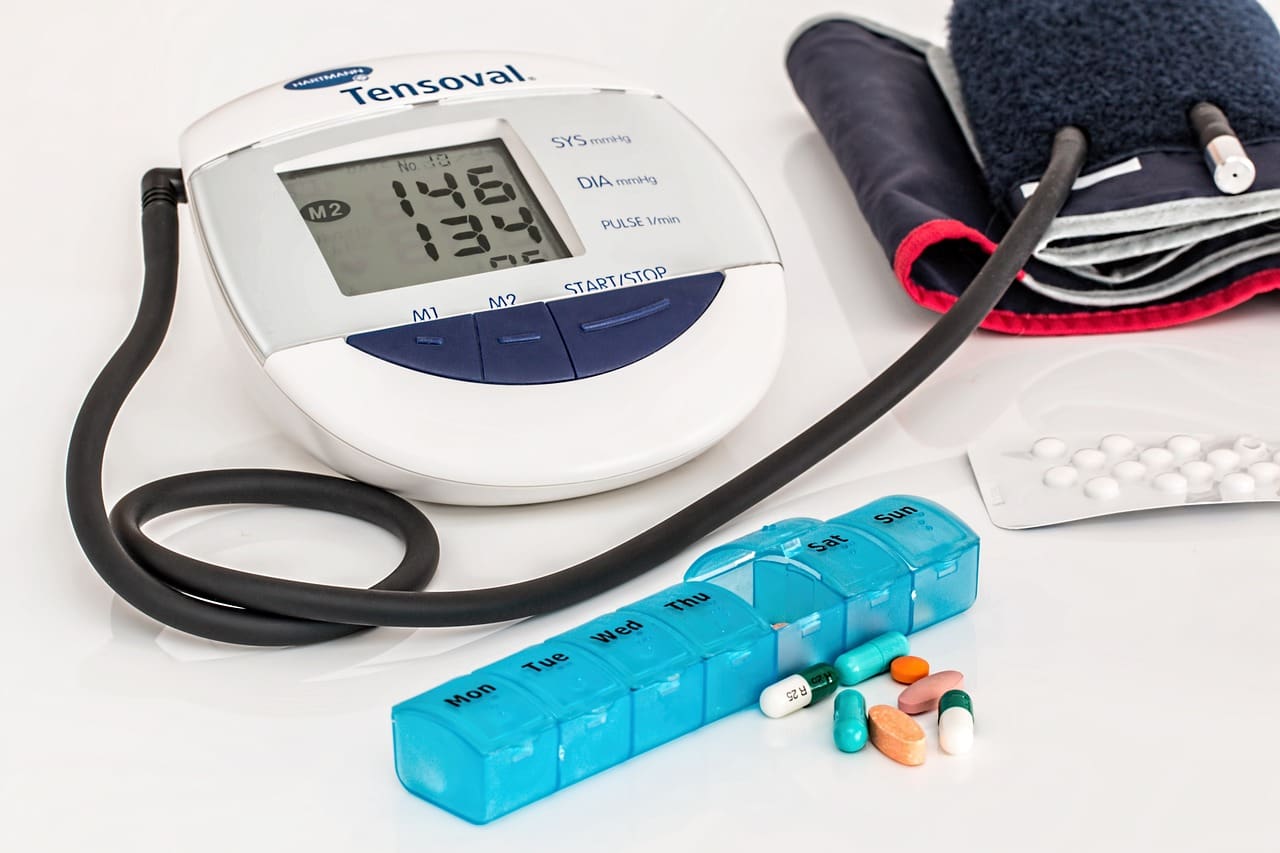
Regular visits to your healthcare provider are essential for monitoring your cardiovascular health and catching any potential issues early on. Routine check-ups, blood pressure screenings, and cholesterol tests can help assess your heart health and determine if any lifestyle changes are necessary.
Importance of Regular Check-ups
Regular health check-ups can help identify risk factors for heart disease, such as high blood pressure, high cholesterol, or diabetes, before they lead to serious complications. By monitoring your heart health regularly, you can take proactive steps to improve your cardiovascular health and reduce your risk of heart disease.
Conclusion
Improving your cardiovascular health is essential for maintaining a strong and healthy heart. By incorporating regular exercise, a heart-healthy diet, stress management techniques, quality sleep, and quitting smoking into your lifestyle, you can significantly reduce your risk of heart disease and stroke. Prioritize your heart health by taking proactive steps to care for your cardiovascular system and enjoy the benefits of a strong and resilient heart for years to come.