
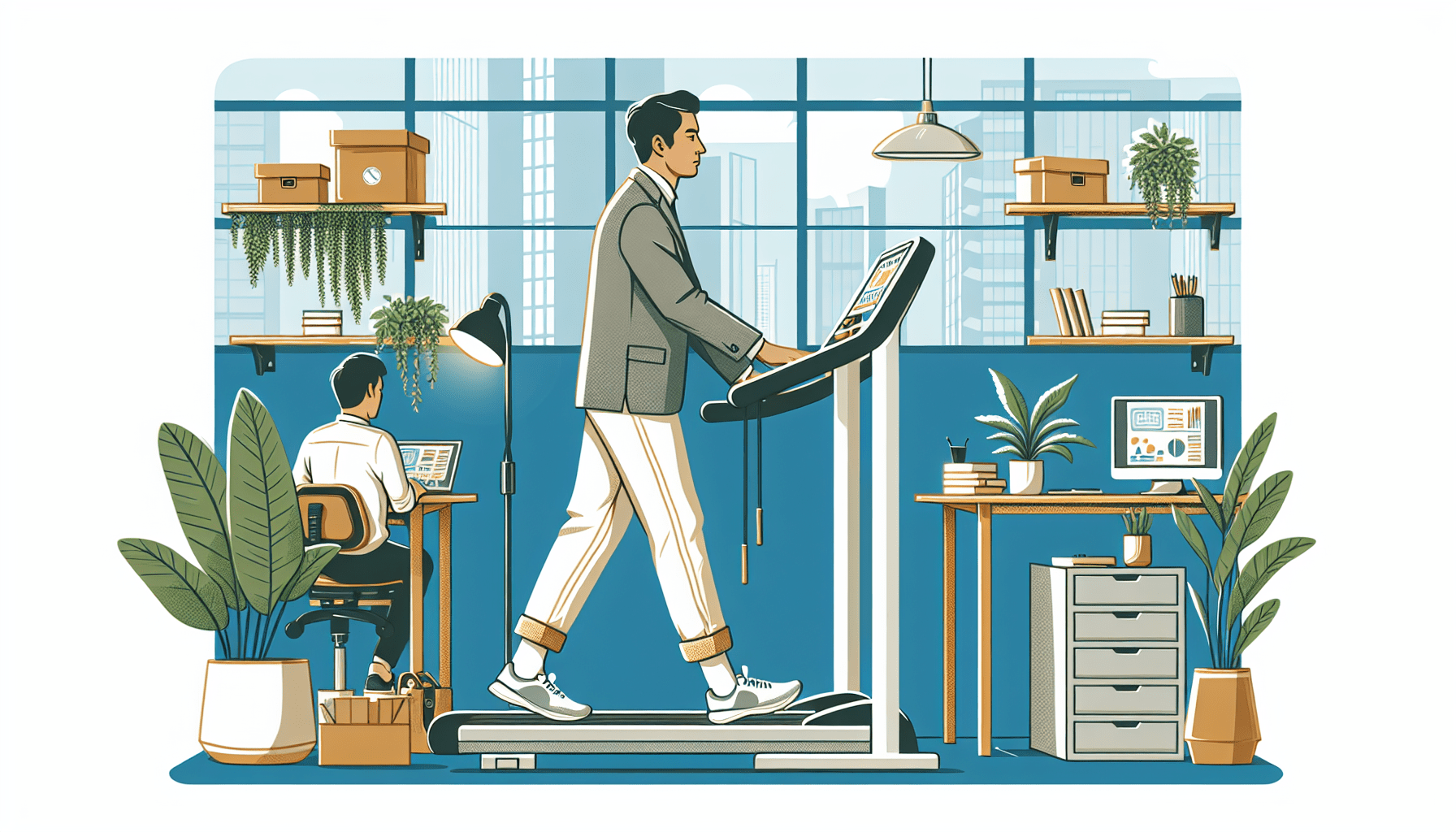
Are you searching for simple yet effective ways to improve your mental well-being? Look no further! This article explores various ways to seamlessly incorporate exercise into your daily routine, giving you the boost you need to enhance your mental health. From engaging in physical activities you enjoy to incorporating movement during your work breaks, these uncomplicated strategies will help you prioritize both your physical and mental well-being. Say hello to a healthier and happier mind!
1. Choose an Exercise That You Enjoy
When it comes to incorporating exercise into your mental health routine, the first step is to find a physical activity that you genuinely enjoy. Exercise doesn’t have to be a chore; it can be a fun and enjoyable way to take care of your mental well-being. Everyone is different, so it’s important to experiment with different types of exercises to find what suits you best. Consider activities like walking, jogging, dancing, yoga, or swimming. Finding an exercise that you truly enjoy will make it easier to stay motivated and consistent.
2. Schedule Regular Exercise Sessions
To make exercise a consistent part of your mental health routine, it’s important to set aside specific times in your weekly schedule for it. Treat exercise as a priority and commit to it just like you would with any other important aspect of your life. By scheduling regular exercise sessions, you are more likely to stick to a consistent exercise routine. Whether it’s waking up an hour earlier, utilizing your lunch break, or dedicating time in the evenings, finding a time that works for you and sticking to it will help ensure that exercise becomes a regular part of your life.
3. Use Exercise as a Stress Relief
Exercise can be an incredible tool for stress relief. When you’re feeling stressed or overwhelmed, engaging in physical activity can help reduce cortisol levels (the stress hormone) and release endorphins, which are known as the “feel-good” hormones. Choose activities that allow you to focus on the present moment and forget about your worries. Whether it’s going for a run, dancing to your favorite music, or practicing yoga, finding an exercise that helps you relax and de-stress is an effective way to incorporate it into your mental health routine.
4. Find an Exercise Buddy
Exercising with a friend or joining a group class can make your exercise routine even more enjoyable. Having a workout buddy provides motivation and accountability. When you have someone to exercise with, you can challenge and push each other to reach your goals. Moreover, engaging in social exercise can also help alleviate feelings of loneliness or isolation. It’s a great opportunity to bond with a friend or meet new people who share similar interests. So, consider finding an exercise buddy who can join you on your journey towards better mental health.
5. Incorporate Exercise into Daily Activities
Exercise doesn’t have to be limited to structured workouts; you can find ways to be active throughout the day. Small changes can add up to significant physical activity over time. Try taking the stairs instead of the elevator, walking or biking to work, or doing household chores that require physical effort, such as gardening or cleaning. By incorporating exercise into your daily activities, you can increase your overall physical activity level and support your mental well-being without having to carve out dedicated workout time. It’s all about finding opportunities to move your body whenever possible.
6. Set Realistic Goals
When starting or maintaining an exercise routine for your mental health, it’s important to set realistic goals. Begin with small, achievable goals and gradually increase the intensity or duration of your workouts. Setting realistic goals helps you stay motivated and avoid feelings of frustration or disappointment. It’s better to start with a conservative goal and succeed rather than setting an unrealistic goal and feeling discouraged when you can’t meet it. Tracking your progress can also be a great way to stay motivated and celebrate your accomplishments along the way.
7. Try Mind-Body Exercises
Incorporating mind-body exercises into your mental health routine can be highly beneficial. Activities like yoga, Pilates, or tai chi combine physical movement with mental focus and relaxation techniques. These exercises not only help improve your physical well-being but also enhance your mental well-being. Mind-body exercises can help reduce stress, increase mindfulness, and promote inner balance. They offer a holistic approach to exercise, nurturing both your body and mind, and can be a wonderful addition to your mental health routine.
8. Get Outside and Connect with Nature
Nature has a profound impact on our mental well-being, so taking advantage of outdoor activities can be an excellent way to incorporate exercise into your mental health routine. Spending time in nature has been shown to reduce stress, improve mood, and increase overall well-being. Engaging in exercises like hiking, biking, or nature walks allows you to not only move your body but also connect with the natural world around you. The refreshing change of scenery can help clear your mind, uplift your spirits, and add an extra element of joy to your exercise routine.
9. Use Technology to Your Advantage
With advancements in technology, there are numerous tools available to help you incorporate exercise into your mental health routine. Fitness apps and wearable devices can track your exercise progress, provide workout routines, and offer guidance on proper form and technique. These tools can serve as a source of motivation and help you stay on track with your fitness goals. Additionally, you can set reminders or alarms on your phone to ensure you make time for exercise in your daily routine. Connecting with online fitness communities can also provide support, encouragement, and motivation on your journey towards better mental health.
10. Listen to Your Body and Rest When Needed
Listening to your body is crucial when incorporating exercise into your mental health routine. Pay attention to your body’s signals and rest when you need it. Overexertion can lead to burnout or injury, which can have a negative impact on your mental well-being. Allow yourself time to recover and recharge, both physically and mentally. It’s essential to find the right balance between challenging yourself and providing yourself with the rest you require. Remember, exercise should be a tool for self-care, not a source of additional stress, so always prioritize your overall well-being.