
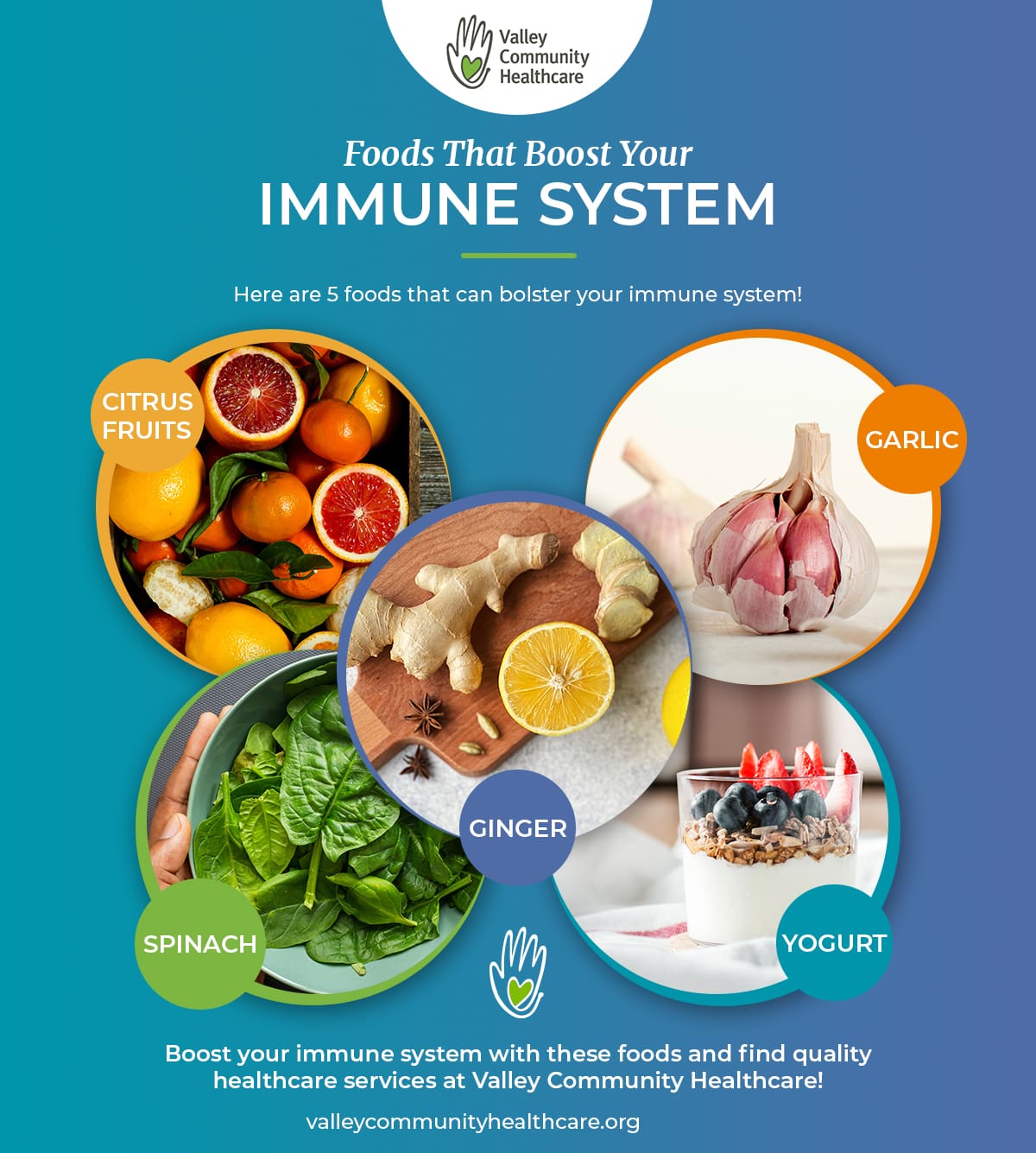
If you’re looking to give your immune system a little extra boost, you’re in the right place! We all know that a strong immune system is essential for overall health and well-being, especially in these uncertain times. But what are the best foods to include in our diet to support our immune system? From vibrant fruits and vegetables to powerful spices and immune-boosting nutrients, this article explores the top food choices that can supercharge your body’s defenses. Get ready to discover a world of delicious and nutritious options that will keep you feeling your best!
Citrus Fruits
When it comes to boosting your immune system, citrus fruits are a great place to start. Oranges, grapefruits, lemons, and clementines are all packed with essential nutrients that can strengthen your immune defenses.
Oranges, in particular, are rich in vitamin C, which is known for its immune-boosting properties. Vitamin C helps stimulate the production of white blood cells, which are vital in fighting off infections. Additionally, it acts as an antioxidant, protecting your cells from damage caused by harmful free radicals.
Grapefruits are also high in vitamin C, and they offer an extra punch of immune support with their added benefits of fiber and hydration. Lemons, known for their bright and tangy flavor, contain vitamin C and other antioxidants that can help boost your immune system. And let’s not forget about clementines – these small citrus fruits are not only delicious, but they also provide a good dose of vitamin C and other immune-enhancing nutrients.
Oranges
Oranges are a classic citrus fruit that not only taste great, but also offer numerous health benefits. As mentioned earlier, they are packed with vitamin C, which plays a crucial role in supporting your immune system. Consuming oranges regularly can help protect against immune deficiencies and improve your body’s ability to fight off infections.
Grapefruit
Grapefruits are another citrus fruit that can give your immune system a boost. They are a rich source of vitamin C and other antioxidants, which can help strengthen your immune defenses. Additionally, grapefruits contain fiber and water, both of which are essential for overall health and well-being.
Lemons
Lemons may be small, but they are mighty when it comes to immune support. Like other citrus fruits, lemons are loaded with vitamin C and other beneficial compounds. Incorporating lemons into your diet can help protect your cells from damage, support proper immune function, and promote overall well-being.
Clementines
Clementines are a variety of mandarin orange that are known for their small size and easy-to-peel skin. While they may be tiny, they pack a powerful immune-boosting punch. Clementines are rich in vitamin C, fiber, and other essential nutrients that can support your immune system and keep you healthy.
Red Bell Peppers
While oranges and other citrus fruits often steal the spotlight when it comes to vitamin C, red bell peppers are another fantastic source of this immune-boosting nutrient. In fact, red bell peppers actually contain more vitamin C than oranges.
Vitamin C is essential for immune function, as it helps stimulate the production and activity of white blood cells – the immune system’s first line of defense against infections. Red bell peppers also contain beta carotene, which your body converts into vitamin A. Vitamin A is crucial for maintaining the health of your skin and mucous membranes, which act as barriers against pathogens.
In addition to their impressive nutrient content, red bell peppers can be enjoyed in a variety of ways. They can be eaten raw in salads, stir-fried with other veggies, or roasted to add a burst of flavor to any dish. This versatility makes it easy to incorporate red bell peppers into your regular diet and reap their immune-boosting benefits.
Vitamin C content
Red bell peppers are a powerhouse when it comes to vitamin C content. In fact, they contain more vitamin C than most citrus fruits. Vitamin C plays a crucial role in supporting your immune system by stimulating the production of white blood cells, which are essential for fighting off infections.
Beta carotene content
In addition to vitamin C, red bell peppers are also a great source of beta carotene. Beta carotene is a plant pigment that your body converts into vitamin A. Vitamin A is vital for maintaining healthy skin and mucous membranes, which act as barriers against pathogens and help protect your body from infections.
Cooking methods
One of the great things about red bell peppers is their versatility in the kitchen. They can be enjoyed raw for a crispy and refreshing snack, or they can be cooked in a variety of ways to add flavor to your meals. Whether you choose to stir-fry them, roast them, or include them in your favorite dishes, red bell peppers are a delicious and nutritious addition to any diet.
Garlic
Garlic is not only a staple in many cuisines but also a powerhouse when it comes to boosting your immune system. It is packed with beneficial compounds that can provide a wide range of health benefits.
One of the key compounds found in garlic is allicin. Allicin is produced when garlic is crushed or chopped, and it has been shown to have antibacterial, antiviral, and antifungal properties. These properties make garlic an excellent natural remedy for fighting off infections and supporting your immune system.
Garlic is also rich in sulfur-containing compounds, which have been found to stimulate the production of white blood cells, helping your body fight off pathogens more effectively. Its immune-boosting effects make garlic a valuable addition to your diet, especially during cold and flu season.
Allicin compound
The allicin compound found in garlic is responsible for many of its health benefits. Allicin is formed when garlic is chopped, minced, or crushed, and it has been shown to have antibacterial, antiviral, and antifungal properties. These properties make garlic a natural remedy for fighting off infections and supporting your immune system.
Antibacterial properties
Garlic has long been known for its antibacterial properties. It can help protect against bacterial infections and support your immune system’s ability to fight off harmful pathogens. Adding garlic to your meals not only adds flavor but also provides a natural defense against infection-causing bacteria.
Immune-boosting effects
In addition to its antibacterial properties, garlic also has immune-boosting effects. The sulfur-containing compounds found in garlic have been shown to stimulate the production of white blood cells, which are crucial for immune function. By including garlic in your diet, you can support your body’s natural defenses and enhance your overall well-being.
Ginger
Ginger is a root that has been used for centuries for its medicinal properties. It is known for its unique flavor and aroma, but it also offers a wide range of health benefits, including immune support.
One of the key compounds found in ginger is gingerol, which has been shown to have potent anti-inflammatory effects. Chronic inflammation can weaken the immune system and make you more susceptible to infections. By incorporating ginger into your diet, you can help reduce inflammation and support your immune system’s ability to fight off pathogens.
Ginger is also rich in antioxidants, which can help protect your cells from damage caused by harmful free radicals. By preventing cellular damage, ginger can strengthen your immune system and improve your overall health and well-being.
Anti-inflammatory properties
Ginger contains gingerol, a compound known for its anti-inflammatory properties. Chronic inflammation can weaken the immune system and make you more susceptible to infections. By incorporating ginger into your diet, you can help reduce inflammation and support your immune system’s ability to fight off pathogens.
Antioxidant effects
In addition to its anti-inflammatory properties, ginger is also rich in antioxidants. Antioxidants help protect your cells from damage caused by harmful free radicals, which can weaken the immune system. By consuming ginger, you can enhance your body’s natural defenses and improve your overall health.
Strengthening immune system
By reducing inflammation and protecting against cellular damage, ginger can help strengthen your immune system. A strong immune system is essential for fighting off infections and staying healthy. Incorporating ginger into your diet is a great way to support your immune system and optimize your well-being.
Yogurt
Yogurt, especially varieties that contain live and active cultures, is an excellent food for boosting your immune system. It is rich in probiotics, which are beneficial bacteria that can strengthen your gut health and enhance your immune response.
Probiotics are living microorganisms that can promote a balance of good bacteria in your gut. A healthy gut microbiome is essential for optimal immune function, as it helps regulate immune responses and protects against harmful pathogens. By consuming yogurt regularly, you can support the diversity and abundance of beneficial bacteria in your gut, leading to a stronger immune system.
In addition to probiotics, yogurt is also a good source of several essential nutrients, including protein, calcium, and vitamin D. These nutrients play a crucial role in overall health and well-being, further supporting your immune system.
Probiotics
Yogurt is rich in probiotics, which are beneficial bacteria that can support your gut health and enhance your immune response. Probiotics help promote a healthy balance of bacteria in your gut, which is essential for optimal immune function.
Strengthening gut health
A healthy gut microbiome is essential for a strong immune system. By consuming yogurt regularly, you can support the diversity and abundance of beneficial bacteria in your gut, improving your gut health and strengthening your immune defenses.
Enhancing immune response
The probiotics found in yogurt can enhance your immune response by regulating immune cell activity and promoting a healthy gut microbiome. By incorporating yogurt into your diet, you can support your body’s natural defenses and boost your overall immune function.
Almonds
Almonds are not only delicious but also a nutritious food that can provide a wide range of health benefits. They are an excellent source of vitamin E, which is known for its immune-supporting properties.
Vitamin E is a powerful antioxidant that helps protect your cells from damage caused by harmful free radicals. By preventing cellular damage, vitamin E can enhance your immune function and strengthen your body’s natural defenses. Almonds are a convenient and tasty way to incorporate vitamin E into your diet.
In addition to vitamin E, almonds also contain other beneficial nutrients like fiber, protein, and healthy fats. These nutrients work together to support your overall health and well-being, making almonds a fantastic addition to a balanced diet.
Vitamin E content
Almonds are a rich source of vitamin E, which is known for its immune-supporting properties. Vitamin E is a powerful antioxidant that helps protect your cells from damage caused by harmful free radicals. By incorporating almonds into your diet, you can boost your vitamin E intake and enhance your immune function.
Antioxidant properties
In addition to vitamin E, almonds also contain other antioxidants that can further support your immune system. Antioxidants help protect your cells from damage, keeping your immune system strong and your body healthy.
Immune support
By providing a good dose of vitamin E and other antioxidants, almonds can support your immune system and enhance your body’s natural defenses. Including almonds in your diet is a tasty and convenient way to give your immune system a boost.
Green Tea
Green tea is not only a refreshing beverage but also a powerful tool for boosting your immune system. It has been consumed for centuries for its various health benefits, and its immune-enhancing properties are no exception.
One of the key compounds found in green tea is a group of antioxidants called polyphenols. Polyphenols have been shown to have various health benefits, including immune support. They help protect your cells from damage caused by harmful free radicals, which can weaken the immune system. By preventing cellular damage, green tea can strengthen your immune function and improve your overall well-being.
In addition to its antioxidant effects, green tea also contains other immune-boosting compounds like catechins. Catechins have been found to have antiviral and antibacterial properties, further supporting your immune system’s ability to fight off infections.
Polyphenols
Green tea is rich in polyphenols, a group of antioxidants that have numerous health benefits, including immune support. Polyphenols help protect your cells from damage caused by free radicals and strengthen your immune function.
Antioxidant effects
In addition to polyphenols, green tea also contains other antioxidants that can further support your immune system. By preventing cellular damage, green tea helps keep your immune system strong and your body healthy.
Improving immune function
By providing a good dose of antioxidants and other immune-boosting compounds, green tea can help improve your overall immune function. Drinking green tea regularly is a simple and enjoyable way to support your immune system and enhance your well-being.
Spinach
Spinach is a leafy green vegetable that is not only packed with essential nutrients but also offers a wide range of health benefits. When it comes to boosting your immune system, spinach is a fantastic choice.
Spinach is particularly rich in vitamins A, C, and E – all of which are known for their immune-supporting properties. Vitamin A helps maintain the health of your skin and mucous membranes, which act as barriers against pathogens. Vitamin C stimulates the production of white blood cells, while vitamin E is a powerful antioxidant that protects your cells from damage.
Additionally, spinach contains various antioxidants, such as beta carotene and lutein, which can further support your immune system and overall health. By adding spinach to your diet, you can easily increase your intake of these immune-enhancing nutrients.
Vitamins A, C, and E content
Spinach is a rich source of vitamins A, C, and E – all of which are essential for a strong immune system. Vitamin A helps maintain the health of your skin and mucous membranes, while vitamin C boosts white blood cell production, and vitamin E protects your cells from damage.
Antioxidant properties
Spinach contains a variety of antioxidants, including beta carotene and lutein. These antioxidants help protect your cells from damage caused by free radicals, enhancing your immune system and overall well-being.
Enhancing immune response
By providing a range of immune-supporting nutrients, spinach can help enhance your body’s natural defenses and improve your immune response. Whether enjoyed in salads, smoothies, or cooked dishes, spinach is an excellent addition to any immune-boosting diet.
Turmeric
Turmeric is a vibrant yellow spice that has been used for centuries in traditional medicine. It contains a powerful compound called curcumin, which gives it its distinctive color and provides numerous health benefits, including immune support.
One of the key properties of curcumin is its anti-inflammatory effects. Chronic inflammation can weaken the immune system and make you more susceptible to infections. By incorporating turmeric into your diet, you can help reduce inflammation and support your immune system’s ability to fight off pathogens.
Curcumin also has antioxidant properties, which help protect your cells from damage caused by free radicals. By preventing cellular damage, curcumin can strengthen your immune system and improve your overall well-being.
Curcumin compound
Curcumin is the active compound found in turmeric that provides many of its health benefits. It has been shown to have anti-inflammatory effects, which can help support your immune system by reducing chronic inflammation.
Anti-inflammatory effects
In addition to its antioxidant properties, curcumin is known for its anti-inflammatory effects. Chronic inflammation can weaken the immune system, so by incorporating turmeric into your diet, you can help reduce inflammation and support your body’s natural defenses.
Boosting immune system
Curcumin’s anti-inflammatory and antioxidant properties make it a valuable tool for boosting your immune system. By including turmeric in your meals, you can strengthen your immune function and enhance your overall well-being.
Broccoli
When it comes to immune-boosting foods, broccoli is a true powerhouse. This cruciferous vegetable is packed with essential nutrients that can strengthen your immune defenses and optimize your health.
Broccoli is particularly rich in vitamins A, C, and E – all of which are crucial for a strong immune system. Vitamin A helps maintain the health of your skin and mucous membranes, vitamin C stimulates the production of white blood cells, and vitamin E protects your cells from damage.
In addition to its impressive vitamin content, broccoli is also a great source of fiber and antioxidants. Fiber promotes a healthy gut microbiome, which is essential for a strong immune system. Antioxidants help protect your cells from damage and keep your immune system functioning optimally. By adding broccoli to your meals, you can easily increase your intake of these immune-enhancing nutrients.
Vitamins A, C, and E content
Broccoli is packed with immune-supporting vitamins like A, C, and E. Vitamin A helps maintain the health of your skin and mucous membranes, vitamin C stimulates white blood cell production, and vitamin E protects your cells from damage. Including broccoli in your diet is a delicious way to boost your intake of these essential nutrients.
Fiber and antioxidants
In addition to its vitamin content, broccoli is also a great source of fiber and antioxidants. Fiber helps support a healthy gut microbiome, which is crucial for immune function. Antioxidants help protect your cells from damage caused by free radicals, keeping your immune system strong and your body healthy.
Strengthening immune defenses
By providing a range of essential nutrients, fiber, and antioxidants, broccoli is an excellent choice for strengthening your immune defenses. Whether enjoyed steamed, sautéed, or added to your favorite dishes, broccoli is a versatile and nutritious vegetable that can support your immune system and overall well-being.
In conclusion, incorporating these immune-boosting foods into your diet can help strengthen your immune system and optimize your health. Citrus fruits like oranges, grapefruits, lemons, and clementines are rich in vitamin C, which stimulates the production of white blood cells. Red bell peppers offer an impressive amount of vitamin C and beta carotene, while garlic provides antibacterial properties and immune-boosting effects. Ginger has anti-inflammatory and antioxidant properties, and yogurt is packed with probiotics for gut health and enhanced immune response. Almonds offer vitamin E and antioxidants, green tea provides polyphenols and antioxidants, and spinach is a source of vitamins A, C, and E. Turmeric contains curcumin, which has anti-inflammatory effects, and broccoli is rich in vitamins A, C, and E, as well as fiber and antioxidants. By incorporating these foods into your diet, you can give your immune system the support it needs to keep you healthy and strong. Remember, a balanced and varied diet is key to optimal immune function and overall well-being. So, grab a juicy orange, slice up some red bell peppers, add a sprinkle of garlic, and enjoy a cup of green tea – your immune system will thank you!