
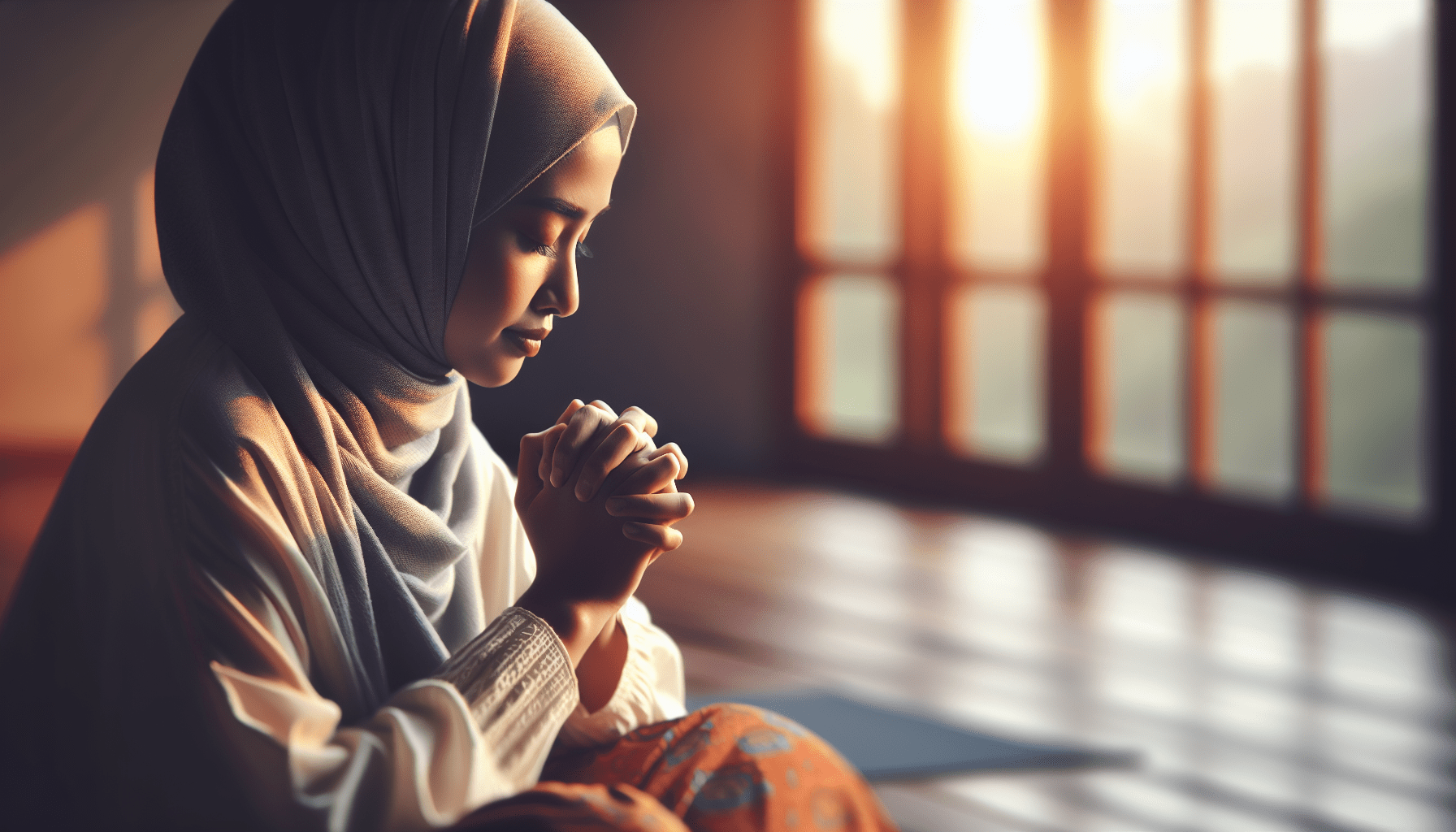
Are you feeling overwhelmed and stressed? If so, you’re not alone. In today’s fast-paced world, stress has become a common companion. But fear not, because there is a solution to help you find some much-needed relief – workouts! Yes, that’s right. Engaging in regular physical activity not only benefits your body but also your mind. In this article, we will explore the best workouts specifically designed to alleviate stress and provide you with the mental clarity you need. So get ready to bid farewell to stress and discover a whole new level of well-being.
Yoga
Benefits of yoga for stress relief
Yoga is a wonderful practice that offers numerous benefits for stress relief. One of the main advantages of yoga is that it combines physical movement with deep breathing and mindfulness, which can help calm the mind and relax the body. When you engage in yoga, you focus on the present moment and let go of the stresses and worries of everyday life. This allows you to experience a sense of peace and tranquility.
In addition to calming the mind, yoga also has a positive impact on the body. The physical postures, known as asanas, help to stretch and strengthen the muscles, improve flexibility, and increase overall body awareness. By releasing tension and tightness in the body, you can release stress and promote a sense of relaxation.
Another benefit of yoga for stress relief is its ability to regulate the body’s stress response. Practicing yoga stimulates the parasympathetic nervous system, which is responsible for the body’s rest and relaxation response. This helps counteract the effects of the sympathetic nervous system, which is responsible for the “fight or flight” response to stress. By activating the rest and relaxation response, yoga can help reduce anxiety, lower blood pressure, and promote a sense of calmness.
Different types of yoga for stress relief
There are several different types of yoga that can be particularly effective for stress relief. Here are a few popular options:
-
Hatha Yoga: This traditional form of yoga focuses on gentle physical postures and breathing exercises, making it a great choice for beginners or those looking for a slower-paced practice. Hatha yoga helps calm the mind and relax the body.
-
Vinyasa Yoga: Vinyasa yoga is a more dynamic and flowing style of yoga that synchronizes movement with breath. This can help create a meditative flow and promote a sense of mindfulness, making it a great option for stress relief.
-
Restorative Yoga: As the name suggests, restorative yoga is all about relaxation and restoration. It involves holding gentle poses for extended periods of time, using props such as bolsters and blankets to support the body. Restorative yoga can help release tension, quiet the mind, and induce a deep state of relaxation.
-
Kundalini Yoga: Kundalini yoga incorporates physical postures, breathing exercises, and chanting to awaken and move energy throughout the body. It is known for its ability to release stress and tension, promote mental clarity, and increase energy levels.
Recommended yoga poses for stress relief
When it comes to yoga poses for stress relief, there are several poses that can help relax both the mind and body. Here are a few recommendations:
-
Child’s Pose (Balasana): This gentle forward fold helps to calm the nervous system, release tension in the back, and promote a sense of grounding and relaxation.
-
Standing Forward Bend (Uttanasana): This pose helps to lengthen the spine, release tension in the hamstrings and lower back, and promote a sense of calmness and introspection.
-
Legs Up the Wall Pose (Viparita Karani): This restorative pose involves laying on your back with your legs extended up against a wall. It helps to relieve tired legs, reduce anxiety, and promote deep relaxation.
-
Corpse Pose (Savasana): Savasana is a simple yet powerful pose that involves lying flat on your back with your arms and legs relaxed. It allows the body and mind to completely let go and enter a state of deep relaxation.
By incorporating these yoga poses into your routine, you can experience the benefits of stress relief that yoga has to offer. Remember to listen to your body and modify the poses as needed to ensure a safe and comfortable practice.
Pilates
How Pilates can help reduce stress
Pilates is a fantastic workout that can help reduce stress and promote overall well-being. Developed by Joseph Pilates, this exercise method focuses on core strength, flexibility, and body awareness. By engaging both the mind and body, Pilates can provide a sense of mental clarity and relaxation, making it an effective stress relief tool.
One of the main ways that Pilates reduces stress is through its emphasis on breath control. Throughout a Pilates session, you are encouraged to use deep, diaphragmatic breathing, which helps to activate the parasympathetic nervous system and promote a state of relaxation. By focusing on your breath and slowing down your breathing, you can lower your heart rate, reduce anxiety, and calm the mind.
Additionally, Pilates incorporates slow, controlled movements that require concentration and body awareness. As you engage in Pilates exercises, you are encouraged to pay attention to your body’s alignment, movement patterns, and muscle engagement. This mindful approach to movement can help shift your focus away from stressful thoughts and bring your attention to the present moment. By cultivating this mind-body connection, you can experience a sense of peace and calmness.
Pilates exercises for stress relief
There are a variety of Pilates exercises that can be particularly beneficial for stress relief. These exercises help to stretch and strengthen the muscles, improve posture, and increase body awareness. Here are a few Pilates exercises that you can incorporate into your routine:
-
Cat-Cow: Start on all fours with your hands under your shoulders and knees under your hips. Inhale as you drop your belly and lift your gaze towards the ceiling (cow pose), and exhale as you arch your back and tuck your chin towards your chest (cat pose). This gentle spinal movement helps release tension in the back and promotes relaxation.
-
Hundred: Lie on your back with your knees bent and feet on the floor. Lift your head, neck, and shoulders off the mat, and extend your arms by your sides. Pump your arms up and down while inhaling for five counts and exhaling for five counts. The hundred exercise helps to activate deep core muscles and promote deep breathing.
-
Roll-Up: Start by lying on your back with your arms extended overhead and your legs straight. Slowly roll up one vertebra at a time, reaching towards your toes. Roll back down with control, articulating through the spine. This exercise helps to strengthen the abdominals, release tension in the back, and promote body awareness.
-
Swan Dive: Lie on your stomach with your legs extended and your arms by your sides. Lift your chest and arms off the mat as you inhale, squeezing your shoulder blades together. Exhale as you lower back down. The swan dive exercise helps to open up the chest, release tension in the upper back, and promote deep breathing.
Tips for incorporating Pilates into your stress relief routine
To make the most of Pilates for stress relief, here are some tips to help you incorporate it into your routine:
-
Consistency is key: Aim to practice Pilates regularly, whether it’s a few times a week or even just a few minutes each day. Consistent practice will help you reap the full benefits of Pilates for stress relief.
-
Find a comfortable space: Create a dedicated space in your home where you can practice Pilates without distractions. Make sure the space is clean, clutter-free, and has enough room for you to move freely.
-
Start with a guided class or video: If you’re new to Pilates, it can be helpful to start with a guided class or video led by a qualified instructor. This will ensure you are using proper form and technique, and will help you feel confident in your practice.
-
Listen to your body: Pay attention to how your body feels during each exercise and modify as needed. It’s important to honor any limitations or injuries you may have and work within your own comfort zone.
By following these tips and incorporating Pilates into your stress relief routine, you can reap the benefits of this method and find a sense of calmness and relaxation.
Cardiovascular Exercises
The connection between cardiovascular exercise and stress relief
Cardiovascular exercise, also known as aerobic exercise, is a fantastic way to reduce stress and improve overall well-being. Engaging in activities that elevate your heart rate and increase oxygen flow to the muscles not only benefits your physical health but also has a positive impact on your mental and emotional well-being.
When you participate in cardiovascular exercise, your body releases endorphins, which are natural chemicals that act as mood boosters and pain relievers. These endorphins help to reduce feelings of stress, anxiety, and depression, and can promote a general sense of well-being. The “runner’s high” that many individuals experience after a good workout is a direct result of these endorphins.
In addition to endorphin release, cardiovascular exercise also helps to reduce levels of the stress hormone cortisol. Cortisol is often referred to as the “stress hormone” and is released in response to physical or psychological stress. By engaging in regular cardiovascular exercise, you can help regulate cortisol levels and prevent the negative effects of chronic stress, such as weight gain, sleep disturbances, and impaired immune function.
Furthermore, cardiovascular exercise provides a distraction from daily stressors and allows you to focus on the physical activity at hand. By diverting your attention away from your worries and concerns, you can experience a mental break and gain a fresh perspective. Additionally, the rhythmic nature of cardiovascular exercise, such as jogging or cycling, can induce a meditative state and promote a sense of relaxation and calm.
Different types of cardiovascular exercises for stress relief
There are numerous types of cardiovascular exercises that can be highly effective for stress relief. The key is to find an activity that you enjoy and can incorporate into your routine consistently. Here are a few examples:
-
Running: Running is a popular form of cardiovascular exercise that can be done outdoors or on a treadmill. It is a great way to get your heart rate up, burn calories, and release endorphins. Running in nature can also provide the added benefit of connecting with the outdoors, which can enhance the stress-relieving effects.
-
Cycling: Cycling, whether outdoors or indoors on a stationary bike, is a low-impact exercise that is gentle on the joints. It provides an excellent cardiovascular workout and can be enjoyed at various intensities, from leisurely rides to more challenging hill climbs.
-
Dancing: Dancing is not only a fun and enjoyable activity but also a great way to get your heart rate up and release stress. Whether it’s a dance class, dancing around your living room, or joining a dance fitness program, dancing allows you to express yourself while enjoying the benefits of cardiovascular exercise.
-
Jumping Rope: Jumping rope is a simple yet effective cardiovascular exercise that can be done anywhere. It is a high-intensity workout that engages the entire body, making it a great option for burning calories and reducing stress.
Recommended duration and intensity for stress relief
To achieve the stress-relieving benefits of cardiovascular exercise, it is recommended to aim for a minimum of 150 minutes of moderate-intensity aerobic activity per week or 75 minutes of vigorous-intensity aerobic activity per week. This can be divided into smaller sessions of at least 10 minutes each.
Moderate-intensity aerobic activity includes activities that raise your heart rate, such as brisk walking, swimming, or water aerobics. Vigorous-intensity aerobic activity includes activities that greatly increase your heart rate, such as running, cycling, or high-intensity interval training (HIIT).
It is important to note that the intensity should be determined by your individual fitness level. If you are new to cardiovascular exercise or have any underlying health conditions, it is always a good idea to consult with a healthcare professional before starting a new exercise routine.
Remember to listen to your body and gradually increase the duration and intensity of your workouts as you build strength and endurance. The goal is to find a balance between challenging yourself and avoiding overexertion, as pushing yourself too hard can lead to increased stress and potential injuries.
By incorporating cardiovascular exercises into your stress relief routine and finding activities that you enjoy, you can experience the physical, mental, and emotional benefits of regular aerobic activity.
Strength Training
How strength training can alleviate stress
Strength training, also known as resistance training, involves using external resistance, such as weights or resistance bands, to build and strengthen muscles. While strength training is often associated with physical fitness and muscle development, it also offers significant benefits for stress relief and overall well-being.
When you engage in strength training, your body releases endorphins, which are natural mood enhancers. These endorphins help to reduce feelings of stress, anxiety, and depression, and can promote a sense of calmness and well-being. Similar to cardiovascular exercise, strength training can provide a natural “high” that can help alleviate stress and elevate your mood.
Additionally, strength training offers a unique form of stress relief through its focus on concentration and mindfulness. During strength training exercises, you need to focus on the specific muscle groups being targeted and perform the movements with proper form and control. This requires mental presence and concentration, which can help shift your focus away from stressful thoughts and promote a sense of calm and clarity.
Furthermore, strength training can help combat the physical effects of stress on the body. Chronic stress often leads to muscle tension and imbalances, which can contribute to discomfort and pain. By strengthening and stabilizing the muscles through resistance training, you can alleviate tension, improve posture, and reduce the risk of muscle imbalances.
Best strength training exercises for stress relief
When it comes to strength training exercises for stress relief, there are several key movements that target major muscle groups while promoting relaxation and tension release. Here are a few recommended exercises:
-
Squats: Squats are a compound exercise that targets the lower body, including the quadriceps, hamstrings, and glutes. They help to build strength and stability while improving overall lower body function. Squats also require core engagement and promote proper alignment and posture.
-
Deadlifts: Deadlifts are a powerful exercise that targets multiple muscle groups, including the glutes, hamstrings, lower back, and core. They help to improve overall strength and stability, enhance posture, and promote a strong mind-body connection.
-
Push-ups: Push-ups are a classic exercise that targets the chest, triceps, shoulders, and core. They help to strengthen the upper body and improve overall functional strength. Push-ups also require focused breathing and can help calm the mind.
-
Planks: Planks are an excellent exercise for core strength and stability. By engaging the muscles of the core, including the abdominals, back, and hips, planks help to improve posture, reduce lower back pain, and promote a strong mind-body connection.
Tips for incorporating strength training into your stress relief routine
To make the most of strength training for stress relief, here are some tips to help you incorporate it into your routine:
-
Start with a warm-up: Before diving into your strength training exercises, it’s important to warm up the body with some light cardio or dynamic stretching. This will help increase blood flow, loosen up the muscles, and prepare your body for the upcoming workout.
-
Use proper form and technique: When performing strength training exercises, it’s crucial to use proper form and technique to prevent injuries and maximize benefits. If you’re new to strength training, consider working with a qualified trainer or watching instructional videos to ensure you’re performing the exercises correctly.
-
Gradually increase intensity and resistance: As with any form of exercise, it’s important to gradually increase the intensity and resistance of your strength training workouts. This will challenge your muscles and encourage growth, while also minimizing the risk of overexertion or injury.
-
Incorporate variety: To keep your strength training routine engaging and enjoyable, consider incorporating a variety of exercises that target different muscle groups. This will help prevent boredom and provide a well-rounded workout for your body.
By following these tips and incorporating strength training into your stress relief routine, you can experience the physical and mental benefits of this form of exercise. Remember to listen to your body, take rest days as needed, and enjoy the process of building strength and enhancing your overall well-being.
Mindfulness Meditation
The benefits of mindfulness meditation for stress relief
Mindfulness meditation is a practice that involves paying attention to the present moment without judgment. It cultivates a state of non-reactive awareness, allowing you to observe your thoughts and emotions without getting caught up in them.
When it comes to stress relief, mindfulness meditation offers a wide range of benefits. First and foremost, it helps to calm the mind and increase mental clarity. By practicing mindfulness, you can train your brain to stay focused on the present moment, rather than becoming consumed by worries about the past or future. This can lead to a reduction in stress, anxiety, and negative thinking patterns.
Additionally, mindfulness meditation helps to activate the body’s relaxation response. By slowing down the breath and bringing awareness to the present moment, you can stimulate the parasympathetic nervous system, which is responsible for the body’s rest and relaxation response. This counteracts the effects of the sympathetic nervous system, which is responsible for the “fight or flight” response to stress.
Mindfulness meditation also promotes emotional well-being, as it allows you to observe and accept your thoughts and emotions without becoming overwhelmed by them. This can lead to a greater sense of self-compassion, resilience, and emotional stability.
Different techniques and approaches to mindfulness meditation
There are several techniques and approaches to mindfulness meditation that you can explore to find what works best for you. Here are a few popular options:
-
Breath Awareness: This technique involves focusing your attention on the breath. Simply sit or lie down in a comfortable position and bring your awareness to the sensation of the breath entering and leaving your body. Whenever your mind wanders, gently bring your attention back to the breath.
-
Body Scan: The body scan technique involves systematically bringing your attention to different parts of the body, starting from the top of the head and moving down to the toes. As you scan each part of the body, observe any sensations, tension, or areas of relaxation.
-
Loving-Kindness Meditation: Loving-kindness meditation involves directing loving and compassionate thoughts towards yourself and others. As you sit in a comfortable position, silently repeat phrases such as “May I be happy, may I be healthy, may I be safe, may I live with ease.” Then, extend these wishes to loved ones, acquaintances, and even difficult individuals.
-
Mindful Walking: Mindful walking involves bringing your attention to the sensations of walking. As you walk, notice the movement of your feet, the contact with the ground, and the sensations in your body. This can be done indoors or outdoors, and at a slow or brisk pace.
Guided mindfulness meditation exercises for stress relief
Guided mindfulness meditation exercises can be especially helpful for beginners or those who prefer to have guidance throughout their practice. These exercises typically involve a recorded audio or video that leads you through different mindfulness techniques. Here are a few guided mindfulness meditations for stress relief:
-
Body Scan Meditation: This guided meditation instructs you to bring your attention to each part of your body, one at a time, and notice any physical sensations or tension. It helps to promote relaxation and body awareness.
-
Mountain Meditation: This guided meditation uses the metaphor of a mountain to cultivate a sense of stability and strength. It encourages you to connect with your inner resilience and to observe the transient nature of thoughts and emotions.
-
Loving-Kindness Meditation: This guided meditation guides you through the practice of directing loving and compassionate thoughts towards yourself, loved ones, and all beings. It helps to foster a sense of connection, empathy, and well-wishing.
-
Mindful Breathing Meditation: This guided meditation focuses on the breath as a way to anchor your attention in the present moment. It guides you through various breathing techniques, such as deep belly breathing or counting the breaths.
By exploring different techniques and utilizing guided mindfulness meditations, you can develop a regular mindfulness practice that suits your needs and preferences. Remember that mindfulness meditation is a skill that requires practice and patience, so be gentle with yourself and embrace the process.
Tai Chi
The calming effects of Tai Chi on stress
Tai Chi, often referred to as “moving meditation,” is a gentle Chinese martial art that combines slow, flowing movements with deep breathing and mental focus. It is known for its calming effects on the mind and body, making it an excellent stress relief exercise.
One of the key principles of Tai Chi is the integration of mind and body. By synchronizing movement with breath and cultivating a meditative state of mind, Tai Chi allows you to enter a state of relaxation and tranquility. The slow and controlled movements help to calm the nervous system, release tension in the muscles, and promote a sense of inner peace.
Tai Chi also emphasizes the concept of “softness over hardness.” Instead of using force or aggression, Tai Chi encourages a gentle, fluid approach to movement. This soft and flowing quality helps to release physical and mental tension, allowing you to let go of stress and find a sense of ease.
Furthermore, Tai Chi promotes deep, diaphragmatic breathing, which activates the parasympathetic nervous system and triggers the body’s relaxation response. This helps to lower blood pressure, reduce heart rate, and promote a sense of calm and well-being.
Basic Tai Chi movements and routines for stress relief
There are numerous Tai Chi movements and routines that can be beneficial for stress relief. The key is to start with simple movements and progress at your own pace. Here are a few basic Tai Chi movements to get you started:
-
Tai Chi Warm-Up: Begin by standing with your feet shoulder-width apart and your knees slightly bent. Relax your arms by your sides. Inhale as you raise your arms out to the sides and up towards the sky, and exhale as you lower them back down. Repeat this movement several times to warm up the body and connect with your breath.
-
Opening and Closing: Stand with your feet shoulder-width apart and your knees slightly bent. Inhale as you raise your arms out to the sides and up towards the sky, and exhale as you bring them back down in front of your body. Imagine gathering energy from the earth and the sky with each movement.
-
Cloud Hands: Stand with your feet shoulder-width apart and your knees slightly bent. Extend your arms out to the sides, palms facing down. Inhale as you shift your weight to one leg and rotate your torso towards that side, allowing your arms to follow. Exhale as you shift your weight to the other leg and rotate your torso in the opposite direction. Repeat this flowing movement, coordinating it with your breath.
-
Standing Meditation: Stand with your feet shoulder-width apart and your knees slightly bent. Relax your arms by your sides and bring your attention to your breath. Allow your body to gently sway and move with the breath, feeling rooted and grounded with each inhale and exhale. This standing meditation helps to cultivate a sense of stability and internal balance.
Tips for practicing Tai Chi as a stress relief exercise
To make the most of Tai Chi as a stress relief exercise, here are some tips to enhance your practice:
-
Find a peaceful environment: Practice Tai Chi in a quiet and peaceful environment, preferably in nature if possible. Being surrounded by natural elements can enhance the calming effects of Tai Chi and promote a greater sense of relaxation.
-
Wear comfortable clothing: Choose loose-fitting, comfortable clothing that allows for freedom of movement. This will ensure that you can move freely and comfortably throughout your Tai Chi practice.
-
Start with a beginner’s class or video: If you’re new to Tai Chi, it can be helpful to start with a beginner’s class or instructional video. This will provide guidance on proper form and technique, and help you establish a solid foundation for your practice.
-
Practice regularly: Like any form of exercise, consistency is key to reaping the benefits of Tai Chi for stress relief. Aim to practice Tai Chi at least a few times a week, gradually increasing the duration as you become more comfortable and familiar with the movements.
By incorporating Tai Chi into your stress relief routine and embracing its gentle and meditative qualities, you can experience a greater sense of calmness, balance, and relaxation.
Dance
How dance can be a fun and effective stress relief workout
Dance is not only a fun and enjoyable activity, but it can also be an excellent stress relief workout. Whether you’re taking a dance class, dancing alone at home, or joining a dance fitness program, dancing offers numerous benefits for both the mind and body.
One of the main advantages of dance as a stress relief workout is its ability to provide an outlet for self-expression and creativity. Dancing allows you to let go of inhibitions, embrace your individuality, and express yourself through movement. This can be incredibly liberating and cathartic, helping to release pent-up stress and tension.
Furthermore, dance provides an opportunity to engage in physical activity in a joyful and energizing way. When you dance, your body releases endorphins, which are natural mood enhancers. These endorphins help to reduce stress, boost mood, and increase feelings of happiness and well-being.
Dance also offers a unique opportunity for social connection and community. Whether you’re dancing in a class or joining a dance group, dancing with others can create a sense of camaraderie, support, and unity. The positive social interactions that occur during dance can help reduce feelings of loneliness and provide an emotional support system.
Different dance styles and genres for stress relief
There are countless dance styles and genres that you can explore for stress relief. The key is to find a style that resonates with you and brings you joy. Here are a few popular dance styles that are known for their stress-relieving benefits:
-
Zumba: Zumba is a high-energy dance fitness program that incorporates various dance styles, such as salsa, merengue, and hip-hop. It combines aerobic exercise with dance movements, making it a great option for burning calories, releasing stress, and having a blast.
-
Ballet: Ballet is a graceful and elegant dance style that focuses on precise movements, posture, and musicality. Practicing ballet can help improve strength, flexibility, and body awareness, while also providing a sense of poise and discipline.
-
Contemporary: Contemporary dance is a blend of various dance styles, including ballet, modern, and jazz. It emphasizes fluidity, emotions, and storytelling through movement. Contemporary dance allows for creative expression and can be a therapeutic and cathartic experience.
-
Salsa: Salsa is a lively and rhythmic dance style that originates from Latin America. It involves partner dancing, quick footwork, and sensual movements. Salsa can be a great way to release stress, improve coordination, and connect with others through music and movement.
Tips for dancing your stress away
To make the most of dance as a stress relief workout, here are some tips to help you get started:
-
Choose music that uplifts you: Select music that makes you feel good, energized, and inspired. The right music can enhance your dance experience and help you tap into your emotions.
-
Let go of self-judgment: Remember that dance is about self-expression and enjoyment, not perfection. Let go of self-judgment and embrace your unique style and rhythm. Dance like nobody’s watching!
-
Incorporate freestyle dancing: Set aside some time during your dance sessions to explore freestyle dancing. Allow yourself to move spontaneously and without constraints. This can be incredibly freeing and therapeutic.
-
Join a dance class or group: Consider joining a dance class or group in your community. This will provide structure, guidance, and the opportunity to connect with others who share your passion for dance.
By incorporating dance into your stress relief routine and making it a regular part of your life, you can experience the physical, mental, and emotional benefits that dance has to offer. So put on some music, let the rhythm guide you, and dance your stress away!
Outdoor Activities
The benefits of outdoor activities for stress relief
Spending time in nature and engaging in outdoor activities can be a powerful and effective way to reduce stress and enhance well-being. Connecting with the natural world offers numerous benefits for the mind, body, and soul.
One of the primary benefits of outdoor activities for stress relief is the ability to disconnect from the demands and pressures of everyday life. Being surrounded by nature allows you to take a break from technology, screens, and deadlines. This break from the constant stimulation and information overload can help reset your mind and promote a sense of calmness and tranquility.
Furthermore, being in nature provides a sense of awe and appreciation for the world around us. Research has shown that exposure to natural beauty, such as trees, water, and open spaces, can reduce stress, lower blood pressure, and improve overall mood. Whether it’s a hike in the mountains, a walk on the beach, or simply sitting under a tree, nature has a way of grounding us and reminding us of the bigger picture.
Engaging in outdoor activities also offers opportunities for physical exercise, which is known to be a powerful stress reliever. Whether you’re going for a jog, practicing yoga in the park, or playing a game of frisbee, physical activity releases endorphins, lowers cortisol levels, and promotes a sense of well-being.
Recommended outdoor activities for stress relief
There are countless outdoor activities that can be highly beneficial for stress relief. The key is to find activities that you enjoy and that align with your interests and abilities. Here are a few recommended outdoor activities:
-
Hiking: Hiking allows you to immerse yourself in nature and enjoy beautiful landscapes and scenery. It provides a great cardiovascular workout, engages the muscles, and offers opportunities for mindfulness and reflection.
-
Gardening: Gardening is a therapeutic and grounding outdoor activity that allows you to connect with the earth and nurture living plants. It promotes relaxation, improves mood, and fosters a sense of accomplishment and pride.
-
Beach Walks: Taking a walk on the beach offers a unique sensory experience that can be incredibly soothing and refreshing. The sound of the waves, the smell of the ocean, and the feel of the sand beneath your feet can help relax the mind and body.
-
Nature Photography: Engaging in nature photography combines the benefits of outdoor activities with the creative process of capturing beautiful moments. The act of focusing on composition and detail can be meditative and can help cultivate mindfulness.
Tips for enjoying outdoor activities to reduce stress
To make the most of outdoor activities for stress relief, here are some tips to enhance your experience:
-
Unplug from technology: Consider leaving your phone behind or putting it on silent mode to minimize distractions and fully immerse yourself in the outdoor experience.
-
Practice mindfulness: As you engage in outdoor activities, try to be fully present and aware of your surroundings. Use your senses to connect with nature and allow yourself to be in the present moment.
-
Dress appropriately: Wear comfortable clothing and shoes that are suitable for the outdoor activity you’ll be engaging in. This will help you feel more at ease and enjoy the experience to the fullest.
-
Stay hydrated: Remember to bring water and stay hydrated throughout your outdoor activities. Proper hydration is essential for overall well-being and can help prevent fatigue and dehydration.
By incorporating outdoor activities into your stress relief routine and embracing the healing power of nature, you can experience a greater sense of peace, connection, and well-being.
Group Fitness Classes
The social and physical benefits of group fitness classes for stress relief
Group fitness classes are a fantastic way to reduce stress while enjoying the benefits of exercise and social connection. Whether it’s a yoga class, dance class, or high-intensity interval training (HIIT) class, participating in group workouts can have a positive impact on both your physical and mental well-being.
One of the main advantages of group fitness classes for stress relief is the social aspect. Exercising with others allows you to meet like-minded individuals, create a sense of camaraderie, and build a support system. The positive interactions and social connections that occur during group classes can help reduce feelings of loneliness and provide a sense of belonging.
Furthermore, group fitness classes offer structure and accountability. By attending a scheduled class, you are more likely to stick to a regular exercise routine and stay motivated. The guidance and instruction from a qualified instructor can also provide a sense of direction and ensure proper form and technique, minimizing the risk of injury and maximizing the benefits of the workout.
Additionally, group fitness classes offer a variety of workout options to suit different interests and fitness levels. Whether you prefer low-impact exercises like Pilates or high-intensity workouts like boxing, there is a class for everyone. This variety allows you to explore different types of exercises and find the ones that bring you joy and stress relief.
Different types of group fitness classes for stress relief
There are numerous types of group fitness classes that can be highly effective for stress relief. Here are a few popular options:
-
Yoga: Yoga classes offer a combination of physical movement, breathwork, and mindfulness. They help to calm the mind, release tension in the body, and promote a sense of relaxation and well-being.
-
Dance Fitness: Dance fitness classes, such as Zumba or hip-hop cardio, provide an excellent cardiovascular workout while having fun and enjoying energetic music. Dancing helps to release stress, boost mood, and improve coordination.
-
Boxing or Kickboxing: Boxing and kickboxing classes offer a high-intensity workout that combines boxing techniques and cardio exercises. These classes provide a powerful stress relief outlet, allowing you to channel your energy and release tension.
-
Bootcamp or HIIT: Bootcamp or high-intensity interval training (HIIT) classes involve short bursts of intense exercise followed by short periods of rest. These classes provide a total body workout, improve cardiovascular fitness, and release endorphins.
Tips for finding and participating in group fitness classes
To make the most of group fitness classes for stress relief, here are some tips to help you find and enjoy the experience:
-
Research local options: Look for fitness studios, community centers, or gyms in your area that offer group fitness classes. Read reviews, check schedules, and consider trying out a trial class to see if it suits your needs.
-
Start with beginner-friendly classes: If you’re new to group fitness or haven’t exercised in a while, it’s a good idea to start with beginner-friendly classes. These classes typically provide modifications and a slower pace, allowing you to build strength and confidence.
-
Communicate with the instructor: Let the instructor know if you have any injuries or limitations so they can provide appropriate modifications and support. Don’t hesitate to ask questions or seek clarification if needed.
-
Listen to your body: Pay attention to how your body feels during and after the class. If something doesn’t feel right or causes pain, modify or skip that particular exercise. It’s important to prioritize safety and listen to your body’s signals.
By incorporating group fitness classes into your stress relief routine and participating in activities that bring you joy and a sense of camaraderie, you can experience the physical, social, and mental benefits of group workouts.
Breathing Exercises
The importance of deep breathing for stress relief
Deep breathing exercises offer a simple yet powerful tool for stress relief. When we experience stress, our breathing patterns tend to become shallow and rapid, which can further exacerbate feelings of anxiety and tension. Deep breathing exercises help to counteract these effects by activating the body’s relaxation response and promoting a sense of calmness and balance.
One of the main benefits of deep breathing for stress relief is its ability to stimulate the parasympathetic nervous system, which is responsible for the body’s rest and relaxation response. By taking slow, deep breaths, you can activate this relaxation response and counteract the effects of the sympathetic nervous system, which is responsible for the “fight or flight” response to stress.
Deep breathing also helps to increase the uptake of oxygen and improve carbon dioxide elimination in the body. This can lead to a reduction in heart rate, blood pressure, and muscle tension. By consciously focusing on the breath, you can bring your attention to the present moment and cultivate a sense of relaxation and peace.
Different breathing exercises for stress relief
There are various breathing exercises that can be highly effective for stress relief. Here are a few examples:
-
Diaphragmatic Breathing: This exercise involves breathing deeply into the diaphragm, allowing the belly to rise on the inhale and fall on the exhale. Place one hand on your belly and the other on your chest. Inhale deeply through the nose, expanding the belly, and exhale slowly through the mouth. Repeat several times, focusing on the sensation of the breath.
-
Box Breathing: Box breathing is a simple technique that involves inhaling, holding the breath, exhaling, and holding the breath again, all for the same duration. Imagine tracing the sides of a box with your breath. Inhale for a count of four, hold for a count of four, exhale for a count of four, and hold again for a count of four. Repeat this cycle for several minutes.
-
Alternate Nostril Breathing: This breathing technique involves using your fingers to alternate between closing one nostril and breathing through the other. Start by closing your right nostril with your right thumb and inhaling deeply through the left nostril. Close the left nostril with your right ring finger and exhale through the right nostril. Inhale through the right nostril, close it, and exhale through the left nostril. Repeat this cycle for several minutes, focusing on the balance between the inhalation and exhalation.
-
4-7-8 Breathing: This exercise, developed by Dr. Andrew Weil, involves inhaling through the nose for a count of four, holding the breath for a count of seven, and exhaling through the mouth for a count of eight. Repeat this cycle for several rounds, focusing on the extended exhale and the sense of relaxation that accompanies it.
How to incorporate breathing exercises into your daily routine
To make the most of breathing exercises for stress relief, here are some tips to help you incorporate them into your daily routine:
-
Set aside dedicated time: Schedule a few minutes each day to practice deep breathing exercises. It can be helpful to choose a specific time, such as in the morning or before bed, to establish a consistent routine.
-
Practice breathing exercises during stressful moments: When you find yourself in a stressful situation or feeling overwhelmed, take a moment to pause and engage in a few deep breaths. This can help bring you back to the present moment and reduce feelings of stress and anxiety.
-
Combine breathing exercises with other stress relief activities: Pairing deep breathing exercises with other stress relief activities, such as yoga, meditation, or stretching, can amplify the relaxation response and promote a greater sense of calmness.
-
Use guided audio or apps: If you find it challenging to practice deep breathing on your own, consider using guided audio tracks or smartphone apps that provide instructions and support for deep breathing exercises.
By incorporating deep breathing exercises into your stress relief routine and making them a regular part of your day, you can tap into the innate power of your breath and experience a greater sense of calm, balance, and well-being.