
Do you want to improve your overall health and well-being? Regular physical activity is the key to achieving just that. Engaging in regular physical activity has numerous benefits, both physically and mentally. From reducing the risk of chronic diseases to improving mood and boosting energy levels, there are countless reasons why incorporating regular exercise into your routine is essential. In this article, we will explore the key benefits of regular physical activity and discover how it can positively impact your life. So, lace up those sneakers and get ready to embark on a journey towards a healthier and happier you! Regular physical activity offers numerous benefits for both your physical and mental well-being. By incorporating exercise into your daily routine, you can reap the following advantages:
Improved physical health
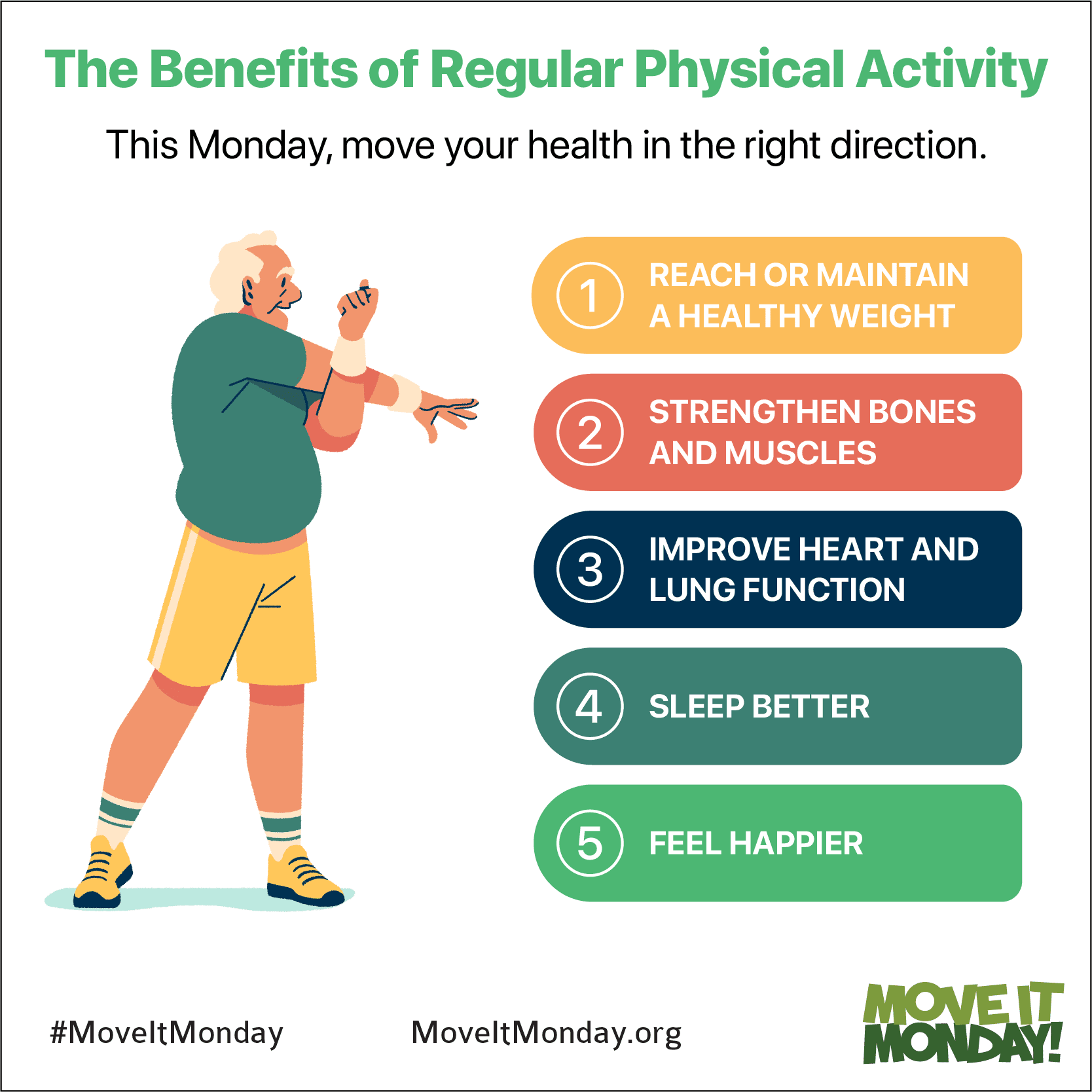
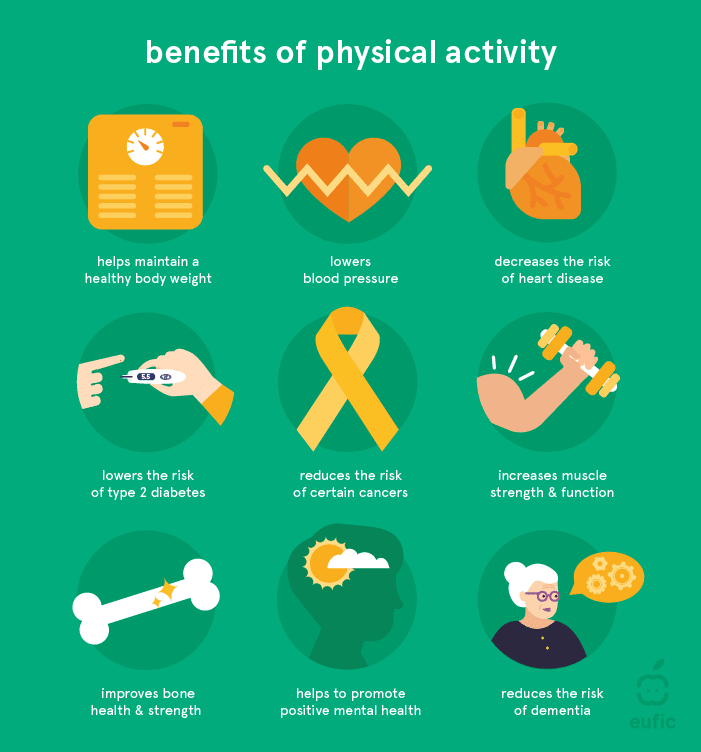
Regular physical activity has been proven to reduce the risk of chronic diseases such as heart disease, stroke, diabetes, and certain types of cancer. Engaging in physical activities helps to maintain a healthy weight, lower blood pressure, and improve blood sugar levels. By keeping these risk factors in check, you can significantly reduce the likelihood of developing these long-term health conditions.
Exercise also plays a crucial role in increasing cardiovascular health. When you engage in activities that raise your heart rate, such as jogging or cycling, your heart becomes stronger and more efficient at pumping blood. This, in turn, improves circulation and oxygen delivery to your muscles and organs, enhancing their overall function.
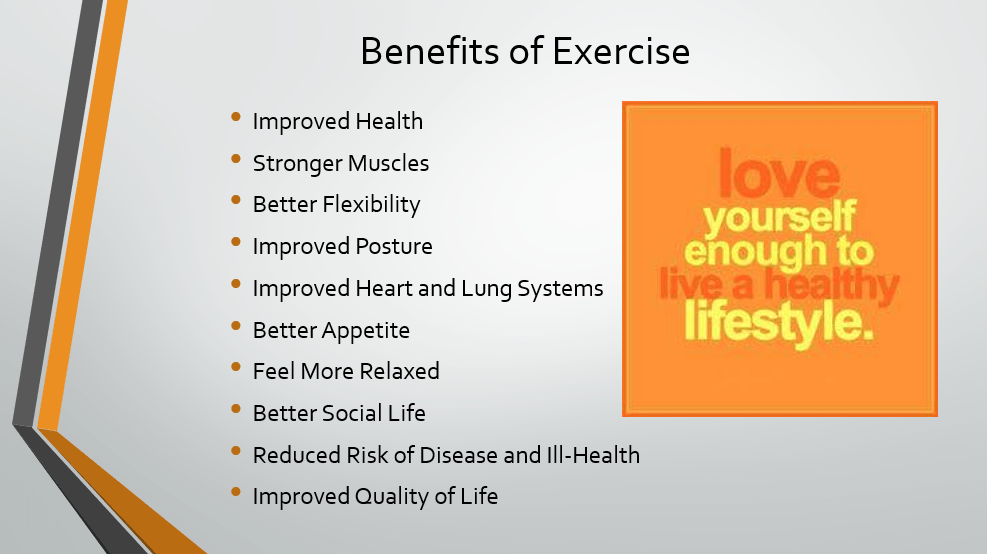
Furthermore, regular exercise helps strengthen your muscles and bones. Weight-bearing activities like walking, dancing, or resistance training promote bone density and muscle mass. Strong muscles protect your joints from injury, while strong bones reduce the risk of osteoporosis, especially in older adults.
Additionally, physical activity boosts your immune system, making it more resilient against infections and diseases. Exercise increases the circulation of immune cells in your body, enabling them to detect and fight off harmful pathogens more effectively. By prioritizing exercise, you can support a stronger immune system and potentially ward off illnesses.
Enhanced mental well-being
In addition to its physical benefits, regular physical activity also greatly contributes to your mental well-being. Engaging in exercise has been shown to reduce symptoms of anxiety and depression. Physical activity stimulates the release of endorphins, which are natural mood boosters that promote feelings of happiness and well-being. By incorporating exercise into your routine, you can experience a significant reduction in stress levels and an improvement in your overall mental state.
Exercise also has a profound impact on your self-esteem and confidence. As you achieve your fitness goals and witness your body becoming stronger and more capable, your self-image and self-worth naturally improve. The sense of accomplishment derived from completing exercises or reaching milestones empowers you and boosts your confidence in various aspects of your life.
Moreover, regular exercise can greatly enhance your sleep quality. Engaging in physical activity during the day helps regulate your sleep-wake cycle, making it easier for you to fall asleep and stay asleep throughout the night. The deeper and more restful sleep you achieve promotes optimal mental and physical recovery, leading to increased energy levels and a more alert mind during the day.
Furthermore, exercise has been shown to increase brain function and cognitive abilities. Physical activity boosts blood flow to the brain, supplying it with essential nutrients and oxygen. This increased circulation enhances cognitive function, memory, and concentration. By prioritizing exercise, you can improve your mental sharpness and optimize your overall brain health.

Weight management
Regular physical activity is crucial for burning calories and controlling weight. Engaging in activities that raise your heart rate and increase your breathing intensity, such as jogging, swimming, or aerobics, allows your body to burn excess calories. By creating a calorie deficit through exercise, you can effectively manage your weight and prevent unwanted weight gain.
In addition to calorie burning, exercise also increases your metabolism. Metabolism refers to the process by which your body converts food into energy. Regular physical activity stimulates your metabolism, enabling your body to burn more calories even at rest. This enhanced metabolic rate helps you maintain a healthy weight and prevents weight-related health issues.
Moreover, engaging in regular physical activity helps reduce body fat. By incorporating both cardiovascular exercises and strength training into your exercise routine, you can effectively build lean muscle and reduce fat mass. Muscle tissue requires more energy to maintain than fat tissue, meaning that the more muscle you have, the more calories your body burns even at rest. This leads to a healthier body composition and a reduced risk of obesity-related health conditions.
Increased energy levels
Regular physical activity has a significant impact on your energy levels. Engaging in exercise helps improve endurance and stamina, allowing you to perform daily tasks with ease and without feeling fatigued. As your cardiovascular fitness improves, you will find that you have more energy throughout the day to accomplish your tasks and enjoy leisure activities.
Furthermore, exercise enhances overall productivity. By incorporating physical activity into your routine, you can experience heightened mental clarity and focus, making it easier to concentrate on work or other tasks. The increased blood flow to the brain and the release of endorphins during exercise contribute to improved cognitive function, enabling you to perform at your best.
Exercise also combats fatigue and lethargy. Regular physical activity helps reduce feelings of tiredness by boosting the production of energy-boosting neurotransmitters and preventing muscle fatigue. Instead of feeling drained and lethargic, you will experience increased vitality and a more positive outlook on life.

Improved mood and emotional well-being
Physical activity has a profound impact on your mood and emotional well-being. Engaging in exercise releases endorphins, popularly known as the “feel-good” hormones. These endorphins act as natural mood enhancers, promoting feelings of happiness and reducing feelings of stress and anxiety.
Regular exercise also promotes relaxation and calmness, providing a healthy outlet for managing stress and reducing tension. Physical activity serves as a form of active meditation, helping you clear your mind and focus on the present moment. By incorporating exercise into your routine, you can experience a significant reduction in stress levels and an increase in overall emotional well-being.
Moreover, regular physical activity increases emotional resilience. Exercise offers a sense of control and mastery over your body, promoting self-confidence and a positive self-image. The discipline and commitment required for consistent exercise can transfer to other areas of your life, empowering you to face challenges with resilience and determination.
Enhanced social connections
Regular physical activity provides ample opportunities to interact with others, whether through joining group activities or sports clubs. Engaging in exercise with others fosters social connections and helps build friendships and support networks. Through shared experiences and a common interest in physical fitness, you can form meaningful relationships and a sense of community.
Joining group activities or sports clubs also offers a sense of belonging and camaraderie. Working towards shared goals and participating in friendly competition amplifies the enjoyment derived from exercise and creates a supportive environment. By engaging in physical activity with others, you can enhance your social connections and overall sense of happiness and well-being.
Better sleep quality
Physical activity plays a vital role in promoting better sleep quality. When you engage in regular exercise, your body experiences a natural increase in body temperature. This increase in body temperature, followed by a decrease a few hours later, promotes deeper and more restful sleep.
Moreover, exercise helps regulate your sleep-wake cycle and improves your sleep efficiency. By engaging in physical activity during the day, you signal to your body that it is time to be awake and alert. This circadian rhythm alignment helps you fall asleep more easily at night and wake up feeling refreshed in the morning.
Regular exercise has also been shown to reduce symptoms of insomnia. Insomnia is a condition characterized by difficulty falling asleep or staying asleep. Exercise helps alleviate this condition by reducing anxiety and stress levels, which are typically associated with insomnia. By incorporating physical activity into your routine, you can experience improved sleep quality and a more rejuvenated feeling upon waking.
Increased longevity and quality of life
Regular physical activity has a profound impact on your longevity and overall quality of life. Engaging in regular exercise has been consistently linked to a reduced risk of premature death. By adopting an active lifestyle, you can significantly lower your chances of developing chronic diseases and thus increase the length of your life.
In addition to lifespan, exercise improves overall health and vitality. Regular physical activity helps maintain optimal organ function, supports a healthy immune system, and enhances physical performance. By prioritizing exercise, you can experience greater energy levels, mobility, and functional capacity, allowing you to fully enjoy and participate in daily activities.
Furthermore, regular physical activity enhances the quality of life for older adults. Exercise reduces the risk of falls and fractures by promoting muscle strength and balance. It also helps maintain cognitive function and memory, reducing the risk of cognitive decline and dementia. By incorporating regular physical activity into your routine, you can enjoy an active and independent lifestyle well into your later years.
Improved brain health and memory
Regular physical activity has a significant impact on your brain health and memory function. Engaging in exercise increases blood flow to the brain, providing it with essential nutrients and oxygen. This increased circulation stimulates the growth of new brain cells and neural connections, enhancing cognitive function and memory.
Additionally, exercise has been shown to reduce the risk of cognitive decline and dementia. Regular physical activity promotes brain plasticity, which refers to the brain’s ability to change and adapt throughout life. By engaging in exercise, you can protect your brain against age-related decline and maintain your cognitive abilities for longer.
Moreover, exercise has a positive impact on memory. Physical activity triggers the release of chemicals that enhance memory formation and retention. By maintaining an active lifestyle, you can experience improved memory recall and retention, making it easier to learn new information and remember important details.
Stress relief and relaxation
Regular physical activity acts as a natural stress reliever. When you engage in exercise, your body releases endorphins, which help reduce stress and promote a sense of well-being. This release of endorphins directly counteracts the effects of stress hormones, leaving you feeling more relaxed and at ease.
Physical activity also promotes relaxation and calmness. Engaging in exercises such as yoga, tai chi, or swimming allows you to focus on your movements and breathe deeply, promoting a state of relaxation. By incorporating these activities into your routine, you can effectively reduce tension and anxiety, improving your overall emotional well-being.
In conclusion, regular physical activity offers a wide range of benefits for both your physical and mental well-being. By making exercise a priority in your daily routine, you can experience improved physical health, enhanced mental well-being, better weight management, increased energy levels, improved mood, enhanced social connections, better sleep quality, increased longevity, improved brain health and memory, and stress relief and relaxation. So start incorporating physical activity into your life today for a happier, healthier you.