
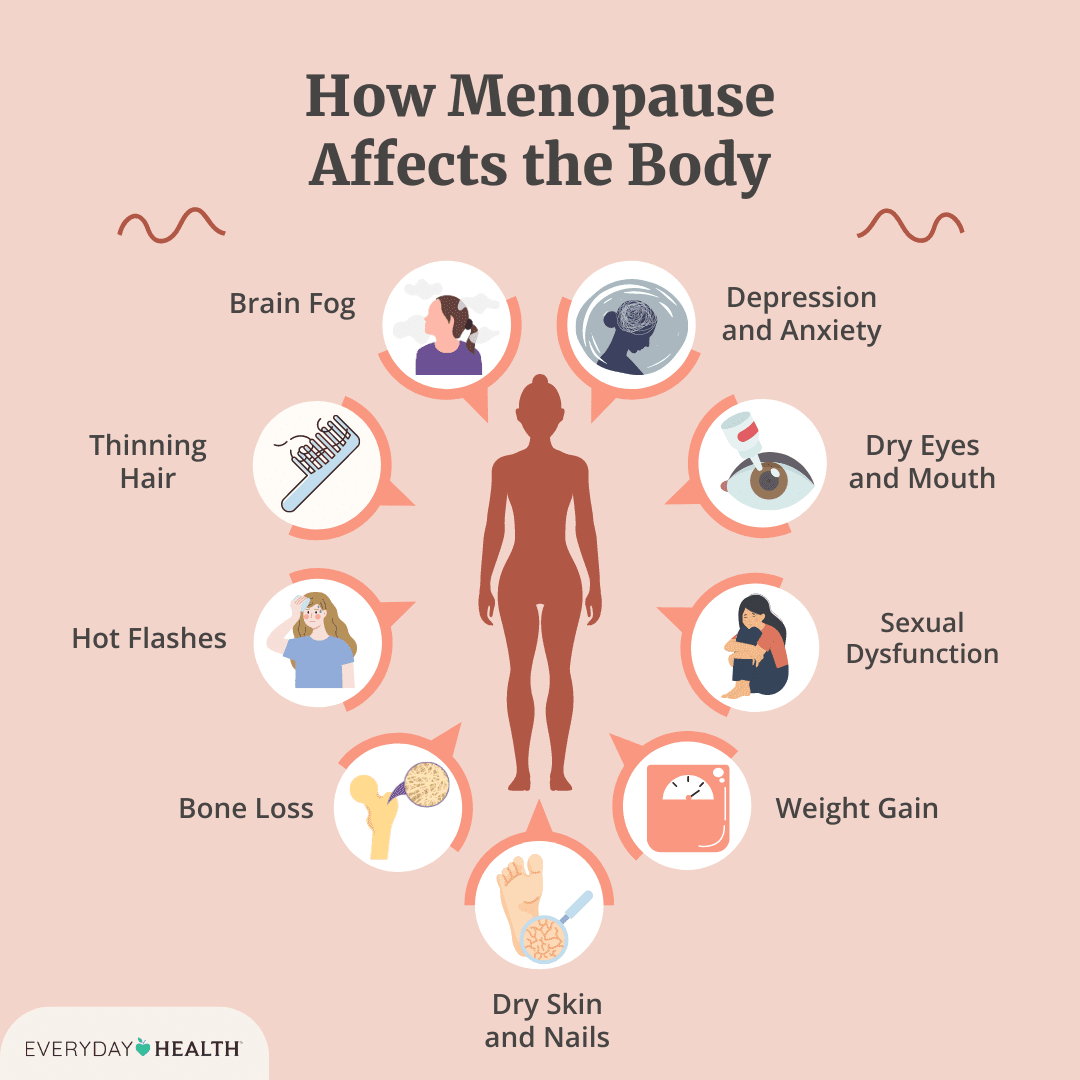
Are you a woman approaching middle age? Are you curious about what changes your body may undergo during perimenopause and menopause? Look no further! In this insightful article, we will provide you with a comprehensive overview of the physical and emotional transformations that commonly occur during these phases of a woman’s life. From irregular periods and hot flashes to mood swings and sleep disturbances, we will guide you through the rollercoaster of experiences you may encounter, offering practical tips and techniques to help you navigate this natural and inevitable stage with confidence and grace. So, sit back, relax, and let us enlighten you on what lies ahead during perimenopause and menopause!
Physical Symptoms
Irregular periods
During perimenopause, your menstrual cycle may become irregular. This means that the time between your periods may be shorter or longer than usual, and you may experience heavier or lighter bleeding. This is caused by fluctuating hormone levels, specifically levels of estrogen and progesterone. While irregular periods are common during perimenopause, it’s still important to keep track of your menstrual cycle to monitor any changes or unusual symptoms.
Hot flashes
Hot flashes are one of the most well-known symptoms of menopause. You may suddenly feel an intense heat accompanied by flushing of the face and upper body. These hot flashes can last for a few seconds to several minutes and are caused by changes in hormone levels. Hot flashes can be uncomfortable and disruptive to daily life, but there are lifestyle changes and treatments that can help alleviate the frequency and severity of hot flashes.
Night sweats
Night sweats, similar to hot flashes, are episodes of intense sweating that occur during sleep. You may wake up with soaked sheets and clothing, feeling cold and clammy. Night sweats can be disruptive to your sleep and overall well-being. Practicing good sleep hygiene, such as keeping your bedroom cool and using breathable bedding, can help reduce night sweats.
Vaginal dryness
Estrogen helps keep your vaginal tissues healthy and lubricated. However, during menopause, estrogen levels decrease, leading to vaginal dryness. This can cause discomfort, itching, irritation, and pain during intercourse. Fortunately, there are vaginal moisturizers and lubricants available to help alleviate these symptoms and improve your comfort.
Changes in libido
Fluctuating hormone levels during menopause can also affect your sex drive or libido. Some women may experience a decrease in sexual desire, while others may notice an increase. These changes in libido are normal and can be influenced by various factors, such as physical and emotional well-being, relationship dynamics, and hormonal changes. Open communication with your partner and exploring new forms of intimacy can help maintain a satisfying sex life during this transition.
Weight gain
Weight gain is common during menopause, especially around the abdomen. Hormonal changes, such as a decrease in estrogen and an increase in insulin resistance, can contribute to weight gain. Additionally, age-related factors like decreased muscle mass and a slower metabolism can make it more challenging to maintain a healthy weight. However, adopting a balanced diet, engaging in regular physical activity, and strength training can help manage your weight during this time.
Hair loss
Menopause can bring about changes in hair thickness and texture. Many women experience thinning hair or even hair loss during this phase. Hormonal changes and decreased estrogen levels can contribute to these changes. Additionally, genetic factors and aging can play a role. While hair loss can be distressing, there are treatments available and lifestyle changes you can make to promote healthy hair growth.
Fatigue
Feeling tired or experiencing fatigue is common during perimenopause and menopause. Hormonal changes can disrupt sleep patterns and lead to insomnia or poor-quality sleep. Night sweats and hot flashes can also interfere with restful sleep. Lifestyle changes, such as establishing a regular sleep routine, managing stress, and engaging in relaxation techniques, can help combat fatigue.
Breast tenderness
Some women may experience breast tenderness or discomfort during menopause. Hormonal fluctuations and changes in breast tissue density can contribute to this symptom. It’s important to monitor any changes in your breasts and consult with your healthcare provider if you notice any lumps, changes in size or shape, or persistent pain.
Joint and muscle pain
Joint and muscle pain, including stiffness and aches, can be experienced during perimenopause and menopause. Hormonal changes, specifically a decrease in estrogen, can affect the density and elasticity of connective tissues, leading to joint discomfort. Engaging in regular physical activity, maintaining a healthy weight, and incorporating strength training and flexibility exercises can help reduce joint and muscle pain.
Emotional Changes
Mood swings
Mood swings are common during menopause due to fluctuating hormone levels. You may find yourself experiencing intense emotions and shifting from one mood to another quickly. These mood swings can range from irritability and anger to sadness and anxiety. Practicing self-care, seeking social support, and engaging in stress-reducing activities, such as exercise and relaxation techniques, can help manage mood swings.
Irritability
Increased irritability is another emotional change that many women experience during perimenopause and menopause. Hormonal fluctuations can make you more sensitive to triggers and result in a shorter fuse. Recognizing triggers, practicing deep breathing or mindfulness, and finding healthy outlets for frustration, such as physical activity or creative expression, can help cope with irritability.
Anxiety
Anxiety can be heightened during menopause due to hormonal changes and other psychosocial factors. You may experience excessive worrying, restlessness, and feelings of apprehension. Strategies such as cognitive-behavioral therapy, relaxation techniques, regular exercise, and seeking professional help if needed, can help manage anxiety symptoms.
Depression
Depression is not uncommon during perimenopause and menopause. Hormonal changes can contribute to depressive symptoms, and the emotional and physical changes associated with this life transition can also impact mental well-being. It’s important to seek support from loved ones, engage in enjoyable activities, and consult with a healthcare professional if you’re experiencing persistent feelings of sadness, hopelessness, or loss of interest in activities.
Difficulty concentrating
Many women may notice difficulties with concentration and memory during menopause, commonly referred to as “brain fog.” These cognitive changes, influenced by hormonal fluctuations, can affect your ability to focus, remember details, and multitask. Strategies such as staying organized, using memory aids, practicing mindfulness, and engaging in brain-stimulating activities can help improve cognitive function.
Memory problems
Memory problems can be frustrating and cause concern during menopause. You may notice increased forgetfulness or difficulty retrieving information. Hormonal changes can affect brain function and memory processes. Engaging in mental exercises, maintaining a healthy lifestyle, and adopting memory-enhancing techniques can help mitigate these memory problems.
Reduced self-esteem
Fluctuations in hormone levels and the physical changes that occur during menopause can impact self-esteem. You may feel less confident about your appearance, your ability to cope with changes, or your overall self-worth. It’s important to practice self-compassion, engage in activities that make you feel good about yourself, seek support from loved ones, and consider seeking professional help if self-esteem issues persist.
Loss of interest in activities
A decreased interest or pleasure in activities that previously brought you joy can be a symptom of menopause-related emotional changes. Hormonal fluctuations and other factors, such as sleep disturbances and physical discomfort, can contribute to this lack of motivation and enthusiasm. It’s important to recognize this change and explore new interests or activities that align with your current lifestyle and preferences.
Changes in sleep patterns
Menopause can disrupt sleep patterns, leading to trouble falling asleep, staying asleep, or obtaining restful sleep. Hormonal changes, hot flashes, night sweats, and increased anxiety can all contribute to sleep disturbances. Establishing a regular sleep routine, creating a sleep-friendly environment, managing stress, and seeking professional help if sleep problems persist can help improve your quality of sleep.
Feeling overwhelmed
The physical, emotional, and cognitive changes during menopause can sometimes feel overwhelming. It’s normal to feel a sense of unease or being unable to cope with everything at once. Taking time for self-care, practicing stress-management techniques, setting realistic expectations, and seeking support from friends and family can help combat feelings of overwhelm.
Cognitive Changes
Brain fog
Brain fog is a term used to describe the feeling of mental cloudiness, difficulty focusing, and decreased mental sharpness during menopause. Hormonal fluctuations and sleep disturbances can contribute to this cognitive change. It’s important to prioritize self-care practices, engage in regular physical activity, maintain a healthy diet, and seek professional help if cognitive symptoms significantly impair daily functioning.
Forgetfulness
Forgetfulness is a common cognitive symptom experienced during menopause. You may notice difficulty remembering names, appointments, or where you left your keys. These memory lapses can be frustrating, but they are often temporary and hormonal-related. Implementing memory aids, establishing routines, and engaging in memory-strengthening activities, such as puzzles or brain exercises, can help manage forgetfulness.
Difficulty finding words
Struggling to find the right words or experiencing “word-finding” difficulties can be another cognitive change during menopause. Hormonal fluctuations can impact language processing and retrieval. Engaging in activities that promote language skills, maintaining a mentally stimulating environment, and practicing patience with yourself can help improve word recall.
Trouble multitasking
Multitasking abilities may be compromised during menopause due to cognitive changes and decreased ability to focus. You may find it challenging to juggle multiple tasks or switch between different activities efficiently. Prioritizing tasks, breaking them down into manageable steps, and practicing mindful focus on one task at a time can help alleviate the difficulties associated with multitasking.
Decreased ability to focus
Menopause can bring about decreased ability to focus and concentrate on a specific task. Hormonal fluctuations and associated brain changes can contribute to this cognitive symptom. Creating an organized and distraction-free workspace, eliminating unnecessary distractions, and incorporating mindfulness or meditation practices can improve focus and attention span.
Difficulty with problem-solving
Cognitive changes during menopause can affect problem-solving abilities. You may notice increased difficulty in finding solutions, brainstorming ideas, or making decisions. Engaging in activities that stimulate critical thinking, seeking input from others, and practicing patience with the problem-solving process can help overcome these challenges.
Reduced mental clarity
Menopause can sometimes lead to a feeling of mental fogginess and a lack of mental clarity. Hormonal changes, sleep disturbances, and emotional factors can contribute to this symptom. Prioritizing self-care, engaging in activities that promote mental well-being, practicing relaxation techniques, and seeking professional help if mental clarity significantly impedes daily functioning can help address this cognitive change.
Confusion
Confusion, while less common, can occur during menopause. You may experience temporary lapses in cognitive function, feeling disoriented or uncertain about things that were previously familiar. Hormonal fluctuations and sleep disturbances can contribute to this cognitive symptom. If confusion becomes persistent or significantly impairs daily functioning, it’s important to seek medical evaluation and professional help.
Slower information processing
Menopause can lead to slower information processing, meaning it may take longer for you to absorb and respond to new information. Hormonal changes and brain-related alterations can affect the speed at which your brain processes information. It’s important to allow yourself extra time for tasks that involve processing new information and to practice patience as this cognitive change may be temporary.
Decreased attention span
A decreased attention span is another cognitive change that can occur during menopause. You may find it more difficult to sustain focus and attention for prolonged periods. Strategies such as breaking tasks into smaller, more manageable chunks, incorporating regular breaks, and practicing mindfulness techniques can help combat this decreased attention span.
Bone Health
Decreased bone density
Decreased bone density and an increased risk of osteoporosis are significant concerns during menopause. Estrogen plays a crucial role in maintaining bone health, and the hormonal changes of menopause can accelerate bone loss. Engaging in weight-bearing exercises, consuming a calcium-rich diet, and discussing bone health with your healthcare provider are essential for maintaining bone density.
Increased risk of osteoporosis
Menopause is a key risk factor for osteoporosis, a condition characterized by weakened and brittle bones. Estrogen deficiency during this stage can accelerate bone loss and increase the risk of fractures. Assessing your risk factors, such as family history and lifestyle factors, and discussing bone health management with your healthcare provider are crucial for preventing osteoporosis and minimizing the risk of fractures.
Bone fractures
The decreased bone density associated with menopause puts women at an increased risk of bone fractures. Fractures can occur due to even minor trauma or falls. Preventive measures, such as regular weight-bearing exercises, ensuring adequate calcium and vitamin D intake, and lifestyle modifications to minimize fall risks, are important to protect bone health and reduce the risk of fractures.
Joint stiffness
Joint stiffness can occur during menopause due to hormonal changes and it is commonly associated with osteoarthritis. Decreased estrogen levels can affect joint tissue and exacerbate symptoms such as pain, swelling, and limited range of motion. Engaging in regular physical activity, maintaining a healthy weight, and seeking appropriate medical treatment for joint stiffness can help improve joint function.
Joint pain
Joint pain is another common symptom experienced during menopause. Changes in hormone levels can contribute to joint inflammation and discomfort. Arthritis conditions, such as osteoarthritis and rheumatoid arthritis, can also become more symptomatic during this stage. Implementing joint-friendly exercises, pain management strategies, and seeking medical advice for proper diagnosis and treatment can help alleviate joint pain.
Muscle weakness
Muscle weakness can develop as a result of hormonal changes, as well as age-related factors. Decreased estrogen levels can affect muscle mass, strength, and overall function. Engaging in regular strength training exercises, maintaining a balanced diet, and discussing hormone replacement therapy options with your healthcare provider can help address muscle weakness during menopause.
Loss of height
During menopause, women may experience a slight loss of height. This is primarily due to changes in the spine, including decreased bone density and the development of osteoporosis. It’s important to prioritize bone health and minimize the risk of fractures to prevent further loss of height. Weight-bearing exercises and discussing appropriate therapies with your healthcare provider are key preventative measures.
Back pain
Back pain is a common complaint during menopause and can vary from mild discomfort to severe pain. Hormonal changes and associated muscle, joint, and bone changes can contribute to back pain. Engaging in exercises that strengthen core muscles, practicing good posture, applying heat or cold therapy, and seeking professional help if back pain becomes persistent or debilitating can help manage this symptom.
Increased risk of falls
The combined effects of hormonal changes, decreased bone density, and muscle weakness during menopause can increase the risk of falls. Falls can result in fractures, loss of independence, and a decline in overall well-being. Preventive measures such as regular exercise to improve strength and balance, removing fall hazards in the home environment, and discussing fall prevention strategies with healthcare providers are essential.
Decreased mobility
Decreased mobility, characterized by limited joint range of motion and muscle weakness, can occur during menopause. Hormonal changes and age-related factors can contribute to this decline in mobility. Engaging in regular physical activity, stretching exercises, and seeking appropriate medical care for joint health can help improve mobility and prevent further decline.
Cardiovascular Health
Increased risk of heart disease
Menopause is associated with an increased risk of developing heart disease. Decreased estrogen levels can affect the cardiovascular system, leading to changes in cholesterol levels, blood pressure, and an increased risk of developing plaque in the arteries. Monitoring your blood pressure and cholesterol levels, maintaining a healthy lifestyle, and discussing cardiovascular health with your healthcare provider are important for reducing the risk of heart disease.
High blood pressure
High blood pressure, or hypertension, is a common cardiovascular condition that can develop or worsen during menopause. Hormonal changes, aging, and genetic factors can contribute to elevated blood pressure levels. Adopting a healthy diet, engaging in regular physical activity, managing stress, and discussing blood pressure management with your healthcare provider are key strategies for maintaining cardiovascular health.
Changes in cholesterol levels
Menopause can lead to changes in cholesterol levels, specifically an increase in LDL (bad) cholesterol and a decrease in HDL (good) cholesterol. These changes can potentially increase the risk of heart disease. Engaging in regular exercise, maintaining a healthy weight, consuming a heart-healthy diet, and discussing cholesterol management with your healthcare provider are important strategies for managing cholesterol levels.
Irregular heartbeat
Irregular heartbeat or palpitations can occur during menopause due to hormonal changes and associated changes in the cardiovascular system. You may experience sensations of a rapid or irregular heartbeat, pounding in the chest, or fluttering sensations. It’s essential to discuss any irregular heartbeat symptoms with your healthcare provider to rule out underlying heart conditions and determine appropriate management.
Chest pain
Chest pain, also known as angina, can be experienced during menopause. Hormonal changes and associated cardiovascular changes can affect blood flow to the heart, leading to chest discomfort, tightness, or a feeling of pressure. It’s important to seek medical evaluation if you experience chest pain to rule out any serious underlying cardiac conditions.
Shortness of breath
Shortness of breath can occur during menopause, particularly during physical exertion. Hormonal changes, decreased lung function, and cardiovascular changes can contribute to this symptom. Maintaining a healthy weight, engaging in regular aerobic exercise, practicing relaxation techniques, and discussing breathing difficulties with your healthcare provider can help manage shortness of breath.
Palpitations
Palpitations, or a sensation of an abnormal or rapid heartbeat, can be experienced during menopause. Hormonal changes and associated cardiovascular changes can contribute to these palpitations. It’s important to consult with your healthcare provider if you experience palpitations to determine the underlying cause and ensure appropriate management.
Dizziness
Dizziness may occur during menopause due to hormonal changes that affect blood flow and circulation. You may experience a spinning sensation, lightheadedness, or a feeling of imbalance. Ensuring proper hydration, avoiding sudden movements, managing stress, and discussing persistent or concerning dizziness with your healthcare provider are important steps for managing this symptom.
Leg cramps
Leg cramps can be experienced during menopause, particularly at night. Hormonal changes, dehydration, and mineral imbalances can contribute to leg cramps. Maintaining proper hydration, stretching exercises, applying heat or cold therapy, and discussing leg cramps with your healthcare provider if they become persistent or interfere with daily activities can help alleviate this symptom.
Swelling
Swelling, especially in the hands, feet, and ankles, can occur during menopause. Hormonal changes, fluid shifts, and inflammation can contribute to this swelling. Elevating the affected limbs, engaging in physical activity, wearing comfortable footwear, and discussing persistent or concerning swelling with your healthcare provider can help manage this symptom.
Sexual Health
Decreased estrogen levels
Decreased estrogen levels during menopause can have a significant impact on sexual health. Estrogen is important for maintaining vaginal lubrication and elasticity, supporting sexual desire, and enhancing overall sexual satisfaction. Understanding these changes, communicating openly with your partner, and exploring different strategies for sexual intimacy can help promote sexual health and well-being during menopause.
Vaginal atrophy
Vaginal atrophy, the thinning and inflammation of vaginal walls, is a common condition experienced during menopause. Decreased estrogen levels can cause vaginal dryness, itching, discomfort, and pain during sexual intercourse. Using water-based lubricants, regularly engaging in sexual activity or self-stimulation, and discussing symptoms with your healthcare provider for appropriate treatment options are important steps for managing vaginal atrophy.
Painful intercourse
Pain during sexual intercourse, also known as dyspareunia, can occur during menopause due to vaginal dryness, decreased lubrication, and thinning of vaginal tissues. This can cause discomfort or even severe pain. Using water-based lubricants, trying different sexual positions or techniques, and discussing painful intercourse with your healthcare provider for appropriate treatment options can help alleviate this symptom.
Loss of sexual desire
Loss of sexual desire, also known as a decrease in libido, can be experienced during menopause due to hormonal changes, physical discomfort, or emotional factors. It’s important to have open and honest communication with your partner, explore new forms of intimacy, and discuss concerns with your healthcare provider to address any loss of sexual desire and maintain a satisfying sex life.
Difficulty achieving orgasm
Difficulty achieving orgasm can be experienced during menopause due to hormonal changes, decreased genital sensitivity, or emotional factors. Exploring different sexual techniques, using vibrators or other sexual aids, and discussing concerns with your healthcare provider can help address difficulty achieving orgasm and enhance sexual satisfaction.
Decreased clitoral sensitivity
Clitoral sensitivity may decrease during menopause due to hormonal changes and decreased blood flow to the genital area. This can impact sexual pleasure and satisfaction. Experimenting with different forms of stimulation, using lubricants, and discussing concerns or exploring treatment options with your healthcare provider can help address decreased clitoral sensitivity.
Changes in sexual function
Menopause can bring about changes in sexual function, including decreased vaginal lubrication, reduced genital sensitivity, and changes in orgasmic response. Open communication with your partner, experimenting with different sexual techniques, and seeking support from healthcare professionals, such as gynecologists or sexual health specialists, can help navigate these changes and maintain a fulfilling sex life.
Mental health impact on sex life
Mental health, including emotional well-being and self-esteem, can impact your sex life during menopause. Mood swings, depression, anxiety, and body image concerns can affect sexual desire and satisfaction. Engaging in self-care practices, seeking professional help if needed, and cultivating open communication with your partner can help address mental health impacts on your sex life.
Communication with partner
Open and honest communication with your partner is vital during menopause. Discussing changes in sexual desire, physical discomfort, and emotional concerns can help maintain a healthy and satisfying sexual relationship. Exploring new forms of intimacy, setting realistic expectations, and seeking professional help if needed can foster understanding and support between partners.
Exploring new forms of intimacy
Menopause can be an opportunity to explore new forms of intimacy and sexual expression. Experimenting with different sexual activities, focusing on emotional connection and pleasure, and maintaining open communication with your partner can help create a fulfilling and satisfying sexual relationship during this life transition.
Skin and Hair Changes
Dry skin
Dry skin is a common skin change experienced during menopause. Decreased estrogen levels can lead to decreased production of natural oils, resulting in dryness, itching, and flakiness. To alleviate dry skin, it’s important to moisturize regularly using products formulated for your skin type, avoid long, hot showers or baths, and stay hydrated.
Skin thinning
Skin thinning can occur during menopause due to decreased estrogen levels. Thinner skin may be more prone to bruising, wrinkles, and other signs of aging. Protecting your skin from excessive sun exposure, moisturizing regularly, and incorporating skincare products with ingredients like retinol and hyaluronic acid can help support skin health during this phase.
Wrinkles
Wrinkles are a common skin change associated with menopause. Hormonal changes and decreased collagen production can contribute to the development of fine lines and wrinkles. Protecting your skin from harmful UV rays, adopting a consistent skincare routine, and considering skin treatments such as topical retinoids or cosmetic procedures can help reduce the appearance of wrinkles.
Acne
While acne is often associated with adolescence, some women may experience acne breakouts or changes in acne patterns during menopause. Hormonal fluctuations can contribute to increased oil production and clogged pores. Practicing good skincare hygiene, using non-comedogenic products, and consulting with a dermatologist for appropriate acne treatments can help manage acne during this phase.
Itchy skin
Itchy skin, or pruritus, can occur during menopause due to hormonal fluctuations and changes in skin moisture levels. Itching can be bothersome and can disrupt sleep and daily activities. Applying fragrance-free moisturizers, avoiding harsh soaps and hot water, and seeking appropriate medical advice for persistent or severe itching can help alleviate this symptom.
Brittle nails
Nails can become brittle and prone to breakage during menopause. Hormonal changes and decreased collagen production can affect nail health. Maintaining a healthy diet rich in vitamins and minerals, protecting nails from excessive moisture or trauma, and regularly moisturizing cuticles can help promote nail strength and health.
Thinning hair
Thinning hair is a common hair change experienced during menopause. Hormonal fluctuations, specifically a decrease in estrogen, can contribute to hair loss or thinning. Adopting a nutrient-rich diet, avoiding harsh hair treatments, and addressing any underlying medical conditions or nutrient deficiencies with your healthcare provider can help manage thinning hair.
Facial hair growth
Some women may experience increased facial hair growth, often referred to as hirsutism, during menopause. Hormonal changes, specifically a decrease in estrogen relative to testosterone, can contribute to this hair growth. Various hair removal methods, such as waxing or laser hair removal, and discussing concerns with your healthcare provider can help manage facial hair growth.
Hair texture changes
Menopause can bring about changes in hair texture, including changes in thickness, curliness, or straightness. Hormonal fluctuations can impact the hair follicles and alter hair growth patterns. Adjusting your hair care routine to meet the changing needs of your hair, seeking professional advice for styling and product recommendations, and exploring new hairstyles can help manage hair texture changes.
Changes in scalp health
Scalp health can be affected during menopause due to hormonal changes and associated changes in sebum production. These changes can contribute to dryness, itchiness, or increased oiliness. Maintaining good scalp hygiene, using appropriate hair care products, and seeking advice from a dermatologist or trichologist if scalp conditions persist or worsen can help promote a healthy scalp.
Urinary Changes
Urinary incontinence
Urinary incontinence, the involuntary leakage of urine, can occur during menopause due to hormonal changes, weakened pelvic floor muscles, or changes in bladder function. There are several types of urinary incontinence, such as stress incontinence or urge incontinence. Practicing pelvic floor exercises, maintaining a healthy weight, and discussing urinary incontinence concerns with your healthcare provider can help manage this symptom.
Increased frequency of urination
Increased frequency of urination, or urinary frequency, can occur during menopause. Hormonal changes, as well as changes in bladder elasticity and capacity, can contribute to this symptom. Avoiding bladder irritants, such as caffeine or spicy foods, practicing timed voiding, and discussing persistent urinary frequency with your healthcare provider can help manage this symptom.
Urgency to urinate
A sudden and strong urge to urinate, known as urinary urgency, can be experienced during menopause. Hormonal changes, increased sensitivity of the bladder, or nerve dysfunction can contribute to this symptom. Implementing relaxation techniques, practicing bladder retraining, and discussing urinary urgency concerns with your healthcare provider can help manage this symptom.
Nocturia (waking up at night to urinate)
Nocturia, the need to wake up at night to urinate, can disrupt sleep patterns and affect overall well-being. Hormonal changes, decreased bladder capacity, or other underlying medical conditions can contribute to nocturia. Limiting fluid intake before bedtime, practicing good sleep hygiene, and discussing persistent nocturia with your healthcare provider can help manage this symptom.
Urinary tract infections
Urinary tract infections (UTIs) can occur during menopause. Hormonal changes and decreased estrogen levels can affect the health of the urinary tract, making it more susceptible to infections. Maintaining good genital hygiene, staying hydrated, and seeking prompt medical treatment for UTIs can help prevent and manage these infections.
Bladder control issues
Bladder control issues, such as difficulty controlling urine flow, can occur during menopause. Hormonal changes, weakened pelvic floor muscles, or changes in bladder function can contribute to these issues. Engaging in pelvic floor exercises, avoiding bladder irritants, and discussing bladder control concerns with your healthcare provider are important steps for managing this symptom.
Weak pelvic floor muscles
Weakened pelvic floor muscles are a common concern during menopause. Hormonal changes, aging, and childbirth can contribute to pelvic floor muscle weakness. Engaging in regular pelvic floor exercises, such as Kegels, to strengthen these muscles and discussing concerns with a healthcare provider for additional guidance are important for maintaining pelvic floor health.
Urinary leakage with coughing or sneezing
Urinary leakage with coughing, sneezing, or other activities that increase intra-abdominal pressure is known as stress urinary incontinence. Hormonal changes and weakened pelvic floor muscles can contribute to this type of urinary leakage. Pelvic floor exercises, managing body weight, and discussing persistent stress urinary incontinence with your healthcare provider can help manage this symptom.
Overactive bladder
Overactive bladder is characterized by a frequent and sudden urge to urinate, often accompanied by urinary frequency and urgency. Hormonal changes, increased bladder sensitivity, or nerve dysfunction can contribute to this condition. Implementing timed voiding, practicing bladder retraining, and discussing overactive bladder concerns with your healthcare provider are important steps for managing this symptom.
Pain or discomfort during urination
Pain or discomfort during urination can be experienced during menopause. Hormonal changes, urinary tract infections, or other underlying medical conditions can contribute to this symptom. Drinking plenty of water, avoiding bladder irritants, and seeking medical evaluation for persistent or severe pain or discomfort during urination are important steps for managing this symptom.
Metabolism and Weight
Slower metabolism
Metabolic changes occur during menopause, leading to a slower metabolism. Hormonal fluctuations and age-related factors, such as decreased muscle mass, can contribute to this change. Engaging in regular physical activity, incorporating strength training exercises, and maintaining a balanced diet can help mitigate the impact of a slower metabolism on weight management.
Weight gain, especially around the abdomen
Weight gain, particularly around the abdomen, is common during menopause. Hormonal changes, decreased estrogen levels, and age-related factors can contribute to increased fat storage in the abdominal area. Prioritizing a healthy diet, engaging in regular physical activity that includes both aerobic and strength training exercises, and seeking professional dietary advice, if necessary, can help manage weight gain during this phase.
Difficulty losing weight
Losing weight can become more challenging during menopause due to hormonal changes and a slower metabolism. Age-related factors, such as decreased muscle mass, can also impact weight loss efforts. Engaging in regular physical activity, adopting a balanced and nutritious diet, and seeking professional guidance, if needed, can help overcome the difficulties associated with losing weight during menopause.
Changes in body composition
Changes in body composition, including an increase in fat storage and a decrease in muscle mass, can occur during menopause. Hormonal changes and age-related factors can contribute to these changes. Engaging in regular strength training exercises, maintaining a balanced and nutrient-rich diet, and seeking professional assistance for body composition changes can help promote a healthy body composition during menopause.
Increased fat storage
During menopause, there may be an increased tendency for fat storage, particularly in the abdominal area. Hormonal changes and decreased estrogen levels can influence fat distribution patterns. Prioritizing a healthy diet, engaging in regular physical activity, and incorporating strength training exercises can help manage increased fat storage during menopause.
Decreased muscle mass
A decrease in muscle mass, often referred to as muscle loss or muscle atrophy, can occur during menopause. Hormonal changes, decreased estrogen levels, and age-related factors can contribute to this change. Engaging in regular strength training exercises, ensuring adequate protein intake, and discussing muscle health with your healthcare provider or a fitness professional can help mitigate the impact of decreased muscle mass.
Increased insulin resistance
Insulin resistance, or reduced responsiveness of cells to insulin, can occur during menopause. Hormonal changes, particularly a decrease in estrogen, can influence insulin sensitivity. Adopting a balanced diet that includes whole grains, fruits, vegetables, and lean proteins, maintaining a healthy weight, and discussing insulin resistance concerns with your healthcare provider are important steps for managing this metabolic change.
Changes in appetite
Menopause can bring about changes in appetite, including increased hunger or cravings. Hormonal fluctuations and emotional factors can contribute to changes in appetite. Prioritizing a balanced diet, incorporating fiber-rich foods, staying hydrated, and practicing mindful eating can help manage changes in appetite during menopause.
Cravings
Food cravings, particularly for high-calorie or sugary foods, can occur during menopause. Hormonal changes and emotional factors can contribute to these cravings. Finding healthier alternatives for satisfying cravings, incorporating nutrient-dense foods into your diet, and practicing portion control can help manage cravings during menopause.
Irregular energy levels
Irregular energy levels, characterized by fluctuations in energy throughout the day, can occur during menopause. Hormonal changes and poor sleep quality can contribute to this symptom. Engaging in regular physical activity, practicing good sleep hygiene, managing stress, and maintaining a nutrient-rich diet can help stabilize and improve energy levels during menopause.
Menopause and Mental Health
Increased risk of depression
Menopause is associated with an increased risk of depression. Hormonal changes, psychosocial factors, and life transitions during this phase can impact mental health. Recognizing the signs and symptoms of depression, seeking social support, engaging in self-care practices, and consulting with a healthcare provider for appropriate management strategies are crucial for maintaining mental well-being.
Anxiety and panic disorders
Anxiety and panic disorders can be experienced during menopause. Hormonal changes, life stressors, and other factors contribute to heightened anxiety and panic symptoms. Engaging in relaxation techniques, practicing mindfulness, seeking social support, and discussing persistent anxiety or panic symptoms with a healthcare provider are important steps for managing these mental health concerns.
Mood disorders
Mood disorders, such as major depressive disorder or generalized anxiety disorder, can occur during menopause. Hormonal changes and psychosocial factors can contribute to the development or worsening of mood disorders. Managing stress, seeking professional help if necessary, and discussing mood disorder concerns with a healthcare provider are essential components of managing these mental health conditions.
Emotional fatigue
Emotional fatigue can be experienced during menopause due to hormonal changes, sleep disturbances, and the challenges associated with this life transition. Prioritizing self-care, engaging in relaxing activities, cultivating a support network, and seeking professional help if needed can help manage emotional fatigue and improve overall mental well-being.
Stress management
Stress management is crucial during menopause, as hormonal changes and life transitions can lead to increased stress levels. Engaging in stress-reducing activities, such as exercise, mindfulness practices, and relaxation techniques, prioritizing self-care, and seeking professional guidance for stress management strategies are important for maintaining mental well-being.
Coping mechanisms
Developing effective coping mechanisms during menopause is crucial for managing the physical and emotional changes that occur. Exploring healthy coping strategies such as regular exercise, practicing relaxation techniques, seeking social support, engaging in creative outlets, and considering therapy or counseling can help navigate the challenges associated with menopause.
Self-care practices
Self-care practices play a vital role in maintaining mental well-being during menopause. Prioritizing activities that promote self-care, such as engaging in hobbies, practicing relaxation techniques, getting regular physical activity, nourishing your body with a balanced diet, getting enough sleep, and seeking professional help when needed can help support overall mental and emotional health.
Support network
Having a support network during menopause is essential for emotional well-being. Friends, family members, or support groups can provide understanding, empathy, and practical advice during this phase. Engaging in open communication, seeking social support when needed, and connecting with others who are experiencing or have experienced menopause can help create a sense of community and support.
Seeking professional help
Seeking professional help is important during menopause, especially if you’re experiencing persistent or severe physical or emotional symptoms. Healthcare providers, therapists, or counselors can provide guidance, support, and appropriate treatment options to help manage the challenges associated with menopause. Recognizing when professional help is needed and being proactive in seeking it can positively impact mental well-being.
Maintaining mental well-being
Maintaining mental well-being during menopause requires a holistic approach that encompasses physical, emotional, and lifestyle factors. Engaging in regular exercise, practicing relaxation techniques, emphasizing self-care, maintaining social connections, seeking professional help when needed, and adopting healthy coping strategies can collectively contribute to maintaining mental well-being during this life transition.
In conclusion, perimenopause and menopause are natural stages of a woman’s life that involve significant physical, emotional, cognitive, and physiological changes. Understanding the various symptoms and changes associated with menopause allows you to navigate this life transition with knowledge and support. While the experience of menopause may differ for each woman, being aware of the potential physical symptoms, emotional changes, cognitive adjustments, bone health implications, cardiovascular considerations, sexual health impacts, adjustments in skin and hair health, urinary changes, metabolism fluctuations, and mental health aspects can help guide you through this transformative period. By taking care of your physical and emotional well-being, seeking appropriate medical support, and adopting a proactive approach to self-care, you can embrace menopause with confidence and maintain a positive quality of life. Remember, menopause is a natural and normal part of life, and you have the power to navigate it with grace and resilience.