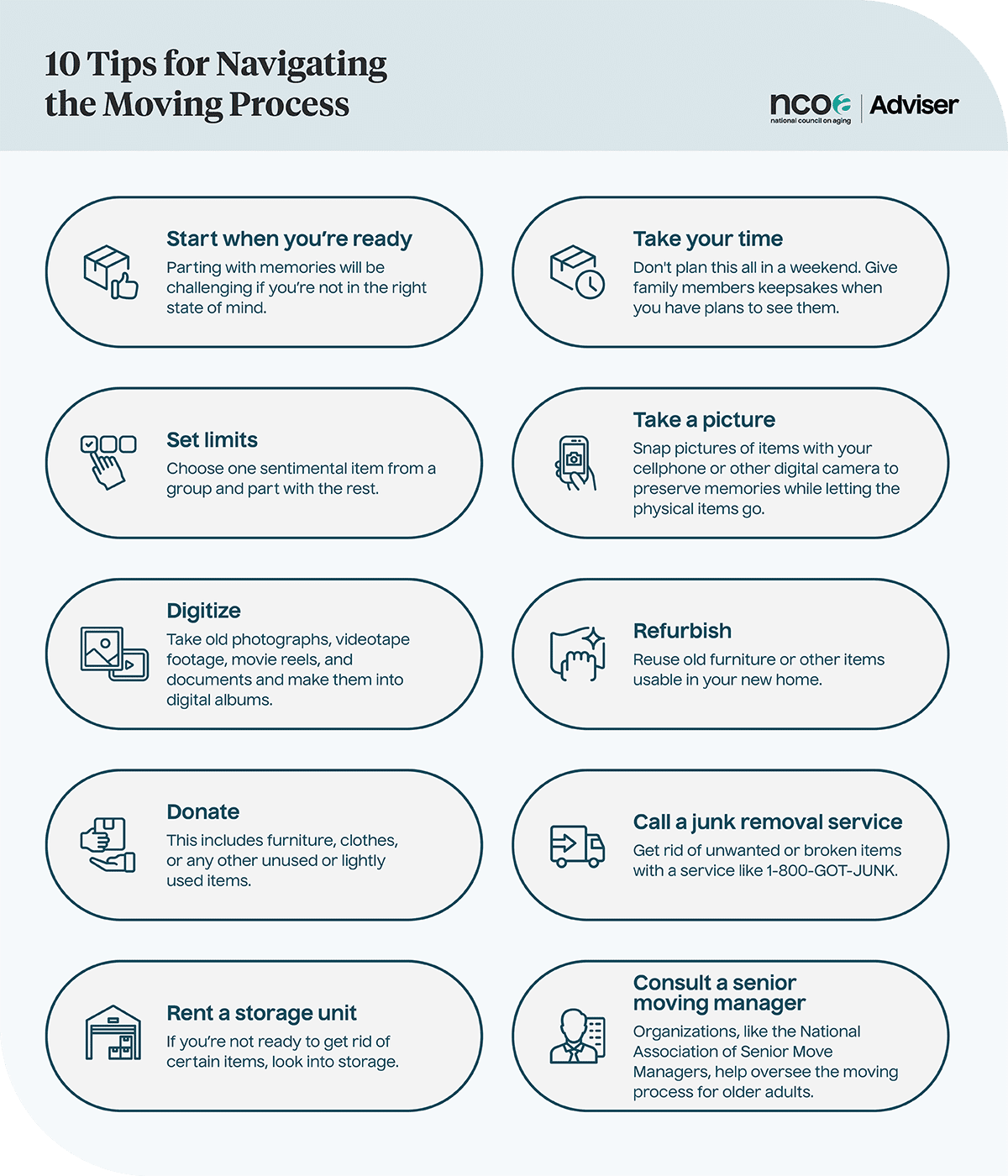
In the article “Navigating Transitions in Later Life: Strategies for Healthy Aging,” you will discover valuable insights and practical tips to help you effectively navigate the various transitions that come with aging. Whether you’re approaching retirement, becoming an empty nester, experiencing changes in your health, or transitioning into a new phase of life, this article aims to provide you with strategies to promote healthy aging and enhance your overall well-being. By embracing these strategies, you can confidently navigate the challenges and opportunities that arise, ensuring a fulfilling and rewarding later life.
Maintaining Physical Health
Regular Exercise
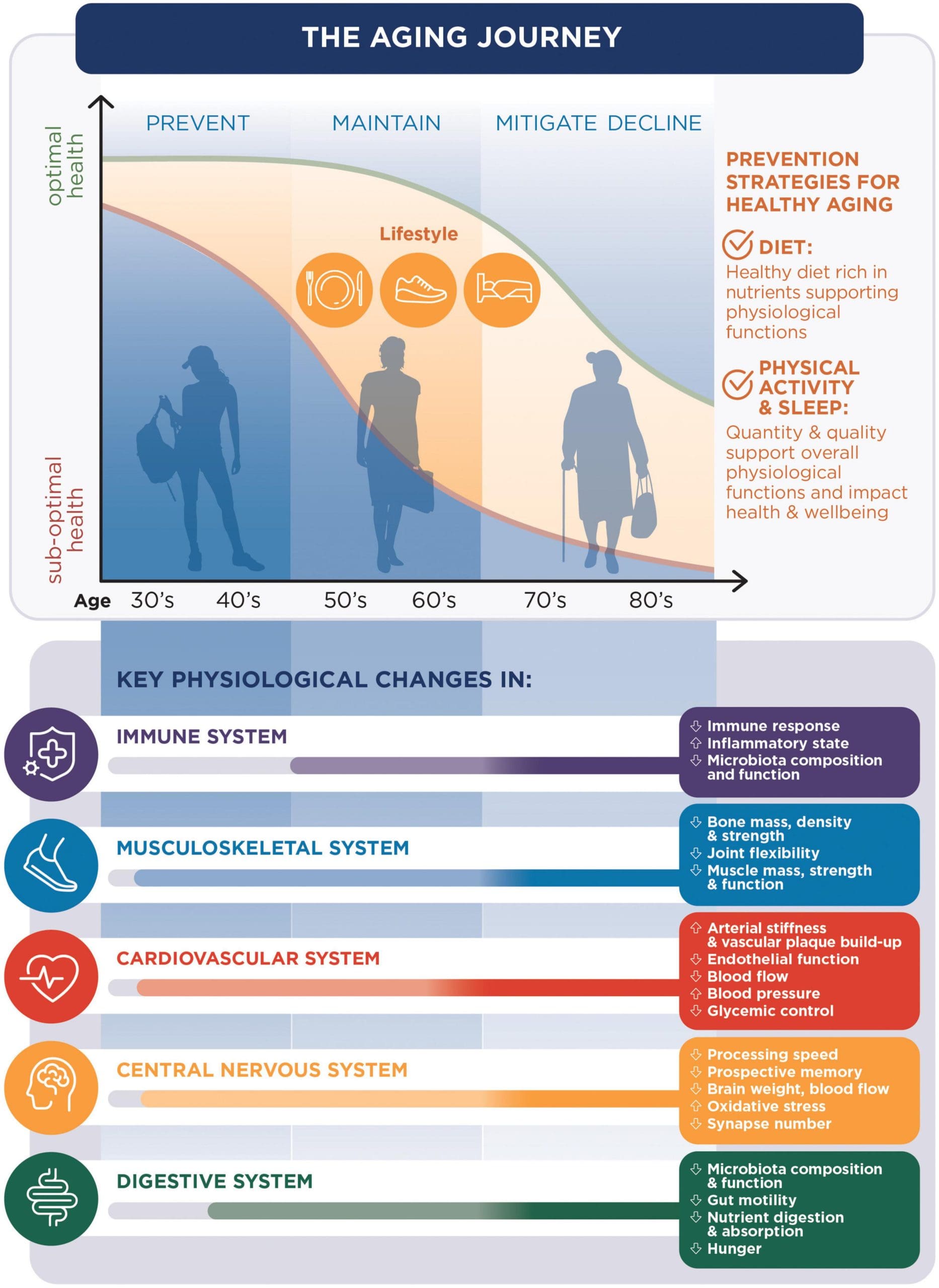
One of the most important strategies for maintaining physical health as you age is to engage in regular exercise. Physical activity helps to keep your muscles strong, maintain flexibility, and improve your cardiovascular health. Aim for at least 150 minutes of moderate-intensity aerobic activity per week, such as brisk walking or cycling, along with strength training exercises two or more days a week. Regular exercise can also help to prevent or manage chronic conditions such as heart disease, diabetes, and arthritis.
Eating a Balanced Diet
Eating a balanced diet is another key aspect of maintaining physical health. As you age, it’s important to pay attention to your nutritional needs and make sure you’re getting the right balance of macronutrients and micronutrients. Include a variety of fruits, vegetables, whole grains, lean proteins, and healthy fats in your diet. Limit your intake of processed foods, sugary drinks, and foods high in saturated and trans fats. Additionally, make sure you stay hydrated by drinking enough water throughout the day.
Getting Regular Check-ups
Regular check-ups with your healthcare provider are crucial for maintaining your physical health. These check-ups allow your doctor to monitor your overall health, identify any potential issues early on, and provide appropriate interventions or treatments. Make sure to schedule regular visits for preventative screenings, vaccinations, and any necessary tests or evaluations. Be proactive in discussing any concerns or symptoms you may have with your healthcare provider.
Managing Chronic Conditions
If you have any chronic conditions, managing them properly is vital for maintaining your physical health. Take your medications as prescribed, follow any dietary or lifestyle recommendations, and attend regular appointments with your healthcare team. It’s essential to stay informed about your condition and work closely with your healthcare provider to develop a comprehensive management plan. By effectively managing your chronic conditions, you can improve your quality of life and reduce the risk of complications.
Maintaining a Healthy Weight
Maintaining a healthy weight is important for overall physical health. Excess weight can increase the risk of various health conditions, including heart disease, diabetes, and joint problems. Focus on achieving and maintaining a weight that is appropriate for your body type and height. This can be achieved through a combination of regular exercise, a balanced diet, portion control, and mindful eating. Consult with a healthcare professional or registered dietitian for personalized guidance on weight management.
Cognitive Stimulation
Engaging in Mental Activities
To keep your mind sharp and maintain cognitive function as you age, it’s important to engage in regular mental activities. This can include activities such as puzzles, crosswords, Sudoku, or brain-teaser games. Stimulating your brain through these activities helps to improve memory, attention, and problem-solving skills. Additionally, engaging in hobbies that require mental stimulation, such as reading, playing a musical instrument, or learning a new language, can also contribute to cognitive health.
Learning New Skills
Continuing to learn new skills throughout your life is a great way to keep your mind active and agile. Whether it’s taking a class at a local community center, attending workshops, or even learning a new craft or hobby on your own, the process of acquiring new knowledge and skills challenges your brain and stimulates neural connections. This can help improve cognitive function, as well as provide a sense of accomplishment and fulfillment.
Reading and Writing
Reading and writing are activities that can have profound benefits for cognitive stimulation. Reading books, newspapers, or articles keeps your mind engaged and promotes mental agility. It exposes you to new ideas, expands your vocabulary, and enhances your overall knowledge. Similarly, writing helps to improve cognitive abilities such as language skills, memory retention, and critical thinking. Consider keeping a journal, writing short stories, or even starting a blog to maintain cognitive function.
Playing Brain Games
Playing brain games specifically designed to challenge your cognitive abilities can be an enjoyable way to maintain mental sharpness. There are numerous brain training apps, online games, and puzzles available that target different cognitive skills such as memory, attention, and problem-solving. These games provide a fun and interactive way to exercise your brain and keep it in top shape.
Socializing and Networking
Social interaction and networking are important for maintaining cognitive health. Engaging in meaningful conversations, participating in group activities, and building relationships with others stimulate the brain and promote mental well-being. Seek opportunities to socialize with friends, join clubs or community groups, and attend social events. Being socially active not only provides cognitive stimulation but also contributes to emotional well-being.
Emotional Well-being
Practicing Mindfulness and Meditation
Practicing mindfulness and meditation can significantly contribute to your emotional well-being as you age. Taking the time to be present in the moment, focus on your breath, and cultivate a state of calmness helps to reduce stress, anxiety, and negative emotions. Regular meditation practice can also improve self-awareness, increase resilience, and enhance emotional regulation. Consider incorporating mindfulness and meditation into your daily routine for a more peaceful and balanced emotional state.
Maintaining Relationships
Maintaining strong and meaningful relationships is essential for emotional well-being in later life. Cultivate and nurture relationships with family members, friends, and community members who provide support, companionship, and a sense of belonging. Regularly connect with loved ones through phone calls, visits, or virtual interactions. Engaging in open and honest communication, expressing your feelings, and actively listening to others can strengthen your relationships and enhance emotional well-being.
Seeking Emotional Support
It’s normal to experience emotional challenges as you navigate through life transitions. Seeking emotional support from trusted individuals, such as friends, family members, or mental health professionals, can be beneficial in promoting emotional well-being. Don’t hesitate to reach out and share your feelings, concerns, or worries with someone who can provide support and understanding. They can offer guidance, perspective, and a listening ear during times of difficulty or uncertainty.
Engaging in Hobbies and Interests
Engaging in hobbies and interests that bring you joy and fulfillment is an excellent way to boost your emotional well-being. Pursue activities that you are passionate about, whether it’s gardening, painting, playing an instrument, or cooking. These activities provide a sense of purpose, satisfaction, and an opportunity for self-expression. Embrace your hobbies and interests wholeheartedly and make time for them regularly to enhance your emotional well-being.
Finding Meaning and Purpose
Finding meaning and purpose in your life is a powerful contributor to emotional well-being. Reflect on what truly matters to you and what brings you a sense of fulfillment. Engage in activities or initiatives that align with your values and contribute to a greater cause or purpose. This can range from volunteering in your community to mentoring others or advocating for a cause that you’re passionate about. By finding meaning and purpose, you can experience a deeper sense of satisfaction and happiness.
Financial Planning
Creating a Retirement Budget
As you approach retirement, creating a retirement budget is crucial for financial planning. Evaluate your expected income from various sources such as pensions, Social Security, and investments, and compare it with your anticipated expenses. Consider factors such as housing, healthcare, transportation, entertainment, and other daily needs. It’s important to have a clear understanding of your expected income and expenses to make informed financial decisions and ensure a stable financial future.
Investing for the Future
Investing for the future is an important component of financial planning in later life. Consult with a financial advisor to develop an investment strategy that aligns with your goals, risk tolerance, and time horizon. Diversify your investments to spread risk across different asset classes, such as stocks, bonds, and real estate. Regularly review and adjust your investment portfolio as needed to ensure it remains in line with your financial objectives.
Understanding Social Security Benefits
Understanding and maximizing your Social Security benefits is crucial for financial security in later life. Familiarize yourself with the eligibility criteria, benefit calculation methods, and options for claiming benefits. Consider factors such as your full retirement age, spousal benefits, and the potential impact of delaying or starting benefits early. Exploring and optimizing your Social Security benefits can help ensure a more stable income during your retirement years.
Estate Planning
Estate planning involves making arrangements for the management and distribution of your assets after your passing. It’s essential to have a comprehensive estate plan in place, including a will, power of attorney, and healthcare directives. Consult with an estate planning attorney to ensure your wishes regarding asset distribution, healthcare decisions, and guardianship are legally documented. Regularly review and update your estate plan as your circumstances or preferences change.
Considering Long-term Care Insurance
Long-term care insurance can provide financial protection in the event you require long-term care services, such as in-home care or nursing home care, in the future. It’s important to consider the potential costs of long-term care and assess whether long-term care insurance is a suitable option for you. With the assistance of an insurance professional, compare policies, coverage options, and costs to make an informed decision about long-term care insurance.

Social Connections
Joining Community Groups
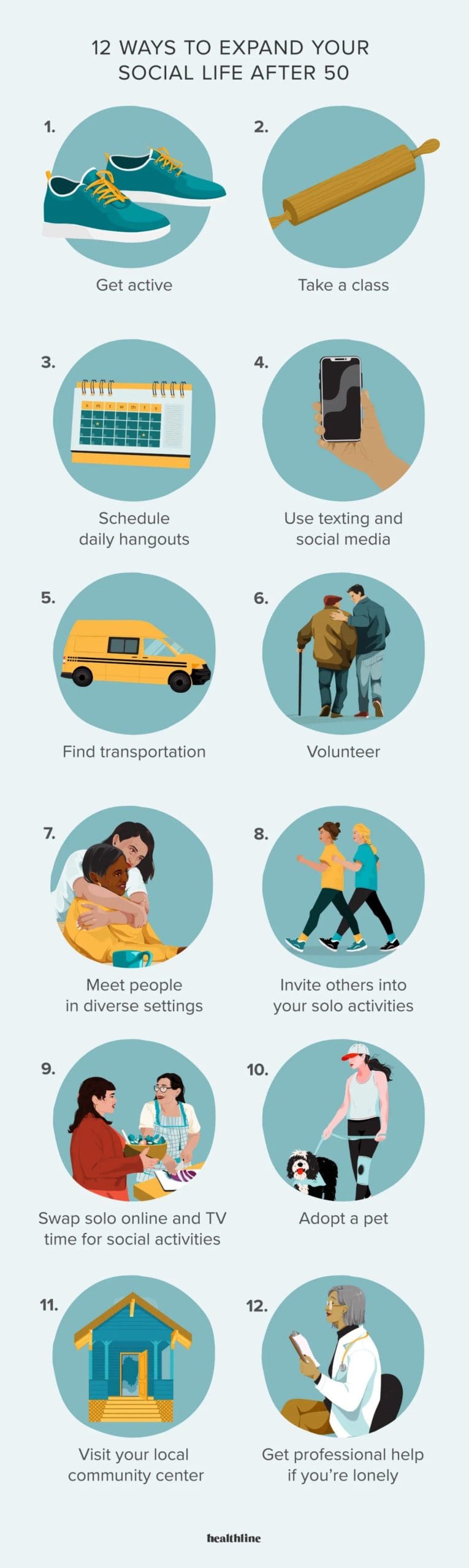
Joining community groups is a great way to establish social connections and foster a sense of belonging. Look for local organizations, clubs, or volunteer groups that align with your interests or hobbies. Engaging in activities and events alongside like-minded individuals can provide opportunities for meaningful social interactions and the development of new friendships.
Participating in Social Activities
Participating in social activities in your area is an excellent way to maintain and strengthen your social connections. Attend community events, cultural gatherings, or local festivals to engage with people from different backgrounds and age groups. Going to social activities with a positive attitude and an open mind can help you build new relationships and broaden your social network.
Volunteering
Volunteering not only benefits the community but also provides a valuable opportunity for social connection. Look for volunteer opportunities in areas that resonate with your interests and values. Whether you choose to volunteer at a local charity organization, hospital, or school, you’ll have the chance to meet and connect with other volunteers who share your passion for making a difference.
Maintaining Relationships
Maintaining existing relationships is just as important as establishing new ones. Stay in touch with family members, friends, and acquaintances through phone calls, emails, or social media. Set aside time for regular catch-ups or visits, even if they have to be virtual. Providing emotional support and being present in the lives of loved ones contributes to the strength of your social connections.
Using Technology for Social Connections
In our digital age, technology offers various avenues for social connection. Use social media platforms, video chat applications, or online forums to connect with friends, family, and communities of interest. Explore online communities or virtual groups that align with your hobbies, interests, or cultural background. Embrace technology as a tool for fostering social connections, particularly when physical distance may pose challenges.
Lifelong Learning
Attending Classes or Workshops
Attending classes or workshops is a wonderful way to continue learning and expanding your horizons. Many community centers, colleges, and organizations offer courses specifically designed for older adults. Explore subjects that intrigue you, whether it’s art, history, technology, or wellness. Not only will you gain new knowledge and skills, but you’ll also have the opportunity to meet others who share your thirst for learning.
Exploring Online Courses
The internet provides a vast array of online courses that can be accessed from the comfort of your own home. Platforms such as Coursera, Udemy, and Khan Academy offer a wide range of courses on diverse topics. Whether you’re interested in psychology, astronomy, or foreign languages, you can find online courses to satisfy your curiosity. Online learning allows you to engage in self-paced education and pursue subjects that align with your specific interests.
Learning a New Language
Learning a new language is an enriching endeavor that keeps your brain engaged and opens doors to new cultures and experiences. Consider enrolling in language classes or using language learning apps like Duolingo or Babbel. Practice speaking with native speakers or join language exchange groups to enhance your language skills. Learning a new language adds depth to your cognitive abilities and broadens your cultural understanding.
Pursuing a Hobby or Interest
Embracing a hobby or interest is a lifelong learning opportunity. Whether it’s painting, gardening, cooking, or woodworking, dedicating time to pursue your passions helps to enhance creativity and foster personal growth. Invest in materials, tools, or equipment necessary for your chosen hobby and set aside regular time to engage in it. Not only will you acquire new knowledge and skills, but you’ll also experience a sense of fulfillment and joy in the process.
Mentoring Others
Sharing your knowledge, skills, and life experiences by mentoring others is a meaningful way to continue learning and contribute to the personal growth of others. Mentoring programs and organizations exist in various fields and communities. Consider becoming a mentor to young individuals, students, or those transitioning to new careers. Mentoring not only provides an opportunity to pass on valuable wisdom but also promotes a sense of fulfillment and purpose.
Adapting to Life Changes
Accepting Change
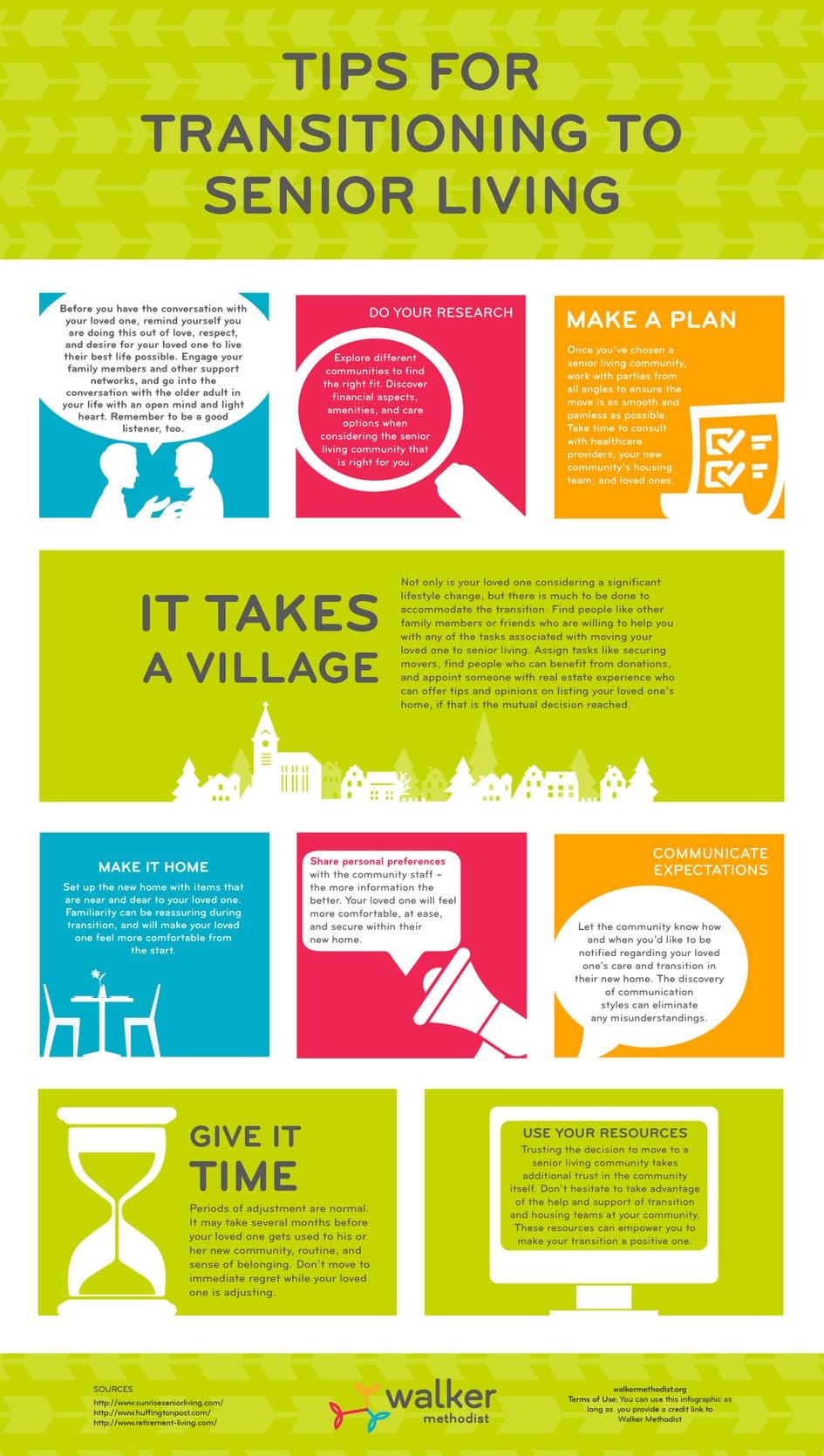
Adapting to life changes requires accepting that change is inevitable and embracing it as an opportunity for growth. Recognize that transitions, whether planned or unexpected, are a natural part of life. Embrace change with an open mind and a positive attitude, allowing yourself to adjust and discover new possibilities that may arise.
Seeking Support and Advice
When faced with significant life changes, seeking support and advice can greatly facilitate the adaptation process. Reach out to trusted friends, family members, or professional counselors who can provide guidance and perspective. Their support can help you navigate through challenges, alleviate stress, and strengthen your resilience.
Focusing on the Positive
Maintaining a positive outlook is vital when adapting to life changes. While change can bring uncertainty and challenges, it also presents new opportunities and pathways. Focus on the positive aspects of your situation, such as newfound freedom, personal growth, or the chance to explore new interests. By shifting your perspective, you can approach life changes with optimism and embrace the potential they hold.
Setting Realistic Expectations
Setting realistic expectations is essential when navigating life transitions. Understand that adjustment takes time and progress may be gradual. Avoid placing unnecessary pressure on yourself to have everything figured out immediately. Be kind to yourself, celebrate small victories, and understand that it’s okay to ask for help along the way.
Taking One Step at a Time
When facing significant life changes, it can be overwhelming to consider all the adjustments that need to be made. Break down the adaptation process into manageable steps and focus on one task or aspect at a time. By taking one step at a time, you can maintain a sense of control and steadily move forward.
Self-Care and Stress Management
Prioritizing Sleep
Getting sufficient quality sleep is crucial for overall well-being. Develop a regular sleep routine and create a comfortable sleep environment that promotes relaxation. Aim for 7-9 hours of sleep per night and establish a nighttime routine that includes winding down activities such as reading or listening to calming music.
Practicing Relaxation Techniques
Practicing relaxation techniques can help manage stress and promote emotional well-being. Explore techniques such as deep breathing exercises, meditation, progressive muscle relaxation, or yoga. Engaging in these activities regularly can help reduce anxiety, lower blood pressure, and improve overall mental health.
Setting Boundaries
Setting boundaries is important for protecting your emotional and physical well-being. Learn to say no when necessary and prioritize self-care. Set limits on the demands you place on yourself and others, and communicate your boundaries clearly and respectfully. By setting boundaries, you can prevent burnout and maintain a healthy balance in your life.
Engaging in Physical Activities
Engaging in regular physical activities is not only beneficial for physical health but also plays a significant role in stress management. Find activities that you enjoy and make time for them regularly. Whether it’s walking, swimming, dancing, or practicing yoga, these physical activities can help reduce stress, improve mood, and increase overall well-being.
Seeking Help for Stress
If stress begins to overwhelm you, don’t hesitate to seek help from professional resources such as therapists or counselors. They can provide guidance, support, and coping strategies to manage stress effectively. Remember that asking for help is a sign of strength, and seeking professional assistance can greatly contribute to your overall well-being.
Maintaining Independence
Home Modifications for Safety
As you age, making appropriate home modifications can help maintain your independence and ensure safety. Consider installing grab bars in bathrooms, improving lighting, removing tripping hazards, and installing handrails on staircases. These modifications can minimize the risk of accidents and provide a safer living environment.
Using Assistive Devices
Assistive devices are tools designed to help you maintain independence and perform daily tasks more easily. Examples include walking aids, canes, hearing aids, or magnifying glasses. Consult with a healthcare professional to determine which devices would be most beneficial for your specific needs.
Accessing Transportation Services
Having access to reliable transportation is crucial for maintaining independence. Investigate local transportation services available for older adults, such as senior shuttles or paratransit services. Some communities offer discounted or free transportation options specifically tailored for seniors.
Managing Medications
Properly managing medications is essential for maintaining independence and overall health. Create a medication management system, such as using pill organizers or smartphone applications, to help you stay organized and ensure you take medications at the correct times. Regularly review your medications with your healthcare provider to prevent any adverse reactions or potential interactions.
Getting Help with Daily Tasks
It’s important to recognize when additional help is needed for daily tasks. If you find certain activities such as household chores, meal preparation, or personal care becoming challenging, consider getting assistance from family members, friends, or professional caregivers. Accepting help when needed can enhance your independence and overall well-being.
Spiritual Well-being
Exploring Beliefs and Values
Exploring your beliefs and values is an integral part of nurturing your spiritual well-being. Reflect on what matters to you, what brings you inner peace, and what gives your life meaning. This process can involve contemplating philosophical or existential questions, seeking spiritual guidance, or engaging in self-reflection practices.
Engaging in Spiritual Practices
Engaging in spiritual practices can foster a sense of connection and inner peace. This can include activities such as prayer, meditation, yoga, or attending religious services. Find practices that resonate with your personal beliefs and incorporate them into your daily routine to cultivate spiritual well-being.
Finding Meaning and Purpose
Finding meaning and purpose is a powerful contributor to spiritual well-being. Reflect on what gives your life a sense of meaning and purpose, whether it’s through relationships, serving others, pursuing creative endeavors, or contributing to your community. By aligning your actions with your values and finding a sense of purpose, you can experience a deeper sense of spiritual well-being.
Connecting with a Community
Establishing connections within a spiritual community can enhance your spiritual well-being. Connecting with like-minded individuals who share similar beliefs and values can provide a sense of belonging, support, and a shared journey of spiritual growth. Engage in community events, religious services, or spiritual study groups to foster these meaningful connections.
Practicing Gratitude
Practicing gratitude is a simple yet powerful way to nurture your spiritual well-being. Take time each day to reflect on and express gratitude for the blessings and positive aspects of your life. This can be done through journaling, creating a gratitude jar, or simply expressing thanks to those around you. Cultivating a sense of gratitude helps to shift your focus to the positive and promotes a more spiritually fulfilling life.
In conclusion, navigating transitions in later life and achieving healthy aging involves a multifaceted approach that addresses physical health, cognitive stimulation, emotional well-being, financial planning, social connections, lifelong learning, adaptation to change, self-care and stress management, maintaining independence, and spiritual well-being. By incorporating these strategies into your life, you can promote overall well-being and enjoy a fulfilling and thriving later life. Remember to consult with healthcare professionals or experts in relevant fields to tailor these strategies to your specific needs and circumstances. Here’s to a vibrant and healthy journey through the later stages of life!