
Welcome to a comprehensive guide on managing high blood pressure. In this article, we will cover everything you need to know about keeping your blood pressure under control to maintain good health. From lifestyle changes to medications, we will explore the various options available to help you manage high blood pressure effectively. So sit back, relax, and let’s dive into the world of blood pressure management together.
What You Need To Know About Managing High Blood Pressure
Have you been diagnosed with high blood pressure, or perhaps you’re looking to learn more about how to manage this common condition? In this article, we will cover everything you need to know about managing high blood pressure, from lifestyle changes to medication options. By taking proactive steps to control your blood pressure, you can reduce your risk of heart disease, stroke, and other serious health complications. Let’s dive in!
Understanding High Blood Pressure
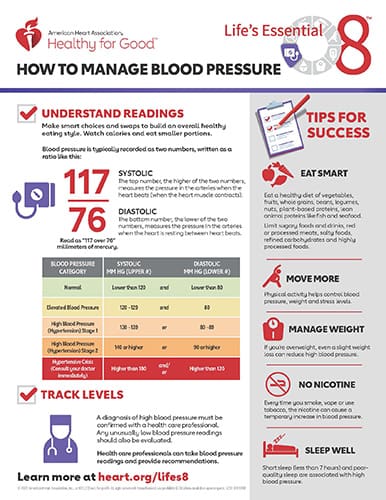
Do you know what high blood pressure actually is? Also known as hypertension, high blood pressure occurs when the force of blood against the walls of your arteries is consistently too high. This can put a strain on your heart and blood vessels, increasing your risk of heart attack, stroke, and other health issues.
Symptoms of High Blood Pressure
Have you experienced any symptoms of high blood pressure? In many cases, hypertension is known as the “silent killer” because it often has no noticeable symptoms. However, in some individuals, high blood pressure can cause headaches, shortness of breath, dizziness, and nosebleeds. It’s important to regularly monitor your blood pressure to catch any issues early.
Diagnosing High Blood Pressure
Do you know how high blood pressure is diagnosed? Blood pressure is typically measured using two numbers: systolic pressure (the top number) and diastolic pressure (the bottom number). A blood pressure reading of 120/80 mmHg is considered normal, while a reading of 140/90 mmHg or higher is considered high. Your doctor may use a blood pressure cuff to measure your blood pressure during a routine check-up.
Lifestyle Changes for Managing High Blood Pressure
Have you made any lifestyle changes to help manage your high blood pressure? Making healthy lifestyle choices is crucial for controlling blood pressure. Some important changes you can make include:
- Eating a heart-healthy diet rich in fruits, vegetables, whole grains, and lean proteins.
- Limiting your sodium intake to no more than 2,300 milligrams per day (or 1,500 milligrams if you have high blood pressure).
- Engaging in regular physical activity, such as walking, swimming, or cycling, for at least 150 minutes per week.
- Maintaining a healthy weight by following a balanced diet and staying active.
- Avoiding tobacco products and limiting alcohol consumption.
Medication Options for High Blood Pressure
Are you considering medication to help lower your blood pressure? In addition to lifestyle changes, your doctor may recommend medication to control your high blood pressure. There are several types of medications available, including:
- Diuretics: These medications help your body eliminate excess sodium and water, reducing the volume of blood flow and lowering blood pressure.
- Beta blockers: These drugs reduce the workload on your heart by slowing down your heart rate and reducing the force of heart contractions.
- ACE inhibitors: These medications relax blood vessels, making it easier for blood to flow and lowering blood pressure.
- Calcium channel blockers: These drugs prevent calcium from entering the cells of your heart and blood vessels, effectively reducing blood pressure.
Monitoring Your Blood Pressure
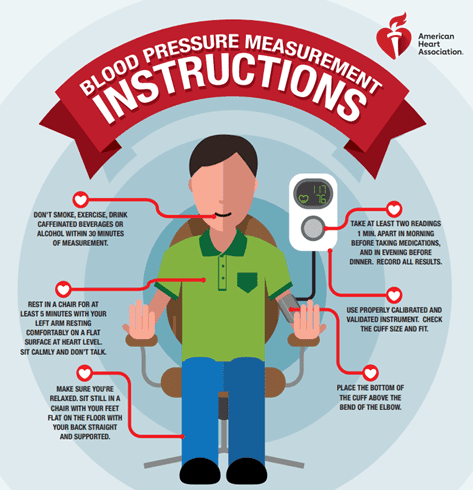
How often do you monitor your blood pressure at home? Regular monitoring is essential for managing high blood pressure. You can purchase a home blood pressure monitor to check your blood pressure at home and keep track of any changes. Be sure to follow your doctor’s recommendations for monitoring and recording your blood pressure readings.
Managing Stress and High Blood Pressure
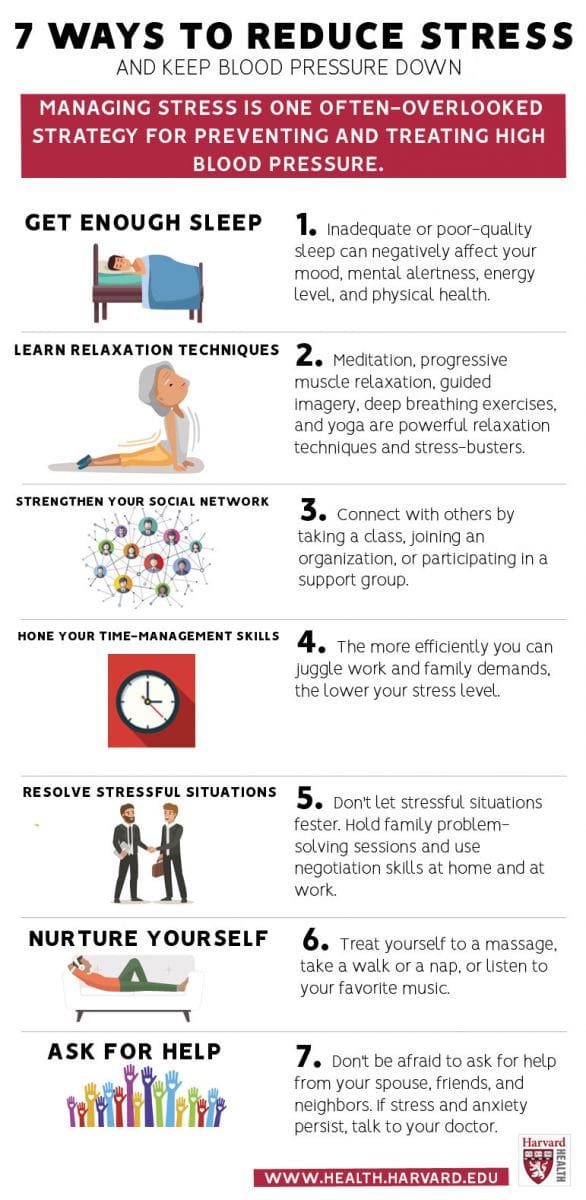
Do you know how stress can affect your blood pressure? Stress has been linked to high blood pressure, so it’s important to find healthy ways to manage stress in your life. Consider activities such as meditation, yoga, deep breathing exercises, or spending time in nature to help reduce stress levels and lower your blood pressure.
Complications of Untreated High Blood Pressure
Are you aware of the potential complications of untreated high blood pressure? If left unmanaged, high blood pressure can lead to serious health issues, including:
- Heart disease: High blood pressure can damage the arteries that supply blood to your heart, increasing your risk of heart attack, heart failure, and other heart-related conditions.
- Stroke: Hypertension can cause blood vessels in the brain to narrow or burst, leading to a stroke.
- Kidney damage: Chronic high blood pressure can damage the blood vessels in your kidneys, affecting their ability to filter waste and fluid from your blood.
- Vision loss: Hypertension can damage the blood vessels in the eyes, increasing your risk of eye diseases and vision problems.
Creating a Blood Pressure Management Plan
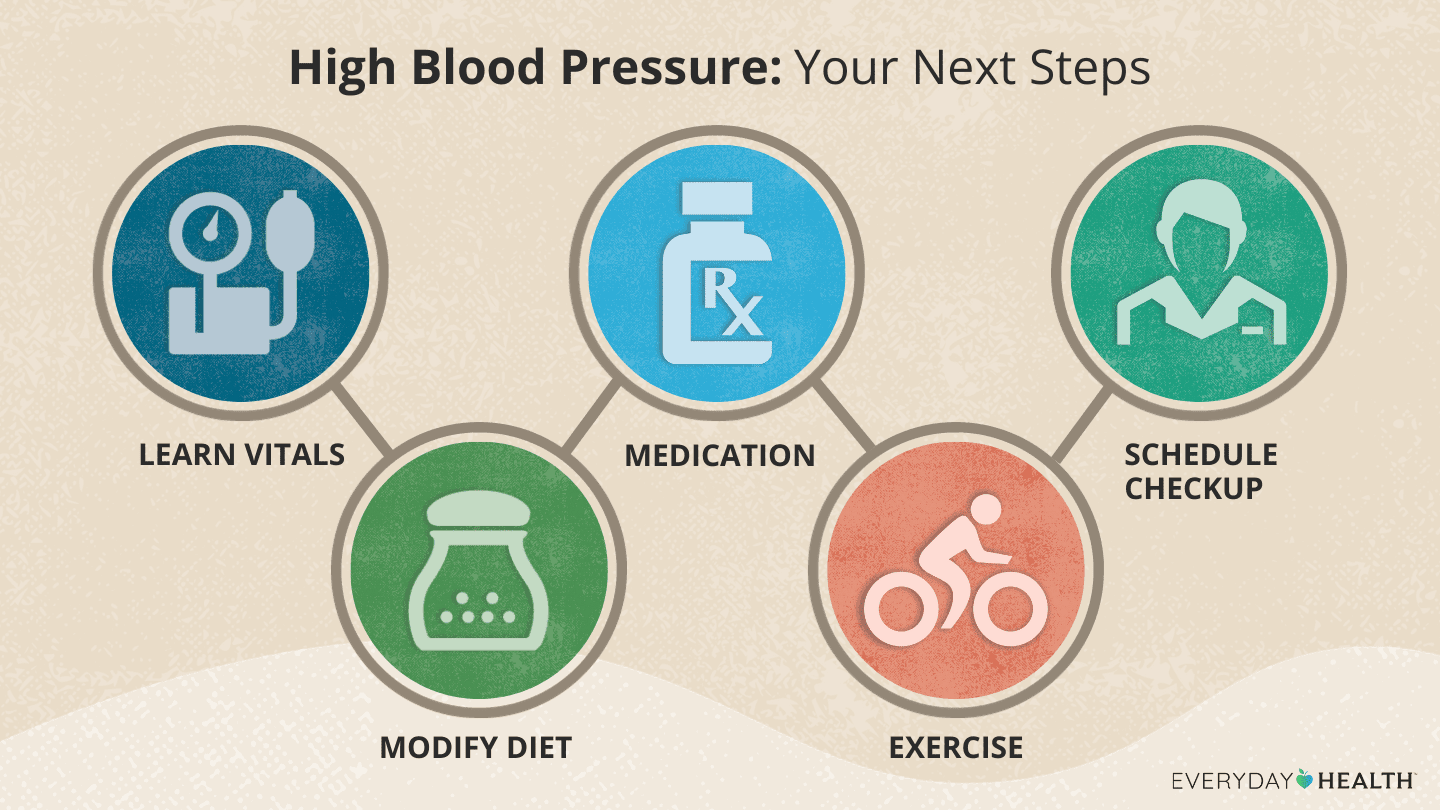
Have you created a personalized blood pressure management plan with your healthcare provider? Working closely with your doctor to develop a plan tailored to your specific needs and health goals is key to effectively managing high blood pressure. Your plan may include a combination of medication, lifestyle changes, regular monitoring, and follow-up appointments.
Resources for Managing High Blood Pressure
Do you know where to turn for support and information about managing high blood pressure? There are many resources available to help you navigate your journey with hypertension, including:
- American Heart Association (AHA): Provides educational materials, resources, and support for individuals managing high blood pressure.
- Centers for Disease Control and Prevention (CDC): Offers guidelines, tools, and resources for preventing and managing high blood pressure.
- Local community health centers: Provide access to healthcare professionals, educational programs, and support groups for individuals with high blood pressure.
Conclusion
By taking proactive steps to manage your high blood pressure, you can protect your heart and overall health from the potential complications of hypertension. Whether you’re making lifestyle changes, exploring medication options, or seeking support from healthcare professionals, remember that you’re not alone in your journey. Stay motivated, stay informed, and stay committed to taking care of your blood pressure for a healthier future.