
Welcome to a guide on “The Most Effective Ways to Burn Calories and Lose Weight.” In this article, you will discover various strategies and activities that can help you achieve your weight loss goals. From high-intensity interval training to strength training and mindful eating, you will learn how to make small changes that can have a big impact on your health and well-being. Say goodbye to crash diets and unrealistic exercise routines, and hello to sustainable habits that will help you shed those extra pounds for good. Let’s embark on this journey together towards a healthier and happier you!
Are you ready to achieve your weight loss goals?
Losing weight is a common goal for many people, but figuring out the most effective ways to burn calories can be overwhelming. With so many different diets, exercise routines, and weight loss supplements out there, it can be hard to know where to start. And with conflicting advice coming from all directions, it’s easy to feel confused and frustrated.
But fear not! In this article, we will break down the most effective ways to burn calories and lose weight in a friendly and easy-to-understand manner. By the end of this article, you will have a clear idea of how to achieve your weight loss goals in a way that is sustainable and healthy for your body. So, are you ready to take the first step towards a healthier you?
Understanding the Basics of Weight Loss
Before we dive into the most effective ways to burn calories and lose weight, it’s important to understand the basics of weight loss. At its core, weight loss is a simple equation: you need to burn more calories than you consume. This means that you need to create a calorie deficit through a combination of diet and exercise in order to lose weight.
However, not all calories are created equal. The types of food you eat can have a big impact on your weight loss efforts. For example, a calorie from a donut is not the same as a calorie from a salad. Foods that are high in sugar and unhealthy fats can sabotage your weight loss goals, while whole foods that are rich in nutrients can help you achieve your goals more effectively.
The Role of Exercise in Weight Loss
When it comes to burning calories and losing weight, exercise is an essential component of any weight loss plan. Not only does exercise help you burn calories, but it also has a host of other benefits, including improved cardiovascular health, increased muscle tone, and a boost to your metabolism.
There are many different types of exercise that you can incorporate into your weight loss routine, including cardiovascular exercises like running, swimming, and cycling, as well as strength training exercises like weight lifting and bodyweight exercises. Finding a combination of exercises that you enjoy and that challenge your body is key to staying motivated and seeing results.

The Most Effective Ways to Burn Calories
Now that you understand the basics of weight loss and the role of exercise, let’s dive into the most effective ways to burn calories and lose weight.
High-Intensity Interval Training (HIIT)
If you’re looking for a quick and efficient way to burn calories, look no further than high-intensity interval training (HIIT). HIIT workouts involve short bursts of intense exercise followed by periods of rest or lower intensity exercise. This type of workout is incredibly effective at burning calories and can help you see results in a short amount of time.
One of the major benefits of HIIT is the “afterburn” effect, also known as excess post-exercise oxygen consumption (EPOC). This means that your body continues to burn calories at an elevated rate even after you’ve finished your workout. This makes HIIT a time-efficient way to burn calories and boost your metabolism.
Running
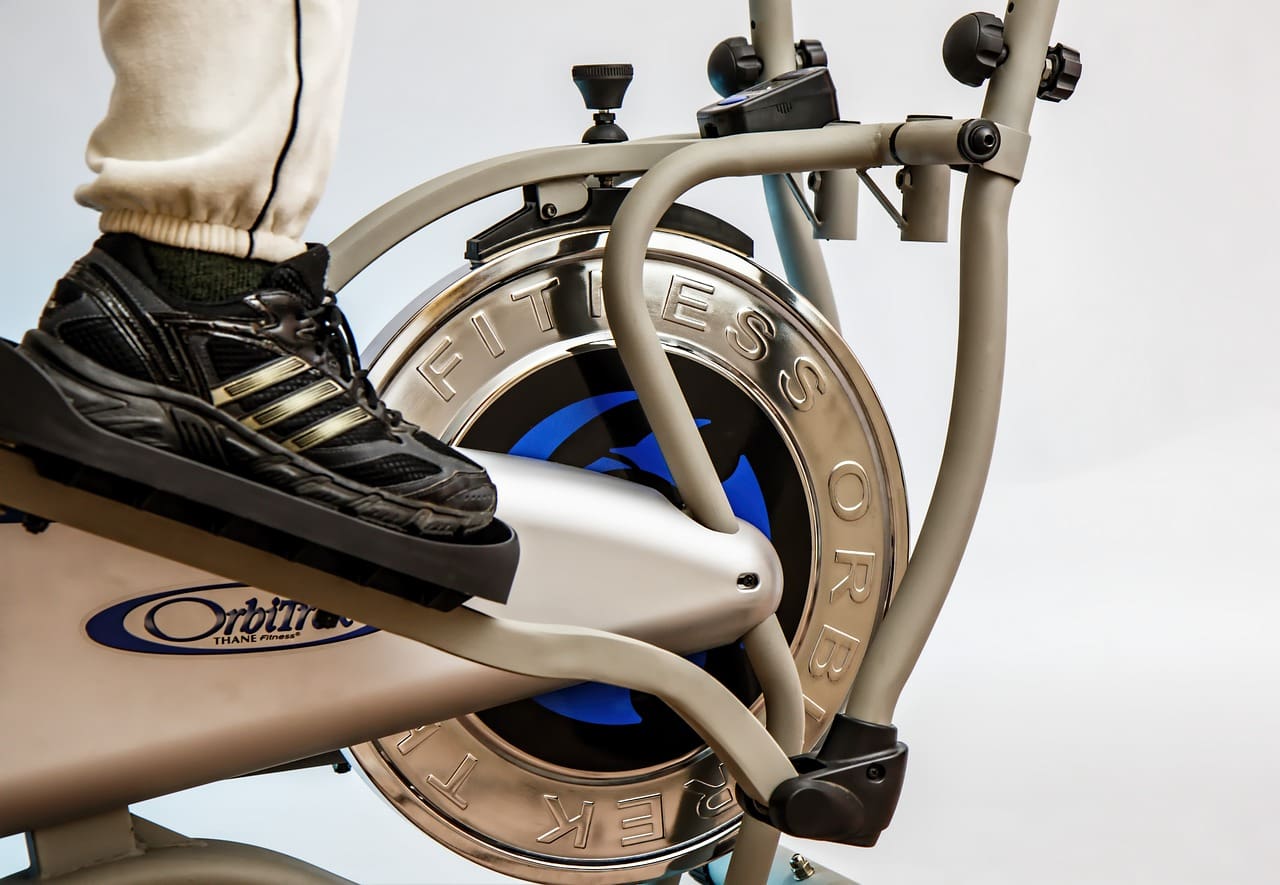
Running is a classic form of cardiovascular exercise that is great for burning calories and improving your overall health. Whether you prefer to run outdoors or on a treadmill, running can help you torch calories and shed excess weight. Plus, running is accessible to people of all fitness levels, making it a versatile exercise option.
To get the most out of your runs, mix up your routine with different types of running workouts, such as interval training, tempo runs, and long runs. By challenging yourself with varied workouts, you can prevent plateaus and keep your body guessing.
Strength Training
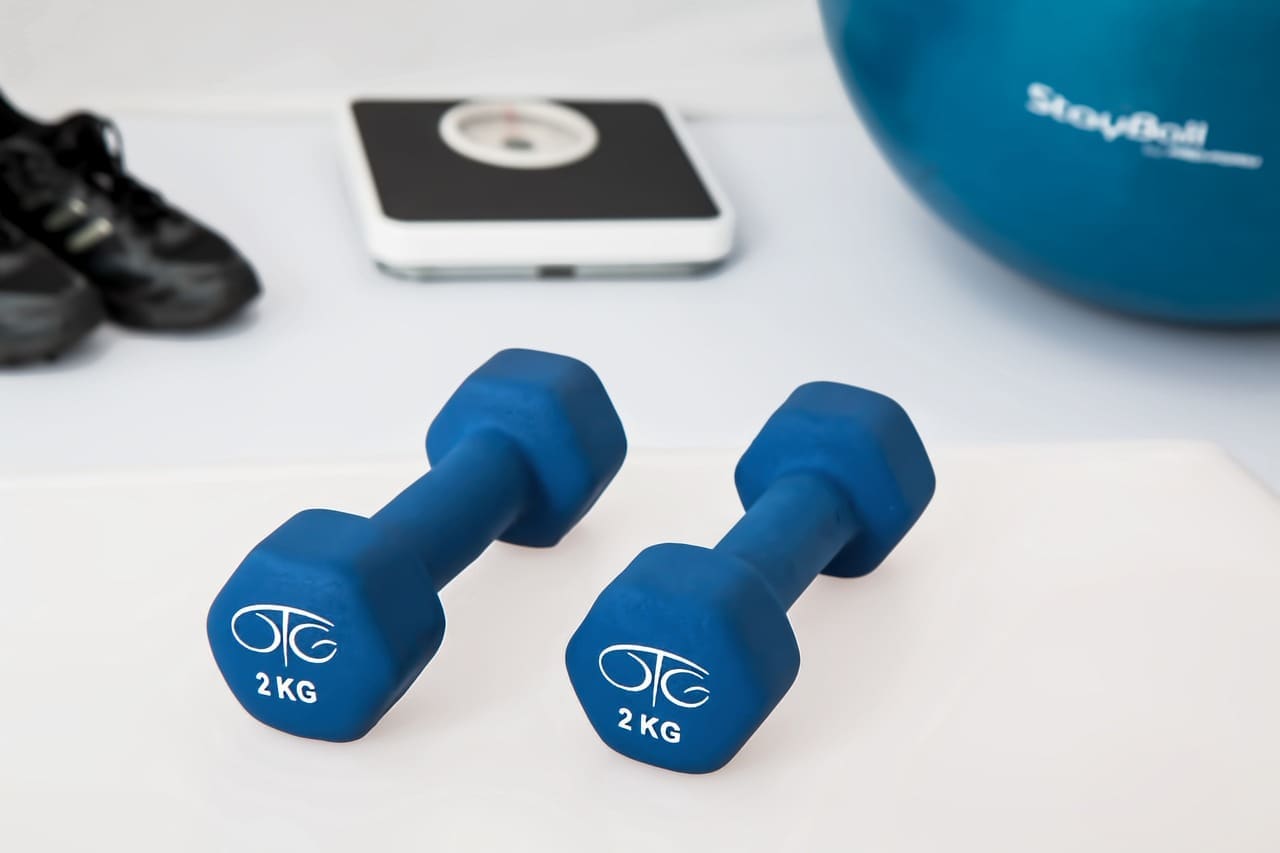
While cardiovascular exercise is important for burning calories and improving your cardiovascular health, strength training is equally important for building muscle and boosting your metabolism. Muscle tissue burns more calories at rest than fat tissue, so building muscle can help you burn more calories throughout the day, even when you’re not working out.
Incorporating strength training exercises like squats, deadlifts, and push-ups into your routine can help you build lean muscle mass and improve your overall body composition. Plus, strength training can help prevent injuries and improve your balance and coordination.
Swimming
Swimming is a full-body workout that can help you burn a significant amount of calories while being gentle on your joints. Whether you’re doing laps in a pool or swimming in open water, swimming can help you build strength, improve your cardiovascular fitness, and burn calories.
One of the key benefits of swimming is that it is a low-impact exercise, meaning that it is easy on your joints and bones. This makes swimming a great option for people who have joint pain or other physical limitations that make high-impact exercises challenging.
Creating a Calorie Deficit Through Diet
In addition to exercise, creating a calorie deficit through diet is essential for weight loss. While exercise can help you burn calories, it’s easy to undo all of your hard work by overeating or choosing unhealthy foods. By focusing on nutrient-dense foods that are low in calories but high in vitamins, minerals, and fiber, you can fuel your body while also supporting your weight loss goals.
Counting Calories
One way to create a calorie deficit through diet is by counting calories. By tracking the number of calories you consume each day and comparing it to the number of calories you burn through exercise, you can ensure that you are eating the right amount of food to support your weight loss goals.
There are many apps and websites that can help you track your calories, as well as calculators that can help you determine how many calories you should be eating each day to lose weight. Remember that not all calories are created equal, so focus on eating whole foods that are nutrient-dense and filling.
Portion Control
Another effective way to create a calorie deficit through diet is by practicing portion control. Many people underestimate the amount of food they eat each day, which can sabotage their weight loss efforts. By measuring your portions and being mindful of your serving sizes, you can control your calorie intake and prevent overeating.
One simple way to practice portion control is by using smaller plates and bowls, which can help trick your brain into thinking that you are eating more food than you actually are. Additionally, paying attention to hunger cues and eating slowly can help you avoid mindless eating and better regulate your appetite.
Balanced Meals
In addition to counting calories and practicing portion control, focusing on balanced meals can help you support your weight loss goals while also fulfilling your nutritional needs. A balanced meal should include a combination of lean protein, healthy fats, complex carbohydrates, and fiber-rich vegetables.
Protein is essential for building and repairing muscle tissue, healthy fats are important for brain health and hormone production, carbohydrates provide energy for your body, and fiber helps regulate your digestion and keep you feeling full. By including all of these components in each meal, you can create satisfying and nutritious meals that support your weight loss goals.
Finding What Works for You
At the end of the day, the most effective way to burn calories and lose weight is by finding a routine that works for you and that you enjoy. Whether you prefer running, swimming, strength training, or a combination of different exercises, the key is to find activities that challenge you and keep you motivated.
Additionally, it’s important to listen to your body and give yourself permission to rest when you need it. Pushing yourself too hard or following a strict diet can lead to burnout and frustration, so be kind to yourself and focus on making sustainable changes that you can maintain in the long run.
Remember that weight loss is a journey, not a destination. By focusing on creating healthy habits and being consistent in your efforts, you can achieve your weight loss goals and improve your overall health and well-being. So, are you ready to take the first step towards a healthier you? The most effective ways to burn calories and lose weight are within your reach – all you have to do is take that first step.