
In the ever-changing world of women’s health, one thing remains constant: the influence of hormonal changes on our well-being. From puberty to menopause and everything in between, our bodies undergo a complex dance of hormones that can affect our physical and emotional health. But fear not, for this article is here to guide you on your journey towards finding balance amidst these hormone fluctuations. Whether you’re a young woman discovering your body’s changes or a seasoned individual navigating the challenges of menopause, we’ll explore practical tips and strategies to help you maintain optimal health throughout every stage of your hormonal journey. So, sit back, relax, and let’s embark on this empowering ride together.

Understanding hormonal changes in women
Hormones play a crucial role in women’s health, influencing various aspects of their well-being. From regulating the menstrual cycle to affecting overall mood and mental health, hormones are intricate and powerful chemicals that can have a significant impact on a woman’s daily life. Understanding these hormonal changes is key to maintaining hormonal balance and promoting optimal health.
Hormones and their role in women’s health
Hormones are chemical messengers that are produced by various glands in the body, including the ovaries, adrenal glands, and the pituitary gland in the brain. In women, hormones have diverse functions, ranging from regulating the menstrual cycle and pregnancy to influencing bone health and emotional well-being. Estrogen and progesterone are the primary female reproductive hormones, whereas other hormones like cortisol, thyroid hormones, and insulin also play essential roles in women’s health.
The menstrual cycle and hormone fluctuations
One of the most noticeable hormonal changes in women occurs during the menstrual cycle. This recurring process typically lasts around 28 days and involves a carefully orchestrated interplay of hormones. The menstrual cycle begins with the release of follicle-stimulating hormone (FSH), which stimulates the growth of follicles in the ovaries. As these follicles develop, they produce estrogen, which triggers the release of luteinizing hormone (LH), leading to ovulation.
If fertilization does not occur, estrogen and progesterone levels drop, resulting in the shedding of the uterine lining and the start of a new menstrual cycle. Throughout this cycle, hormonal fluctuations can cause various physical and emotional symptoms, such as breast tenderness, bloating, mood swings, and irritability. These fluctuations are a normal part of a woman’s reproductive years but can sometimes lead to hormonal imbalances.
Common hormonal imbalances in women
Hormonal imbalances can occur due to various factors, including certain medical conditions, lifestyle choices, and age-related changes. Common hormonal imbalances in women include polycystic ovary syndrome (PCOS), hypothyroidism, and menopause-related changes. Symptoms of hormonal imbalances can vary greatly but often include irregular periods, mood disturbances, weight gain, and changes in libido.
It is essential to be aware of these imbalances and seek appropriate medical advice if persistent symptoms arise. Fortunately, there are steps you can take to maintain hormonal balance in your life and promote overall well-being.
The impact of hormonal changes on mental health
Hormonal changes in women can have a profound impact on mental health, with fluctuations in hormones often affecting mood and emotional well-being. Understanding the connection between hormones and mood disorders, as well as the specific hormonal shifts that occur during periods like postpartum and premenstrual phases, is key to managing mental health in the presence of hormonal changes.
The connection between hormones and mood disorders
Hormones play a significant role in regulating mood, and imbalances can contribute to the development of mood disorders such as depression and anxiety. Estrogen, in particular, has been shown to have mood-stabilizing effects, with fluctuations in estrogen levels often affecting mood in women. During certain periods, such as menstruation and menopause, hormonal changes can disrupt the delicate balance of neurotransmitters in the brain, leading to mood swings, irritability, and increased vulnerability to mental health conditions.
By understanding the hormonal influences on mental health, women can better recognize and manage these fluctuations, seeking appropriate support and interventions when necessary.
Postpartum depression and hormonal shifts
After giving birth, many women experience postpartum depression, a mood disorder that affects not only their emotional well-being but also their ability to care for their newborns. The hormonal shifts that occur during pregnancy and after childbirth, including a drastic drop in estrogen and progesterone levels, can contribute to these feelings of sadness, anxiety, and fatigue.
Recognizing the signs of postpartum depression and seeking professional help is of utmost importance to ensure the well-being of both the mother and the child. Treatment options may include counseling, support groups, and sometimes medication, all aimed at helping women navigate this challenging period and restore hormonal balance.
Premenstrual syndrome (PMS) and emotional well-being
Many women experience premenstrual syndrome (PMS) in the days leading up to their period. This condition is characterized by a range of physical and emotional symptoms, including mood swings, irritability, and feelings of sadness or anxiety. These symptoms are believed to be triggered by hormonal fluctuations, particularly changes in estrogen and progesterone ratios.
Engaging in self-care practices and implementing lifestyle changes can help mitigate the impact of PMS on emotional well-being. Regular exercise, stress management techniques, and a balanced diet can all contribute to hormonal balance, reducing the intensity and duration of PMS symptoms.
Maintaining hormonal balance through nutrition
Proper nutrition plays a vital role in maintaining hormonal balance in women. Certain nutrients are crucial for hormone regulation and can help support the functioning of various glands involved in hormone production. By incorporating specific foods into a balanced hormone diet, women can optimize their hormonal health and promote overall well-being.
Essential nutrients for hormone regulation
Several key nutrients are essential for maintaining hormonal balance in women. These include omega-3 fatty acids, which are found in fatty fish like salmon and sardines, and are known for their anti-inflammatory properties. Omega-3 fatty acids can help regulate hormone production and reduce the risk of hormone-related conditions like PCOS.
Magnesium is another important nutrient for hormone regulation, as it plays a role in many enzymatic reactions involved in hormone synthesis and metabolism. Good dietary sources of magnesium include leafy green vegetables, nuts, and seeds. Additionally, adequate intake of vitamins B6, C, and D, as well as minerals like zinc and selenium, is crucial for supporting hormonal health.
Foods to include in a balanced hormone diet
To promote hormonal balance, it is recommended to include a variety of hormone-supportive foods in your diet. Foods rich in fiber, such as fruits, vegetables, and whole grains, can aid in estrogen metabolism and promote regular bowel movements, which helps eliminate excess hormones from the body.
Including lean proteins like poultry, fish, and legumes in your meals can provide essential amino acids required for hormone synthesis. Healthy fats, such as those found in avocados, olive oil, and nuts, are also beneficial for hormone production and overall health.
Furthermore, fermented foods like yogurt and sauerkraut contain probiotics that can support gut health and improve hormone balance. Incorporating these foods into your diet can help maintain hormonal equilibrium and support your overall well-being.
The role of vitamins and minerals in hormonal health
Vitamins and minerals play a crucial role in hormonal health, working synergistically with other nutrients to support optimal hormone function. Vitamin B6, for example, is involved in the synthesis of neurotransmitters like serotonin, which plays a crucial role in mood regulation. A deficiency in vitamin B6 can lead to imbalances in mood-regulating hormones like serotonin, thereby contributing to mood disorders.
Vitamin D is another important nutrient for hormonal health, as it regulates the production of certain hormones, including estrogen and progesterone. Spending time outdoors and incorporating vitamin D-rich foods like fatty fish, eggs, and fortified dairy products into your diet can help maintain adequate vitamin D levels.
Similarly, several minerals, including zinc, selenium, and magnesium, are essential for hormone production, metabolism, and overall health. By ensuring proper intake of these vitamins and minerals through a balanced diet, women can support their hormonal balance and promote optimal well-being.
Exercising for hormonal balance
Physical activity is not only crucial for overall health and well-being but also plays an essential role in maintaining hormonal balance. Engaging in regular exercise can help regulate hormone levels, improve mood, and support overall hormonal health. By incorporating specific exercises into your routine and finding the right balance between intensity and hormones, you can optimize the benefits of exercise for hormonal balance.
The impact of physical activity on hormone levels
Regular physical activity has been shown to have a positive impact on hormone levels in women. Exercise can stimulate the release of endorphins, which are natural mood-boosting hormones that can help reduce stress and improve emotional well-being. Additionally, exercise can enhance insulin sensitivity, aiding in blood sugar regulation and preventing insulin resistance.
Various types of exercise, including aerobic activities like running, cycling, and swimming, as well as strength training exercises, can positively affect hormone levels. By understanding how different exercises influence hormones, women can tailor their exercise routine to support hormonal balance and overall health.
Recommended exercises for hormonal regulation
To support hormonal regulation, it is recommended to engage in a combination of aerobic and strength training exercises. Aerobic exercises help improve cardiovascular health and promote the release of endorphins, aiding in mood stabilization and stress reduction. Engaging in activities like brisk walking, jogging, or dancing for at least 30 minutes a day can have a positive impact on hormone levels.
Strength training exercises, on the other hand, help build muscle and increase metabolism, which can support hormone regulation. Compound exercises that target multiple muscle groups, such as squats, lunges, and push-ups, are particularly effective for promoting hormonal balance. It is important to start with light weights and gradually increase intensity to avoid excessive stress on the body.
Finding the right balance between intensity and hormones is crucial. Overexercising and extreme diets can lead to disrupted hormonal balance and even menstrual irregularities. It is recommended to listen to your body, prioritize rest days, and seek guidance from a fitness professional to ensure a safe and effective exercise routine.
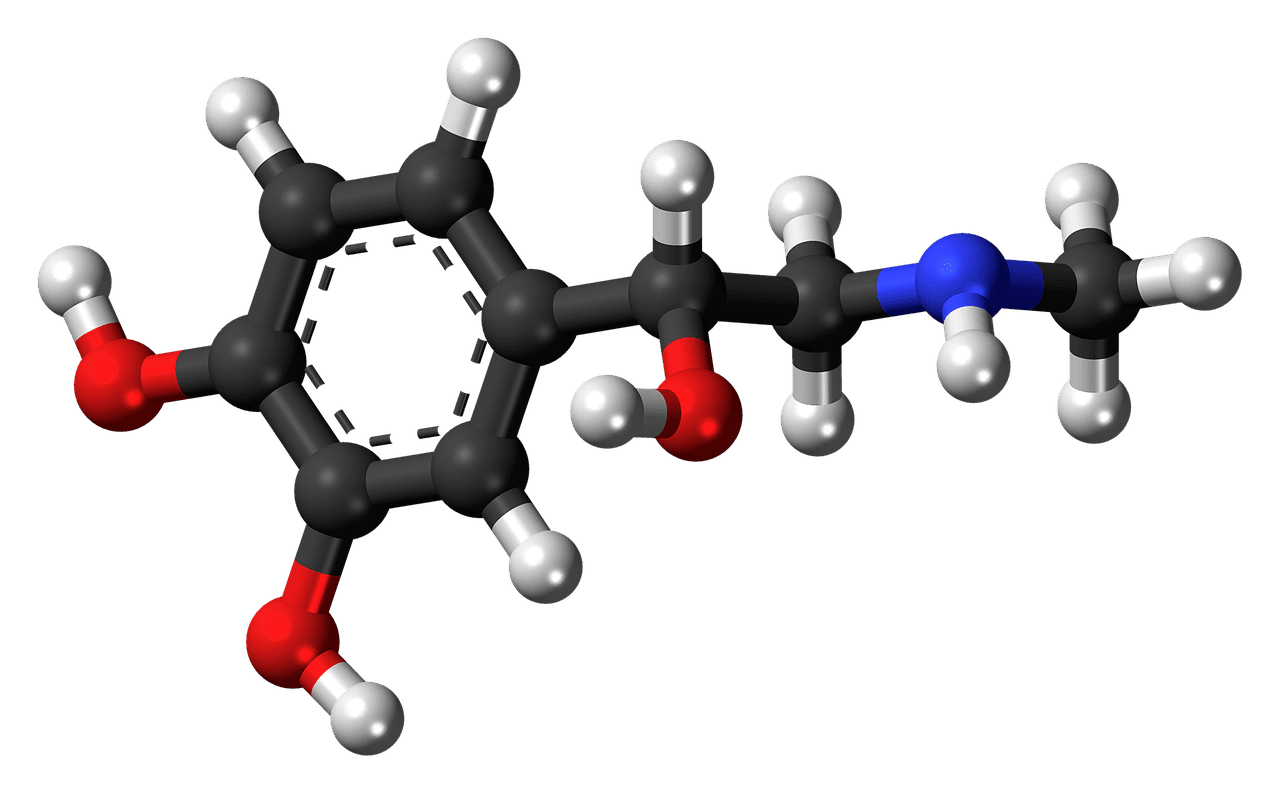
Stress management techniques for hormonal harmony
Stress has a significant impact on hormonal health, and chronic stress can disrupt hormone production, leading to imbalances and various health issues. Implementing effective stress management techniques is key to promoting hormonal harmony and overall well-being.
The effects of prolonged stress on hormone production
When faced with stress, the body releases cortisol, commonly known as the stress hormone. While cortisol is essential for the body’s fight-or-flight response, prolonged exposure to stress can lead to chronically elevated cortisol levels. This can disrupt the delicate balance of other hormones in the body, affecting menstrual cycles, sleep patterns, and mood.
In addition to cortisol, chronic stress can also impact the production and regulation of other hormones, such as estrogen, progesterone, and thyroid hormones. This hormonal disruption can contribute to a range of symptoms and health conditions, including irregular periods, infertility, fatigue, and mood disorders.
Relaxation techniques to reduce cortisol levels
Implementing relaxation techniques can help reduce cortisol levels and promote hormonal harmony. Practices such as deep breathing exercises, meditation, and mindfulness can activate the body’s relaxation response, lowering stress levels and mitigating the impact of chronic stress on hormone production.
Deep breathing exercises involve taking slow, deep breaths and focusing on the sensation of each breath. This simple yet effective technique can help reduce cortisol levels, increase oxygen intake, and promote a sense of calm.
Meditation is another powerful tool for stress management and hormone regulation. Taking a few minutes each day to sit in a quiet space, focus on your breath or repeating a calming word or phrase can help quiet the mind and reduce stress levels. Regular meditation practice has been shown to promote hormonal balance, decrease anxiety, and improve overall well-being.
Yoga combines physical movement, deep breathing, and mindfulness, making it an excellent practice for stress reduction and hormonal harmony. Certain yoga poses and sequences specifically target hormone-regulating glands, stimulating hormone production and helping restore hormonal balance.
Incorporating these relaxation techniques into your daily routine can go a long way in managing stress, reducing cortisol levels, and promoting hormonal harmony.
Hormonal treatment options for women
In some cases, hormonal imbalances may require medical intervention to restore balance and alleviate symptoms. Hormone replacement therapy (HRT), birth control methods, and natural remedies are potential treatment options that women can consider in consultation with healthcare providers.
Hormone replacement therapy (HRT)
Hormone replacement therapy (HRT) involves the use of medications containing hormones that are similar to the ones produced naturally by the body. HRT can be used to supplement hormone levels in menopausal women, helping alleviate symptoms like hot flashes, vaginal dryness, and mood swings.
HRT comes in different forms, including pills, patches, gels, and creams, and can be tailored to an individual’s needs. It is essential to consult with a healthcare provider to determine the most appropriate type and dosage of HRT for each woman’s specific situation and health history.
Birth control methods and their impact on hormones
Birth control methods, such as oral contraceptive pills, patches, injections, or intrauterine devices (IUDs), can also impact hormone levels in women. These methods work by regulating hormone levels to prevent pregnancy. Oral contraceptive pills, for example, typically contain estrogen and progestin, which inhibit ovulation and create hormonal balance for contraception.
Women considering birth control methods should consult with their healthcare provider to determine the most suitable option based on their individual needs and health considerations. It is essential to discuss any potential side effects or risks associated with specific birth control methods.
Natural remedies for hormonal imbalances
For women seeking more natural alternatives, there are several natural remedies that may help restore hormonal balance. These include herbal supplements, acupuncture, and lifestyle modifications.
Certain herbal supplements, such as chasteberry, black cohosh, and maca root, have been used traditionally to support hormonal health and regulate menstrual cycles. However, it is essential to approach these remedies with caution and consult with a healthcare provider before starting any new supplements, as they may interact with other medications or have adverse effects.
Acupuncture, an ancient Chinese healing practice, involves the insertion of fine needles into specific points on the body to promote balance and restore the flow of energy. Many women have reported positive effects on hormonal imbalances and symptoms such as hot flashes, mood swings, and menstrual irregularities.
Implementing lifestyle modifications, such as managing stress, getting regular exercise, and maintaining a balanced diet, can also contribute to hormonal balance. These natural remedies, along with professional guidance, can be effective in supporting hormonal health without the use of medications.

Hormonal changes during different stages of life
Women experience significant hormonal changes during various stages of life, from puberty to menopause. Understanding these changes and their effects is essential for women to navigate these transitions and promote optimal hormonal health.
Puberty and its impact on a girl’s hormone levels
Puberty marks the transition from childhood to adulthood, signaling the onset of reproductive capabilities. During this phase, girls experience significant hormonal changes, with the hypothalamus, pituitary gland, and ovaries working together to initiate the menstrual cycle and reproductive function.
The surge of hormones that occurs during puberty triggers physical changes, such as breast development, the growth of pubic and underarm hair, and the onset of menstruation. These hormonal changes can also have emotional and psychological effects, as teenagers navigate the challenges of adolescent development.
Hormonal fluctuations during the menstrual years
The menstrual years encompass a woman’s reproductive life, from the onset of menstruation in adolescence to menopause. Throughout this period, hormone levels fluctuate throughout the menstrual cycle, resulting in varying symptoms and experiences.
During the reproductive years, the menstrual cycle typically lasts around 28 days and involves the carefully coordinated release of hormones to regulate ovulation, prepare the uterus for potential pregnancy, and shed the uterine lining if fertilization does not occur. These hormonal fluctuations can cause physical and emotional symptoms, including breast tenderness, bloating, mood swings, and fatigue.
Understanding the patterns and changes of hormones during the menstrual years can help women navigate this phase with greater ease and seek appropriate support when needed.
The menopausal transition and its hormonal effects
Menopause marks the end of a woman’s reproductive years and is triggered by the natural decline in hormone production, primarily estrogen, by the ovaries. This transition typically occurs between the ages of 45 and 55 and is characterized by the cessation of menstruation.
The hormonal changes that occur during menopause can result in a range of physical and emotional symptoms, including hot flashes, night sweats, mood swings, and vaginal dryness. These symptoms are commonly associated with decreased estrogen levels but can also be influenced by other hormonal fluctuations.
Understanding the menopausal transition and its hormonal effects can help women manage the symptoms and seek appropriate medical support if needed. Lifestyle modifications, hormone replacement therapy, and alternative treatments may all be considered to alleviate symptoms and promote hormonal balance during this phase.
The role of sleep in hormonal regulation
Getting adequate and quality sleep is crucial for maintaining hormonal regulation in women. Sleep plays a vital role in hormone production, metabolism, and overall well-being. Understanding the connection between hormone production and sleep, implementing tips for improving sleep quality, and recognizing the impact of sleep disorders on hormonal health are essential for promoting hormonal balance.
The connection between hormone production and sleep
Sleep and hormone regulation share a bidirectional relationship. Hormones, particularly cortisol, melatonin, and growth hormone, are involved in the regulation of sleep-wake cycles, while the quality and duration of sleep can impact hormone production and release.
During sleep, the body secretes growth hormone, which plays a role in tissue repair, muscle growth, and overall metabolism. Adequate sleep supports the secretion of growth hormone, helping maintain optimal hormonal balance.
Melatonin, often referred to as the sleep hormone, is responsible for regulating the sleep-wake cycle and promoting restful sleep. Exposure to natural light and a consistent sleep schedule can help regulate the secretion of melatonin, assisting in the maintenance of a healthy sleep routine.
Cortisol, the stress hormone, follows a diurnal pattern, with levels peaking in the morning and decreasing throughout the day. Adequate sleep contributes to cortisol regulation, allowing for its proper functioning and affecting other hormonal processes, including metabolism, immune function, and stress response.
Tips for improving sleep quality and hormonal balance
To promote hormonal balance through quality sleep, several strategies can be implemented:
-
Establish a consistent sleep routine: Going to bed and waking up at the same time each day helps regulate the body’s internal clock and promotes a healthy sleep-wake cycle.
-
Create a sleep-friendly environment: Ensure your bedroom is dark, quiet, and at a comfortable temperature to create an optimal sleep environment. Consider using blackout curtains, earplugs, or a white noise machine if necessary.
-
Limit exposure to electronics before bed: The blue light emitted by electronic devices can interfere with the production of melatonin, making it harder to fall asleep and maintain deep sleep. Avoid using electronic devices at least one hour before bed or use blue-light-blocking glasses.
-
Practice relaxation techniques before bed: Engaging in calming activities like reading, taking a warm bath, or practicing deep breathing exercises can help signal to your body that it’s time to wind down and prepare for sleep.
-
Maintain a healthy lifestyle: Regular exercise, a balanced diet, and managing stress can all contribute to quality sleep and hormonal balance. Prioritizing self-care and implementing lifestyle modifications can support optimal sleep and overall well-being.
The impact of sleep disorders on hormonal health
Sleep disorders, such as insomnia, sleep apnea, and restless legs syndrome, can disrupt sleep patterns and have a significant impact on hormonal health. Sleep deprivation or poor quality sleep can lead to hormonal imbalances, contributing to an increased risk of weight gain, insulin resistance, mood disorders, and other health issues.
It is crucial to recognize the signs of sleep disorders and seek medical attention if necessary. Sleep studies and consultations with sleep specialists can help identify and address underlying causes of sleep disturbances, paving the way for improved sleep quality and hormonal balance.
Maintaining a healthy lifestyle for hormonal balance
Maintaining a healthy lifestyle is crucial for supporting hormonal balance in women. Several factors, such as self-care practices, avoiding harmful substances, and regular health check-ups, contribute to overall hormonal well-being.
The importance of self-care in hormonal well-being
Self-care practices play a central role in promoting hormonal balance and overall well-being. Engaging in activities that reduce stress, nurture the mind and body, and prioritize personal needs can have a positive impact on hormonal health.
Self-care practices can vary greatly, depending on personal preferences and individual needs. These practices may include activities like taking a relaxing bath, practicing mindfulness or meditation, journaling, engaging in hobbies or creative pursuits, spending time in nature, or simply carving out dedicated time for rest and relaxation.
By regularly incorporating self-care practices into your routine, you can create a foundation of well-being that supports hormonal balance and overall health.
Avoiding harmful substances and their hormonal effects
Certain substances can disrupt hormonal balance and have a negative impact on overall health. Avoiding or minimizing exposure to these substances is crucial for maintaining hormonal well-being.
Some harmful substances to be cautious of include tobacco smoke, excessive alcohol consumption, and certain environmental pollutants. These substances can interfere with hormone production, metabolism, and overall hormonal balance.
It is important to be aware of potential sources of harmful substances in your environment and take steps to minimize exposure. This may include quitting smoking, moderating alcohol consumption, using natural and chemical-free personal care products and cleaning supplies, and being mindful of the quality of air and water in your surroundings.
Regular health check-ups for early detection of hormonal disorders
Regular health check-ups are essential for early detection of hormonal disorders and overall health maintenance. Routine visits to healthcare providers, including gynecologists, can help monitor hormone levels, discuss any concerns or symptoms, and seek appropriate interventions if needed.
These check-ups often include a comprehensive physical examination, hormone level testing, and discussions about lifestyle factors that may impact hormonal balance. By proactively monitoring hormonal health and addressing any potential imbalances, women can take a proactive approach to their well-being and ensure optimal hormonal balance.
Seeking professional help for hormonal issues
Recognizing the signs of hormonal imbalances and seeking professional help is crucial for comprehensive care and management of hormonal health. Healthcare providers, including gynecologists, endocrinologists, and other specialists, play a pivotal role in diagnosing and treating hormonal issues.
Recognizing the signs of hormonal imbalances
It is important for women to be aware of the signs and symptoms of hormonal imbalances, as early recognition can lead to timely intervention and treatment. Symptoms can vary depending on the specific hormone affected and may include irregular periods, mood changes, weight gain or difficulty losing weight, changes in libido, fatigue, and sleep disturbances.
If persistent symptoms arise or interfere with daily life, it is crucial to seek medical advice. Recognizing patterns or changes in your menstrual cycle, mood, and overall well-being can help identify potential hormonal imbalances and initiate appropriate support and treatment.
Consulting with a healthcare provider or gynecologist
For proper diagnosis and management of hormonal issues, it is essential to consult with a healthcare provider or gynecologist. These healthcare professionals have the knowledge and expertise to assess individual health needs, order diagnostic tests, and recommend appropriate treatment options.
During consultations, it is important to provide a detailed medical history, including any previous hormonal issues, medications, and lifestyle factors that may impact hormonal balance. Open and honest communication with your healthcare provider can help establish a trusting relationship and ensure an accurate diagnosis and tailored treatment plan.
Tests and treatments available for hormonal disorders
Healthcare providers may order various tests to assess hormone levels and identify potential imbalances. These tests may include blood tests to measure levels of specific hormones like estrogen, progesterone, thyroid hormones, or cortisol.
Based on the results of these tests, healthcare providers can recommend appropriate treatments for hormonal disorders. Treatment options may include lifestyle modifications, hormone replacement therapy (HRT), birth control methods, natural remedies, or other medications, depending on the underlying cause and individual needs.
It is essential to follow the guidance and recommendations of healthcare professionals throughout the treatment process, ensuring comprehensive care and ongoing support for hormonal balance.
In conclusion, understanding hormonal changes in women is crucial for promoting hormonal balance and overall well-being. From the menstrual cycle to different life stages, hormonal fluctuations can significantly impact physical and emotional health. By maintaining a healthy lifestyle, seeking professional help when needed, and implementing strategies for stress management, nutrition, exercise, and sleep, women can support hormonal balance and navigate these changes with greater ease. Prioritizing hormonal health ultimately leads to a higher quality of life and enhanced overall well-being for women.