
Are you looking for a holistic approach to improve your overall well-being as a woman? Look no further than the powerful combination of yoga and meditation. This dynamic duo has been found to have numerous benefits for women, promoting physical strength, mental clarity, emotional balance, and spiritual growth. With regular practice, yoga and meditation can help you cultivate a strong mind-body connection, reduce stress and anxiety, improve flexibility and posture, boost energy levels, enhance self-awareness, and foster a sense of inner peace and harmony. Discover the transformative effects of yoga and meditation on your well-being and embark on a journey towards a healthier, happier you.
Physical Benefits
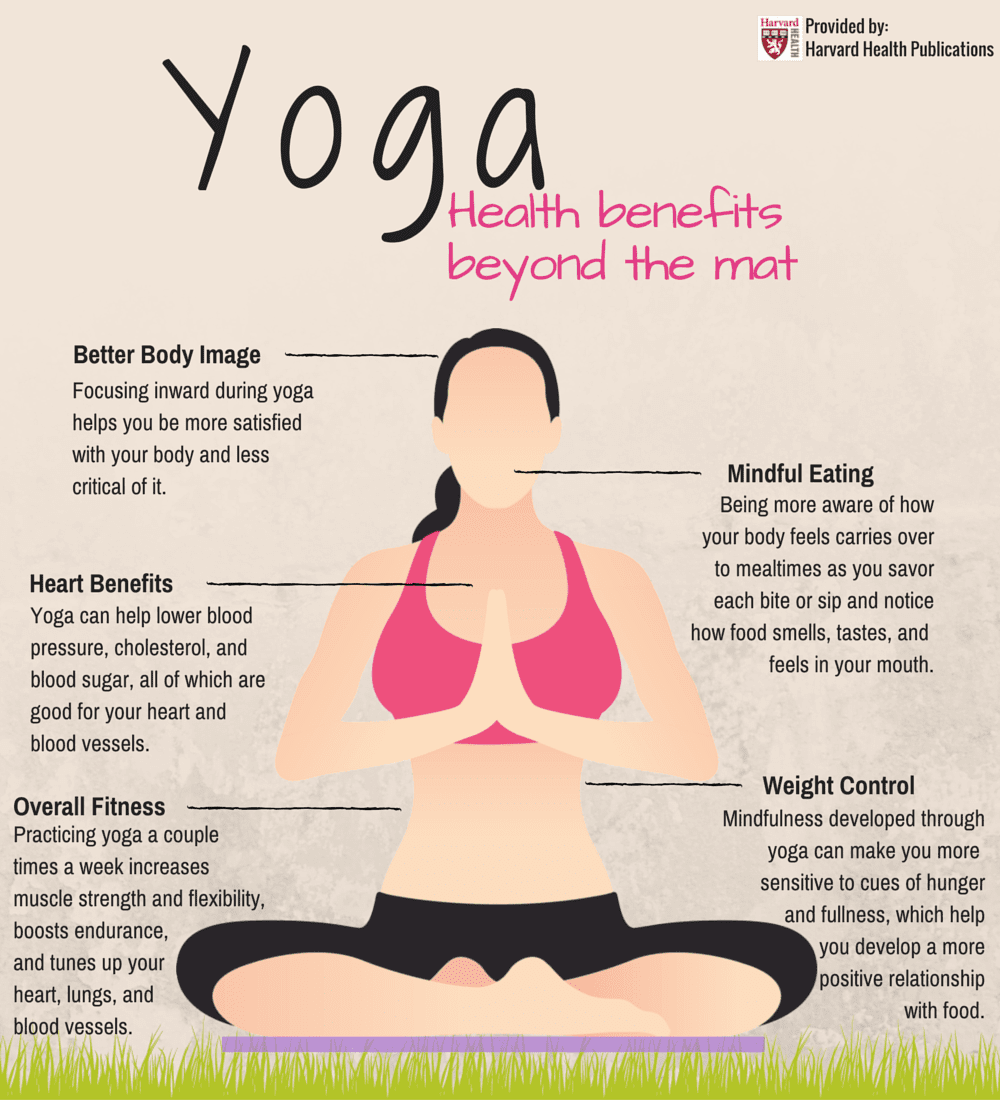
Increased flexibility
Practicing yoga regularly can greatly improve your flexibility. Various yoga poses involve stretching and lengthening your muscles, which can help to increase your range of motion and improve overall flexibility. As you continue to practice, you may find that you are able to perform poses that were once challenging for you, thanks to your increased flexibility.
Strengthens muscles
Yoga is an excellent way to strengthen your muscles, particularly your core muscles. Many yoga poses require you to engage your core, which can help to develop strong abdominal and back muscles. Additionally, holding poses that require balance, such as tree pose or warrior III, can also strengthen your legs and improve overall muscle tone.
Improves posture
Poor posture can contribute to various health issues, such as back and neck pain. By practicing yoga regularly, you can improve your posture and alignment. Yoga poses that focus on stretching and strengthening the muscles in your back, shoulders, and neck can help to correct imbalances and promote proper alignment, leading to improved posture over time.
Increases energy levels
If you often find yourself feeling tired and sluggish, incorporating yoga into your routine can help to boost your energy levels. The combination of physical movement, deep breathing, and mindfulness in yoga can help to increase blood flow, invigorate the body, and provide a natural energy boost. Regular yoga practice can leave you feeling more energized and refreshed throughout the day.
Mental Benefits
Reduces stress and anxiety
One of the most well-known benefits of yoga and meditation is their ability to reduce stress and anxiety. The deep breathing techniques and meditative aspects of both practices help to activate the body’s relaxation response, which can counteract the effects of stress. By focusing on the present moment and calming the mind, yoga and meditation can provide a sense of calm and peace, reducing stress and anxiety levels.
Improves focus and concentration
The practice of yoga and meditation requires focus and concentration, which can help to improve your ability to stay present and focused in other areas of your life as well. By training your mind to stay focused on the breath or a specific pose, you can enhance your overall concentration skills. This can be particularly beneficial for women who often have to juggle multiple responsibilities and tasks.
Promotes emotional well-being
Yoga and meditation can have a profound impact on your emotional well-being. The combination of physical movement, deep breathing, and mindfulness can help to release emotional tension, improve mood, and promote a sense of overall well-being. The practice of yoga and meditation allows you to connect with yourself on a deeper level, fostering self-acceptance, self-compassion, and emotional balance.
Enhances self-awareness
Yoga and meditation provide an opportunity for self-reflection and self-exploration. By practicing mindfulness and paying attention to your body and mind, you can develop a greater sense of self-awareness. This increased self-awareness can help you better understand your thoughts, emotions, and patterns of behavior, leading to personal growth and positive changes in your life.
Emotional Benefits
Reduces symptoms of depression
Yoga and meditation have been shown to be effective in reducing symptoms of depression. The physical movement of yoga and the mindfulness practices of both yoga and meditation can help to increase the production of serotonin and endorphins, the body’s natural mood-boosting chemicals. Regular practice can help to alleviate feelings of sadness, improve overall mood, and promote a sense of emotional well-being.
Promotes feelings of happiness and contentment
The combination of physical movement, deep breathing, and mindfulness in yoga and meditation can lead to an increase in feelings of happiness and contentment. The release of endorphins during physical activity, the relaxation response activated through deep breathing, and the cultivation of positive emotions through mindfulness practices can all contribute to an overall sense of well-being and joy.
Builds resilience
Yoga and meditation can help to build resilience, the ability to bounce back from adversity. By practicing mindfulness and staying present in the face of challenges, you can develop a greater sense of inner strength and resilience. The physical challenges of yoga poses and the mental focus required in meditation can also help to cultivate resilience, enabling you to navigate life’s ups and downs with greater ease.
Improves sleep quality
Many women struggle with sleep issues, such as insomnia and poor sleep quality. Yoga and meditation can help to improve sleep by promoting relaxation and reducing stress and anxiety. The combination of physical movement, deep breathing, and mindfulness can help to calm the mind and prepare the body for sleep. By incorporating a relaxing yoga or meditation practice into your bedtime routine, you can experience improved sleep quality and wake up feeling more refreshed.
Women’s Health Issues
Relieves menstrual discomfort
Yoga can be a powerful tool for relieving menstrual discomfort. Certain yoga poses, such as child’s pose and reclining bound angle pose, can help to relieve cramps and ease tension in the pelvic area. Additionally, the deep breathing and relaxation techniques used in yoga can help to reduce stress and promote overall well-being during menstruation.
Eases menopause symptoms
The hormonal changes that occur during menopause can often lead to uncomfortable symptoms such as hot flashes, mood swings, and insomnia. Yoga can help to ease these symptoms by promoting hormone balance, reducing stress, and improving overall well-being. Certain yoga poses, such as supported bridge pose and gentle twists, can specifically target menopause symptoms and provide relief.
Promotes reproductive health
Yoga and meditation can promote reproductive health by improving blood flow to the reproductive organs, reducing stress levels, and promoting hormone balance. Regular practice can help to regulate menstrual cycles, enhance fertility, and support overall reproductive health. Additionally, the mindful awareness cultivated through yoga and meditation can help women connect with their bodies and better understand their reproductive health.
Reduces pregnancy discomfort
Pregnancy can bring about a variety of discomforts, such as back pain, swollen ankles, and insomnia. Both yoga and meditation can provide relief from these discomforts by promoting relaxation, easing tension in the body, and reducing stress levels. Prenatal yoga, in particular, focuses on poses that are safe and beneficial during pregnancy, helping to alleviate common pregnancy discomforts and prepare the body for labor and childbirth.
Preventive Health Benefits
Boosts immune system
Regular practice of yoga and meditation can boost your immune system by reducing stress and strengthening the body. Chronic stress weakens the immune system, making you more susceptible to illness. Yoga and meditation help to activate the body’s relaxation response, reducing stress and boosting the immune system’s ability to fight off infections and diseases.
Lowers blood pressure
High blood pressure, or hypertension, is a common health issue that can increase the risk of heart disease and stroke. Yoga and meditation can help to lower blood pressure by promoting relaxation and reducing stress levels. The physical movement and deep breathing in yoga, coupled with the calming effects of meditation, can help to regulate blood pressure and promote cardiovascular health.
Improves cardiovascular health
Cardiovascular health is crucial for overall well-being, and yoga and meditation can play a significant role in promoting a healthy heart. Regular practice of yoga and meditation can improve cardiovascular health by reducing stress, lowering blood pressure, and increasing physical activity levels. The physical movement in yoga helps to improve circulation, while the meditation practices help to calm the nervous system and promote heart health.
Enhances respiratory function
The deep breathing techniques used in yoga and meditation can enhance respiratory function. By practicing deep, mindful breathing, you can strengthen your respiratory muscles and increase lung capacity. This can be particularly helpful for women with respiratory conditions such as asthma or chronic obstructive pulmonary disease (COPD), as well as for overall respiratory health.
Yoga Styles for Women
Hatha Yoga
Hatha yoga is a gentle style of yoga that focuses on the physical postures (asanas) and incorporates breathing exercises (pranayama) and meditation. It is a great choice for women of all fitness levels as it promotes balance, flexibility, and relaxation.
Vinyasa Yoga
Vinyasa yoga is a dynamic style of yoga that links movement with breath. It involves flowing from one pose to another in a sequence, creating a smooth, continuous movement. Vinyasa yoga helps to build strength, flexibility, and endurance.
Restorative Yoga
Restorative yoga is a gentle and soothing style of yoga that involves holding poses for extended periods of time, usually supported by props such as blankets and bolsters. It promotes deep relaxation, stress relief, and restoration of the body and mind.
Prenatal Yoga
Prenatal yoga is specifically designed for pregnant women and focuses on poses that are safe and beneficial during pregnancy. It helps to alleviate common pregnancy discomforts, improve circulation, and prepare the body for labor and childbirth.

Meditation Techniques for Women
Mindfulness meditation
Mindfulness meditation involves focusing your attention on the present moment, observing your thoughts and sensations without judgment. It helps to cultivate awareness, reduce stress, and promote overall well-being. Mindfulness meditation can be practiced in various ways, such as sitting silently, walking, or engaging in daily activities mindfully.
Loving-kindness meditation
Loving-kindness meditation involves cultivating feelings of love, compassion, and kindness toward oneself and others. It helps to promote positive emotions, improve relationships, and develop empathy and compassion. Loving-kindness meditation often involves repeating specific phrases or visualizing sending love and kindness to oneself and others.
Transcendental meditation
Transcendental meditation is a technique that involves silently repeating a mantra, a specific word or phrase, to quiet the mind and reach a state of deep relaxation and inner peace. It helps to reduce stress, improve focus, and promote self-awareness. Transcendental meditation is typically practiced for 20 minutes, twice a day.
Yoga Nidra
Yoga Nidra, also known as yogic sleep, is a guided meditation technique that induces a state of deep relaxation and conscious sleep. It involves following the voice of a teacher guiding you through a series of visualizations and body scans. Yoga Nidra helps to reduce stress, improve sleep, and promote self-awareness.
Yoga and Meditation for Menstrual Health
Specific poses for menstrual pain relief
Certain yoga poses can help to alleviate menstrual pain and discomfort. Poses such as child’s pose, reclining bound angle pose, and supine twist can help to relieve cramps and tension in the lower abdomen and pelvic area. These poses promote relaxation, improve blood flow, and reduce pain during menstruation.
Breathing exercises for hormone balance
Deep breathing exercises, such as alternate nostril breathing and abdominal breathing, can help to balance hormones and alleviate PMS symptoms. These breathing techniques help to calm the nervous system, reduce stress, and promote hormonal balance, leading to a smoother menstrual cycle.
Meditation for PMS symptoms
Mindfulness meditation can be especially beneficial for managing PMS symptoms. By practicing mindfulness and being present with your thoughts and emotions, you can reduce stress, alleviate mood swings, and cultivate a sense of calm and balance during the premenstrual phase.
Yoga for menstrual irregularities
Yoga can help to regulate menstrual cycles and address menstrual irregularities. Twisting poses, such as seated spinal twist and revolved triangle pose, can stimulate the reproductive organs and promote hormonal balance. Additionally, gentle inversions, such as legs up the wall pose, can help to regulate blood flow and promote a healthy menstrual cycle.
Yoga and Meditation during Pregnancy
Pregnancy-safe yoga poses and modifications
During pregnancy, certain yoga poses need to be modified or avoided to ensure the safety of both you and your baby. Prenatal yoga classes or guidance from a qualified instructor can provide you with the knowledge and modifications necessary to practice yoga safely during pregnancy. Poses that focus on gentle stretching, strengthening, and relaxation are generally safe and beneficial during this time.
Breathing techniques for anxiety and labor preparation
Deep breathing techniques, such as diaphragmatic breathing and slow, controlled breathing, can help to reduce anxiety and prepare your body for labor and childbirth. These breathing techniques help to calm the mind, oxygenate the body, and promote relaxation and focus during pregnancy and labor.
Visualizations and affirmations during pregnancy
Visualization and affirmation practices can be powerful tools during pregnancy. By visualizing a positive birth experience and using affirmations that encourage confidence and strength, you can cultivate a positive mindset and reduce fears and anxieties surrounding childbirth.
Yoga and meditation for postpartum recovery
Yoga and meditation can be beneficial for postpartum recovery, both physically and emotionally. Gentle stretching poses can help to restore flexibility and strength in the body, while mindfulness practices can support emotional well-being during the postpartum period. It is important to listen to your body and start slowly, gradually increasing the intensity and duration of your practice.
How to Incorporate Yoga and Meditation into Daily Life
Creating a dedicated practice space
Designating a specific space in your home for your yoga and meditation practice can help create a sense of sacredness and promote a consistent routine. Choose a quiet, clutter-free area where you can lay out your yoga mat or meditation cushion and have essential props within reach.
Setting aside regular practice time
Consistency is key when it comes to reaping the benefits of yoga and meditation. Set aside a specific time each day to practice, whether it be in the morning, during a lunch break, or in the evening. Establishing a regular practice time can help you stay committed and make it easier to incorporate yoga and meditation into your daily routine.
Starting with small increments and gradually increasing
If you are new to yoga and meditation, it’s important to start slowly and gradually increase the duration and intensity of your practice. Begin with shorter sessions, such as 10 minutes, and gradually work your way up to longer practice sessions as you become more comfortable and experienced. Remember, even a few minutes of yoga or meditation can make a difference in your overall well-being.
Finding online resources and classes
There are plenty of online resources and classes available that can help you deepen your yoga and meditation practice. Online platforms and websites offer a wide variety of classes, tutorials, and guided meditations that cater to different levels, styles, and preferences. You can choose from pre-recorded sessions or participate in live virtual classes from the comfort of your own home. Exploring these online resources can provide guidance, inspiration, and community support for your yoga and meditation journey.
In conclusion, yoga and meditation offer a myriad of benefits for women’s overall well-being. They not only provide physical health benefits such as increased flexibility and improved cardiovascular health but also have mental, emotional, and preventive advantages. From reducing stress and anxiety to promoting reproductive health and hormonal balance, yoga and meditation can be powerful tools for women’s health. By incorporating specific yoga poses, breathing techniques, and mindfulness practices, women can find relief from menstrual discomfort, support their well-being during pregnancy, and enhance their overall physical, mental, and emotional health. So, why not embark on this journey of self-discovery, relaxation, and well-being? Start exploring different yoga styles, meditation techniques, and ways to incorporate yoga and meditation into your daily life, and reap the numerous benefits they offer for your mind, body, and soul.
