

Looking to boost your protein intake? Look no further! In this article, we will explore the best ways to add more protein to your diet. Whether you’re a fitness enthusiast or simply aiming for a healthier lifestyle, incorporating protein-rich foods into your meals is essential. With these simple and delicious ideas, you’ll be well on your way to meeting your protein goals in no time. So, grab a pen and paper, because you won’t want to miss out on these tips!
Include lean meats
When it comes to adding more protein to your diet, lean meats are a great option to consider. They provide a high amount of protein while being low in fat. Chicken, turkey, and lean beef are all excellent choices when it comes to lean meats.
Chicken is a versatile protein option that can be enjoyed in various dishes. Grilled chicken breast, for example, can be added to salads, sandwiches, or stir-fries. Turkey, whether ground or in the form of turkey breast, is another lean meat that can be incorporated into your meals. Lean beef, such as sirloin or tenderloin, can be grilled or roasted for a delicious protein-packed main dish.
Including lean meats in your diet not only helps to increase your protein intake but also provides essential nutrients such as iron and vitamin B12. So, make sure to include these lean meats in your weekly meal plan for a balanced and protein-rich diet.
Incorporate fish and seafood
Fish and seafood are not only delicious but also excellent sources of protein. They are also rich in omega-3 fatty acids, which are beneficial for heart health. Adding fish and seafood to your diet is a great way to increase your protein intake while reaping the benefits of these healthy fats.
Salmon is a popular choice when it comes to fish as it is not only high in protein but also supplies omega-3 fatty acids. Grilled or baked salmon can be served as a main dish or added to salads. Tuna, whether fresh or canned, is another convenient protein option that can be enjoyed in sandwiches, salads, or as a topping for whole grain crackers. Shrimp, which is low in calories and fat, can be sautéed or grilled and added to dishes like stir-fries or pasta.
Incorporating fish and seafood into your diet twice a week is recommended for optimal health benefits. So don’t hesitate to include these protein-rich options in your meal plan.
Opt for plant-based protein sources
If you prefer plant-based protein sources or follow a vegetarian or vegan lifestyle, there are plenty of options available to meet your protein needs. Legumes, quinoa, and tofu are all excellent plant-based sources of protein.
Legumes, such as lentils, chickpeas, and kidney beans, are not only high in protein but also rich in fiber and other essential nutrients. You can enjoy legumes in various dishes like soups, stews, salads, or even as a base for veggie burgers. Quinoa, a complete protein source, is a versatile grain that can be used as a substitute for rice or added to salads, stir-fries, or casseroles. Tofu, made from soybeans, is another popular plant-based protein option that can be incorporated into stir-fries, tofu scrambles, or even desserts like tofu pudding.
By including these plant-based sources of protein in your diet, you can ensure that you meet your nutritional needs while enjoying a variety of delicious and fulfilling meals.
Add dairy products
Dairy products are not only a great source of protein but also provide essential calcium and vitamin D. Milk, yogurt, and cottage cheese are all excellent dairy options to consider when looking to increase your protein intake.
Milk is a staple in many households and can be enjoyed on its own or used as an ingredient in various recipes. It can be added to smoothies, cereals, or used in baking and cooking. Yogurt, whether Greek or regular, is a versatile dairy product that can be enjoyed as a snack, added to smoothies, or used as a base for salad dressings and dips. Cottage cheese is a protein-packed option that can be eaten on its own or added to salads or even pancakes for an extra protein boost.
Including these dairy products in your diet not only provides you with a good source of protein but also adds variety and flavor to your meals. So go ahead and incorporate them into your daily routine.

Include eggs in your diet
Eggs are a nutrient-rich food that provides high-quality protein. They are also a versatile ingredient that can be enjoyed in various ways. Boiled eggs, scrambled eggs, and omelettes are all delicious options to consider when trying to increase your protein intake.
Boiled eggs are a quick and easy snack that can be enjoyed on the go or used as a topping for salads. Scrambled eggs can be seasoned with herbs and spices or mixed with vegetables for a nutritious and protein-rich breakfast option. Omelettes can be filled with your favorite ingredients such as spinach, mushrooms, or cheese for a hearty and protein-packed meal.
Including eggs in your diet not only helps to increase your protein intake but also provides essential vitamins and minerals. So make sure to add them to your weekly meal plan for a tasty and nutritious addition.
Try protein-rich grains and seeds
Grains and seeds can also be a great source of protein to add to your diet. Quinoa, chia seeds, and buckwheat are all examples of protein-rich options.
Quinoa, in addition to being a plant-based protein source, is also high in fiber and essential amino acids. It can be used as a substitute for rice or pasta, added to salads, or used as a base for grain bowls. Chia seeds are small but mighty when it comes to protein content. They can be sprinkled over yogurt, added to smoothies, or used to make chia puddings. Buckwheat, despite its name, is a gluten-free seed that can be used as a substitute for rice or added to baked goods for a protein boost.
By incorporating these protein-rich grains and seeds into your diet, you can not only increase your protein intake but also add valuable nutrients to your meals.

Include protein-rich vegetables
While vegetables are not typically thought of as a significant source of protein, some are surprisingly high in this essential nutrient. Broccoli, spinach, and asparagus are all examples of protein-rich vegetables that can be added to your meals.
Broccoli not only provides vitamins and fiber but also contains a good amount of protein. It can be enjoyed steamed, roasted, or added to stir-fries and pasta dishes. Spinach is not only rich in iron and other essential nutrients but also offers a decent amount of protein. It can be used as a base for salads, added to smoothies, or cooked as a side dish. Asparagus, in addition to being a versatile vegetable, contains a fair amount of protein. It can be grilled, roasted, or added to soups and omelettes.
Including these protein-rich vegetables in your diet not only adds variety and flavor but also helps to meet your protein needs. So don’t forget to incorporate them into your meals.
Choose protein supplements
Sometimes, it can be challenging to meet your daily protein requirements through food alone. That’s where protein supplements come in handy. Whether you’re an athlete looking to enhance performance or simply trying to add more protein to your diet, there are various protein supplement options to consider.
Whey protein is one of the most popular protein supplements available. It is easily digested and absorbed by the body, making it a convenient option for post-workout recovery. Plant-based protein powders, such as pea or hemp protein, are excellent alternatives for those following a vegetarian or vegan lifestyle. These powders can be added to smoothies, oatmeal, or baked goods for a protein boost. Collagen peptides, derived from animals, are another type of protein supplement that can support joint health and improve skin elasticity.
When choosing protein supplements, it’s essential to consider your dietary needs and preferences. Consulting with a healthcare professional or registered dietitian can also be helpful in determining which supplement is best for you.
Choose protein-enriched snacks
Snacks are an excellent opportunity to sneak in some extra protein throughout the day. Protein-enriched snacks not only provide a boost of energy but also help to keep you feeling full and satisfied. There are plenty of options available to choose from.
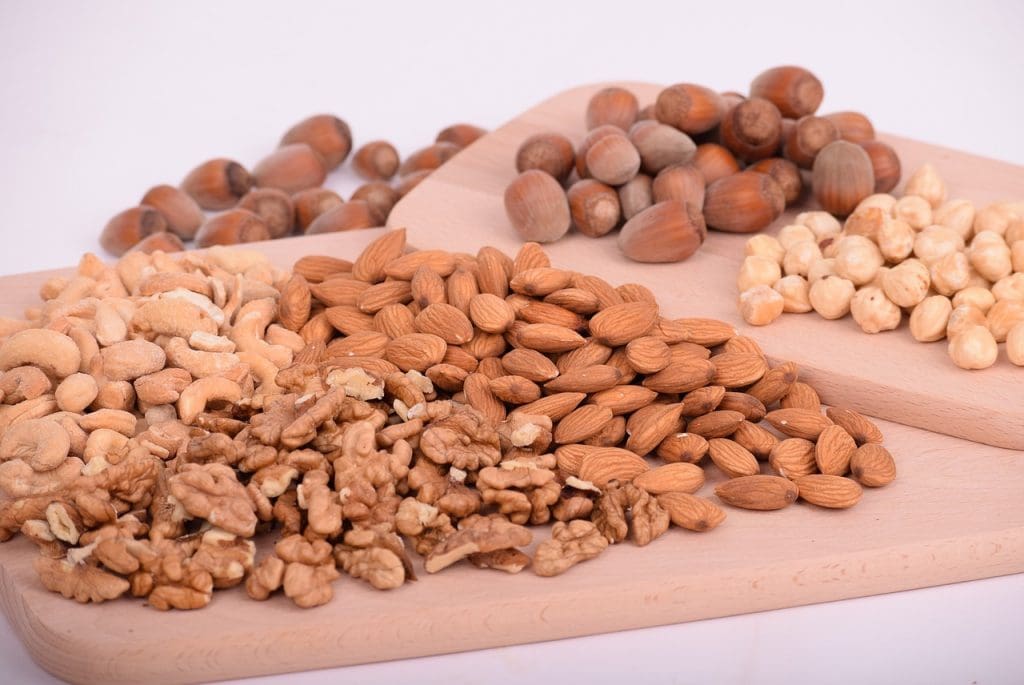
Protein bars are a convenient and portable snack that can be enjoyed on the go. They come in a variety of flavors and are often packed with protein to help fuel your body between meals. Greek yogurt with fruits is another tasty and protein-rich snack option. Greek yogurt is strained, resulting in a higher protein content compared to regular yogurt. Adding fruits or a sprinkle of granola can enhance the nutritional value and flavor. Mixed nuts, such as almonds or cashews, are a portable snack that not only provides protein but also supplies healthy fats and fiber.
Incorporating these protein-enriched snacks into your daily routine can help you meet your protein needs and curb any hunger pangs that may arise throughout the day.
Consider portion sizes
While it’s essential to include protein-rich foods in your diet, it’s also important to pay attention to portion sizes. Consuming appropriate serving sizes ensures that you maintain a balanced protein intake throughout the day.
Opt for appropriate serving sizes of protein-rich foods, such as 3-4 ounces of lean meat or 1 cup of cooked legumes per meal. By doing so, you can ensure that you’re getting an adequate amount of protein without overdoing it. It’s also beneficial to distribute your protein intake evenly throughout the day. Aim for a source of protein at each meal to help support muscle growth and repair.
In conclusion, adding more protein to your diet doesn’t have to be a challenge. By incorporating lean meats, fish and seafood, plant-based protein sources, dairy products, eggs, protein-rich grains and seeds, protein-rich vegetables, protein supplements, protein-enriched snacks, and considering portion sizes, you can easily meet your protein needs while enjoying a variety of delicious and nutritious meals. So go ahead and start incorporating these protein-rich foods into your daily routine for a healthier and more balanced diet.