
Imagine a world where access to quality healthcare is just a click away. No more long waits in crowded waiting rooms, no more travel expenses to see a specialist, and no more barriers preventing people from receiving the care they need. This is the vision that advocates for better access to telemedicine are striving to make a reality. With the increasing popularity and advancements in technology, telemedicine has the potential to revolutionize the healthcare industry by providing convenient and efficient healthcare services to individuals regardless of their location. In this article, we will explore the importance of advocating for better access to telemedicine and the potential benefits it can bring to patients and healthcare providers alike.
The Importance of Telemedicine
Telemedicine, the practice of using technology to deliver healthcare services remotely, has become increasingly important in recent years. It offers numerous benefits and has the potential to revolutionize the way healthcare is delivered. However, there are still significant barriers that prevent many individuals from accessing telemedicine services. In order to ensure equal access to healthcare, it is crucial to address these barriers and advocate for better access to telemedicine.
Overview of Telemedicine
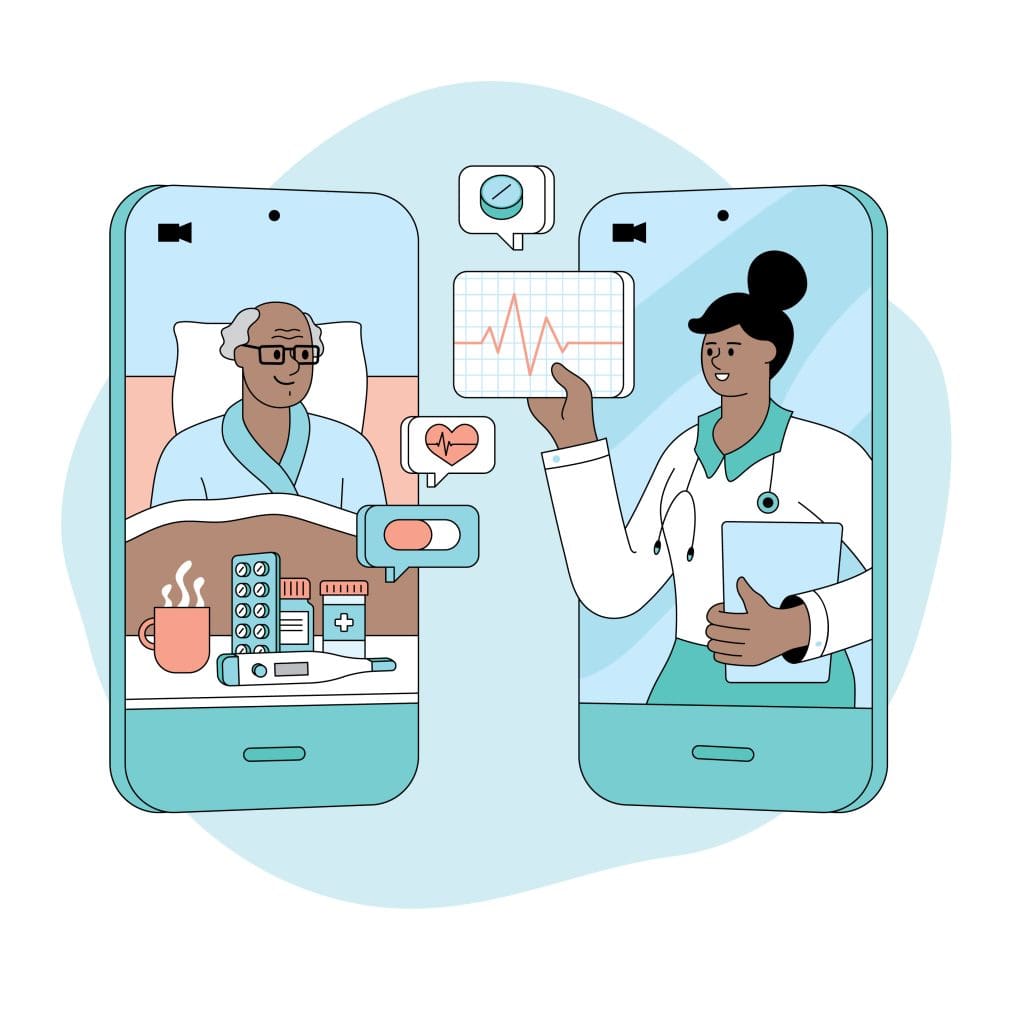
Telemedicine encompasses various methods of delivering healthcare remotely, including video conferencing, phone consultations, remote monitoring, and mobile health applications. It allows patients to receive medical advice, diagnosis, and treatment without the need for in-person appointments. This can be particularly beneficial for individuals who live in remote areas, have limited mobility, or require specialized care not available locally.
Benefits of Telemedicine
There are numerous benefits to utilizing telemedicine. Firstly, it provides convenience and flexibility for patients, allowing them to access healthcare services without having to travel long distances or wait for appointments. This is especially beneficial for individuals with chronic conditions who require regular check-ups or monitoring. Telemedicine can also reduce healthcare costs by eliminating travel expenses and reducing the need for hospital visits.
Additionally, telemedicine can improve access to specialized care, as patients can consult with experts from anywhere in the world, regardless of geographic location. This is particularly important for individuals in rural areas who may not have access to certain specialties locally. Telemedicine also promotes continuity of care by allowing healthcare providers to communicate and share patient information more easily.
Barriers to Accessing Telemedicine
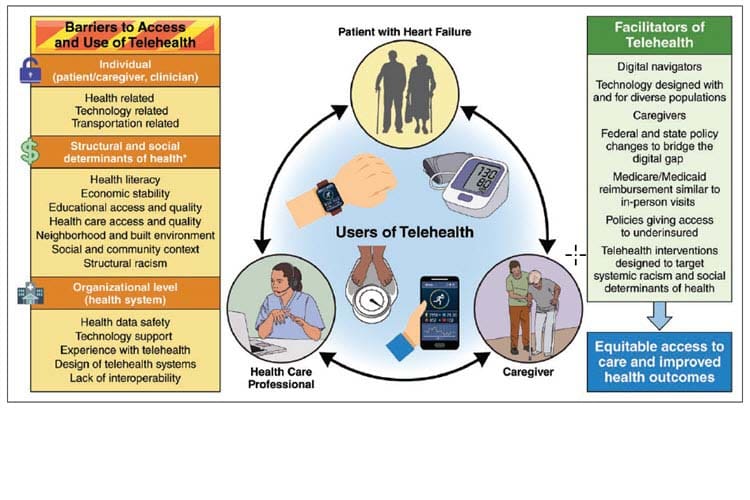
Despite its numerous benefits, there are still significant barriers that prevent many individuals from accessing telemedicine services. These barriers can be categorized into three main areas: lack of internet access, technological barriers, and limited availability in rural areas.
Lack of Internet Access
One of the primary barriers to accessing telemedicine is the lack of reliable internet access, particularly in rural and underserved areas. In order to utilize telemedicine services, individuals need a stable and high-speed internet connection. However, many rural areas still lack access to broadband internet, making it difficult, if not impossible, for residents to access telemedicine services.
Technological Barriers
In addition to internet access, there are also technological barriers that prevent individuals from utilizing telemedicine. Some individuals may not have the necessary devices, such as smartphones or computers, to access telemedicine platforms. Others may lack the technological skills or knowledge to navigate these platforms effectively. This can especially impact older adults who may be less familiar with technology.
Limited Availability in Rural Areas
Even if individuals have access to the internet and the necessary devices, telemedicine services may still be limited or unavailable in their area. Many healthcare providers, particularly in rural areas, have not yet adopted telemedicine due to various reasons, including lack of resources or infrastructure. This leaves many individuals without access to telemedicine services, despite the potential benefits they offer.
Improving Internet Infrastructure
To address the lack of internet access and ensure equal access to telemedicine services, it is essential to improve internet infrastructure in rural and underserved areas. This can be achieved through several strategies.
Expanding Broadband Access
Efforts should be made to expand broadband access to rural and underserved communities. This can be done through various means, such as investing in infrastructure and collaborating with internet service providers to extend coverage to these areas. Government initiatives and funding can play a crucial role in supporting these efforts.
Promoting Affordable Internet Plans
In addition to expanding broadband access, it is also important to ensure that internet plans are affordable for individuals in these communities. Many low-income individuals and families may not be able to afford high-speed internet plans, which can hinder their ability to access telemedicine services. Initiatives that promote affordable internet plans or provide subsidies can help bridge this gap.
Investing in Telecommunication Networks
Investing in telecommunication networks, particularly in rural areas, is essential to ensure reliable and stable internet connectivity. This can involve upgrading existing infrastructure, building new communication towers, or implementing satellite internet solutions. Public-private partnerships can be formed to facilitate these investments and ensure that telemedicine services are accessible to all.
Addressing Technological Barriers
In addition to improving internet access, it is crucial to address technological barriers that prevent individuals from utilizing telemedicine services effectively. This can be achieved by focusing on the following strategies.
Providing Training and Education
Efforts should be made to provide training and education on how to effectively use telemedicine platforms. This can involve offering workshops or online tutorials that teach individuals how to navigate these platforms and utilize their features. Targeted training programs should be developed for older adults and individuals with limited technological proficiency to ensure that they can benefit from telemedicine services.
Increasing Device Accessibility
To address the issue of individuals not having the necessary devices to access telemedicine platforms, initiatives should be implemented to increase device accessibility. This can include providing subsidies or discounts for smartphones or computers, particularly for low-income individuals or older adults. Partnerships with technology companies can also help in distributing affordable or refurbished devices to those in need.
Developing User-Friendly Telemedicine Platforms
Telemedicine platforms should be designed to be user-friendly and intuitive, particularly for individuals who are less familiar with technology. Clear instructions, user-friendly interfaces, and accessible features can make telemedicine platforms more inclusive and accessible to individuals of all technological skill levels. User feedback and usability testing should be incorporated during the development process to ensure that the platforms meet the needs of the users.
Expanding Telemedicine Services in Rural Areas
To ensure equal access to telemedicine services, it is crucial to expand the availability of these services in rural areas. Several strategies can be employed to achieve this goal.
Establishing Telemedicine Hubs
Telemedicine hubs can be established in rural areas to serve as centralized locations for healthcare consultations. These hubs can be equipped with the necessary technology and resources to facilitate telemedicine appointments. They can provide a physical space for individuals who lack the necessary devices or internet access to consult with healthcare providers remotely.
Using Mobile Clinics and Telehealth Vans
Mobile clinics and telehealth vans can be utilized to bring telemedicine services directly to rural communities. These mobile healthcare units can travel to different locations, providing on-the-spot consultations and medical examinations through telemedicine technology. This approach can help reach remote communities that may not have access to healthcare facilities or transportation.
Incentivizing Healthcare Professionals to Work in Rural Areas
To ensure the availability of healthcare providers in rural areas, incentives should be provided to encourage healthcare professionals to work in these underserved areas. This can include loan forgiveness programs, financial incentives, or opportunities for professional development and advancement. By addressing the shortage of healthcare professionals in rural areas, telemedicine services can be more effectively utilized to provide healthcare to those who need it.
Increasing Awareness and Acceptance
In order to promote the use of telemedicine, it is important to increase public awareness and acceptance of these services. This can be achieved through various strategies.
Educating the Public about Telemedicine
Efforts should be made to educate the public about the benefits and potential of telemedicine. This can involve campaigns, workshops, or educational materials that highlight how telemedicine can improve access to healthcare and enhance patient outcomes. Collaboration with community organizations, schools, and local media can help reach a wider audience and ensure that accurate information about telemedicine is disseminated.
Addressing Misconceptions and Concerns
There may be misconceptions or concerns surrounding telemedicine that prevent individuals from embracing these services. These can include concerns about privacy, the quality of care, or the impersonal nature of remote consultations. It is important to address these concerns and provide accurate information to alleviate any fears or misunderstandings. Patient testimonials and success stories can help demonstrate the positive impact of telemedicine and alleviate concerns.
Collaborating with Healthcare Providers to Promote Telemedicine
Collaboration with healthcare providers is essential to promoting and integrating telemedicine services. Engaging with healthcare organizations and professionals can help build trust and encourage the adoption of telemedicine within the healthcare system. Providing training and support to healthcare providers on how to effectively utilize telemedicine can also help in overcoming any resistance or skepticism they may have.
Policy Changes and Advocacy
Advocacy for policy changes is crucial to ensure that telemedicine is integrated into the healthcare system effectively. Several areas of policy change and advocacy can help promote better access to telemedicine.
Advocating for Telemedicine-Friendly Legislation
Advocacy efforts should be focused on promoting the adoption of telemedicine-friendly legislation. This can involve advocating for laws and regulations that support the use of telemedicine, such as allowing for telehealth reimbursement, licensure portability, and regulating telemedicine practice standards. Collaborating with policymakers and legislators can help drive these changes and create an environment that fosters telemedicine innovation.
Improving Reimbursement Policies
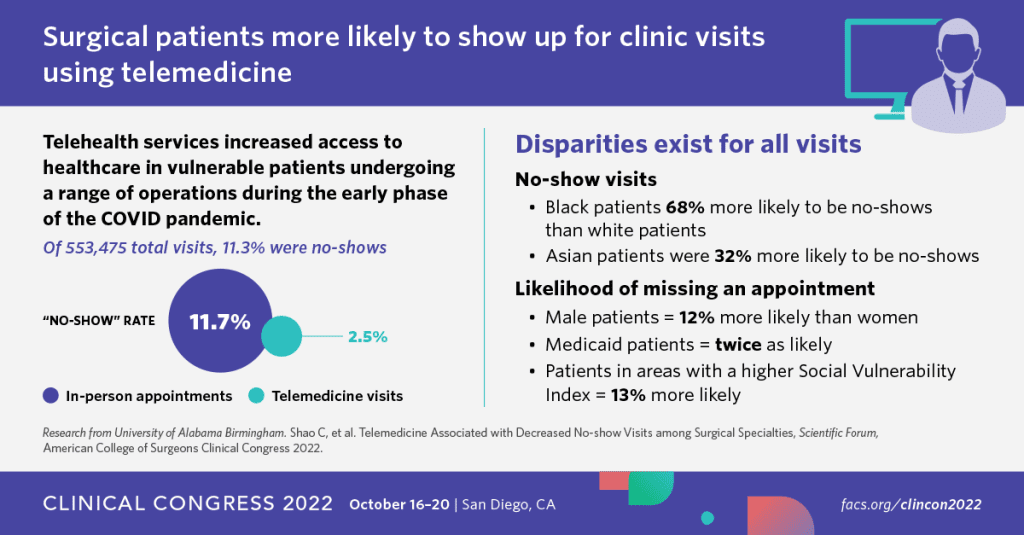
Reimbursement policies play a significant role in the adoption and utilization of telemedicine. Advocacy efforts should be directed towards improving reimbursement policies to ensure that healthcare providers are adequately compensated for providing telemedicine services. This can involve advocating for equal reimbursement rates for telemedicine and in-person visits, expanding coverage for telemedicine services, and streamlining reimbursement processes.
Supporting Research and Development
Advocacy efforts should also focus on supporting research and development in telemedicine. Funding and grants should be directed towards research studies that evaluate the effectiveness and impact of telemedicine on patient outcomes and healthcare delivery. This research can provide evidence-based support for telemedicine and help drive policy changes and advancements in the field.
Collaboration between Stakeholders
The successful implementation and expansion of telemedicine require collaboration between various stakeholders. Bringing together healthcare organizations, technology companies, startups, and government agencies can help overcome barriers and promote better access to telemedicine.
Involving Healthcare Organizations and Professionals
Healthcare organizations and professionals play a vital role in the integration and adoption of telemedicine. Collaboration with these stakeholders can help identify barriers and develop strategies to address them. Involving healthcare professionals in the development and testing of telemedicine platforms and protocols can ensure that these services meet the needs of both providers and patients.
Engaging Technology Companies and Startups
Technology companies and startups can contribute to the development and advancement of telemedicine platforms and technologies. Collaborating with these stakeholders can help improve the user experience, enhance technical capabilities, and drive innovation in telemedicine. Public-private partnerships and funding opportunities can help incentivize technology companies and startups to invest in telemedicine research and development.
Partnering with Government Agencies and Policymakers
Government agencies and policymakers play a crucial role in creating an enabling environment for telemedicine. Engaging with these stakeholders can help drive policy changes, secure funding, and ensure that telemedicine is integrated into healthcare systems effectively. Public-private partnerships can be formed to leverage resources, expertise, and influence, ultimately leading to better access to telemedicine for all.
Telemedicine in Underserved Communities
To ensure that telemedicine services reach underserved communities, targeted strategies are necessary.
Targeting Low-Income Communities
Efforts should be made to specifically target low-income communities to ensure that they have access to telemedicine services. This can involve partnering with community organizations, schools, and local clinics to raise awareness and provide resources. Mobile telemedicine units can be deployed to these communities to provide on-the-spot consultations and increase access to healthcare services.
Addressing Language and Cultural Barriers
Language and cultural barriers can hinder the effective utilization of telemedicine in underserved communities. It is important to ensure that telemedicine platforms and materials are available in multiple languages and culturally appropriate. Collaboration with community organizations and interpreters can help bridge communication gaps and provide equitable access to healthcare services.
Ensuring Healthcare Equity for All
Telemedicine should be viewed as a tool to achieve healthcare equity for all individuals, regardless of their socioeconomic status or geographic location. Efforts should be made to ensure that telemedicine services are accessible, affordable, and of high quality for everyone. This may require additional investments in technology, infrastructure, and healthcare resources to bridge the gap between the underserved communities and the healthcare system.
Future Possibilities and Innovations
The future of telemedicine holds exciting possibilities and innovations that can further enhance the delivery of healthcare services.
Artificial Intelligence in Telemedicine
Artificial intelligence (AI) has the potential to revolutionize telemedicine by improving diagnosis accuracy, personalizing treatment plans, and streamlining administrative tasks. AI algorithms can analyze vast amounts of patient data to identify patterns and make predictions, aiding healthcare providers in making more informed decisions. Integrating AI technologies into telemedicine platforms can further enhance the efficiency and effectiveness of remote consultations.
Virtual Reality for Remote Consultations
Virtual reality (VR) technology can provide a more immersive and interactive experience for remote consultations. VR headsets can allow patients to feel present in the virtual environment, enhancing the doctor-patient interaction. This can be particularly beneficial for mental health therapy, rehabilitation exercises, and training healthcare professionals in complex procedures.
Integration with Wearable Devices and IoT
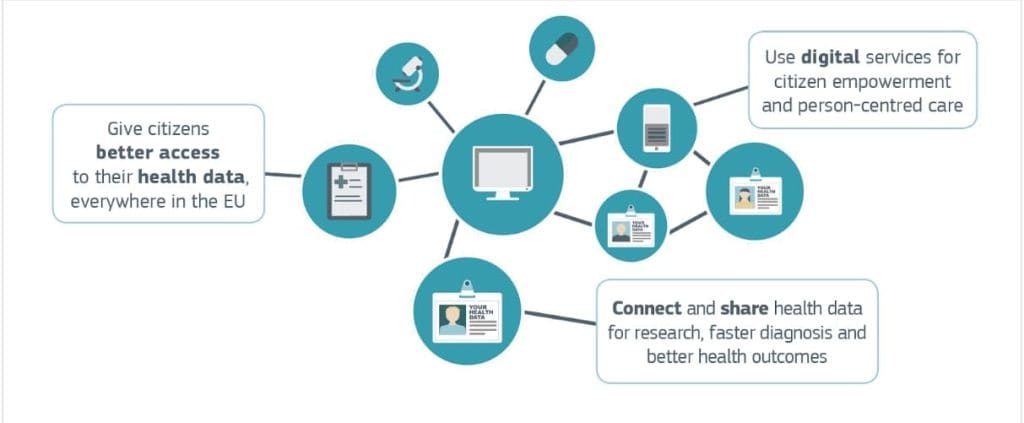
The integration of telemedicine with wearable devices and the Internet of Things (IoT) can provide real-time monitoring and continuous care for patients. Wearable devices, such as fitness trackers or smartwatches, can collect data on vital signs, activity levels, and sleep patterns, which can be transmitted to healthcare providers for analysis. This can enable early detection of health issues and proactive interventions, leading to improved patient outcomes.
In conclusion, telemedicine holds immense importance in improving access to healthcare services. By addressing the barriers to accessing telemedicine, such as internet access, technological barriers, and limited availability in rural areas, we can ensure that individuals from all walks of life can benefit from these services. Improving internet infrastructure, addressing technological barriers, expanding telemedicine services in rural areas, increasing awareness and acceptance, advocating for policy changes, and fostering collaboration among stakeholders are key steps in achieving better access to telemedicine. The future possibilities and innovations in telemedicine, such as artificial intelligence, virtual reality, and integration with wearable devices and IoT, further enhance its potential to revolutionize healthcare delivery. With concerted efforts and a focus on equity, telemedicine can play a transformative role in providing accessible and quality healthcare for all.