

Are you looking for effective ways to maintain youthful and radiant skin as you age? Look no further! This article provides you with a treasure trove of anti-aging skincare tips to keep your skin healthy and glowing. From incorporating sunscreen into your daily routine to embracing a healthy lifestyle, these tips will help you defy the signs of aging and embrace the beauty of healthy aging. So sit back, relax, and discover the secrets to maintaining youthful-looking skin.
Protect Your Skin from the Sun
The sun’s harmful UV rays can cause premature aging and damage to your skin. One of the most effective ways to protect your skin from the sun is by using a broad-spectrum sunscreen. This type of sunscreen provides protection against both UVA and UVB rays, which are known to cause sunburns, wrinkles, and dark spots. Make sure to choose a sunscreen with a high SPF and apply it generously to all exposed areas of your body, including your face, neck, and hands. Reapply every two hours, or more frequently if you are sweating or swimming.
In addition to sunscreen, wearing protective clothing can provide an extra layer of defense against the sun. Opt for lightweight, long-sleeved shirts, pants, and wide-brimmed hats that cover your face and neck. Look for clothing made from UPF (ultraviolet protection factor) fabrics, which provide enhanced sun protection. Don’t forget to protect your eyes by wearing sunglasses that block 100% of UVA and UVB rays.
Lastly, seek shade during the peak sun hours, typically between 10 am and 4 pm. If you can’t avoid being outdoors during these times, try to find shelter under a tree, umbrella, or a sunshade. Remember, even on cloudy days, UV rays can penetrate through the clouds, so it’s essential to take sun protection seriously.
Establish a Daily Skincare Routine
Having a consistent daily skincare routine is crucial to maintain healthy and youthful-looking skin. Start by cleansing your skin twice a day, in the morning and before bed, to remove dirt, oil, and impurities that can clog your pores. Use a gentle cleanser suitable for your skin type, and avoid overstripping your skin of its natural oils.
Regular exfoliation is another essential step in your skincare routine. Exfoliating helps remove dead skin cells, allowing for better absorption of skincare products and revealing a fresh, radiant complexion. Choose a gentle exfoliant or chemical exfoliator that suits your skin’s needs, and use it 2-3 times a week.
After cleansing and exfoliating, it’s important to balance your skin’s pH with a toner. Toners help remove any remaining impurities, tighten pores, and prepare your skin for the next steps in your skincare routine. Look for toners that are alcohol-free and contain hydrating and soothing ingredients like rose water or aloe vera.
To keep your skin hydrated, moisturizing is key. Apply a moisturizer that is suitable for your skin type, whether it’s dry, oily, or combination. Moisturizers help lock in moisture, improve skin elasticity, and create a protective barrier against environmental stressors. Don’t forget to extend your moisturizing routine to your neck and décolletage area, as those can often show signs of aging too.
The delicate skin around your eyes is prone to fine lines and wrinkles. Incorporate an eye cream into your skincare routine to target this area specifically. Look for eye creams that contain ingredients like hyaluronic acid or peptides, which help hydrate the skin and reduce the appearance of wrinkles. Gently pat the eye cream around your eye area using your ring finger for optimal absorption.
Last but not least, don’t forget about your lips. Lips can also lose moisture and become dry and chapped, so applying a lip balm regularly is important to keep them hydrated and protected. Look for lip balms with SPF to provide sun protection, and choose nourishing formulas that contain ingredients like shea butter or coconut oil.
Stay Hydrated
Keeping your body and skin hydrated is essential for healthy aging. Drinking enough water throughout the day helps maintain the skin’s moisture balance, improves elasticity, and flushes out toxins. Aim to drink at least eight glasses of water each day, and increase your intake if you are more physically active or in hot weather.
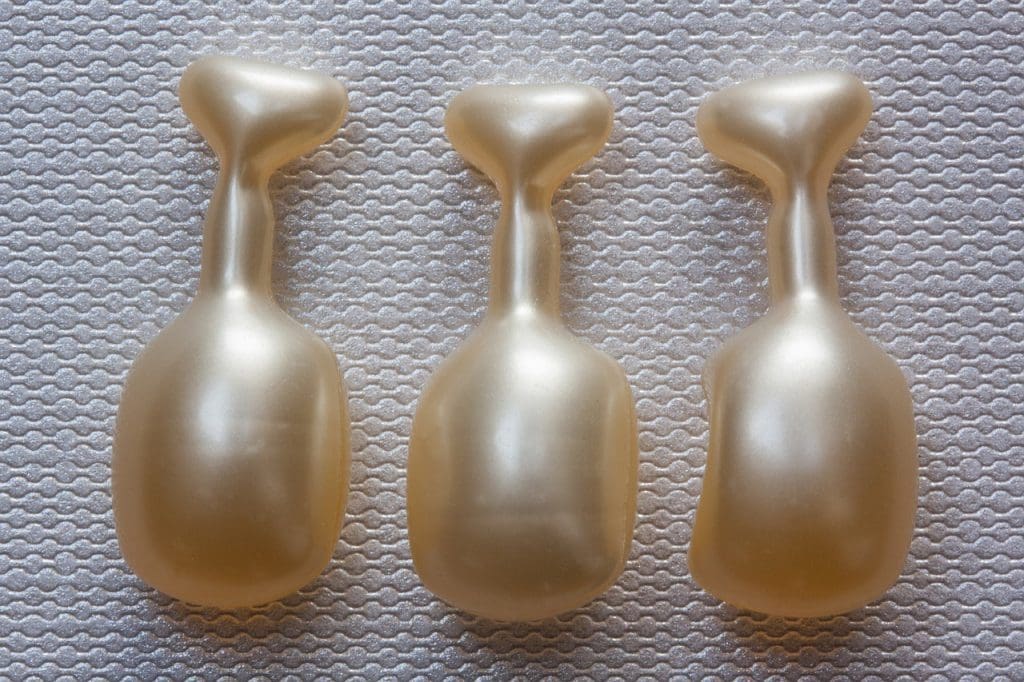
In addition to drinking water, you can also use hydrating skincare products to boost your skin’s hydration levels. Look for products that contain ingredients like hyaluronic acid, which can hold up to 1000 times its weight in water, helping to plump and hydrate the skin. Incorporate hydrating serums, essences, or moisturizers into your skincare routine to provide an extra dose of hydration.
While staying hydrated is important, it’s also crucial to avoid excessive alcohol and caffeine consumption. Both alcohol and caffeine can dehydrate the skin, leading to dryness and dullness. If you do consume alcohol or caffeinated beverages, make sure to balance it with an increased intake of water to counteract the dehydrating effects.
Eat a Nutrient-Rich Diet
A well-balanced diet plays a significant role in maintaining healthy and youthful-looking skin. Including nutrient-rich foods in your diet can provide your skin with the essential vitamins and antioxidants it needs to thrive.
Antioxidant-rich foods, such as berries, leafy greens, and nuts, help combat free radicals in the body, which can cause oxidative stress and contribute to premature aging. Berries, in particular, are packed with antioxidants like vitamin C and anthocyanins, which promote collagen production and protect the skin from UV damage.
Additionally, incorporating foods that are high in Omega-3 fatty acids can benefit your skin. Omega-3 fatty acids, found in fish, flaxseeds, and walnuts, help maintain the skin’s moisture barrier, reduce inflammation, and improve skin elasticity.
Vitamin C is another important nutrient for healthy skin. Fruits like oranges and strawberries are excellent sources of vitamin C, which helps to brighten the skin, promote collagen synthesis, and protect against sun damage.
To further boost your skin’s health, include foods high in vitamin E in your diet. Avocados and almonds are rich in vitamin E, which acts as a powerful antioxidant and helps protect the skin from free radicals and environmental damage.

Get Sufficient Sleep
Getting enough quality sleep is crucial for your overall health and well-being, including your skin. During sleep, your body repairs and regenerates cells, allowing your skin to rejuvenate and recover from daily stressors.
Establishing a consistent sleep schedule is key. Aim to go to bed and wake up at the same time every day, even on weekends, to regulate your body’s internal clock. Most adults require 7-9 hours of sleep each night, so prioritize sleep and make it a non-negotiable part of your daily routine.
Creating a relaxing bedtime routine can help signal your body that it’s time to wind down and prepare for sleep. Incorporate activities like reading a book, taking a warm bath, or practicing gentle stretching or meditation to relax your mind and body.
Investing in a comfortable mattress and pillows can also significantly improve the quality of your sleep. Choose a mattress that provides adequate support for your body and pillows that align your head and neck properly. Experiment with different mattress types and pillow firmness levels to find the most comfortable option for you.
To create an optimal sleep environment, keep your bedroom dark and quiet. Use blackout curtains or an eye mask to block out any unwanted light, and consider using earplugs or a white noise machine to drown out any noise that may disrupt your sleep.
Lastly, avoid electronic devices before sleep. The blue light emitted by smartphones, tablets, and computers can interfere with your body’s natural sleep-wake cycle, making it harder to fall asleep. Create a device-free zone in your bedroom, and establish a screen-free period before bed to allow your mind to unwind.
Manage Stress Levels
Stress can significantly impact your overall health, including your skin’s appearance. Chronic stress can lead to increased inflammation, hormonal imbalances, and accelerated aging. Therefore, it’s important to manage stress levels to maintain healthy and youthful-looking skin.
Engaging in stress-reducing techniques can help. Practices like meditation, yoga, or deep breathing exercises can activate the body’s relaxation response, lower stress hormone levels, and promote a sense of calm. Incorporate these activities into your daily routine, even if it’s just for a few minutes, to reap the benefits.
In addition to relaxation techniques, engaging in activities you enjoy can help unwind and reduce stress levels. Whether it’s going for a walk, listening to music, or pursuing a hobby, make time for activities that bring you joy and help you relax.
Connecting with loved ones is another important aspect of managing stress. Social support can provide emotional comfort, reduce feelings of loneliness, and serve as an outlet for sharing and processing your emotions. Make an effort to maintain and strengthen your relationships, whether it’s through spending time together, having meaningful conversations, or seeking support when needed.

Quit Smoking and Limit Alcohol Consumption
Smoking and excessive alcohol consumption can have detrimental effects on the skin and accelerate the aging process. Smoking damages collagen and elastin fibers, causing the skin to lose its elasticity and develop wrinkles. It also constricts blood vessels, hindering proper oxygen and nutrient delivery to the skin. Quitting smoking is one of the most significant steps you can take to improve your overall health and the health of your skin.
Similarly, excessive alcohol consumption can dehydrate the skin and lead to inflammation, causing redness, puffiness, and uneven skin tone. Limit your alcohol intake and strive for moderation. If you do consume alcohol, drink plenty of water alongside it to help counterbalance its dehydrating effects.
Exercise Regularly
Regular exercise offers numerous benefits for your body, including your skin. Engaging in aerobic exercises, such as jogging, cycling, or swimming, improves blood circulation, delivering oxygen and nutrients to your skin cells. This increased blood flow helps nourish the skin and gives it a healthy glow.
Incorporating strength training into your exercise routine is also important for maintaining muscle tone and promoting overall skin firmness. Strength training exercises, such as lifting weights or using resistance bands, help strengthen the muscles underneath the skin, preventing sagging and promoting a more youthful appearance.
In addition to general exercise, facial exercises can target specific facial muscles and promote better circulation. These exercises involve making various facial expressions, such as smiling, frowning, or puffing out your cheeks, to engage and tone the underlying muscles. Regular facial exercises can help improve the elasticity and firmness of your facial skin.
Remember to listen to your body and choose exercises that you enjoy and can be consistent with. Aim for at least 30 minutes of moderate-intensity exercise most days of the week for optimal health benefits.
Avoid Excessive Sugar Consumption
Excessive sugar consumption can contribute to the breakdown of collagen and elastin fibers in the skin, leading to premature aging and the formation of wrinkles. When sugar is consumed, it attaches itself to proteins in the body, forming harmful molecules known as advanced glycation end products (AGEs). These AGEs can damage collagen and elastin, causing the skin to lose its elasticity and become more prone to sagging and wrinkling.
To reduce your sugar intake, limit sugary snacks and beverages in your diet. Opt for healthier alternatives like fresh fruits, unsweetened drinks, or homemade treats made with natural sweeteners like honey or maple syrup. Pay attention to food labels and be mindful of hidden sugars in processed foods. By reducing your sugar intake, you can help maintain the health and integrity of your skin.
Consult a Dermatologist
While these tips can help improve your skin’s health and promote healthy aging, it’s essential to seek professional advice from a dermatologist. A dermatologist can provide personalized recommendations based on your specific skin concerns and goals.
If you’re looking to address signs of aging, a dermatologist may recommend advanced anti-aging treatments such as retinoids, chemical peels, or laser therapy. These treatments can help stimulate collagen production, reduce the appearance of wrinkles and age spots, and improve overall skin texture and tone. A dermatologist can guide you through the process, ensuring you receive safe and effective treatments.
Remember, healthy aging takes time and consistency. By incorporating these skincare tips into your daily routine and consulting with a dermatologist, you can help promote the health and vitality of your skin for years to come.