
Welcome to the Beginner’s Guide to Detoxifying Foods! In this article, you will learn all about the benefits of incorporating detoxifying foods into your diet, including how they can help eliminate toxins, boost your energy levels, and improve your overall health. From vibrant fruits and vegetables to cleansing herbs and spices, we will explore a variety of options to help you kickstart your journey to a healthier lifestyle. So sit back, relax, and get ready to discover the power of detoxifying foods! Have you been feeling tired, bloated, or just not your best self lately? It might be time to try incorporating detoxifying foods into your diet. You don’t have to go on a strict cleanse or juice fast to reap the benefits of detoxification. By simply adding some detoxifying foods to your meals, you can support your body’s natural detoxification processes and feel better overall. In this beginner’s guide to detoxifying foods, we’ll explore what detoxification is, why it’s important, and how you can easily incorporate detoxifying foods into your diet.

What Is Detoxification?
Detoxification is the process by which the body eliminates toxins and harmful compounds that can build up in the body through exposure to environmental pollutants, processed foods, and other sources. The liver, kidneys, lungs, skin, and digestive system all play a role in detoxifying the body and keeping it healthy. By supporting these organs with the right nutrients and foods, you can help to enhance your body’s natural detoxification processes and promote overall health and well-being.
Detoxifying foods are nutrient-dense foods that are rich in vitamins, minerals, antioxidants, and other compounds that support the body’s detoxification processes. These foods help to nourish the organs that are responsible for breaking down and eliminating toxins, and provide the body with the nutrients it needs to function optimally.
Why Is Detoxification Important?
Detoxification is important for maintaining overall health and well-being. When the body becomes overwhelmed with toxins and harmful compounds, it can lead to a range of health issues, including fatigue, digestive problems, skin issues, and more. By supporting your body’s natural detoxification processes, you can help to reduce this toxic burden and improve your overall health.
Detoxifying foods can also help to support weight loss, improve digestion, boost energy levels, promote clear skin, and reduce inflammation in the body. By incorporating these foods into your diet, you can help to optimize your body’s detoxification processes and feel better both physically and mentally.
Easy Ways To Incorporate Detoxifying Foods Into Your Diet
Incorporating detoxifying foods into your diet doesn’t have to be complicated or overwhelming. There are plenty of simple and delicious ways to add these foods to your meals, whether you’re cooking at home or dining out. Here are some easy ways to incorporate detoxifying foods into your diet:
Add Leafy Greens To Your Meals
Leafy greens, such as kale, spinach, arugula, and Swiss chard, are packed with vitamins, minerals, and antioxidants that support the body’s detoxification processes. Try adding a handful of leafy greens to your smoothies, salads, stir-fries, omelets, and sandwiches for an extra boost of nutrients.
Include Cruciferous Vegetables In Your Diet
Cruciferous vegetables, such as broccoli, cauliflower, Brussels sprouts, and cabbage, contain compounds that support the liver’s detoxification pathways. These vegetables are also rich in fiber, which helps to promote healthy digestion and eliminate toxins from the body. Try roasting or steaming cruciferous vegetables as a side dish, or adding them to soups, stews, and salads for a nutritious boost.
Eat Berries For Antioxidants
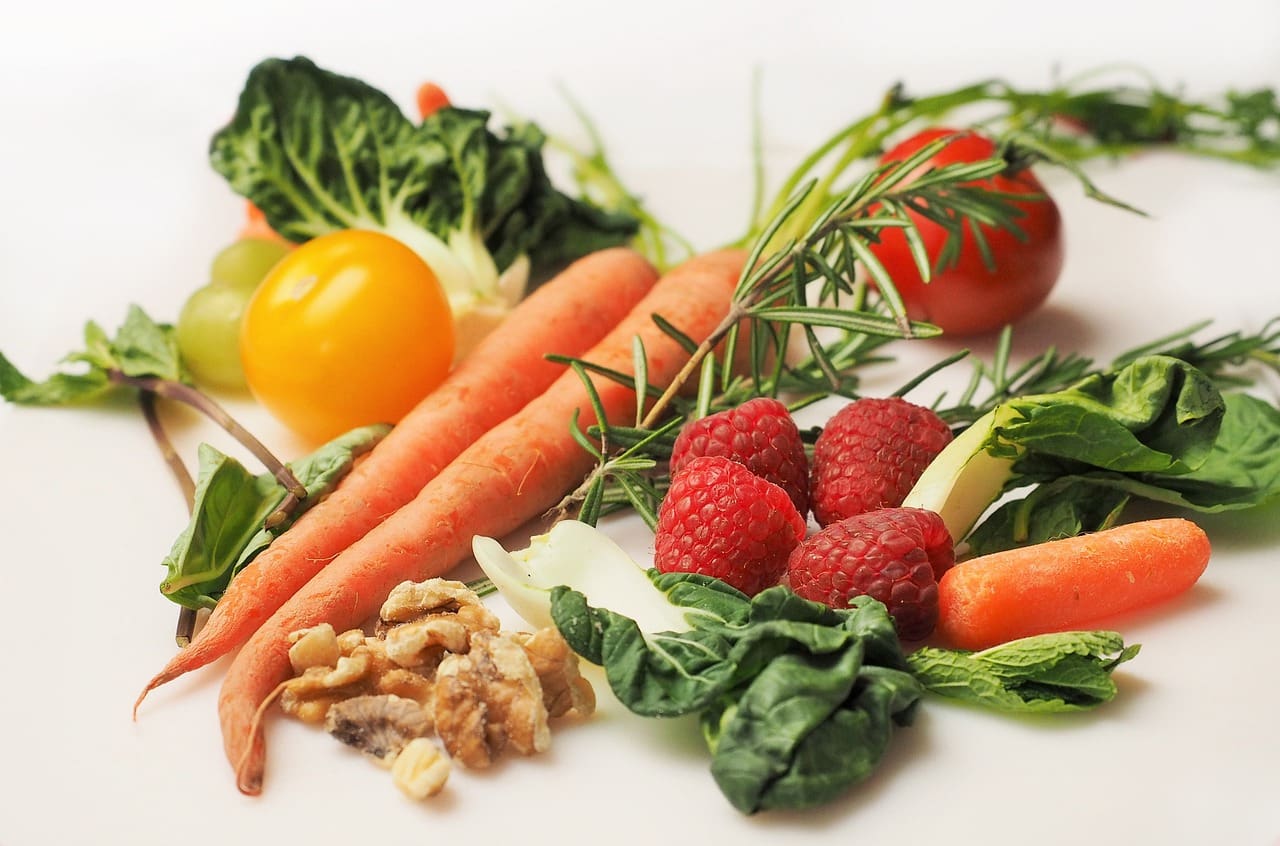
Berries, such as strawberries, blueberries, raspberries, and blackberries, are rich in antioxidants that help to neutralize free radicals and reduce inflammation in the body. Antioxidants play a key role in supporting the body’s detoxification processes and protecting against oxidative stress. Add a handful of mixed berries to your oatmeal, yogurt, smoothie, or salad for a burst of flavor and nutrition.
Drink Green Tea
Green tea is a powerful detoxifying beverage that is rich in antioxidants called catechins. These compounds help to support the liver’s detoxification processes and promote overall health. Try swapping out your morning coffee for a cup of green tea, or enjoy a hot or iced green tea throughout the day for a refreshing and detoxifying boost.
Incorporate Herbs And Spices Into Your Cooking
Herbs and spices, such as turmeric, ginger, garlic, cilantro, and parsley, are not only flavorful additions to your meals but also powerful detoxifying foods. These herbs and spices contain compounds that support the body’s detoxification processes and provide anti-inflammatory benefits. Try adding fresh herbs and spices to your soups, stews, sauces, marinades, and dressings for an extra burst of flavor and nutrition.
Hydrate With Lemon Water
Drinking plenty of water is essential for supporting the body’s natural detoxification processes and staying hydrated. Adding lemon to your water can help to alkalize the body, support digestion, and provide a dose of vitamin C. Sip on warm lemon water in the morning or enjoy a glass of lemon water throughout the day to stay hydrated and promote detoxification.
By incorporating these detoxifying foods into your diet on a regular basis, you can help to support your body’s natural detoxification processes and promote overall health and well-being. Remember that it’s not about being perfect or following a strict detox plan – it’s about making small, sustainable changes to your diet that will benefit your health in the long run.
Foods To Avoid For Detoxification
While adding detoxifying foods to your diet is important for supporting your body’s natural detoxification processes, it’s also helpful to be mindful of certain foods that can hinder these processes. By limiting or avoiding these foods, you can help to reduce your toxic burden and support your body’s detoxification efforts. Here are some foods to avoid for detoxification:
Processed Foods
Processed foods, such as fast food, packaged snacks, sugary treats, and refined grains, are often high in additives, preservatives, artificial colors, flavors, and other harmful compounds that can burden the body’s detoxification pathways. These foods provide little to no nutritional value and can contribute to inflammation, digestive issues, and other health problems. Try to limit your intake of processed foods and opt for whole, nutrient-dense foods instead.
Sugary Beverages
Sugary beverages, such as soda, fruit juice, sweetened iced tea, and energy drinks, are loaded with added sugars that can stress the liver and disrupt blood sugar balance. Excessive sugar consumption can contribute to insulin resistance, inflammation, and fatty liver disease, all of which can hinder the body’s detoxification processes. Try to limit your intake of sugary beverages and opt for water, herbal tea, or fruit-infused water instead.
Alcohol
Alcohol is a known liver toxin that can impair the liver’s ability to detoxify harmful compounds from the body. Excessive alcohol consumption can lead to liver damage, inflammation, and oxidative stress, all of which can interfere with the body’s natural detoxification processes. If you choose to drink alcohol, do so in moderation and be mindful of your intake to support your body’s detoxification efforts.
Trans Fats
Trans fats are artificial fats that are found in processed foods, fried foods, baked goods, and margarine. These fats have been linked to inflammation, heart disease, and other health issues, and can burden the liver and impair detoxification processes. Avoid foods that contain trans fats and opt for healthier fats, such as olive oil, avocado, nuts, seeds, and fatty fish, instead.
Excess Caffeine
While moderate caffeine consumption can have some health benefits, excessive caffeine intake can stress the liver and disrupt the body’s natural detoxification pathways. Caffeine is metabolized by the liver, so consuming large amounts of caffeine can overwhelm the liver and interfere with its ability to detoxify other harmful compounds. Limit your intake of caffeine and opt for green tea or herbal tea as a detoxifying alternative.
By being mindful of these foods and making an effort to limit or avoid them in your diet, you can help to reduce your toxic burden and support your body’s natural detoxification processes. Remember that it’s all about balance and moderation – a occasional treat is perfectly fine, but try to focus on nourishing your body with whole, nutrient-dense foods as much as possible.
Incorporating Detoxifying Foods Into Your Meal Plan
Now that you know what detoxification is, why it’s important, and which foods to avoid, let’s talk about how you can create a balanced and nutritious meal plan that incorporates detoxifying foods. Planning your meals in advance can help you to ensure that you’re getting a variety of nutrients and supporting your body’s detoxification processes throughout the day. Here are some tips for incorporating detoxifying foods into your meal plan:
Build Your Plate Around Vegetables
Vegetables should be the star of your meals, as they are rich in vitamins, minerals, fiber, and antioxidants that support the body’s detoxification processes. Aim to fill half your plate with non-starchy vegetables, such as leafy greens, cruciferous vegetables, bell peppers, zucchini, and asparagus. These vegetables provide essential nutrients and fiber that help to promote healthy digestion and eliminate toxins from the body.
Include Lean Protein Sources
Protein is essential for supporting the body’s detoxification processes and promoting overall health. Include lean protein sources, such as chicken, turkey, fish, tofu, tempeh, beans, lentils, and quinoa, in your meals to help maintain muscle mass, support metabolism, and keep you feeling satisfied. Aim to include protein in every meal to help balance your blood sugar levels and support your body’s detoxification efforts.
Choose Whole Grains
Whole grains, such as brown rice, quinoa, oats, barley, and buckwheat, are rich in fiber, vitamins, minerals, and antioxidants that support the body’s detoxification processes. These grains provide sustained energy, promote healthy digestion, and help to eliminate toxins from the body. Include whole grains in your meals as a side dish, base for salads, or ingredient in soups and stews to add essential nutrients to your diet.
Snack On Fruits, Nuts, And Seeds
Snacking on fruits, nuts, and seeds throughout the day can help to keep your energy levels up and support your body’s natural detoxification processes. Fruits, such as apples, oranges, berries, and bananas, are rich in antioxidants, vitamins, and fiber that help to support digestion and reduce inflammation. Nuts and seeds, such as almonds, walnuts, chia seeds, and flaxseeds, provide healthy fats, protein, and essential nutrients that help to nourish the body and keep you feeling satisfied.
Drink Plenty Of Water
Staying hydrated is essential for supporting the body’s detoxification processes and promoting overall health. Aim to drink at least 8-10 glasses of water per day, and more if you’re active or live in a hot climate. You can also hydrate with herbal tea, green tea, coconut water, or fruit-infused water to add variety and flavor to your beverages. Remember that staying hydrated is key to promoting healthy digestion, eliminating toxins from the body, and feeling your best.
By planning your meals in advance and incorporating a variety of detoxifying foods into your diet, you can support your body’s natural detoxification processes and promote overall health and well-being. Remember that it’s not about being perfect or following a strict meal plan – it’s about making small, sustainable changes to your diet that will benefit your health in the long run.
Conclusion
Incorporating detoxifying foods into your diet doesn’t have to be complicated or overwhelming. By making small, sustainable changes to your diet and lifestyle, you can support your body’s natural detoxification processes and promote overall health and well-being. Remember that it’s all about balance and moderation – a occasional treat is perfectly fine, but try to focus on nourishing your body with whole, nutrient-dense foods as much as possible.
Whether you’re looking to boost your energy levels, improve digestion, support weight loss, or promote clear skin, incorporating detoxifying foods into your diet can help you achieve your health goals and feel your best. By building your meals around vegetables, lean proteins, whole grains, fruits, nuts, and seeds, and staying hydrated throughout the day, you can help to optimize your body’s detoxification processes and support your overall health and well-being.
So why not start incorporating some of these detoxifying foods into your meals today? Your body will thank you for it!