
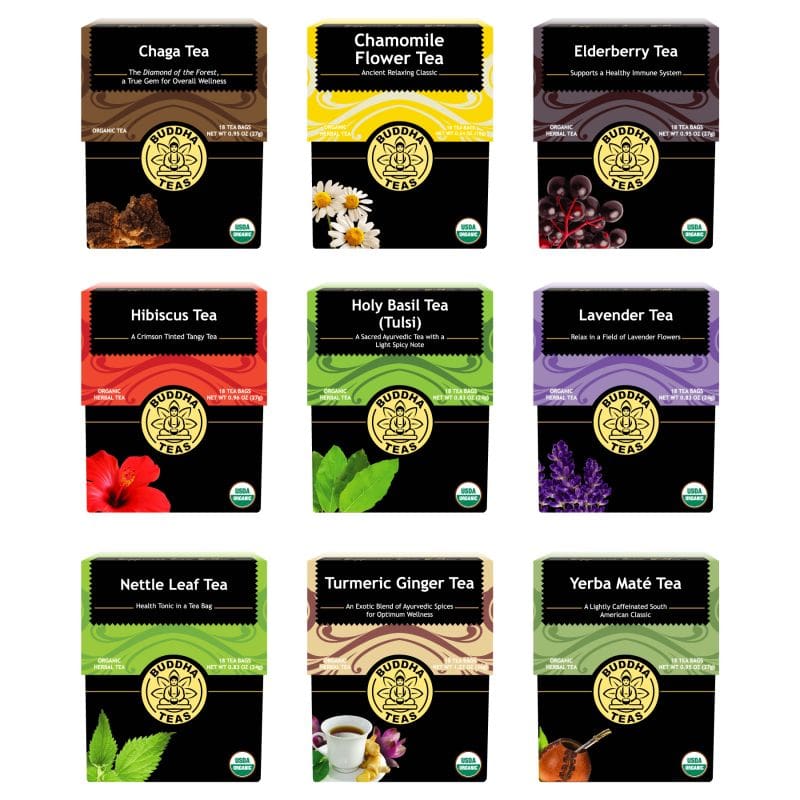
Are you curious about the world of herbal teas and how they can benefit your health? Look no further than this Beginner’s Guide to Herbal Teas and Their Health Benefits. Discover the fascinating array of herbal teas available, each with its own unique properties and potential positive effects on your well-being. Whether you’re seeking relaxation, improved digestion, or a natural boost to your immune system, this guide will introduce you to the wonderful world of herbal teas and provide insights into the potential health benefits they offer. So grab your favorite mug and get ready to embark on a flavorful journey towards a healthier, happier you.
What are herbal teas?
Definition of herbal teas
Herbal teas, also known as tisanes, are beverages made by infusing various herbs, flowers, fruits, and spices in hot water. These teas offer a wide range of flavors, aromas, and health benefits. Unlike traditional teas, which are derived from the Camellia sinensis plant, herbal teas do not contain any caffeine. They are a popular choice for those looking for a soothing and caffeine-free beverage option.
Difference between herbal teas and traditional teas
While traditional teas, such as green tea and black tea, come from the Camellia sinensis plant, herbal teas are made from a variety of other plants. This is why herbal teas are often referred to as “tisanes” to distinguish them from traditional teas. Additionally, traditional teas contain caffeine while herbal teas are caffeine-free. Another difference lies in the preparation method; traditional teas are typically brewed using only the leaves of the Camellia sinensis plant, whereas herbal teas may include a combination of leaves, flowers, fruits, and spices.
Common herbal tea ingredients
Herbal teas can be crafted using a wide range of ingredients. Some common herbs and botanicals used in herbal teas include:
-
Peppermint: Known for its refreshing and soothing properties, peppermint is often used for digestive issues and to promote relaxation.
-
Chamomile: Chamomile is well-known for its calming effects and is often used to alleviate anxiety, improve sleep quality, and reduce inflammation.
-
Ginger: Ginger is a popular ingredient for herbal teas due to its warming and digestive properties. It is commonly used to relieve nausea and soothe upset stomachs.
-
Lemon balm: Lemon balm is known for its citrusy aroma and is often used to promote relaxation and reduce stress. It is also believed to improve cognitive function.
-
Echinacea: Echinacea is commonly used in herbal teas to support immune health and improve overall well-being.
-
Hibiscus: Known for its vibrant red color, hibiscus tea is rich in antioxidants and is often enjoyed for its tangy and floral flavor. It may also offer cardiovascular and digestive benefits.
-
Rooibos: Rooibos tea is made from the leaves of the Aspalathus linearis plant, native to South Africa. It has a naturally sweet and nutty flavor and is often consumed for its potential antioxidant and anti-inflammatory properties.
-
Lavender: Lavender tea is known for its soothing and calming effects. It is often used to alleviate stress, anxiety, and promote restful sleep.
-
Nettle: Nettle tea is made from the leaves of the stinging nettle plant and is commonly used to support urinary health and reduce inflammation.
-
Passionflower: Passionflower tea is known for its calming and sedative effects and is often used to promote relaxation and alleviate insomnia.
These are just a few examples of the many herbs and botanicals that can be used to create delicious and beneficial herbal teas.
Health benefits of herbal teas
Natural remedies for common ailments
Herbal teas have been used for centuries as natural remedies for various ailments. Different herbs offer different therapeutic properties that can help alleviate common health issues. For example, ginger tea is often used to soothe nausea and aid digestion, while chamomile tea is known for its calming effects and ability to relieve anxiety. Peppermint tea can help with indigestion and bloating, while echinacea tea is believed to support the immune system. Incorporating herbal teas into your daily routine can be a gentle and natural way to address minor ailments.
Promoting relaxation and reducing stress
In today’s fast-paced world, finding ways to relax and reduce stress is essential for our overall well-being. Herbal teas, such as chamomile, lemon balm, and lavender, are known for their calming properties and can help promote relaxation. These teas can be enjoyed in the evening as part of a bedtime routine to create a sense of tranquility and prepare the mind and body for a good night’s sleep. Taking a few moments to savor a warm cup of herbal tea can be a simple and effective way to unwind and de-stress.
Boosting the immune system
Herbal teas can play a valuable role in supporting a healthy immune system. Certain herbs, such as echinacea and elderberry, are believed to have immune-boosting properties. Echinacea tea, in particular, is often used to strengthen the body’s defenses against common colds and flu. Including herbal teas that promote immune health in your daily routine can be a proactive step towards maintaining overall well-being and reducing the likelihood of falling ill.
Aiding digestion and relieving stomach issues
Many herbal teas have been traditionally used to support healthy digestion and alleviate common stomach issues. Peppermint tea, for instance, can be beneficial for easing indigestion, bloating, and abdominal discomfort. Ginger tea is also well-known for its digestive properties and is often consumed to soothe nausea and promote healthy digestion. These teas can be enjoyed after meals to aid in the digestion process and provide relief from digestive discomfort.
Improving sleep quality
Having a good night’s sleep is vital for overall health and well-being. Certain herbal teas, like chamomile and lavender, have calming properties that can help promote a restful sleep. Chamomile tea, in particular, is often recommended for those struggling with insomnia or maintaining a consistent sleep pattern. Sipping on a cup of herbal tea before bedtime can become a relaxing ritual that signals to your body that it’s time to wind down and prepare for a restorative sleep.
Providing antioxidants
Antioxidants are essential for protecting the body against damage caused by harmful free radicals. Many herbal teas are rich in antioxidants, including hibiscus tea, rooibos tea, and green tea. Hibiscus tea, with its vibrant red color, is known to be particularly high in antioxidants and may support cardiovascular health. Green tea is made from the Camellia sinensis plant but is also classified as an herbal tea when consumed without the addition of other ingredients. Including antioxidant-rich herbal teas in your daily routine can contribute to overall wellness and provide natural support for your body’s antioxidant defenses.
Supporting weight loss goals
While herbal teas alone are not a magic solution for weight loss, they can be a helpful addition to a balanced diet and exercise routine. Certain herbal teas, like green tea and oolong tea, have been associated with weight management benefits. Green tea, in particular, contains catechins that are believed to support metabolism and fat oxidation. Drinking herbal teas as part of an overall healthy lifestyle can potentially aid in weight management goals.
Choosing and preparing herbal teas
Selecting high-quality herbal teas
When it comes to herbal teas, choosing high-quality ingredients is key to ensure optimal taste and therapeutic benefits. Look for reputable brands or sources that offer organic or sustainably grown herbs. Organic herbs are free from pesticides and other harmful chemicals, making them a safer and healthier choice. It’s also important to store your herbal teas properly to maintain freshness and flavor.
Understanding different flavors and profiles
Herbal teas offer a wide range of flavors and profiles, so it’s worth exploring different options to find the ones that suit your taste preferences. Some herbal teas have a distinct floral taste, while others may be fruity or earthy. Consider trying a variety of herbal teas and taking note of the flavors you enjoy the most. This will help you personalize your herbal tea selections and find the ones that bring you the most pleasure.
Making herbal tea blends
Creating your own herbal tea blends can be a rewarding and creative process. Experimenting with different combinations of herbs, flowers, fruits, and spices allows you to customize your teas to match your preferences and desired health benefits. There are countless recipes and resources available to guide you in blending herbal teas, or you can simply trust your instinct and create unique combinations that appeal to you.
Brewing methods and temperatures
The brewing method and temperature can significantly impact the flavor and quality of your herbal tea. Generally, herbal teas are steeped in hot water rather than boiled like traditional teas. The optimal water temperature for herbal teas varies depending on the specific herbs being used. As a general guideline, a water temperature of around 200°F (93°C) is suitable for most herbal teas. However, some delicate herbs may require lower temperatures to avoid the loss of essential oils and flavors. It’s best to follow the brewing instructions provided with the herbal tea or experiment with different temperatures to find your preferred brewing method.
Recommended steeping times
Steeping times for herbal teas can also vary depending on the ingredients. While some herbal teas require only a few minutes of steeping, others may require a longer infusion to extract the full flavor and benefits. As a starting point, steep herbal teas for around 5-7 minutes and adjust the steeping time based on your personal taste preference. Keep in mind that over-steeping herbal teas may result in a stronger taste or a bitter flavor, so it’s important to find the right balance.
Sweeteners and additives
Herbal teas can be enjoyed on their own or enhanced with natural sweeteners or additives. Honey or stevia are popular natural sweeteners that can complement the flavors of herbal teas without overpowering them. Lemon or lime juice can add a refreshing twist, while cinnamon or nutmeg can provide a subtle warmth. Experimenting with different sweeteners and additives can help you discover new dimensions of flavor in your herbal teas.
Common types of herbal teas
Peppermint tea
Peppermint tea is renowned for its refreshing taste and soothing properties. It is often enjoyed after meals to aid digestion, reduce bloating, and relieve indigestion. Peppermint tea can also help alleviate headaches and promote relaxation.
Chamomile tea
Chamomile tea has been used for centuries to induce calm and promote relaxation. It is often consumed in the evening to unwind before bed, as it can have a gentle sedative effect. Chamomile tea is also known for its ability to soothe anxiety, aid digestion, and reduce inflammation.
Ginger tea
Ginger tea is prized for its warming and invigorating qualities. It is commonly used to alleviate nausea, calm an upset stomach, and support healthy digestion. Ginger tea is also believed to have anti-inflammatory properties and may help boost the immune system.
Lemon balm tea
Lemon balm tea has a delightful citrusy aroma and a mild, lemony taste. It is often enjoyed for its calming effects and is believed to reduce stress, anxiety, and promote better sleep. Lemon balm tea may also support cognitive function and improve mood.
Echinacea tea
Echinacea tea is a popular choice for supporting immune health. It is believed to strengthen the body’s natural defenses and help fight off common colds and flu. Echinacea tea can be enjoyed both for its potential health benefits and its mild, slightly floral taste.
Hibiscus tea
Hibiscus tea is loved for its vibrant red color and tangy flavor. It is rich in antioxidants, which may help support cardiovascular health. Hibiscus tea is also believed to have diuretic properties and can be a refreshing choice for hot summer days.
Rooibos tea
Rooibos tea, also known as “red tea,” is made from the leaves of the Aspalathus linearis plant native to South Africa. It has a naturally sweet and nutty flavor, making it a popular choice for those seeking a caffeine-free alternative to traditional teas. Rooibos tea is rich in antioxidants and may offer anti-inflammatory benefits.
Lavender tea
Lavender tea is known for its soothing and calming qualities. It is often enjoyed in the evening as a way to relax and prepare for sleep. Lavender tea may help reduce anxiety, promote restful sleep, and alleviate headaches.
Nettle tea
Nettle tea is made from the leaves of the stinging nettle plant. It is commonly used to support urinary health, reduce inflammation, and relieve allergy symptoms. Nettle tea has a subtle grassy flavor and is thought to be highly nutritious.
Passionflower tea
Passionflower tea is celebrated for its calming effects and ability to promote relaxation. It is often used to alleviate anxiety, reduce insomnia, and enhance sleep quality. Passionflower tea has a mildly floral taste and can be enjoyed both hot and cold.
Possible side effects and precautions
Allergies and potential reactions
While herbal teas are generally considered safe, it is important to be aware of potential allergies or adverse reactions. Some individuals may have allergies to specific herbs, flowers, or spices used in herbal teas. If you have known allergies or sensitivities, it’s best to read the ingredient list carefully or consult with a healthcare professional before trying a new herbal tea.
Interaction with medications
Certain herbs used in herbal teas may interact with medications, either by enhancing or inhibiting their effects. It is crucial to seek advice from a healthcare professional, especially if you are taking prescription medications or have a specific medical condition. They can provide guidance on potential interactions and help determine if certain herbal teas are safe for you to consume.
Pregnancy and breastfeeding considerations
Pregnant and breastfeeding individuals should exercise caution when consuming herbal teas, as some herbs may not be suitable during these times. It is best to consult with a healthcare professional to determine which herbal teas are safe and beneficial during pregnancy or breastfeeding. Certain herbs, such as chamomile and ginger, are generally considered safe in moderation, while others should be avoided entirely.
Effects on blood pressure and heart health
Some herbal teas, such as hibiscus tea, may have a mild impact on blood pressure. If you have pre-existing blood pressure concerns or cardiovascular conditions, it’s advisable to consult with a healthcare professional before regularly consuming certain herbal teas. They can guide you on suitable herbal teas based on your specific health needs and potential concerns.
Consulting a healthcare professional
Considering individual health conditions
When incorporating herbal teas into your lifestyle, it is important to consider your individual health conditions and needs. Certain herbs or ingredients may not be suitable for everyone, especially those with specific medical conditions. Consulting with a healthcare professional is recommended, particularly if you have any underlying health concerns or are taking medications.
Seeking advice for specific concerns or interactions
If you have specific health concerns or questions about potential interactions with other medications or treatments, a healthcare professional can provide personalized guidance. They can help determine which herbal teas are safe for you to consume and recommend specific herbs that may be beneficial for your unique needs.
Exploring herbal teas beyond health benefits
Cultural and historical significance
Herbal teas have a rich cultural and historical significance around the world. Different cultures have valued and cherished herbal teas for centuries, using them not only for their health benefits but also for their unique flavors, aromas, and cultural rituals. Exploring the cultural and historical aspects of herbal teas can deepen your appreciation for these beverages and provide insights into traditional practices.
Herbal teas for aromatherapy and relaxation
In addition to their taste, herbal teas can also be used for aromatherapy and relaxation purposes. The steam and aroma released by steeping herbal teas can have a soothing and therapeutic effect on the senses. Simply inhaling the fragrant steam while sipping your tea can provide a moment of tranquility and contribute to a mindful and calming experience.
Home remedies and natural beauty treatments
Herbs used in herbal teas are not limited to beverage preparations; they can also be incorporated into home remedies and natural beauty treatments. For example, cooled herbal tea bags can be placed on the eyes to reduce puffiness, and herbal tea infusions can be used as a hair rinse or as a soothing ingredient in DIY skincare products. Discovering the versatility of herbal teas can open up a world of natural remedies and beauty rituals.
Herbal teas as part of a healthy lifestyle
Incorporating herbal teas into daily routines
To fully benefit from herbal teas, it is important to incorporate them into your daily routine. Whether it’s substituting your morning coffee for a herbal tea or enjoying a cup in the evening as part of a wind-down ritual, making herbal teas a regular part of your lifestyle allows you to experience their potential health benefits and create moments of relaxation and mindfulness.
Balancing herbal teas with hydration
While herbal teas are a wonderful addition to your beverage choices, it’s important to remember that they should not replace plain water as the primary source of hydration. Herbal teas can be complementary to staying adequately hydrated, but they may have diuretic effects or contain ingredients that require moderation. Be mindful of balancing your herbal tea consumption with ample water intake to maintain proper hydration throughout the day.
Limitations and moderation
As with anything, moderation is key when consuming herbal teas. While these teas offer numerous health benefits, excessive consumption or relying solely on herbal teas may not be advisable. It’s important to maintain a varied and balanced diet, incorporating other nutritious foods and beverages alongside herbal teas. Additionally, some herbs may have specific contraindications or potential side effects when consumed in large quantities, so it’s best to follow recommended guidelines and consult a healthcare professional when in doubt.
Storing and preserving herbal teas
Proper storage to maintain freshness
To preserve the freshness and flavor of your herbal teas, proper storage is crucial. It’s best to store herbal teas in airtight containers, away from direct light, heat, and moisture. This helps protect the integrity of the herbal tea leaves and extends their shelf life.
Shelf life and expiration dates
Herbal teas have varying shelf lives depending on the ingredients used. While some herbal teas can stay fresh for several years if stored properly, others may have a shorter shelf life. To ensure the best quality, check for expiration dates on the packaging and consume herbal teas within the recommended time frame.
Preventing flavor contamination
As herbal teas absorb flavors and odors easily, it’s important to keep them away from strong-smelling substances such as spices, coffee, or cleaning agents. Storing herbal teas separately from other food items can help prevent flavor contamination and maintain the purity of their individual flavors.
Avoiding moisture and sunlight exposure
Exposure to moisture and sunlight can degrade the quality of herbal teas over time. It is important to store herbal teas in a cool and dry place, away from direct sunlight and high humidity. This will help preserve their flavors and aroma for an extended period.
Exploring unique and exotic herbal teas
Rarity and specialty herbal teas
Beyond the common herbal tea varieties, there are numerous rare and specialty herbal teas available to explore. These teas may be derived from unique plant species, grown in specific regions, or harvested at specific times of the year. Some rare herbal teas, such as butterfly pea flower tea or gyokuro, offer unusual flavors and appearances that make them a fascinating addition to any tea enthusiast’s collection.
Discovering teas from different cultures
Each culture has its own unique herbal tea traditions and offerings. Exploring teas from different cultures allows you to appreciate the diverse flavors, customs, and rituals associated with herbal teas. Whether it’s the mint tea of Morocco, the ayurvedic blends of India, or the herbal infusions of South America, immersing yourself in the world of herbal teas can be a delightful and enriching experience.
Online resources and purchasing options
Thanks to the internet, accessing a wide variety of herbal teas has never been easier. Numerous online retailers specialize in sourcing and selling high-quality herbal teas from around the world. These retailers often provide detailed descriptions, brewing instructions, and customer reviews to help you make informed choices. Additionally, there are plenty of online resources, including blogs and forums, that provide valuable information and insights on herbal teas, helping you expand your knowledge and appreciation of these delightful beverages.
In conclusion, herbal teas offer a diverse array of flavors, aromas, and health benefits. From promoting relaxation and reducing stress to supporting digestion and boosting the immune system, herbal teas have been cherished for centuries for their natural remedies and soothing properties. By understanding the different types of herbal teas, their health benefits, and how to choose, prepare, and store them properly, you can fully enjoy the wonders of the herbal tea world. So why not make herbal teas a part of your daily routine and embrace the numerous advantages they can bring to your overall wellness and enjoyment? Cheers to exploring the world of herbal teas!