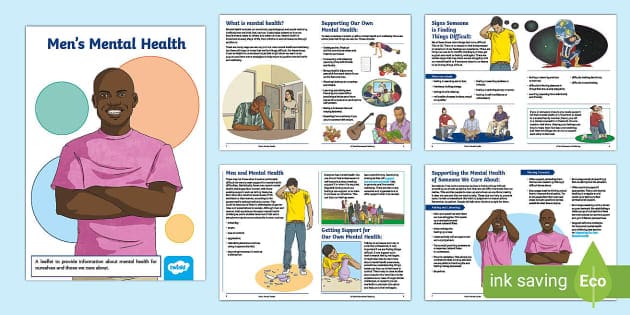
Welcome to the beginner’s guide to improving men’s mental health! In this article, you will discover simple and effective strategies to boost your mental well-being and support the men in your life. From practicing self-care and seeking professional help when needed, to engaging in social connections and staying physically active, you will learn practical tips on how to prioritize your mental health and thrive in all aspects of your life. Let’s embark on this journey towards a happier and healthier mind together. Have you ever wondered how you can take better care of your mental health as a man? In today’s fast-paced world, it’s easy to neglect our mental well-being. But it’s crucial to prioritize mental health just as much as physical health. If you’re looking to improve your mental health but don’t know where to start, this beginner’s guide is for you. Let’s explore some simple yet effective ways to enhance men’s mental well-being.

Understanding Men’s Mental Health
Understanding men’s mental health is the first step towards improving it. Men’s mental health is often overlooked or stigmatized, making it challenging for men to seek help or even acknowledge their struggles. It’s essential to break down these barriers and recognize that mental health is just as important as physical health.
Breaking the Stigma
Men are often taught to suppress their emotions and not show vulnerability. This societal expectation can lead to men ignoring their mental health needs and struggling in silence. Breaking the stigma around men’s mental health is crucial in encouraging men to seek help and support when needed. Remember, it’s okay to not be okay, and seeking help is a sign of strength, not weakness.
Common Mental Health Issues in Men
Men are more likely to experience certain mental health conditions, such as depression and anxiety. These issues can manifest differently in men compared to women, making it important to recognize the symptoms and seek appropriate care. Common signs of mental health issues in men include irritability, anger, substance abuse, and physical symptoms like headaches or stomach problems.
Tips for Improving Men’s Mental Health
Now that you have a better understanding of men’s mental health, let’s explore some practical tips for improving it. Incorporating these simple strategies into your daily routine can make a significant difference in your overall well-being.
Regular Exercise
Physical activity is not only beneficial for your physical health but also plays a crucial role in improving your mental well-being. Exercise has been shown to reduce stress, anxiety, and depression while boosting mood and self-esteem. Whether it’s going for a run, lifting weights, or practicing yoga, find an activity that you enjoy and make it a regular part of your routine.
Healthy Eating Habits
A balanced diet rich in nutrients can have a positive impact on your mental health. Certain foods, such as fruits, vegetables, whole grains, and lean proteins, are known to support brain function and mood regulation. Avoiding excessive sugar, caffeine, and processed foods can also help stabilize your mood and energy levels. Remember, nourishing your body with wholesome foods is essential for overall well-being.
Adequate Sleep
Quality sleep is essential for your mental health and overall functioning. Lack of sleep can negatively impact your mood, cognitive abilities, and stress levels. Aim for 7-9 hours of uninterrupted sleep each night and establish a bedtime routine to promote restful sleep. Avoiding screens, caffeine, and heavy meals before bedtime can help improve your sleep quality.
Stress Management Techniques
Managing stress is crucial for maintaining good mental health. Chronic stress can lead to anxiety, depression, and other mental health issues. Practicing stress management techniques such as deep breathing, meditation, mindfulness, or relaxation exercises can help you cope with stress more effectively. Find what works best for you and incorporate stress-reducing activities into your daily routine.
Social Connections
Social connections play a vital role in men’s mental health. Building and maintaining strong relationships with friends, family, or a support network can provide emotional support, companionship, and a sense of belonging. Take the time to connect with others, whether it’s through face-to-face interactions, phone calls, or social activities. Remember, it’s okay to reach out for help and lean on others during challenging times.
Hobbies and Leisure Activities
Engaging in hobbies and leisure activities is a great way to unwind, relax, and enjoy life. Whether it’s playing sports, painting, gardening, or reading, find activities that bring you joy and make time for them regularly. Hobbies can help reduce stress, boost creativity, and improve your overall well-being. Prioritize self-care and make time for activities that make you happy.
Seeking Professional Help
Sometimes, improving men’s mental health may require seeking professional help. If you’re struggling with persistent feelings of sadness, anxiety, or other mental health issues, don’t hesitate to reach out to a mental health professional. Therapy, counseling, or medication may be beneficial in addressing your concerns and improving your mental well-being. Remember, seeking help is a sign of strength, and you deserve to prioritize your mental health.
Types of Mental Health Professionals
There are various mental health professionals you can turn to for support. These may include:
- Psychiatrists: Medical doctors who can diagnose and treat mental health conditions, often through medication management.
- Psychologists: Trained professionals who provide therapy and counseling to help individuals navigate mental health challenges.
- Licensed Therapists or Counselors: Professionals who offer talk therapy and support for mental health concerns.
- Support Groups: Communities of individuals who share similar experiences and provide encouragement and understanding.
Online Resources
In addition to traditional therapy options, there are numerous online resources and mental health support services available for men. These may include:
- Telehealth Services: Virtual therapy sessions and counseling from the comfort of your home.
- Mental Health Apps: Mobile applications that provide tools for managing stress, anxiety, and other mental health concerns.
- Online Support Groups: Virtual communities where individuals can connect, share experiences, and offer support to one another.

Building a Support Network
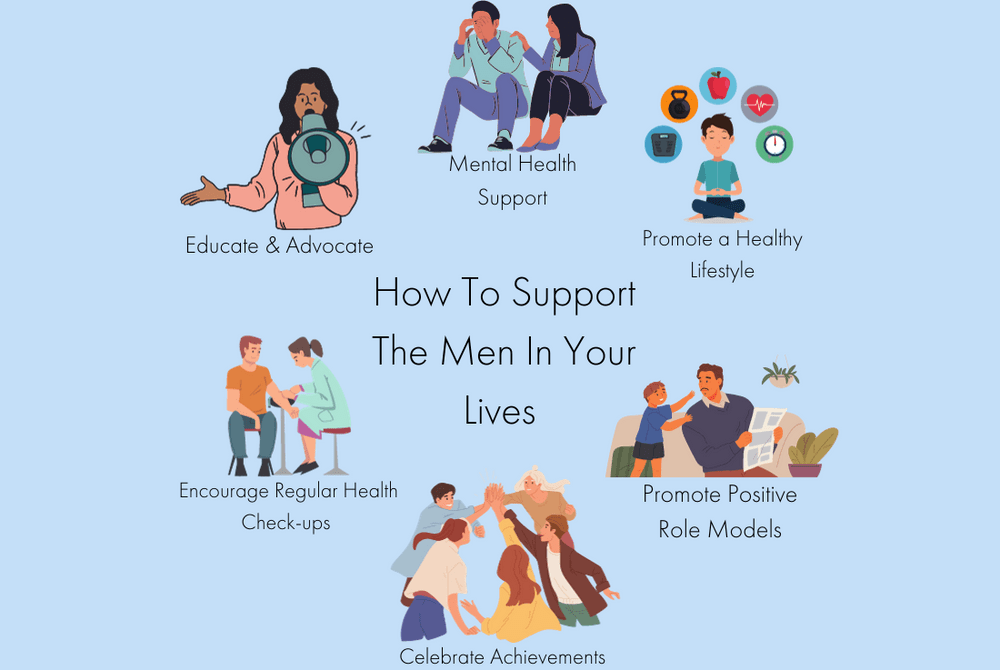
Building a support network is essential for men’s mental health. Surrounding yourself with positive influences, supportive individuals, and trusted confidants can provide an invaluable source of encouragement and understanding. Whether it’s family, friends, or colleagues, cultivate relationships that nurture your well-being and offer a safe space for expressing your thoughts and feelings.
Connecting with Others
Making an effort to connect with others can significantly impact your mental health. Whether it’s attending social events, joining clubs or groups, or simply reaching out to a friend, prioritizing social connections can boost your mood and sense of belonging. Remember, it’s okay to share your struggles and vulnerabilities with others – you don’t have to face challenges alone.
Communicating Openly
Effective communication is key to maintaining healthy relationships and seeking support when needed. Practice open and honest communication with those in your support network, expressing your thoughts, feelings, and concerns clearly. Remember, vulnerability is a sign of strength, and sharing your struggles can help you feel heard and understood.
Setting Boundaries
Setting boundaries is essential for preserving your mental health and well-being. Learn to say no to activities or commitments that drain your energy or cause stress. Prioritize self-care and protect your emotional and mental space by establishing healthy boundaries with others. Remember, it’s okay to prioritize your needs and take care of yourself first.
Conclusion
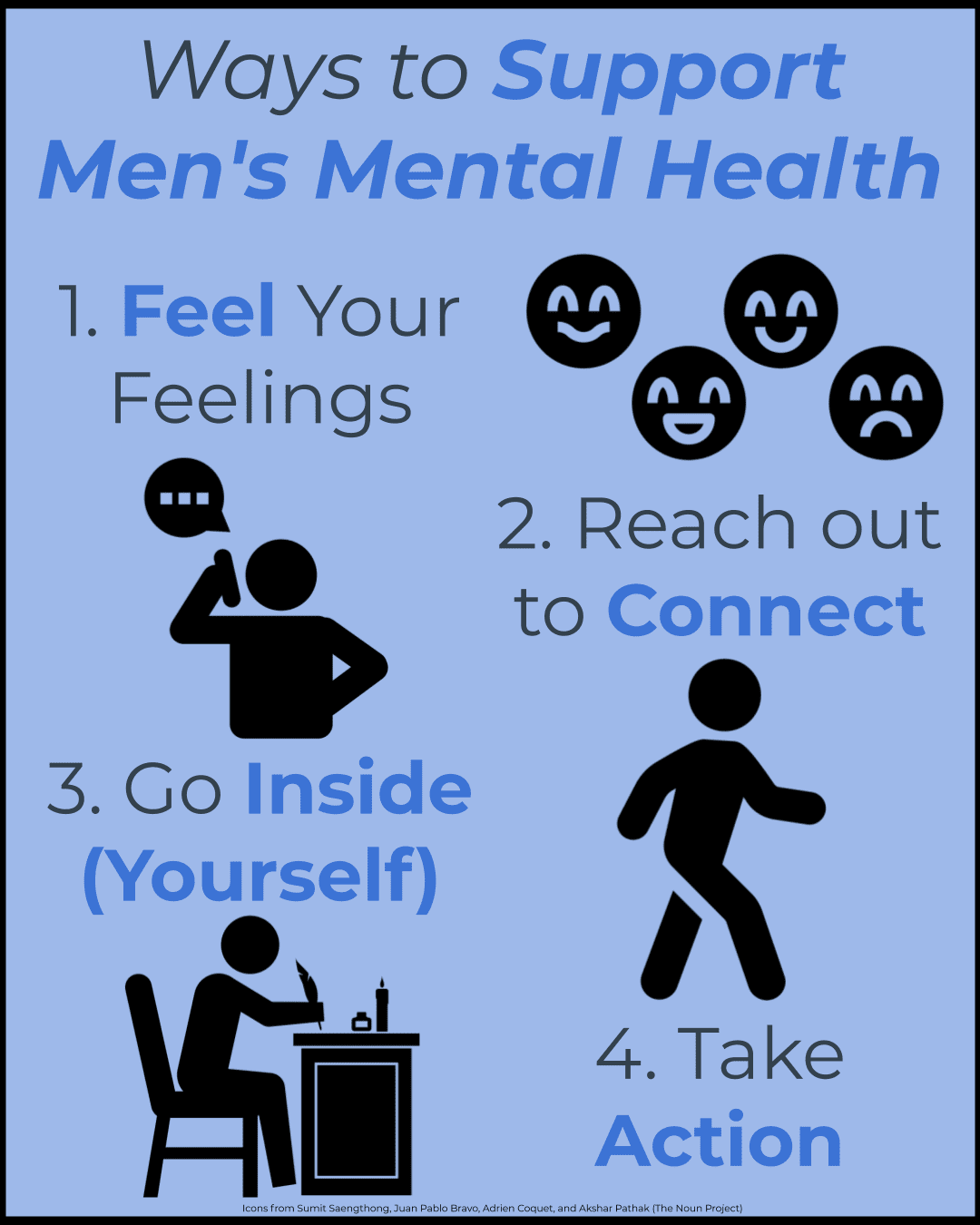
Improving men’s mental health is a journey that requires self-awareness, self-care, and support from others. By understanding the unique challenges men face in maintaining good mental health and implementing practical strategies for well-being, you can make positive changes in your life. Remember, it’s okay to prioritize your mental health and seek help when needed. You deserve to live a fulfilling and happy life, free from the burden of mental health issues. Take the first step towards better mental health today and start prioritizing your well-being.