
Are you curious about intermittent fasting but not sure where to start? Look no further! In this beginner’s guide to intermittent fasting, we will explore the ins and outs of this increasingly popular eating pattern. Whether you’re looking to lose weight, boost your energy levels, or simply improve your overall health, intermittent fasting may be the solution you’ve been searching for. So grab a cup of tea, sit back, and let’s dive into the world of intermittent fasting together!
What is Intermittent Fasting
Intermittent fasting has become a popular lifestyle choice for those looking to improve their overall health and well-being. But what exactly is intermittent fasting? In simple terms, intermittent fasting is an eating pattern that cycles between periods of fasting and eating. Rather than focusing on what you eat, it’s more about when you eat.
Definition of Intermittent Fasting
Intermittent fasting involves alternating between periods of fasting and eating within a specific timeframe. This eating pattern doesn’t restrict the types of food you can consume but rather creates a structure for when you should eat. The fasting period can range from a few hours to several days, depending on the method you choose. Intermittent fasting can be a powerful tool for weight loss and has numerous other health benefits.
Different Types of Intermittent Fasting
There are several different methods of intermittent fasting, each with its own unique approach. The most common types include:
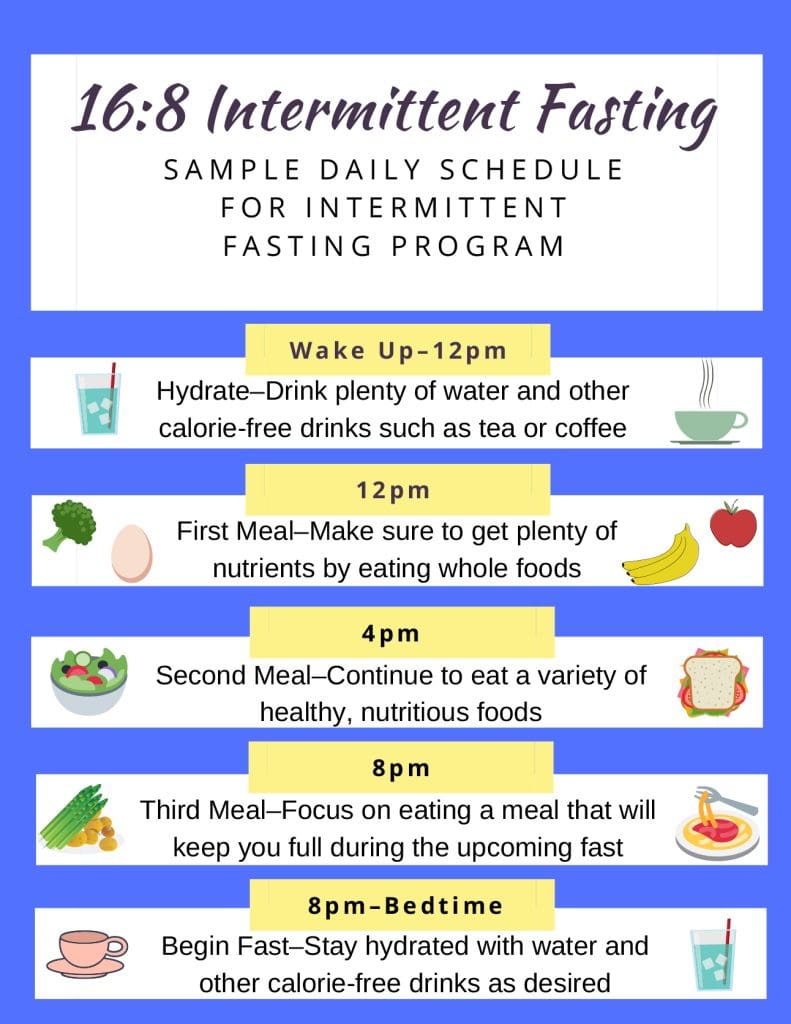
1. 16/8 Method: This method involves fasting for 16 hours and restricting your eating window to 8 hours each day. For example, you may choose to fast from 8:00 PM until 12:00 PM the next day and then eat between 12:00 PM and 8:00 PM.
2. 24-Hour Fast: With this method, you fast for a full 24 hours once or twice a week. For example, you may choose not to eat between dinner one day and dinner the following day.
3. 5:2 Diet: This method involves eating normally for five days of the week and restricting your calorie intake to 500-600 calories for two non-consecutive days.
These are just a few examples, and it’s essential to choose a fasting method that aligns with your lifestyle and goals.
Benefits of Intermittent Fasting
The growing popularity of intermittent fasting can be attributed to its wide range of health benefits. Let’s delve into some of the key advantages of incorporating intermittent fasting into your routine:
Weight Loss
One of the primary reasons people turn to intermittent fasting is for weight loss. By limiting the hours during which you can eat, intermittent fasting helps create a calorie deficit, which can lead to weight loss over time. Additionally, fasting has been shown to boost metabolism and increase fat burning.
Improved Insulin Sensitivity
Intermittent fasting can also improve insulin sensitivity, which is crucial for managing and preventing conditions like type 2 diabetes. When you fast, your body becomes more efficient at using insulin and controlling blood sugar levels.
Reduced Inflammation
Chronic inflammation is linked to various health issues, including heart disease, cancer, and autoimmune disorders. Intermittent fasting has been shown to reduce markers of inflammation in the body, leading to improved overall health and a reduced risk of chronic diseases.
Better Brain Health
Intermittent fasting has been found to benefit brain health by promoting the growth of new nerve cells and improving cognitive function. It may also reduce the risk of neurodegenerative diseases like Alzheimer’s and Parkinson’s.
Longevity
Some studies suggest that intermittent fasting may promote longevity and increase lifespan. Fasting has been shown to activate certain genes and cellular repair processes that can slow down the aging process and extend lifespan in various organisms.
Getting Started with Intermittent Fasting
Ready to give intermittent fasting a try? Follow these steps to get started on your fasting journey:
Consult a Healthcare Professional
Before embarking on any new dietary regimen, it’s essential to consult a healthcare professional. They can assess your individual health needs and provide guidance on how to safely incorporate intermittent fasting into your lifestyle.
Choose an Intermittent Fasting Method
Consider the different fasting methods and choose one that suits your preferences and goals. Whether it’s the 16/8 method or the 5:2 diet, select a method that you feel comfortable with and can adhere to.
Set a Fasting Schedule
Once you’ve chosen your fasting method, it’s time to set a fasting schedule. Decide on the duration of your fasting window and the times during which you’ll eat. Consistency is key, so try to stick to your schedule as closely as possible.
Ease into Fasting
If you’re new to fasting, it can be helpful to gradually ease into it. Start by extending the time between your last meal of the day and your first meal the following day. Slowly increase the fasting period over time until you reach your desired fasting window.
Understanding the Fasting Window
What is the Fasting Window
The fasting window refers to the period during which you abstain from eating and only consume calorie-free fluids like water, tea, or coffee. It begins after your last meal of the day and lasts until your first meal the next day.
Different Fasting Window Options
The fasting window can vary depending on the method you choose. In the 16/8 method, the fasting period is 16 hours, while in the 24-hour fast, you fast for a full day. Experiment with different fasting window options to find what works best for you and your body.
Tips for Making the Fasting Window Easier
Adjusting to the fasting window can take some time, but there are ways to make it more manageable. Stay hydrated by drinking plenty of water throughout the fasting period. Keep yourself busy with activities to distract yourself from any hunger pangs. Additionally, gradually reduce your caloric intake before entering the fasting period to avoid sudden hunger.

What to Eat During the Eating Window
Healthy and Balanced Diet
While intermittent fasting doesn’t restrict the types of food you can eat, it’s still essential to focus on a healthy and balanced diet during your eating window. This will maximize the benefits of your fast and support your overall well-being.
Foods to Include
During your eating window, aim to include whole, nutrient-dense foods in your meals. This means incorporating plenty of fruits, vegetables, lean proteins, whole grains, and healthy fats into your diet.
Foods to Avoid
Just as important as knowing what to include in your eating window is knowing what to avoid. Try to minimize your intake of processed foods, sugary snacks, and beverages, as well as foods high in saturated fats.
Importance of Hydration
Staying hydrated is vital during intermittent fasting. Drink plenty of water throughout the day to ensure you’re properly hydrated. You can also consume herbal teas and black coffee in moderation during the fasting period to help curb hunger.
Tips to Manage Hunger and Cravings
Hunger and cravings can be challenging to manage, especially when you’re new to intermittent fasting. Here are some helpful tips to help you navigate these feelings:
Stay Hydrated
Drinking water can help reduce feelings of hunger. When hunger strikes, reach for a glass of water before automatically reaching for food. Often, dehydration can be mistaken for hunger.
Eat Fiber-Rich Foods
Fiber-rich foods like fruits, vegetables, and whole grains can help keep you feeling full for longer. Incorporate these into your meals during your eating window to help control hunger and cravings.
Include Protein in Your Meals
Protein is known for its ability to promote satiety. Including lean sources of protein in your meals can help you feel more satisfied and reduce the likelihood of experiencing hunger and cravings.
Get Regular Exercise
Engaging in regular physical activity can help distract you from any hunger or cravings you may be experiencing. Exercise also releases endorphins, which can improve your mood and overall well-being.

Intermittent Fasting for Women
Considerations for Women
Women, in particular, need to consider some additional factors when practicing intermittent fasting. It’s important to listen to your body and make adjustments as needed.
Potential Effects on Hormones
Intermittent fasting can affect hormone regulation in women, especially for those who experience irregular menstrual cycles or have hormonal imbalances. Pay attention to any changes in your menstrual cycle and consult with a healthcare professional if necessary.
Adapting Fasting Schedule for Menstrual Cycle
Some women prefer to adapt their fasting schedule to align with their menstrual cycle. It’s entirely up to you whether you choose to continue fasting during your period or modify your fasting window to accommodate your body’s needs.
Common Mistakes to Avoid
While intermittent fasting is generally safe and effective, there are a few common mistakes that beginners should avoid:
Skipping Meals in the Eating Window
It’s crucial not to skip meals during your eating window. Intermittent fasting is not an excuse to starve yourself or skip meals altogether. Ensure you’re consuming enough calories and nutrients to support your body’s needs.
Overeating during Feeding Window
On the flip side, overeating during your feeding window can negate the benefits of fasting. Be mindful of portion sizes and listen to your body’s hunger and satiety cues.
Not Listening to Your Body
If your body is telling you that intermittent fasting isn’t a good fit for you, it’s important to listen. Everyone’s bodies are different, and what works for one person may not work for another. Pay attention to how you feel physically and mentally and make adjustments accordingly.
Neglecting Nutritional Needs
Intermittent fasting shouldn’t be an excuse to ignore your nutritional needs. Be sure to incorporate a wide variety of nutrient-dense foods into your meals during your eating window to support overall health and well-being.

Monitoring Progress and Adjusting
Tracking Weight Loss and Health Goals
Monitoring your progress is an essential part of any health journey. Keep track of your weight loss and any other health goals you may have. This can help you stay motivated and make adjustments if needed.
Listening to Your Body
Your body is your best guide when it comes to intermittent fasting. Pay attention to how you feel physically and mentally throughout the fasting process. If something doesn’t feel right, don’t hesitate to make adjustments or seek guidance from a healthcare professional.
Making Adjustments for Optimal Results
Intermittent fasting is not a one-size-fits-all approach, and what works for one person may not work for another. Don’t be afraid to make adjustments to your fasting schedule or method to achieve optimal results.
Conclusion
Intermittent fasting offers a range of benefits, from weight loss to improved insulin sensitivity and better brain health. By following the steps to getting started, understanding the fasting window, making mindful food choices, and managing hunger and cravings, you can experience the positive effects of intermittent fasting on your well-being. Remember, everyone’s journey is unique, so consult with a healthcare professional, listen to your body, and make adjustments along the way. With a little determination and commitment, intermittent fasting can be a valuable tool in your pursuit of a healthier lifestyle. So why not give it a try and see how it can positively impact your life?
