
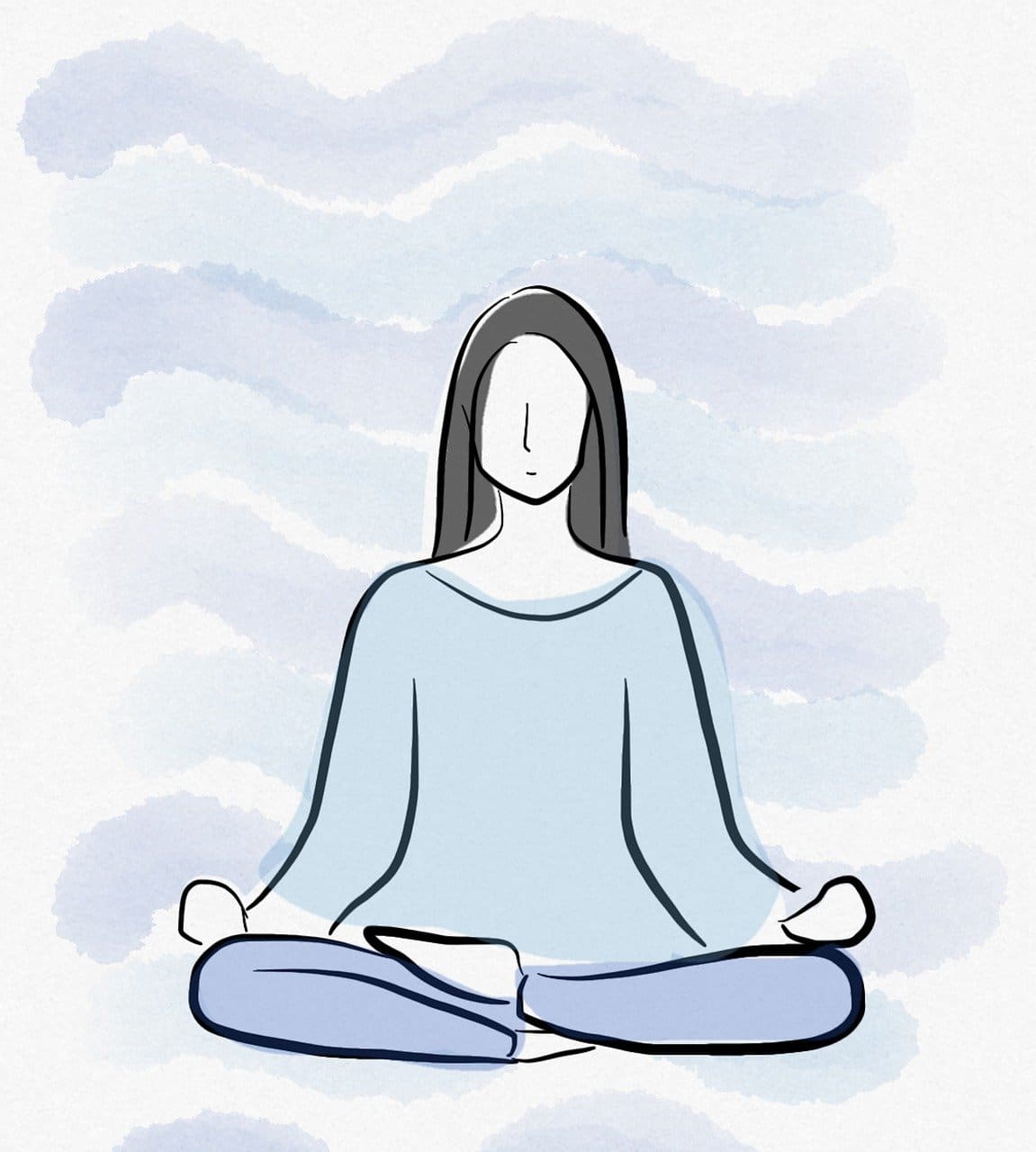
Are you a man seeking inner peace and a greater sense of clarity in your daily life? Look no further than this beginner’s guide to practicing mindfulness. In today’s fast-paced world, it can be easy to lose sight of the present moment and become overwhelmed by stress. However, by incorporating simple mindfulness techniques into your routine, you can cultivate a greater sense of awareness and tranquility. From deep breathing exercises to mindful meditation, this guide will equip you with the tools to embark on a journey of self-discovery and well-being. So, gentlemen, get ready to tap into your inner calm and experience the transformative power of mindfulness.
Understanding Mindfulness
What is mindfulness?
Mindfulness is a practice that involves bringing your attention to the present moment. It is about intentionally focusing on what is happening right now without judgment or attachment to thoughts, emotions, or external distractions. When you are mindful, you are fully engaged in your present experience, allowing yourself to be fully aware of your thoughts, sensations, and surroundings.
Benefits of mindfulness
Practicing mindfulness offers numerous benefits for both the mind and the body. It can help reduce stress, anxiety, and depression, improve sleep quality, enhance focus and concentration, strengthen emotional resilience, and promote overall well-being. Mindfulness has also been shown to lower blood pressure, improve cardiovascular health, and boost immune function. Incorporating mindfulness into your daily routine can lead to greater self-awareness, a sense of calmness, and improved relationships with yourself and others.
Misconceptions about mindfulness
There are some common misconceptions about mindfulness that can hinder people from practicing it. One misconception is that mindfulness is only for spiritual or religious individuals. However, mindfulness is a secular practice that can be beneficial for anyone, regardless of their beliefs or background. Another misconception is that mindfulness requires a significant time commitment. While setting aside dedicated time for mindfulness practice is beneficial, even brief moments of mindfulness throughout the day can make a difference. Lastly, some people believe that mindfulness is about emptying the mind or stopping thoughts altogether. In reality, mindfulness is about acknowledging and accepting thoughts and emotions without judgment, allowing them to come and go.
Getting Started with Mindfulness
Setting aside time for mindfulness practice
To begin exploring mindfulness, it is helpful to set aside specific times in your day dedicated to practice. Start with short periods, such as five to ten minutes, and gradually increase the duration as you become more comfortable. Find a time that works best for you, whether it’s in the morning, during a lunch break, or before bed. Consistency is key, so try to establish a regular routine that fits into your schedule.
Creating a comfortable and quiet space
Having a designated space for your mindfulness practice can enhance your experience. Choose a quiet area where you can sit or lie down comfortably. Consider using cushions or a meditation bench to support proper posture. Remove any distractions or turn off notifications on your phone. You can further create a soothing environment by adding candles, soft lighting, or calming music.
Choosing the right mindfulness technique
There are various mindfulness techniques to choose from, and it’s important to find one that resonates with you. Some popular techniques include breath awareness, body scan meditation, mindful walking, and loving-kindness meditation. Experiment with different techniques to see which one feels most natural and beneficial to you. You can also explore guided mindfulness practices through apps, online videos, or attending mindfulness workshops.

Breathing Exercises for Mindfulness
Deep breathing
Deep breathing is a simple yet effective breathing exercise that can help calm the mind and relax the body. Find a comfortable position, either sitting or lying down. Take a slow, deep breath in through your nose, allowing your abdomen to expand fully. Pause briefly, and then exhale slowly through your mouth, letting go of any tension or stress. Repeat this process for several minutes, focusing your attention solely on each breath and the sensation of inhaling and exhaling.
Diaphragmatic breathing
Diaphragmatic breathing, also known as belly breathing, involves consciously engaging the diaphragm to promote deep relaxation and stress relief. Place one hand on your chest and the other on your abdomen. Take a slow breath in through your nose, allowing your abdomen to rise as you fill your lungs with air. Exhale gently through your mouth, feeling your abdomen lower. Continue this pattern, focusing on the movement of your abdomen and the sensation of your breath.
Counting breaths
Counting breaths is a technique that helps improve focus and concentration. In this exercise, you will count each breath cycle from one to ten. Find a comfortable position and close your eyes if it feels comfortable for you. Take a natural breath in and out, and with each exhale, silently count “one.” Inhale again and exhale, counting “two.” Continue this pattern, counting up to ten, and then start over at one. If your mind wanders, gently bring your attention back to counting your breaths.
Observing the breath
Observing the breath is a practice of simply noticing and observing each breath without trying to change or control it. Find a comfortable position and gently bring your attention to your breath. Notice the sensation of the breath entering and leaving your body. Observe the pace, depth, and texture of each breath. If your mind starts to wander, gently bring your focus back to the breath, using it as an anchor to the present moment.
Body Scan Meditation
What is body scan meditation?
Body scan meditation is a practice that involves systematically focusing your attention on different parts of your body. It helps to increase body awareness, release tension, and promote relaxation. During a body scan, you bring non-judgmental attention to each part of your body, noticing any sensations or areas of discomfort.
Steps to practice body scan meditation
To practice body scan meditation, find a comfortable position either sitting or lying down. Close your eyes and take a few deep breaths to center yourself. Begin by bringing your attention to the top of your head and slowly scan down through your body, paying attention to each body part as you go. Notice any sensations or tension, and allow your breath to gently guide your attention and relaxation. If you encounter areas of discomfort, try to breathe into those areas and release any tension or tightness.
Benefits of body scan meditation
Body scan meditation can yield numerous benefits, such as stress reduction, improved body awareness, and a greater sense of relaxation. By systematically focusing on each body part, you become more attuned to subtle sensations and tensions that you may not have been aware of before. This practice can also help you identify areas of your body where you hold tension, allowing you to release and relax those areas. Over time, regular body scan meditation can lead to a deeper mind-body connection and a greater sense of well-being.

Mindful Walking
Benefits of mindful walking
Walking can be transformed into a mindful practice by bringing awareness to each step and the sensations in your body while you move. Mindful walking offers numerous benefits, such as reducing stress, promoting mental clarity, and improving overall physical health. It can bring a sense of grounding and connection to the present moment, allowing you to fully experience your surroundings and the act of walking itself.
How to practice mindful walking
To practice mindful walking, choose a location where you can walk safely and without distractions. Begin by bringing your awareness to the sensation of your feet touching the ground. Notice the lifting and placing of each foot, the pressure on the soles of your feet, and the shifting of your weight with each step. Pay attention to the movement of your legs, the swinging of your arms, and the overall rhythm of your walk. If your mind starts to wander, gently bring your attention back to the physical sensations of walking.
Using Mindfulness in Daily Activities
Eating mindfully
Mindful eating involves paying full attention to your eating experience, from the process of selecting and preparing the food to the moment it reaches your mouth and finally, the act of chewing and tasting. Slow down and savor each bite, noticing the flavors, textures, and aromas. Eat without distractions and engage all your senses in the experience. Mindful eating can help you develop a healthier relationship with food, prevent overeating, and enhance digestion.
Mindful communication
Mindful communication involves being fully present and attentive when interacting with others. It means actively listening without judgment, allowing others to fully express themselves, and responding with compassion and understanding. Practice mindful communication by giving your full attention to the person speaking, maintaining eye contact, and listening without interrupting. Notice your own reactions and emotions while staying present in the conversation.
Mindful listening
Mindful listening is about truly hearing what others are saying, not just on a surface level, but also understanding their underlying emotions and intentions. To practice mindful listening, give your full attention to the speaker and avoid distractions. Be open and non-judgmental, focusing on their words and body language. Cultivate curiosity and empathy, allowing the speaker to feel heard and understood.
Mindful showering or grooming
Daily grooming activities such as showering or brushing your teeth can be transformed into mindful rituals. Pay attention to the sensations of the water on your skin, the sound of the water hitting the shower floor, or the taste and texture of the toothpaste. Engage all your senses in the experience and practice being fully present in the moment. By turning these routine activities into opportunities for mindfulness, you can bring a sense of tranquility and appreciation to your daily self-care routine.
Combining Mindfulness with Physical Exercise
Mindful stretching
Incorporating mindfulness into your stretching routine can deepen your mind-body connection and enhance flexibility. Begin by bringing your attention to your breath and intention for stretching. As you move through each stretch, focus on the sensations in your muscles, noticing any areas of tension or discomfort. Breathe into the stretches and allow your body to release any tightness or resistance.
Mindful yoga
Yoga and mindfulness go hand in hand, as both practices emphasize the mind-body connection. During a yoga session, pay close attention to your breath, the alignment of your body, and the sensations arising with each pose. Stay present in the moment, letting go of any judgments or expectations. By combining mindfulness with yoga, you can deepen your practice and cultivate a greater sense of inner peace and balance.
Mindful weightlifting or strength training
Bringing mindfulness into weightlifting or strength training can improve focus, form, and overall performance. Before each lift or exercise, take a moment to center yourself, connect with your breath, and set an intention. As you engage your muscles, notice the sensations, and pay attention to your form and technique. Be fully present with each repetition, fully engaging your mind and body. Mindful weightlifting can help prevent injuries, enhance muscle activation, and promote an overall sense of mind-body connection.
Mindful running or jogging
Running or jogging can become a mindful practice by focusing on the physical sensations of each stride and breath. Pay attention to the movement of your legs, the impact with the ground, and the rhythm of your breath. Notice the sights, sounds, and smells in your environment as you run. If your mind starts to wander, gently bring your attention back to the physical sensations of running, using it as an anchor to the present moment.
Dealing with Thoughts and Emotions
Recognizing thoughts and emotions
Mindfulness involves acknowledging and accepting thoughts and emotions without judgment. Become aware of the thoughts and emotions that arise in your mind without getting caught up in them or trying to suppress them. Notice them as passing mental events rather than absolute truths. By recognizing and accepting them, you can develop a greater sense of emotional intelligence and resilience.
Practicing non-judgmental awareness
Non-judgmental awareness is a key aspect of mindfulness. It involves observing thoughts, emotions, and sensations without labeling them as good or bad, right or wrong. Instead of getting caught up in judgments or evaluations, practice simply noticing and accepting whatever arises in the present moment. By cultivating non-judgmental awareness, you can develop a more compassionate and accepting mindset towards yourself and others.
Cultivating a compassionate and accepting mindset
Mindfulness encourages self-compassion and acceptance. Treat yourself with kindness and understanding, acknowledging that everyone experiences thoughts and emotions. Instead of being critical or judgmental towards yourself, cultivate a mindset of self-compassion and acceptance. Practice extending the same compassion and acceptance towards others, enhancing your relationships and overall well-being.
Overcoming Common Challenges
Dealing with restlessness and distractions
Restlessness and distractions are common challenges when practicing mindfulness. If you find your mind wandering or becoming restless, gently bring your attention back to the present moment without judgment. Use an anchor, such as the breath, a word, or a visual object, to bring your focus back. Engaging in a few deep breaths can help ground you and refocus your attention on the present.
Maintaining consistency and motivation
Consistency and motivation can sometimes fluctuate when establishing a mindfulness practice. To maintain consistency, set realistic goals and create a schedule that works for you. Start with shorter practice sessions and gradually increase the duration over time. Remind yourself of the benefits you have experienced and how mindfulness enhances your overall well-being. Having an accountability partner or joining a mindfulness group can also provide support and motivation.
Handling resistance or skepticism
Some individuals may encounter resistance or skepticism when starting a mindfulness practice. It is important to approach mindfulness with an open mind and curiosity, allowing yourself to experience its benefits firsthand. Educate yourself about the science and research behind mindfulness, which can help dispel any doubts or skepticism. Start with small, manageable steps, and remember that mindfulness is a personal journey that unfolds over time.
Mindfulness Resources for Men
Recommended books on mindfulness
- “The Miracle of Mindfulness” by Thich Nhat Hanh
- “Wherever You Go, There You Are” by Jon Kabat-Zinn
- “The Mind Illuminated” by Culadasa
- “10% Happier” by Dan Harris
- “The Power of Now” by Eckhart Tolle
Mindfulness apps and guided meditation programs
- Headspace
- Calm
- Insight Timer
- 10% Happier
- Waking Up
Mindfulness workshops or courses for men
Attend mindfulness workshops or courses specifically designed for men. These programs provide a supportive and inclusive environment to explore mindfulness with other men. Check local community centers, yoga studios, or mindfulness centers for workshops or courses catered to men’s needs.
In conclusion, practicing mindfulness offers numerous benefits for men, including stress reduction, improved focus, and enhanced well-being. By understanding what mindfulness is, how to get started, and various techniques to incorporate into daily life, men can experience the transformative effects of mindfulness in their mental, emotional, and physical health. Use the provided resources to further explore mindfulness and embark on a journey of self-discovery and personal growth through mindfulness practice.