
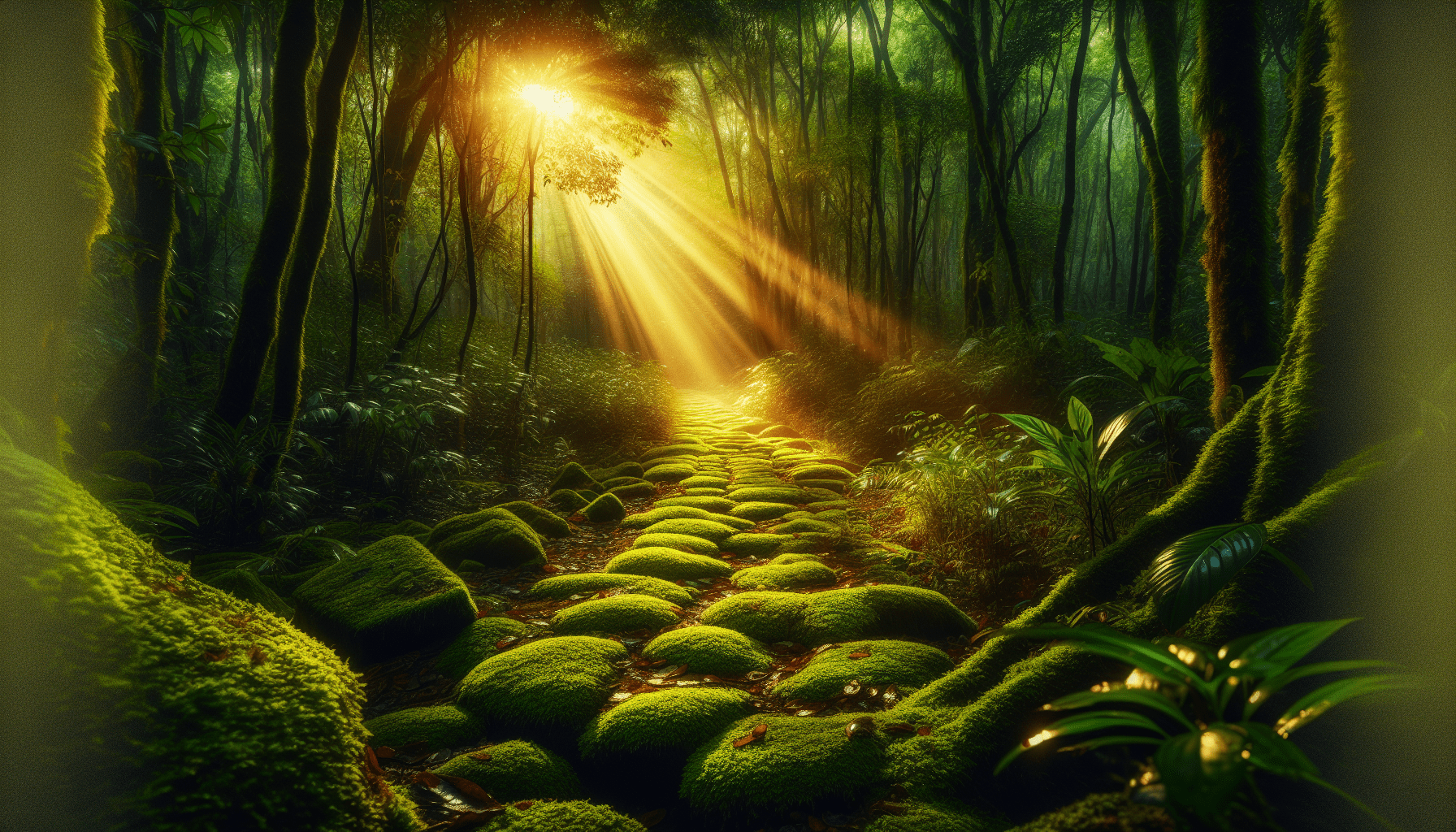
Imagine a world where simply immersing yourself in the beauty of nature could help you live a longer, healthier life. Well, that may not be too far-fetched. Recent research has shown that nature therapy, also known as ecotherapy or forest bathing, can have remarkable effects on our physical and mental well-being. From reducing stress levels to boosting our immune systems, the healing power of nature seems to know no bounds. So, if you’ve been feeling overwhelmed or just in need of a little rejuvenation, it might be time to lace up your hiking boots and venture into the great outdoors.
Introduction to Longevity and Nature Therapy
Longevity refers to the ability to live a long and healthy life. It is not just about the number of years you live, but also the quality of life during those years. Nature therapy, on the other hand, is a holistic approach that utilizes the healing power of nature to promote physical, mental, and emotional well-being.
Understanding Longevity
Definition and Measurement of Longevity
Longevity is often defined as the length of an individual’s life. It is commonly measured by life expectancy, which is the average number of years a person is expected to live. However, longevity is not solely determined by genetics or age. It can be influenced by various factors, including lifestyle choices, environmental factors, and access to healthcare.
Factors Influencing Longevity
Several factors can influence a person’s longevity. Genetics play a role, but they are not the sole determinant. Lifestyle choices, such as diet, exercise, and avoiding harmful habits like smoking, can significantly impact how long and well you live. Environmental factors, such as air and water quality, access to green spaces, and exposure to pollutants, also play a part in determining longevity.
Benefits of Living Longer
Living longer can bring a multitude of benefits to individuals and society as a whole. Longer lives allow for more time to pursue personal goals, spend time with loved ones, and contribute to society. It also provides opportunities for personal growth, continued learning, and the ability to make a lasting impact on future generations. Moreover, a longer lifespan means more time to enjoy the beauty and wonders of the natural world.
Exploring Nature Therapy
Definition and Concept of Nature Therapy
Nature therapy, also known as ecotherapy, is a therapeutic approach that emphasizes the healing power of nature. It involves immersing oneself in natural environments, engaging with plants and animals, and participating in activities that promote connection with the natural world. Nature therapy recognizes the intrinsic connection between humans and nature and harnesses this connection to improve overall well-being.
History of Nature Therapy
The concept of nature therapy has roots in ancient civilizations, where the healing properties of nature were recognized and utilized. Indigenous cultures around the world have long practiced nature-based healing rituals and ceremonies. In modern times, the field of ecotherapy emerged in the 20th century, with professionals incorporating nature into mental health treatments. Today, nature therapy is gaining popularity as a complementary approach to traditional therapy.
Benefits of Nature Therapy
Nature therapy offers a multitude of benefits for physical, mental, and emotional well-being. Spending time in nature has been shown to reduce stress, enhance mood, improve cognitive function, and promote relaxation. Engaging with nature also boosts physical health, including strengthening the immune system, improving cardiovascular health, and increasing physical activity. Nature therapy can be a powerful tool in promoting holistic well-being.
Physical Health Benefits of Nature Therapy
Enhanced Immune System
Spending time in nature has been shown to boost the immune system. The phytoncides released by trees and plants in natural environments have antimicrobial properties that can enhance the body’s resistance to illnesses and infections. Breathing in the fresh air and being exposed to natural elements can strengthen the immune system, leading to better overall health and a reduced risk of diseases.
Reduced Stress and Anxiety
Nature has a remarkable ability to reduce stress and anxiety. Research has shown that spending time in natural environments can lower cortisol levels, a hormone associated with stress. The sounds of birds chirping, the sight of trees swaying, and the feeling of sunshine on your skin can have a calming effect on the mind and body, promoting relaxation and reducing anxiety.
Improved Cardiovascular Health
Engaging with nature can have a positive impact on cardiovascular health. Walking or exercising in natural settings can lower blood pressure, reduce heart rate, and improve circulation. The peacefulness of nature and the absence of urban noise contribute to a decrease in stress levels, which positively affects heart health. Regular exposure to nature can help maintain a healthy cardiovascular system and reduce the risk of heart disease.
Increased Physical Activity and Fitness
Nature therapy provides ample opportunities for physical activity, which is crucial for maintaining overall fitness. Hiking through nature trails, swimming in natural bodies of water, or engaging in outdoor sports and recreational activities all contribute to increased physical activity levels. Regular exercise in natural environments not only improves physical fitness but also ensures a healthy weight, reduces the risk of chronic diseases, and enhances overall quality of life.
Mental and Emotional Benefits of Nature Therapy
Reduced Depression and Mood Disorders
Nature therapy has been shown to have positive effects on mental health, including reducing symptoms of depression and mood disorders. Spending time in natural environments can improve mood, increase feelings of happiness, and enhance overall well-being. The sights, sounds, and smells of nature stimulate the release of serotonin and dopamine, neurotransmitters associated with happiness and pleasure.
Enhanced Cognitive Function
Nature therapy can also enhance cognitive function. Taking breaks in natural settings has been found to improve attention and focus, boost creativity, and increase problem-solving abilities. The peacefulness and tranquility of nature provide the brain with much-needed respite from the constant stimulation of everyday life, allowing for mental rejuvenation and improved cognitive performance.
Increased Happiness and Well-being
Simply being in nature can bring about a sense of happiness and well-being. The beauty and awe-inspiring aspects of natural environments have a profound impact on the human psyche. Connecting with nature has been linked to increased life satisfaction, positive emotions, and overall happiness. Nature therapy allows individuals to find solace, grounding, and a sense of inner peace, leading to improved mental and emotional well-being.
Promotion of Mindfulness and Relaxation
Nature therapy encourages mindfulness and relaxation. Being fully present in natural environments, paying attention to your senses, and immersing yourself in the beauty of nature can foster a state of mindfulness. Mindfulness helps alleviate stress, reduce rumination, and increase self-awareness. Nature provides the perfect backdrop for practicing mindfulness and finding inner calm.
Social Benefits of Nature Therapy
Strengthened Social Connections
Engaging with nature can strengthen social connections. Participating in outdoor activities, such as nature walks or group hikes, provides opportunities for bonding with friends, family, or like-minded individuals. Sharing experiences in natural environments fosters social connections, promotes social support, and enhances relationships. Nature therapy can be a catalyst for building and strengthening social networks.
Sense of Belonging
Nature has a way of instilling a sense of belonging. Connecting with the natural world can inspire feelings of being a part of something larger than oneself. The beauty and interconnectedness of nature can remind individuals of their place in the world and foster a sense of belonging to a broader community. This sense of belonging contributes to overall well-being and a greater sense of purpose.
Improved Communication and Cooperation
Engaging with nature as a group can improve communication and cooperation skills. Collaborative activities in natural settings require individuals to work together, communicate effectively, and problem-solve collectively. Nature therapy experiences that involve teamwork and shared goals can enhance communication skills, promote a sense of camaraderie, and strengthen cooperation among participants.
Community Building and Bonding
Nature therapy can facilitate community building and bonding. Participating in community-based initiatives, such as conservation projects or gardening clubs, brings people together around a shared interest in nature. Engaging in activities that aim to improve the local environment fosters a sense of pride and ownership, strengthens community ties, and promotes a collective effort towards environmental stewardship.
Nature Therapy for Longevity
Role of Nature Therapy in Promoting Longevity
Nature therapy plays a significant role in promoting longevity. The physical, mental, and social benefits of nature therapy all contribute to a healthier and more fulfilling life. By engaging with nature regularly, individuals can improve their overall well-being, reduce the risk of diseases, and increase their lifespan. Nature therapy provides a holistic approach to longevity, addressing the physical, mental, and social aspects of health and well-being.
Prevention of Age-related Diseases
Nature therapy can help prevent age-related diseases. Regular exposure to natural environments has been shown to reduce the risk of conditions such as cardiovascular diseases, stroke, and obesity. Additionally, spending time in nature has a positive impact on immune function, which is crucial in combating age-related illnesses. By incorporating nature therapy into your lifestyle, you can mitigate the risk of age-related diseases and enhance your longevity.
Delaying the Aging Process
Nature therapy can contribute to delaying the aging process. The stress-reducing and mood-enhancing effects of spending time in nature can slow down cellular aging and promote healthy aging. Being physically active in natural environments can improve muscle strength, joint health, and flexibility, all of which are essential for maintaining mobility and independence as you age. Nature therapy can help you feel and look younger, allowing you to enjoy a vibrant and fulfilling life.
Improving Quality of Life in Old Age
Nature therapy can greatly improve the quality of life in old age. The physical and mental health benefits of nature therapy help individuals maintain their autonomy, independence, and social connections. Engaging with nature can provide a sense of purpose, belonging, and joy, even in later years. By incorporating nature therapy into their routine, older adults can enhance their overall well-being, age gracefully, and live a fulfilling life.
Scientific Evidence and Case Studies
Research Studies on Longevity and Nature Therapy
Numerous research studies have highlighted the positive impact of nature therapy on longevity. For example, a study published in the International Journal of Environmental Research and Public Health found that individuals who lived in areas with more green spaces had lower mortality rates and lived longer. Another study published in Scientific Reports demonstrated that spending time in nature can reduce the risk of mortality from various causes, including cardiovascular diseases and cancer. These studies and others provide compelling evidence for the connection between nature therapy and longevity.
Case Studies on the Benefits of Nature Therapy
Case studies have also showcased the benefits of nature therapy on longevity. For instance, a case study conducted by the University of Utah examined the effects of gardening on the lifespan of older adults. The study found that gardening not only improved physical health but also enhanced mental well-being and increased life satisfaction. Similarly, a case study from Japan explored the impact of forest bathing, a practice that involves immersing oneself in the forest atmosphere, on stress reduction and longevity. The study reported significant reductions in stress levels and improvements in overall health among participants.
Supporting Scientific Findings
The scientific findings on longevity and nature therapy are consistently supported by various fields of research. Studies in fields such as psychology, environmental science, and public health have consistently shown the positive effects of nature therapy on physical and mental health. Additionally, research on the concept of biophilia, the innate human affinity for nature, further emphasizes the importance of nature in promoting longevity and overall well-being. The growing body of research provides a solid foundation for the incorporation of nature therapy into personal and healthcare practices.
Practical Tips for Incorporating Nature Therapy
Spending Time in Natural Environments
Make a conscious effort to spend time in natural environments regularly. Take walks in nearby parks or nature reserves, go camping or hiking, or simply sit outside in your backyard or a nearby green space. Even a few minutes spent connecting with nature can have a profound impact on your well-being.
Engaging with Plant and Animal Life
Interact with plant and animal life to deepen your connection with nature. Gardening is a great way to engage with plants and experience the satisfaction of nurturing new life. Consider birdwatching or setting up a bird feeder to attract avian visitors. Even caring for a household pet can provide daily doses of nature therapy.
Nature Walks and Hiking
Take advantage of nature walks and hiking trails in your area. These activities allow you to immerse yourself in nature’s beauty while simultaneously engaging in physical activity. Whether it’s a leisurely stroll or a challenging hike, you’ll reap the benefits of both nature therapy and exercise.
Gardening and Horticultural Activities
Try your hand at gardening or horticultural activities. Planting flowers, herbs, or vegetables not only connects you with nature but also provides a sense of accomplishment as you watch your plants grow and thrive. Gardening can be done in a small urban space or a large backyard, making it accessible to individuals of all living situations.
Conclusion
In conclusion, longevity and nature therapy go hand in hand when it comes to living a long and fulfilling life. Nature therapy offers a holistic approach to well-being, providing physical, mental, and social benefits. By regularly immersing yourself in natural environments, engaging with plant and animal life, and taking part in nature-based activities, you can experience enhanced physical health, improved mental and emotional well-being, and strengthened social connections. Nature therapy not only promotes longevity but also contributes to a higher quality of life, regardless of age. So, embrace the healing power of nature and enjoy the countless benefits it has to offer. Your journey towards longevity and well-being starts today!