
Whether it’s managing stress, improving sleep patterns, or boosting energy levels, maintaining balanced hormones is crucial for enhancing men’s well-being. In this article, you will discover a handful of key tips that can help you achieve hormonal balance and improve your overall health. From incorporating exercise into your daily routine to making dietary changes, these simple yet effective strategies will empower you to take charge of your hormones and feel your best. So sit back, relax, and let’s unlock the secret to optimal well-being together.
Maintain a Healthy Diet
A balanced diet plays a crucial role in maintaining overall health and regulating hormone levels in your body. By incorporating a variety of nutrient-rich foods into your diet, you can provide your body with the necessary substances to support hormone production and function effectively.
Eat a Balanced Diet
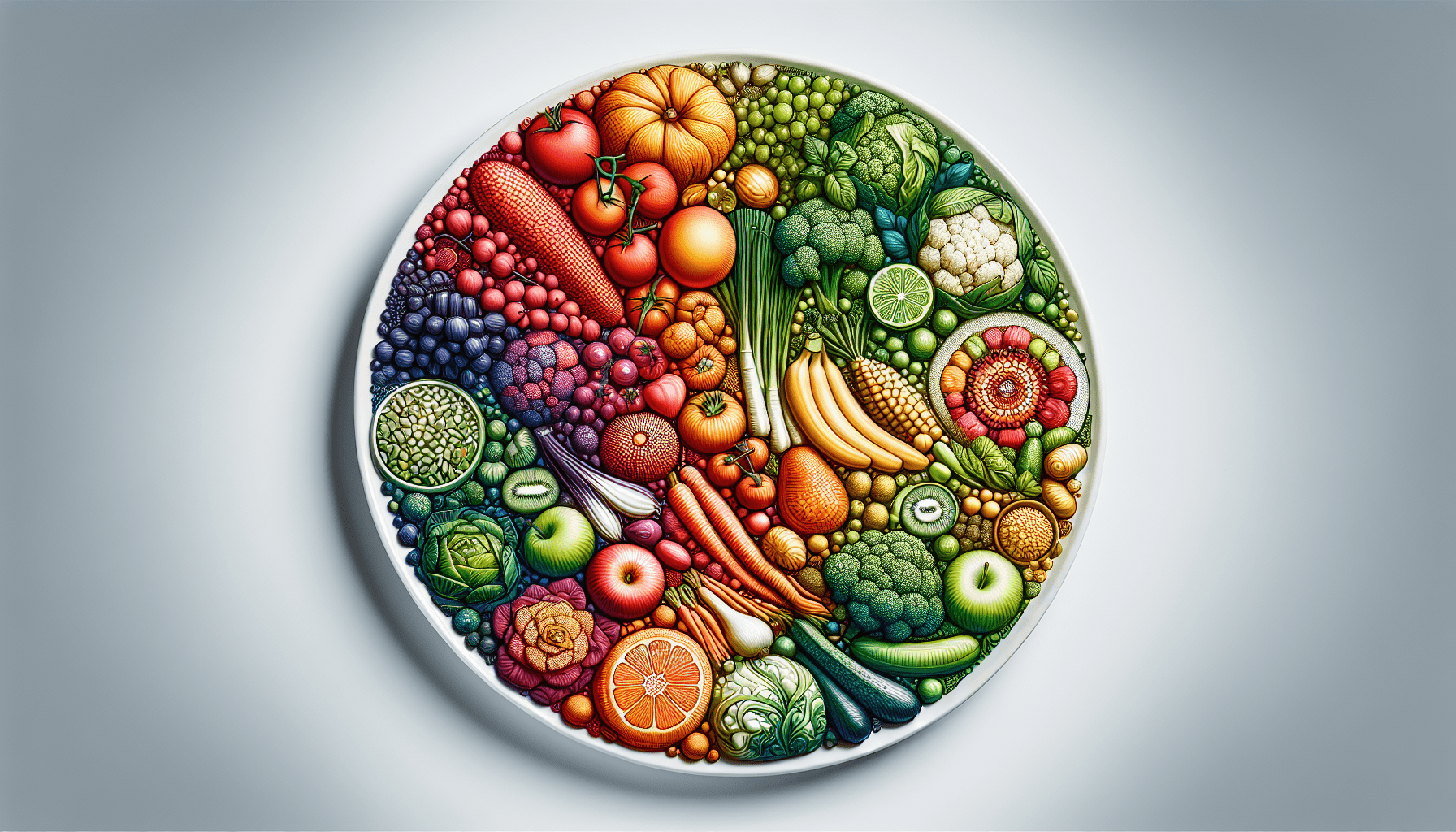
To ensure you are getting all the essential nutrients your body needs, it is important to follow a balanced diet that includes a variety of food groups. Make sure to include ample amounts of fruits, vegetables, whole grains, lean protein sources, and healthy fats in your meals. This combination will provide your body with the necessary vitamins, minerals, and antioxidants to maintain hormonal balance.
Include Hormone-Boosting Foods
Certain foods are known to have positive effects on hormone production and function. For example, foods rich in omega-3 fatty acids, such as fatty fish like salmon or mackerel, can help promote healthy hormone levels. Additionally, incorporating foods high in zinc, such as oysters, shellfish, and legumes, can support testosterone production in men.
Avoid Processed Foods
Processed foods often contain additives, preservatives, and unhealthy fats that can negatively impact hormone balance. It is best to limit or eliminate processed foods from your diet and opt for whole, natural foods instead. Fresh fruits and vegetables, lean meats, and whole grains should be the foundation of your meals to promote hormonal health.
Exercise Regularly
Regular exercise is essential for maintaining overall health and well-being, including hormonal balance. Engaging in various types of exercise can have a positive impact on hormone levels and overall fitness.
Engage in Strength Training
Strength training exercises, such as lifting weights or using resistance bands, can help increase testosterone production, which is essential for maintaining muscle mass and a healthy metabolism. Aim to incorporate strength training exercises into your routine at least two to three times per week.
Incorporate Cardiovascular Exercise
Cardiovascular exercises, like running, cycling, or swimming, can help improve heart health and promote overall well-being. These types of exercises also stimulate the release of endorphins, which can help reduce stress levels and improve mood. Aim for at least 150 minutes of moderate-intensity cardiovascular exercise per week.
Try High-Intensity Interval Training
High-Intensity Interval Training (HIIT) involves short bursts of intense exercise followed by short recovery periods. This type of workout has been shown to increase testosterone levels and improve insulin sensitivity. Incorporating HIIT workouts into your fitness routine can be a time-efficient and effective way to improve hormonal health.
Manage Stress Levels
Chronic stress can have a detrimental effect on hormone balance and overall well-being. It is important to find healthy ways to manage stress and prioritize relaxation.
Practice Relaxation Techniques
Incorporating relaxation techniques such as deep breathing, meditation, or yoga into your daily routine can help reduce stress levels and promote hormone balance. These practices have been shown to activate the body’s relaxation response, leading to a decrease in stress hormones such as cortisol.
Get Sufficient Sleep
Adequate sleep is crucial for hormone regulation. Lack of sleep or poor sleep quality can disrupt hormonal balance and increase stress levels. Aim for seven to nine hours of quality sleep per night to support optimal hormone production and function.
Avoid Overworking
Working long hours without proper breaks or relaxation can lead to chronic stress and hormonal imbalances. It is important to prioritize your well-being and find a healthy work-life balance. Make sure to take regular breaks, engage in hobbies, and spend quality time with loved ones to reduce stress levels.
Monitor Vitamin D Levels
Vitamin D is a vital nutrient that plays a significant role in hormone balance and overall health. It is important to ensure that your vitamin D levels are within the recommended range.
Expose Yourself to Sunlight
Exposure to sunlight is the most natural way for your body to produce vitamin D. Spending time outdoors, especially during the sunnier months, can help boost your vitamin D levels. Aim for 10 to 30 minutes of direct sunlight exposure on your face and arms a few times a week.
Consider Vitamin D Supplements
If you live in an area with limited sunlight or have a vitamin D deficiency, it may be necessary to consider vitamin D supplements. Consult with your healthcare provider to determine the appropriate dosage and duration for supplementation.
Eat Foods Rich in Vitamin D
Incorporating foods rich in vitamin D into your diet can also help maintain healthy levels. Fatty fish like salmon, mackerel, and sardines, as well as fortified dairy products and egg yolks, are excellent dietary sources of vitamin D.
Maintain Healthy Weight
Maintaining a healthy weight is essential for hormonal balance and overall well-being. Excess body fat, especially around the abdomen, can disrupt hormone production and lead to hormonal imbalances.
Avoid Excess Body Fat
Excess body fat can lead to an increase in estrogen levels and a decrease in testosterone levels, negatively affecting hormone balance. To maintain a healthy weight, focus on a combination of regular exercise, a balanced diet, and portion control.
Implement Portion Control
Controlling your portion sizes can help prevent overeating and weight gain. Be mindful of your portion sizes and listen to your body’s hunger and fullness cues. Aim for a balanced plate that includes a variety of nutrient-dense foods in appropriate portions.
Stay Physically Active
Regular physical activity is crucial for maintaining a healthy weight and promoting hormonal balance. Engaging in activities you enjoy, such as walking, cycling, or dancing, can help you stay active and support your overall well-being.
Reduce Alcohol Consumption
Excessive alcohol consumption can disrupt hormone balance and have negative effects on overall health. It is important to limit your alcohol intake and make mindful choices regarding your alcohol consumption.
Limit Intake of Alcohol
To maintain hormonal balance, it is best to limit your alcohol intake. Moderation is key, and the recommended guidelines suggest consuming no more than one to two standard drinks per day for men.
Avoid Binge Drinking
Binge drinking, defined as consuming a large amount of alcohol within a short period, can have severe consequences on hormone levels and liver function. It is essential to avoid binge drinking and be mindful of your alcohol consumption patterns.
Consider Alcohol-Free Days
Incorporating alcohol-free days into your week can help maintain a healthy balance and support hormone regulation. Make a conscious effort to have alcohol-free days and focus on other activities that promote health and well-being.
Stay Hydrated
Proper hydration is essential for overall health and hormone regulation. Ensuring you drink sufficient water and limiting sugary beverages can support optimal hormonal balance.
Drink Sufficient Water
Drinking enough water throughout the day is crucial for maintaining hydration levels and supporting bodily functions. Aim to drink at least eight cups (64 ounces) of water daily or follow the recommended guidelines for your age, activity level, and climate.
Limit Intake of Sugary Beverages
Sugary beverages, such as soda, sports drinks, or sweetened juices, can negatively affect hormone balance and contribute to weight gain. Opt for water, herbal teas, or infused water instead of sugary drinks to promote optimal hormonal health.
Include Herbal Teas
Certain herbal teas, such as chamomile, peppermint, or green tea, can have beneficial effects on hormone balance and overall well-being. Incorporating these teas into your daily routine can be a tasty and health-promoting way to stay hydrated.
Get Enough Sleep
Adequate sleep is crucial for hormone regulation and overall well-being. Creating a sleep routine and optimizing your sleep environment can help ensure you get the restful sleep your body needs.
Maintain a Consistent Sleep Schedule
Creating and maintaining a consistent sleep schedule can help regulate your body’s internal clock and support hormone production. Try to go to bed and wake up at the same time each day, even on weekends.
Create a Relaxing Sleep Environment
Creating a sleep-friendly environment can help improve the quality of your sleep. Make sure your bedroom is cool, quiet, and dark. Use blackout curtains, earplugs, or white noise machines if necessary.
Avoid Late-Night Electronics
Exposure to the blue light emitted by electronic devices, such as smartphones, tablets, or computers, can interfere with melatonin production and disrupt sleep patterns. Avoid using electronic devices for at least an hour before bed to promote restful sleep.
Consider Hormone Replacement Therapy
If you are experiencing significant hormone imbalances or symptoms related to hormonal changes, it may be necessary to consider hormone replacement therapy (HRT). It is important to consult with a medical professional who specializes in hormone health to discuss your options.
Consult with a Medical Professional
To determine if HRT is suitable for you, schedule a consultation with a healthcare professional who specializes in hormone health. They will assess your specific needs and guide you through the potential benefits and risks of HRT.
Undergo Hormone Testing
Before considering HRT, it is essential to undergo hormone testing. This will provide valuable information about your hormone levels and allow the healthcare professional to tailor the treatment plan to your specific needs.
Explore Treatment Options
Based on your hormone testing results and personal preferences, your healthcare professional will discuss different hormone replacement therapy options with you. These may include bioidentical hormone therapy, testosterone replacement therapy, or other forms of HRT.
Avoid Excessive Exposure to Endocrine Disruptors
Endocrine disruptors are chemicals that can interfere with hormone production and function. Minimizing exposure to these substances can help support optimal hormone balance and overall well-being.
Limit Use of Plastics
Certain plastics contain chemicals, such as phthalates or bisphenol-A (BPA), that can act as endocrine disruptors. To reduce your exposure, avoid storing food or beverages in plastic containers or using plastic utensils. Opt for glass or stainless-steel containers instead.
Choose Natural Cleaning Products
Many conventional cleaning products contain harmful chemicals that can disrupt hormone balance. Look for natural and eco-friendly cleaning products that are free from harsh chemicals to minimize your exposure.
Avoid Pesticides and Herbicides
Fruits and vegetables sprayed with pesticides and herbicides can contain residues of these chemicals, which can interfere with hormone balance. Whenever possible, choose organic produce or wash conventionally grown produce thoroughly to reduce your exposure to these chemicals.
In conclusion, maintaining a healthy lifestyle is essential for balancing hormones and enhancing overall well-being. Incorporating a balanced diet, regular exercise, stress management techniques, and implementing healthy habits can support optimal hormone production and function. By making mindful choices and seeking guidance from healthcare professionals, you can take control of your hormonal health and improve your overall quality of life.