

In this article, you will explore the fascinating world of holistic approaches to supporting emotional wellbeing and stress management. Whether you’re looking to improve your mental health or simply seeking balance in your life, this enlightening piece will provide valuable insights and practical tips to help you on your journey. From mindfulness techniques to natural remedies, you’ll discover a wide range of holistic practices that can effectively support your emotional wellbeing and help you navigate stress with ease. Get ready to embark on a transformative exploration of self-care and discover the power of holistic approaches to emotional wellbeing and stress management.

1. Mindfulness and Meditation
Mindfulness and meditation are powerful tools that can greatly enhance your emotional wellbeing and help manage stress. By cultivating a state of present moment awareness, mindfulness allows you to fully engage with your experiences and emotions without judgment. This practice can help you develop a greater sense of peace, clarity, and resilience. Meditation, on the other hand, involves focusing your attention on a specific object, such as your breath or a mantra, to calm the mind and achieve a state of deep relaxation.
1.1 Benefits of Mindfulness and Meditation
The benefits of mindfulness and meditation are numerous and far-reaching. Regular practice has been shown to reduce stress, anxiety, and depression by decreasing the production of stress hormones and promoting the release of feel-good neurotransmitters like serotonin and dopamine. Additionally, mindfulness and meditation have been linked to improved emotional regulation, increased self-awareness, enhanced concentration and focus, and improved overall mental and emotional well-being.
1.2 Different Meditation Techniques
There are various meditation techniques you can explore to find what works best for you. Some popular techniques include:
- Mindfulness meditation: This involves bringing your attention to the present moment by focusing on your breath, bodily sensations, or a particular object of focus.
- Loving-kindness meditation: This practice involves cultivating feelings of love, compassion, and kindness towards yourself and others.
- Transcendental meditation: This technique involves the repetition of a mantra to transcend thought and reach a state of deep relaxation and inner peace.
1.3 Incorporating Mindfulness into Daily Life
While setting aside dedicated time for formal meditation is beneficial, it’s equally important to incorporate mindfulness into your everyday life. You can do this by practicing awareness during simple activities like eating, walking, or even brushing your teeth. The key is to bring your attention fully to the present moment, observing your thoughts, emotions, and sensations without judgment. You can also incorporate mindfulness into your interactions with others by actively listening, being fully present, and non-reactive.
2. Yoga and Physical Activity
Engaging in regular physical activity, such as yoga, is an excellent holistic approach to supporting emotional wellbeing and managing stress. Yoga combines physical postures, breathwork, and meditation to promote overall health and harmony.
2.1 The Connection Between Exercise and Emotional Wellbeing
Exercise has been shown to have a profound impact on emotional wellbeing. Physical activity releases endorphins, natural chemicals in the brain that act as painkillers and mood elevators. Regular exercise also reduces the production of stress hormones and stimulates the production of feel-good neurotransmitters like serotonin and norepinephrine. Furthermore, yoga’s emphasis on mindful movement and breathwork helps calm the nervous system, reduce muscle tension, and promote relaxation, leading to improved emotional balance.
2.2 Various Types of Yoga Practices
There are different types of yoga practices available, each with its own focus and benefits. Some popular types include:
- Hatha Yoga: A gentle practice that focuses on physical postures (asanas) to stretch and strengthen the body while promoting relaxation and mindfulness.
- Vinyasa Yoga: A dynamic, flowing practice that synchronizes movement with breath, promoting strength, flexibility, and mental clarity.
- Restorative Yoga: A deeply relaxing practice involving supported poses held for extended periods to release tension and cultivate deep relaxation and rejuvenation.
2.3 Combining Yoga and Meditation
Combining yoga with meditation can create a powerful synergy. By incorporating meditation into your yoga practice, you can cultivate a deeper connection with your body, mind, and breath. This integration allows for enhanced stress reduction, increased self-awareness, and a greater sense of inner peace. You can begin your yoga practice with a few minutes of seated meditation or end the session with a guided meditation to help you transition into a state of relaxation and stillness.
3. Emotional Freedom Techniques (EFT)
Emotional Freedom Techniques (EFT), also known as tapping, is an evidence-based practice that combines elements of psychology and Eastern medicine to support emotional wellbeing and relieve stress. EFT involves gently tapping on specific acupressure points on the body while focusing on a specific emotional issue or problem.
3.1 Understanding EFT and Its Benefits
EFT works by stimulating meridian points on the body, similar to those used in acupuncture, to rebalance the body’s energy system. This technique has been shown to reduce emotional distress, alleviate anxiety and depression, and promote a sense of calm and relaxation. EFT can also help you release negative emotions, traumas, and limiting beliefs, allowing you to experience emotional freedom and greater overall wellbeing.
3.2 How to Practice EFT
To practice EFT, start by identifying the emotional issue you want to address. While focusing on this issue, tap gently on specific acupressure points on the body, such as the top of the head, eyebrow, side of the eye, under the nose, chin, collarbone, and under the arm. As you tap, you can repeat a statement or affirmation related to the issue you’re addressing. Gradually, you’ll feel a shift in your emotional state as the energy begins to flow more freely, releasing blockages and restoring balance.
3.3 Applying EFT for Stress Management
EFT can be a valuable tool for stress management. By using this technique during times of stress or overwhelm, you can help soothe the nervous system, reduce the intensity of negative emotions, and bring about a greater sense of calm and wellbeing. You can incorporate EFT into your daily routine by setting aside a few minutes each day to tap on any stress or emotional issues that may arise. With regular practice, you’ll develop greater emotional resilience and the ability to manage stress more effectively.
4. Holistic Nutrition
The food we eat plays a significant role in our emotional wellbeing. Optimal nutrition supports the body’s physiological processes, including the production of neurotransmitters and hormones that influence our moods and emotions. Incorporating a holistic and balanced approach to nutrition can help support stress management and promote emotional wellness.
4.1 The Impact of Diet on Emotional Wellbeing
What we choose to eat can have a profound impact on our emotional states. Consuming a diet high in processed foods, refined sugars, and unhealthy fats can lead to inflammation, imbalances in neurotransmitters, and increased stress on the body. On the other hand, a diet rich in whole, nutrient-dense foods provides the essential vitamins, minerals, antioxidants, and phytochemicals necessary for optimal brain function and emotional stability.
4.2 Nutritional Strategies to Support Stress Management
To support stress management through nutrition, it’s important to focus on nourishing your body with wholesome foods. Include a variety of fruits, vegetables, whole grains, lean proteins, and healthy fats in your diet. Aim to reduce your intake of caffeine, alcohol, and sugary foods, as these can exacerbate stress and anxiety. Additionally, ensuring adequate hydration and incorporating stress-reducing herbs and spices, such as chamomile, lavender, turmeric, and ginger, can further support emotional wellbeing.
4.3 Foods and Supplements for Emotional Wellness
Certain foods and supplements can have a positive impact on emotional wellness. Foods rich in omega-3 fatty acids, such as fatty fish, flaxseeds, and walnuts, have been shown to improve mood and reduce symptoms of depression. Probiotic-rich foods like yogurt, sauerkraut, and kefir support a healthy gut microbiome, which has a significant influence on mental health. Additionally, supplements like B vitamins, magnesium, and adaptogenic herbs, such as ashwagandha and rhodiola, can help promote emotional balance and resilience.

5. Herbal Remedies and Adaptogens
Herbal remedies and adaptogens have been used for centuries to support emotional wellbeing and manage stress. These natural substances can help regulate stress hormone levels, promote relaxation, and improve overall resilience.
5.1 Overview of Herbal Remedies and Adaptogens
Herbal remedies are botanical preparations that harness the therapeutic properties of plants. Adaptogens, in particular, are a specific group of herbs that help the body adapt to physical, emotional, and environmental stressors. By modulating stress hormone levels and supporting adrenal health, adaptogens can help reduce feelings of stress, anxiety, and fatigue.
5.2 Popular Adaptogens for Stress Relief
Some popular adaptogens known for their stress-relieving properties include ashwagandha, rhodiola, holy basil, and Siberian ginseng. These adaptogens help to regulate the stress response, enhance energy levels, promote better sleep quality, and improve cognitive function. Incorporating these adaptogens into your daily routine, either through supplementation or as herbal teas, can help support your emotional wellbeing during times of stress.
5.3 Preparing and Incorporating Herbal Remedies into Daily Routine
There are various ways to prepare and incorporate herbal remedies into your daily routine. Herbal teas, tinctures, and capsules are convenient options that allow for easy consumption. Herbal teas can be brewed by steeping the desired herbs in hot water for several minutes. Tinctures involve extracting the medicinal compounds of herbs in alcohol or glycerin and taking them in liquid form. Capsules provide a convenient option for those who prefer a more concentrated form of herbal supplementation. You can experiment with different herbal combinations and preparations to find what works best for you and your needs.
6. Essential Oils and Aromatherapy
Essential oils and aromatherapy have been used for centuries for their therapeutic properties in promoting emotional wellbeing. The inhalation and topical use of essential oils can have a direct impact on the limbic system, the part of the brain responsible for emotions and memory.
6.1 Understanding Aromatherapy and Its Effects on Emotions
Aromatherapy involves the use of highly concentrated plant extracts, known as essential oils, to promote physical and emotional wellbeing. When inhaled, the aromatic compounds in essential oils can directly affect the limbic system, influencing emotions, moods, and memories. Essential oils can help promote relaxation, reduce anxiety and stress, uplift mood, and enhance overall emotional balance.
6.2 Popular Essential Oils for Stress Relief
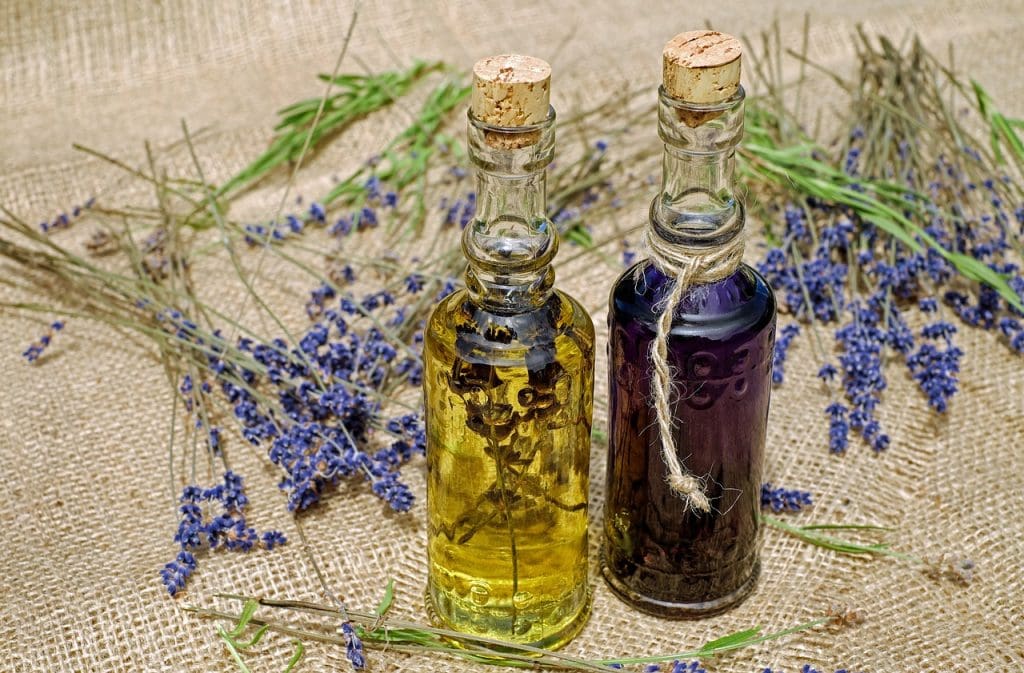
Several essential oils are known for their stress-relieving properties. Lavender, with its calming and soothing scent, is one of the most popular essential oils for relaxation and stress reduction. Citrus oils like bergamot and sweet orange are uplifting and energizing, promoting a positive mood. Other essential oils like chamomile, clary sage, and ylang-ylang have also been found to have soothing and anxiety-reducing effects.
6.3 Different Methods of Using Essential Oils
There are different methods of using essential oils to enjoy their benefits. Inhalation is one of the simplest ways to experience the effects of essential oils. You can add a few drops of oil to a diffuser or a tissue, and inhale deeply. Another method is topical application, where diluted essential oils are applied to the skin, usually in the form of massage oils or body lotions. Some essential oils can also be safely ingested, but it’s essential to consult with a qualified aromatherapist or practitioner before doing so.
7. Acupuncture and Traditional Chinese Medicine
Acupuncture and Traditional Chinese Medicine (TCM) have been used for thousands of years to support emotional wellbeing and promote overall health. This ancient healing system views the body as a whole, interconnected system and seeks to restore balance and harmony.
7.1 How Acupuncture Promotes Emotional Wellbeing
Acupuncture works by stimulating specific points on the body with thin needles, helping to restore the flow of Qi (life force energy) and rebalance the body’s energy pathways. From a TCM perspective, emotional disharmony is often seen as an imbalance or blockage of energy. Acupuncture can address these imbalances by helping to release tension, alleviate symptoms of anxiety and depression, and promote a sense of calm and emotional equilibrium.
7.2 Other Components of Traditional Chinese Medicine
In addition to acupuncture, other components of Traditional Chinese Medicine can be effective in supporting emotional wellbeing. Herbal medicine, for example, utilizes various medicinal plants to address specific imbalances and promote overall health. Chinese dietary therapy focuses on balancing the energies of different foods to support emotional and physical vitality. Qi Gong, a practice similar to Tai Chi, combines movement, breathwork, and meditation to cultivate energy and promote balance.
7.3 Combining Acupuncture with Other Holistic Approaches
Combining acupuncture with other holistic approaches, such as herbal medicine, dietary therapy, and Qi Gong, can further enhance the benefits and support emotional wellbeing. By addressing imbalances from multiple angles, you can experience a more comprehensive and holistic approach to managing stress and enhancing overall emotional health. It’s always advisable to seek the guidance of a qualified and experienced acupuncturist or TCM practitioner to create an individualized treatment plan that meets your specific needs.
8. Art Therapy and Creative Expression
Art therapy and creative expression are powerful tools for emotional healing and stress reduction. Engaging in creative activities can provide an outlet for self-expression, catharsis, and exploring emotions that may be difficult to express verbally.
8.1 The Role of Art Therapy in Emotional Healing
Art therapy utilizes various art forms, such as painting, drawing, sculpture, and collage, to facilitate emotional healing and self-discovery. Through the process of creating art, individuals can explore and express their feelings, gain insight into their emotions, and develop coping strategies. Art therapy provides a safe and non-judgmental space for reflection, healing, and personal growth.
8.2 Engaging in Creative Activities for Stress Reduction
Engaging in creative activities, such as painting, writing, playing a musical instrument, or even gardening, can be highly beneficial for stress reduction. The act of creating art allows you to focus your attention, quiet your mind, and enter a state of flow. This immersive state promotes relaxation, helps release tension, and provides a sense of accomplishment and enjoyment.
8.3 Finding Your Creative Outlet
Finding a creative outlet that resonates with you is key to experiencing the benefits of creative expression for stress reduction. Experiment with different art forms and activities to discover what brings you joy and allows you to express yourself authentically. Whether it’s painting, dancing, knitting, or writing, make time for creative endeavors that inspire you and provide a means of self-expression and emotional release.
9. Journaling and Self-Reflection
Writing can be a powerful tool for emotional release and self-reflection. Journaling allows you to explore your thoughts, feelings, and experiences, providing a space for self-discovery, personal growth, and stress management.
9.1 Writing as a Tool for Emotional Release
Writing can be an excellent outlet for emotional release. By putting your thoughts and emotions onto paper, you can gain clarity, process challenging experiences, and release pent-up feelings. Journaling can serve as a safe container to explore and express your emotions without judgment, allowing you to experience relief and a greater sense of emotional wellbeing.
9.2 Different Journaling Techniques for Stress Management
There are many different journaling techniques you can use to support stress management. Some popular techniques include:
- Free Writing: Set a timer for a certain amount of time (e.g., 10 minutes) and write continuously without censoring or editing your thoughts. Let your pen flow freely, allowing whatever comes up to be expressed on the page.
- Gratitude Journaling: Write down things you are grateful for each day. Focusing on gratitude can shift your mindset and promote a more positive outlook.
- Prompted Journaling: Use specific prompts or questions to guide your journaling practice. This can help you explore specific topics, gain insights, and promote self-reflection.
9.3 The Power of Self-Reflection
Self-reflection is an essential component of stress management and emotional wellbeing. Taking time to regularly reflect on your thoughts, behaviors, and experiences can provide valuable insights and promote personal growth. Self-reflection allows you to become more self-aware, understand your triggers and patterns, and make conscious choices that support your emotional wellness. Incorporate self-reflection practices into your routine, whether through journaling, meditation, or quiet contemplation, to foster a deeper connection with yourself and enhance your overall wellbeing.
10. Social Support and Connection
Social support and meaningful connections with others are vital for emotional wellbeing and stress management. Building and nurturing relationships can provide a sense of belonging, support, and emotional stability.
10.1 The Importance of Social Support for Emotional Wellbeing
Having a social support system is crucial for emotional wellbeing. Strong relationships can provide emotional validation, a sense of belonging, and companionship during challenging times. Social support acts as a buffer against stress, helping to reduce its negative impact on emotional health. Sharing experiences, thoughts, and feelings with trusted friends, family, or support groups can provide comfort, perspective, and guidance.
10.2 Cultivating Meaningful Relationships
Cultivating meaningful relationships requires effort and genuine connection. Take the time to nurture your existing relationships and seek out opportunities to connect with others who share your interests and values. Engage in activities or join groups where you can meet like-minded individuals, such as hobby-centered clubs, volunteer organizations, or support groups. Foster open and honest communication, empathy, and active listening in your relationships, allowing for deep connections and emotional support.
10.3 Joining Support Groups and Seeking Professional Help
When faced with significant emotional challenges or chronic stress, seeking additional support through support groups or professional help can be beneficial. Support groups provide a space to share experiences, learn coping strategies, and gain support from others who have gone through similar situations. Professional help, such as therapy or counseling, can offer guidance, tools, and expert advice to navigate emotional difficulties and develop healthy coping mechanisms. Remember that asking for help is a sign of strength and taking care of your emotional wellbeing.